Liver Cirrhosis Stages: How the Disease Progresses and What Monitoring Means

Cirrhosis is long-term scarring of the liver that can progress silently for years. Early-stage, or compensated, cirrhosis may cause few or no symptoms.
Key Takeaways
- Cirrhosis is long-term scarring of the liver that can progress silently for years.
- Early-stage, or compensated, cirrhosis may cause few or no symptoms.
- Decompensated cirrhosis means the liver is struggling and complications have developed.
- Regular blood tests, imaging, and endoscopy help doctors monitor progression and reduce risk.
- Treating the underlying cause and avoiding alcohol are central parts of care.
- Prompt medical review is important if swelling, confusion, vomiting blood, or jaundice appears.
Liver cirrhosis stages reflect how ongoing liver scarring affects function over time. Understanding compensated and decompensated cirrhosis can help patients and families know what monitoring, treatment, and follow-up are meant to achieve.
Overview: What liver cirrhosis stages mean
Liver cirrhosis is a condition in which healthy liver tissue is gradually replaced by scar tissue. Because the liver performs many essential tasks, including processing nutrients, filtering toxins, and helping blood clot, this scarring can interfere with normal function over time. Cirrhosis does not usually develop suddenly. It is typically the result of long-term liver injury from causes such as viral hepatitis, alcohol-related liver disease, fatty liver disease, or certain autoimmune and metabolic disorders.
When doctors talk about liver cirrhosis stages, they are usually describing how advanced the liver damage is and whether the liver is still coping. A simple and practical way to understand progression is through two broad phases: compensated cirrhosis and decompensated cirrhosis. In compensated cirrhosis, the liver is scarred but can still carry out many of its jobs. In decompensated cirrhosis, complications begin to appear because the liver can no longer keep up.
Staging may also involve scoring systems based on blood tests, symptoms, and complications. These tools help doctors estimate severity, plan treatment, and decide how closely a person should be monitored. They do not predict the future with certainty, but they are useful for guiding care and discussing the next steps in a clear, structured way.
How cirrhosis progresses over time
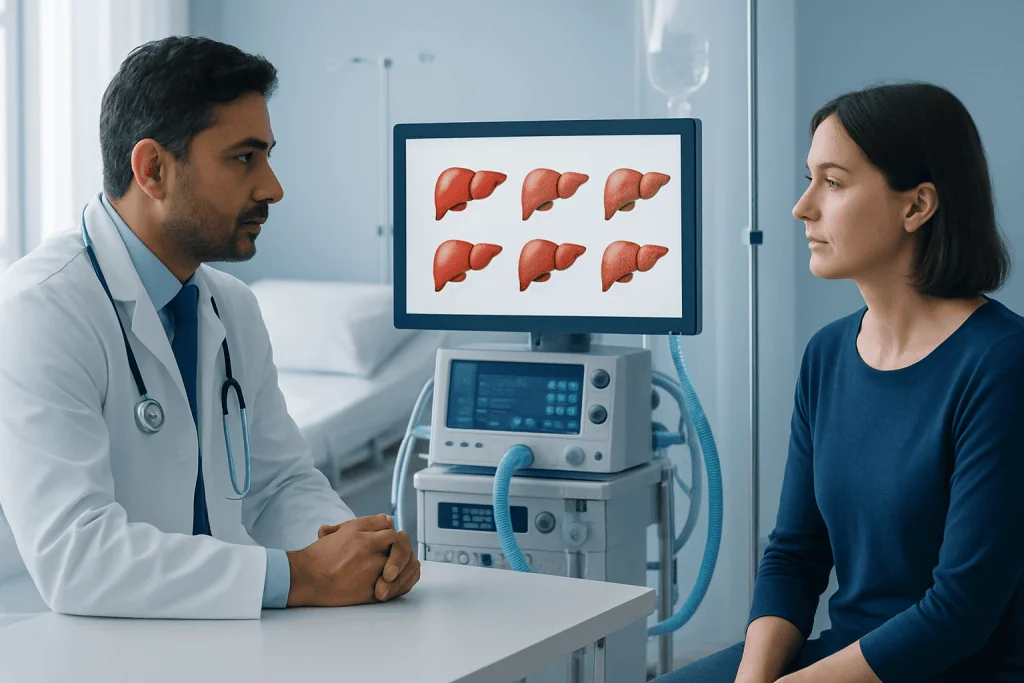
Cirrhosis often starts quietly. In the early phase, a person may feel completely well, even while scarring is already present. This stage is called compensated cirrhosis. Many people are diagnosed during tests for abnormal liver enzymes, imaging done for another reason, or routine follow-up for known liver disease. Although symptoms may be mild or absent, monitoring is still important because complications can develop gradually.
As scarring becomes more extensive, blood flow through the liver is affected. Pressure can rise in the vein system that carries blood from the digestive organs to the liver, a problem known as portal hypertension. This can lead to enlarged veins in the esophagus or stomach, fluid buildup in the abdomen, and changes in the spleen and blood counts. These changes may develop before a person notices obvious symptoms.
Decompensated cirrhosis means the disease has progressed enough to cause complications such as jaundice, ascites, variceal bleeding, or hepatic encephalopathy. At this point, care usually becomes more intensive. Doctors focus on treating complications, slowing further damage, and assessing whether advanced therapies, including liver transplantation, may need to be discussed for selected patients.
Symptoms and complications by stage

Symptoms can vary widely from person to person. In compensated cirrhosis, symptoms may be subtle and nonspecific. A person might notice tiredness, reduced appetite, mild weight loss, or vague discomfort in the upper abdomen. Some people have no symptoms at all. This is one reason cirrhosis can remain unrecognized until it becomes more advanced.
As the disease progresses, more noticeable signs may appear. These can include yellowing of the skin or eyes, itching, easy bruising, muscle loss, ankle swelling, and a swollen abdomen from fluid retention. Some people also develop redness of the palms or small spider-like blood vessels on the skin. These signs do not always mean severe liver failure, but they do warrant medical evaluation.
The most important complications of decompensated cirrhosis include:
- Ascites: fluid buildup in the abdomen
- Varices and bleeding: enlarged veins in the esophagus or stomach that can bleed
- Hepatic encephalopathy: confusion, sleepiness, personality changes, or difficulty concentrating caused by toxin buildup
- Jaundice: yellowing due to impaired processing of bilirubin
- Infections: greater susceptibility to serious bacterial infections
- Kidney problems: reduced kidney function related to advanced liver disease
Cirrhosis also increases the risk of liver cancer, which is why long-term surveillance is part of routine care. Even when a person feels stable, regular follow-up helps detect complications at an earlier and more treatable stage.
Causes and factors that affect progression
Cirrhosis has several possible causes, and identifying the cause is a key part of treatment. Common causes include chronic hepatitis B or C, alcohol-related liver disease, and metabolic dysfunction-associated steatotic liver disease, previously often called fatty liver disease. Less common causes include autoimmune hepatitis, inherited disorders such as hemochromatosis or Wilson disease, and diseases that affect the bile ducts.
Progression does not occur at the same speed in everyone. Ongoing alcohol use, untreated viral hepatitis, obesity, diabetes, smoking, and repeated liver inflammation can all increase the chance of worsening scarring. Some medications or supplements may also be harmful to the liver if used inappropriately, especially in people who already have chronic liver disease.
Because cirrhosis can be the end stage of several different conditions, treatment aims not only to manage scarring but also to control the underlying disease. For example, doctors may recommend antiviral treatment for hepatitis, support for stopping alcohol use, weight management strategies, or specialist care for autoimmune liver disorders. In some cases, people may first learn about cirrhosis during investigation of fatty liver or abnormal imaging findings.
How doctors diagnose and monitor cirrhosis
Diagnosis usually begins with a medical history, physical examination, and blood tests. Doctors look at liver enzymes, bilirubin, albumin, platelet count, and clotting measures, along with kidney function and electrolytes. These tests can suggest liver injury, reduced liver function, or complications such as portal hypertension. Blood tests also help identify the underlying cause, including viral, autoimmune, or metabolic conditions.
Imaging plays an important role in both diagnosis and follow-up. Ultrasound is commonly used to assess the liver and screen for liver cancer. Additional imaging, such as CT or MRI, may be needed in selected cases. Some patients also have specialized tests that estimate liver stiffness. When more detailed evaluation is needed, doctors may use MRI or other imaging methods to better understand the extent of damage and look for complications.
Monitoring usually continues at regular intervals, even if symptoms are mild. Depending on the individual case, this may include repeated blood tests, ultrasound surveillance, and endoscopy to check for esophageal varices. Doctors may also use severity scores such as Child-Pugh or MELD to assess risk and help determine whether referral to a transplant center is appropriate. Monitoring is not only about measuring decline; it is also about preventing avoidable complications and intervening early when changes are detected.
For some people, doctors need to examine body tissues or fluids more closely to clarify the diagnosis or rule out another problem. In selected situations, a biopsy may be discussed, although many cases can now be assessed with noninvasive tests and imaging.
Treatment options at different stages
There is no single medicine that reverses established cirrhosis in every case, but treatment can still make a meaningful difference. The first priority is addressing the underlying cause. This may include complete avoidance of alcohol, antiviral therapy for hepatitis, treatment of autoimmune disease, or weight and metabolic management. When the cause is controlled, progression may slow and some aspects of liver health can stabilize.
Treatment also focuses on complications. Fluid retention may be managed with dietary sodium reduction and medicines prescribed by a doctor. Varices may require endoscopic treatment or preventive medication. Hepatic encephalopathy can often be improved with therapies that reduce toxin buildup in the gut. Vaccination, infection prevention, and careful medication review are also important because people with cirrhosis can be more vulnerable to serious illness.
Nutrition matters as well. Many patients benefit from individualized guidance on adequate protein intake, balanced meals, and avoiding malnutrition. In advanced disease, a multidisciplinary team may include gastroenterologists, hepatologists, dietitians, radiologists, and transplant specialists. If cirrhosis becomes severe despite treatment, doctors may consider liver transplantation for those who meet clinical criteria.
Near the end of the care pathway, some patients seek treatment in centers with broad specialist support. Acibadem International’s multidisciplinary specialists and JCI-accredited hospitals diagnose and treat liver conditions for international patients, including advanced cirrhosis when coordinated evaluation is needed.
Prevention and self-care
Although not all causes of cirrhosis can be prevented, many steps can reduce the risk of progression and complications. Avoiding alcohol is one of the most important recommendations for anyone with cirrhosis, regardless of the original cause. Patients should also discuss all prescription medicines, over-the-counter products, and herbal supplements with a doctor, since some may worsen liver injury or increase bleeding risk.
Daily self-care also includes eating a balanced diet, keeping follow-up appointments, and reporting new symptoms early. People with cirrhosis may benefit from vaccinations recommended by their healthcare team, including protection against hepatitis viruses, influenza, and pneumonia when appropriate. If fluid retention is a problem, a doctor may advise limiting sodium and checking body weight regularly.
General health measures can support liver care over the long term:
- Maintain a healthy body weight if overweight
- Manage diabetes, blood pressure, and cholesterol carefully
- Avoid smoking when possible
- Do not share needles or personal items that may carry blood
- Attend scheduled ultrasounds, blood tests, and endoscopy appointments
- Ask a doctor before taking pain relievers or supplements
Self-care is important, but it does not replace medical follow-up. Cirrhosis can change over time, and regular monitoring gives doctors the best chance to detect and treat problems before they become more serious.
When to see a doctor urgently
Anyone with known or suspected cirrhosis should seek medical advice if new symptoms develop or existing symptoms worsen. Even changes that seem mild, such as increasing fatigue, reduced appetite, swelling, or abdominal bloating, can provide useful clues about disease progression. Early review often allows doctors to adjust treatment before complications become more difficult to manage.
Urgent medical attention is especially important if there is vomiting of blood, black stools, severe abdominal swelling, fever, new confusion, extreme sleepiness, fainting, or rapid yellowing of the skin and eyes. These can be signs of bleeding, infection, encephalopathy, or severe liver dysfunction and should not be ignored.
People who have chronic hepatitis, heavy alcohol use, obesity with fatty liver disease, or a family history of certain liver disorders should also ask a doctor whether liver evaluation is appropriate, even without symptoms. Earlier diagnosis can make a significant difference in planning care, reducing risk, and protecting remaining liver function.
Frequently asked questions
What are the main stages of liver cirrhosis?
Doctors often describe cirrhosis as compensated or decompensated. In compensated cirrhosis, the liver is scarred but still functioning relatively well. In decompensated cirrhosis, complications such as fluid buildup, bleeding, jaundice, or confusion have developed.
Can liver cirrhosis get worse without symptoms?
Yes. Cirrhosis may progress silently for a long time, especially in the compensated stage. That is why regular blood tests, imaging, and specialist follow-up are important even when a person feels well.
Is cirrhosis reversible?
Advanced scarring is often not fully reversible, but treatment can still help a great deal. If the underlying cause is controlled early, progression may slow and liver function may remain stable for longer. The outlook depends on the cause, stage, and whether complications are present.
How often should cirrhosis be monitored?
Monitoring schedules vary depending on severity, cause, and past complications. Many patients need regular clinic visits, blood tests, liver ultrasound surveillance, and sometimes endoscopy. A doctor will tailor the plan to the individual patient.
What is the difference between compensated and decompensated cirrhosis?
Compensated cirrhosis means the liver has significant scarring but can still perform many of its tasks. Decompensated cirrhosis means the damage has led to clear complications, such as ascites, variceal bleeding, jaundice, or encephalopathy. This distinction is important because it affects prognosis and treatment decisions.
When is liver transplantation considered?
Liver transplantation may be considered when cirrhosis is advanced, complications are recurring, or liver function is severely impaired despite treatment. Doctors use clinical assessment and scoring systems to decide when transplant evaluation is appropriate. Not every patient with cirrhosis needs a transplant, but timely referral can be important for suitable candidates.
References
- World Health Organization
- American Association for the Study of Liver Diseases
- European Association for the Study of the Liver
- National Institute of Diabetes and Digestive and Kidney Diseases
- Centers for Disease Control and Prevention
This article is for general information only and is not a substitute for professional medical advice. Please consult a qualified doctor about your individual situation.
Cirrhosis in Turkey — costs, top hospitals & a free quote
JCI-accredited · board-certified surgeons · reply within 24h
Add us as a Preferred Source to see more of our trusted health content across Google Search, AI Overviews and Discover.

Gastroenterology
Diagnosis and treatment of the digestive system and liver, with advanced endoscopy.
46 specialists in this unit