Liver Health Supplements: Benefits, Risks, and Safe Use

Liver health supplements are not all proven, and many claims are stronger than the clinical evidence. Some ingredients, such as coffee-derived compounds or vitamin E in selected patients, may have limited roles, but use should be individualized.
Key Takeaways
- Liver health supplements are not all proven, and many claims are stronger than the clinical evidence.
- Some ingredients, such as coffee-derived compounds or vitamin E in selected patients, may have limited roles, but use should be individualized.
- Herbal and over-the-counter products can sometimes cause liver injury or interact with prescription medicines.
- People with liver disease, pregnancy, older age, or multiple medications should talk to a doctor before using supplements.
- Healthy weight, balanced nutrition, limiting alcohol, and managing diabetes or cholesterol are often more important for liver health than supplements.
Liver health supplements are widely marketed, but they are not a cure-all and their benefits vary by ingredient and medical context. Some may support liver health in specific situations, while others have little evidence or may cause side effects, medication interactions, or even liver injury.
Overview: What liver health supplements are and what they can realistically do
Liver health supplements are products sold to support liver function, protect liver cells, or “detox” the body. They may contain vitamins, minerals, herbs, plant extracts, amino acids, or combinations of these ingredients. Common examples include milk thistle, turmeric or curcumin, N-acetylcysteine, artichoke extract, dandelion, alpha-lipoic acid, and multicomponent “liver cleanse” formulas.
For most people, the liver already performs detoxification naturally without needing a supplement. The body clears many substances through the liver, kidneys, digestive tract, and lungs. Because of this, supplements marketed as detox products should be approached carefully, especially if they make broad claims that are not supported by clear clinical evidence.
Some supplements are being studied in conditions such as fatty liver disease, medication-related liver stress, or alcohol-related liver damage. However, evidence is mixed, and results from laboratory or animal studies do not always translate into meaningful benefits for patients. In clinical care, doctors usually focus first on the cause of liver problems rather than on supplements alone.
That is why liver health supplements are best viewed as products that may have a limited supportive role in selected cases, not as a replacement for medical evaluation, prescribed treatment, or lifestyle changes.
Which ingredients have evidence, and which claims are unproven
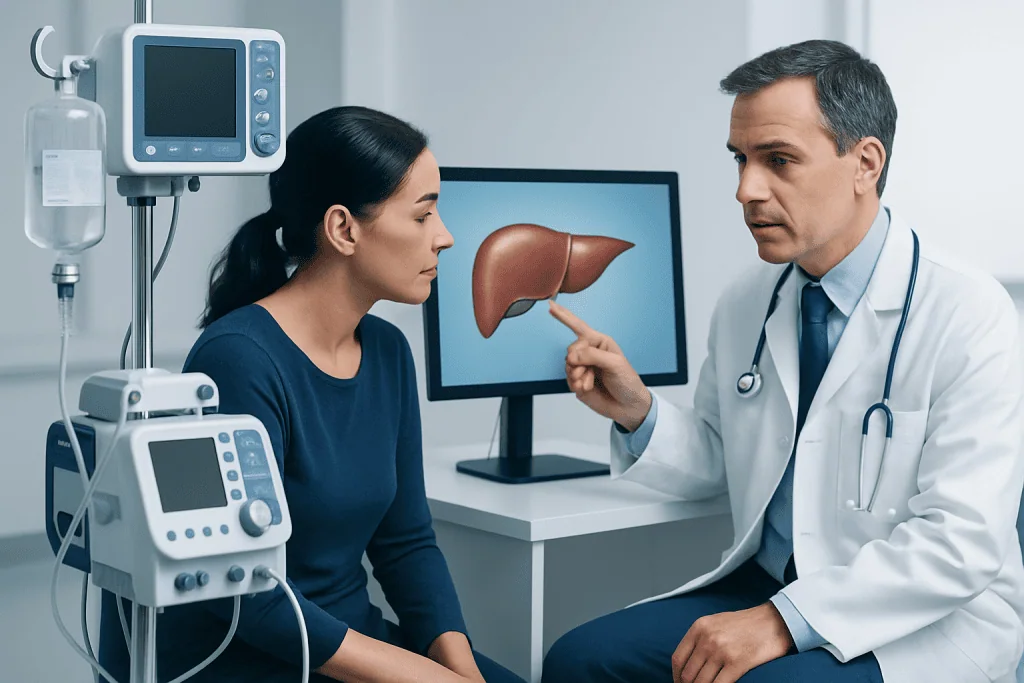
The evidence for liver health supplements depends on the ingredient. Milk thistle, often listed as silymarin, is among the most studied herbal products for liver conditions. Some studies suggest antioxidant and anti-inflammatory effects, but results in people are inconsistent, and benefits for liver enzyme levels or long-term liver outcomes are not firmly established.
Vitamin E has been studied in selected adults with certain forms of nonalcoholic fatty liver disease, but it is not appropriate for everyone and should not be started without medical guidance. N-acetylcysteine is an important medical treatment in specific settings, such as acetaminophen overdose, but this does not mean over-the-counter use improves general liver health in otherwise healthy people. Curcumin and omega-3 fatty acids have also been studied, especially in metabolic liver conditions, yet they are not universal treatments.
Claims about “cleansing,” “flushing toxins,” or rapidly restoring liver function are usually not supported by strong evidence. Many mixed herbal formulas have not been tested in rigorous clinical trials. Even when a single ingredient appears promising, the exact dose, purity, formulation, and duration used in studies may differ from products sold online or in stores.
In practice, the strongest evidence for improving common liver problems often involves addressing the underlying cause. For instance, managing weight, blood sugar, triglycerides, and alcohol intake usually matters more for fatty liver disease than taking a commercial supplement.
Potential benefits in real-world use

In some situations, liver health supplements may be used as part of a broader care plan. A clinician may discuss certain antioxidants or vitamins when a patient has metabolic liver disease, poor nutritional intake, or a specific deficiency. Even then, the goal is usually supportive care, not a stand-alone treatment.
Patients often ask whether supplements can improve symptoms such as fatigue, bloating, or mild digestive discomfort. These symptoms are not specific to the liver, and a supplement may not address their true cause. A careful medical assessment is important because tiredness or abdominal discomfort can also be linked to gallbladder disease, viral hepatitis, medication side effects, or digestive disorders.
Another practical point is that normal liver function is not something most people can feel. A product may be advertised as helping the liver “work better,” but benefit is difficult to judge without proper diagnosis and follow-up. When a doctor suspects liver disease, evaluation may include blood tests, ultrasound, and sometimes more advanced assessment such as check-up and screening or specialist consultation.
Overall, a supplement may have a place in selected patients, but the expected benefit should be modest and clearly discussed. It should never delay proper diagnosis or evidence-based treatment.
Risks, side effects, and medication interactions
Many people assume that if a product is natural, it must be safe. This is not always true. Herbal and dietary supplements can cause nausea, diarrhea, allergic reactions, headaches, and changes in blood pressure or blood sugar. More importantly, some supplements have been linked to drug-induced liver injury, which can range from mild liver enzyme elevations to severe hepatitis.
Risk can increase when a person takes several products at once, uses high doses, buys products from unreliable sources, or combines supplements with alcohol. Multi-ingredient formulations may be especially hard to evaluate because the exact contents and concentrations are not always consistent. Contamination, mislabeling, and undisclosed ingredients are recognized concerns in some products.
Interactions with medicines are another key issue. Some supplements may affect blood thinners, diabetes medicines, cholesterol-lowering drugs, antidepressants, immune-suppressing treatments, or medicines metabolized by the liver. People preparing for surgery or receiving complex treatment should always tell their healthcare team about all supplements they use, including teas, powders, and traditional remedies.
If a person develops yellowing of the skin or eyes, dark urine, severe itching, new swelling, unusual bruising, or strong abdominal pain after starting a supplement, they should stop the product and seek medical care promptly. These symptoms may suggest significant liver stress and should not be ignored.
Who should be especially cautious or avoid liver supplements
Certain groups should be particularly careful with liver health supplements. This includes people who already have diagnosed liver disease, such as hepatitis, cirrhosis, autoimmune liver conditions, or fatty liver disease. In these situations, even a product marketed for liver support may be unsuitable or may complicate treatment decisions.
Pregnant or breastfeeding women should avoid using supplements unless a doctor specifically recommends them. Safety data for many ingredients are limited in pregnancy. Children and teenagers should also not be given liver supplements routinely without pediatric advice, since needs, dosing, and safety differ from adults.
Older adults and people who take multiple medicines should use extra caution because they may be more vulnerable to interactions and side effects. Individuals with diabetes, kidney disease, heart disease, or a history of cancer should also ask their physician before starting any new supplement. This is especially important if the product contains several herbal compounds.
People with significant obesity, high cholesterol, type 2 diabetes, or sleep apnea may be at higher risk for metabolic liver disease, but they still should not self-treat based on symptoms alone. In these cases, professional evaluation may help guide a structured plan that can include nutrition changes, exercise, and if needed specialist management such as gastroenterology care.
Safe use: how to choose and use supplements more carefully
If a person is considering liver health supplements, the safest first step is to discuss the idea with a qualified doctor or pharmacist. This is especially important if they have ongoing symptoms, abnormal blood tests, known liver disease, or regular medication use. A clinician can help decide whether any supplement is reasonable, unnecessary, or potentially risky.
Patients should choose products from reputable manufacturers that provide clear ingredient lists and avoid exaggerated claims such as guaranteed detox, rapid repair, or cure of liver disease. It is wise to avoid taking multiple liver products at the same time. Keeping a written list of all supplements and medicines can also help reduce interaction risks.
Use should be limited, purposeful, and monitored. If a clinician recommends a supplement, follow-up may include checking symptoms, medication changes, and liver blood tests when appropriate. A product that causes digestive upset, rash, dizziness, or changes in urine or stool color should be stopped until medical advice is obtained.
Safe use also means understanding the limits of supplements. They work best, if at all, alongside habits known to protect the liver: maintaining a healthy weight, limiting alcohol, getting vaccinated when advised, eating a balanced diet, and reviewing medications regularly with a healthcare professional. In some patients, structured services such as nutrition and diet support are more helpful than starting a supplement.
What supports liver health beyond supplements
The most effective way to support liver health usually involves everyday medical and lifestyle measures rather than a supplement. A balanced eating pattern rich in vegetables, fruits, legumes, whole grains, and healthy fats can support overall metabolic health. Limiting ultra-processed foods, sugar-sweetened drinks, and excess saturated fat may be especially helpful for people with fatty liver risk.
Regular physical activity can improve insulin sensitivity, help with weight management, and reduce liver fat. Even gradual, sustainable changes can make a meaningful difference. For people who drink alcohol, reducing intake or avoiding alcohol completely may be one of the most important steps for liver protection, depending on their health status.
Vaccination against hepatitis A or B may be recommended for some people at risk, and safer medication use also matters. This includes avoiding more than the advised amount of acetaminophen and checking with a doctor before combining prescription drugs, over-the-counter products, and herbal remedies.
When liver disease is suspected or confirmed, treatment is directed at the underlying problem. That may involve specialist evaluation, imaging, or in advanced cases treatment planning related to liver transplant services. Acibadem International’s multidisciplinary specialists and JCI-accredited hospitals diagnose and treat liver conditions for international patients when specialist assessment is needed.
When to seek medical care
A person should seek medical care if they have persistent fatigue, loss of appetite, nausea, right upper abdominal pain, dark urine, pale stools, swelling, easy bruising, or yellowing of the eyes or skin. These symptoms do not always mean serious liver disease, but they do need proper evaluation.
Medical advice is also important before starting liver health supplements if there is a history of liver disease, heavy alcohol use, obesity, diabetes, high cholesterol, hepatitis exposure, or regular use of prescription medicines. Anyone who develops new symptoms after starting a supplement should stop it and contact a healthcare professional.
Urgent care is needed for severe abdominal pain, confusion, fainting, vomiting blood, black stools, or rapidly worsening jaundice. These symptoms may point to a significant medical problem and should not be managed at home with supplements or self-care alone.
Early assessment can help identify whether symptoms are due to the liver, another digestive condition, medication side effects, or a non-digestive cause. That makes treatment more precise and reduces the risk of unnecessary or unsafe supplement use.
Frequently asked questions
Do liver health supplements really work?
Some ingredients may offer limited support in selected situations, but many products are promoted more strongly than the evidence allows. They do not replace treatment for liver disease, and many people will benefit more from addressing weight, alcohol, diabetes, and medication safety.
Can liver supplements harm the liver?
Yes. Some herbal and dietary supplements have been linked to liver injury, especially multi-ingredient products or high-dose use. Risk may be higher in people with existing liver disease or those taking several medicines.
Is milk thistle good for the liver?
Milk thistle is one of the better-known liver supplements and has been studied for antioxidant and anti-inflammatory effects. However, results are mixed, and it should not be viewed as a proven treatment for all liver conditions.
Who should avoid liver health supplements?
People with known liver disease, pregnant or breastfeeding women, children, older adults with multiple medications, and anyone with complex medical conditions should avoid starting these products without medical advice. Safety and interactions can vary greatly by ingredient.
Can supplements treat fatty liver disease?
Supplements are not the main treatment for fatty liver disease. The cornerstone of care is usually weight management, physical activity, and control of blood sugar, cholesterol, and other metabolic risk factors.
What should someone check before buying a liver supplement?
They should review the full ingredient list, avoid products with exaggerated detox claims, and choose reputable manufacturers. It is also important to discuss the product with a doctor or pharmacist, especially if there are symptoms, abnormal liver tests, or regular medication use.
This article is for general information only and is not a substitute for professional medical advice. Please consult a qualified doctor about your individual situation.
Explore treatments in Turkey — costs, top hospitals & a free quote
JCI-accredited · board-certified surgeons · reply within 24h
Add us as a Preferred Source to see more of our trusted health content across Google Search, AI Overviews and Discover.

More from the Health Library

Glazed Donut Calories: Evidence-Based Benefits, Risks, and Practical Guidance

Prebiotic Fiber Supplement: Benefits, Risks, and Safe Use

Smoked Salmon Nutrition: Benefits, Risks, and Safe Use

Kiwi: What the Evidence Shows About Benefits and Risks

Raw Food Nuts: Evidence-Based Benefits, Risks, and Practical Guidance