Living Donor vs Deceased Donor Kidney Transplant: Key Differences

A living donor kidney transplant uses a kidney from a healthy person who donates one kidney, often allowing a shorter wait and planned surgery. A deceased donor kidney transplant uses a kidney from someone who has died and donated organs, which may involve a longer and less predictable waiting period.
Key Takeaways
- A living donor kidney transplant uses a kidney from a healthy person who donates one kidney, often allowing a shorter wait and planned surgery.
- A deceased donor kidney transplant uses a kidney from someone who has died and donated organs, which may involve a longer and less predictable waiting period.
- Both transplant types can be successful, and the best option depends on medical suitability, availability, and personal circumstances.
- Careful evaluation of both the recipient and donor is essential to improve safety and long-term outcomes.
- After either type of transplant, lifelong follow-up and anti-rejection medicines are usually needed.
Living donor and deceased donor kidney transplants both treat advanced kidney failure, but they differ in how the kidney is obtained, how long a person may wait, and how the surgery is planned. Understanding these differences can help patients and families make informed, confident decisions with their transplant team.
Overview
A kidney transplant is a treatment for people with severe or permanent kidney failure. Instead of relying only on dialysis, a transplant places a healthy kidney into the body to take over many of the work that failing kidneys can no longer do. For many people, transplantation can improve quality of life, energy, diet flexibility, and long-term health.
The two main sources of donor kidneys are living donors and deceased donors. In a living donor transplant, a healthy person donates one of their kidneys. In a deceased donor transplant, the kidney comes from a person who has died and whose organs were donated for transplantation. Both options are well-established and carefully regulated.
The main differences between living donor vs deceased donor kidney transplant relate to timing, donor evaluation, organ availability, and how the surgery is organized. A living donor transplant can often be planned in advance, while a deceased donor transplant usually depends on waiting list priority and organ availability. These practical differences can affect how long a patient waits and how quickly treatment happens.
Neither option is automatically best for everyone. The most appropriate approach depends on the patient’s medical condition, blood type, tissue compatibility, the presence of a suitable donor, and personal preferences. A transplant team helps compare options and guide each step safely.
How a Living Donor Kidney Transplant Differs
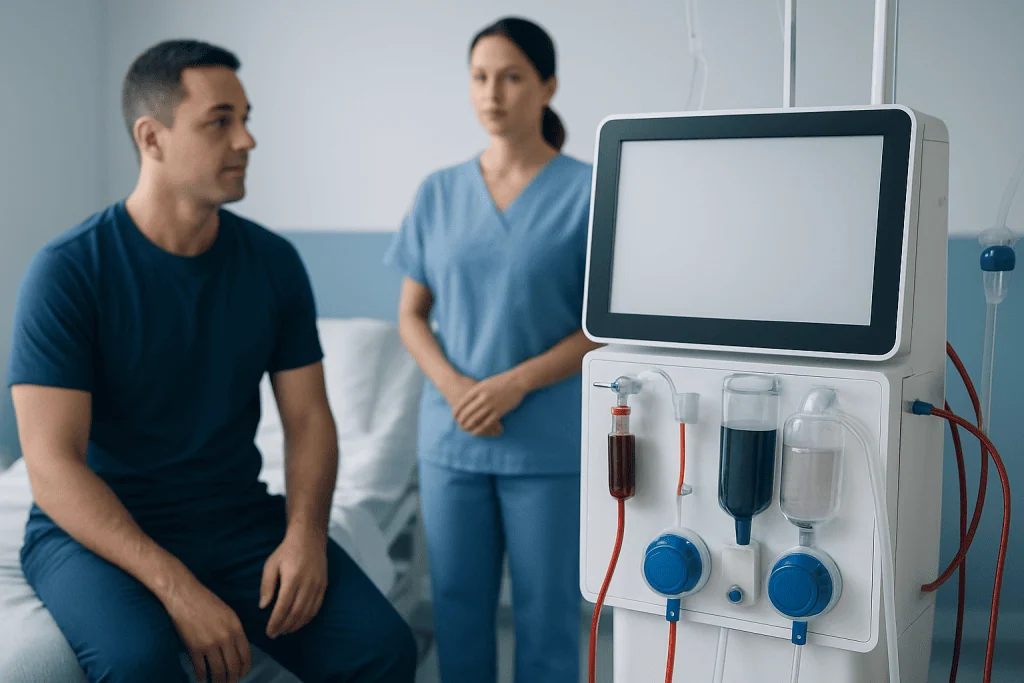
In a living donor kidney transplant, the donor is a living adult who is medically and psychologically assessed to confirm that donation is safe and appropriate. The donor may be a relative, spouse, friend, or sometimes a compatible altruistic donor. Because one healthy kidney is usually enough for normal life, selected donors can continue to live healthy lives after recovery.
One important advantage of living donation is timing. Since the donor and recipient can be evaluated ahead of time, surgery can often be scheduled before the recipient becomes more unwell. In some cases, transplant may even happen before dialysis is needed, which is called a preemptive transplant.
Living donor kidneys also usually spend less time outside the body before transplantation. This may help the kidney start working sooner after surgery. Because the process is planned, the recipient and donor can prepare physically and emotionally, arrange support at home, and reduce some of the uncertainty that comes with waiting for an organ offer.
Even so, living donation is not suitable in every situation. A willing donor may not be medically eligible, or testing may show incompatible blood type or immune matching. In some centers, paired exchange programs can help match donors and recipients when direct donation is not possible.
How a Deceased Donor Kidney Transplant Differs

In a deceased donor kidney transplant, the kidney comes from a person who has died and whose family consent or prior donor registration allows organ donation. These kidneys are allocated according to established medical and ethical systems that aim to balance urgency, compatibility, and fairness.
The main challenge with deceased donation is waiting time. Patients are usually placed on a transplant waiting list after a thorough evaluation, and the timing of an organ offer is unpredictable. Some patients wait months or years, depending on factors such as blood type, sensitization, medical urgency, and local organ availability.
When a suitable kidney becomes available, the patient may be contacted at short notice and asked to come to the hospital quickly. This means the transplant process is less predictable than living donation. The kidney may also spend longer in transport and preservation before implantation, which can affect how quickly it begins working after surgery.
Despite these challenges, deceased donor transplantation remains a highly important and effective treatment. Many patients do not have a suitable living donor, and a deceased donor transplant can still offer freedom from dialysis and meaningful improvement in daily life and health.
Benefits and Considerations of Each Option
Comparing living donor vs deceased donor kidney transplant often starts with practical and medical differences. Living donor transplantation may offer shorter waiting times, more flexible scheduling, and the possibility of earlier transplantation. Deceased donor transplantation is essential for people who do not have a living donor or prefer not to ask someone to donate.
From a clinical perspective, living donor kidneys often begin functioning sooner and may perform well over time. However, every transplant is unique, and outcomes also depend on the recipient’s overall health, immune factors, surgical recovery, and adherence to follow-up care. A deceased donor kidney can also function very successfully for many years.
There are also emotional and ethical considerations. Some recipients feel comfortable accepting a kidney from a loved one, while others worry about the donor’s health or feel emotional pressure. Living donors are evaluated independently so that consent is informed and voluntary. In deceased donation, recipients do not face the same direct relationship dynamics, but they may experience stress related to waiting and uncertainty.
For many patients, the best path is the one that is both medically appropriate and personally manageable. Discussions with nephrologists, transplant surgeons, coordinators, and counselors can help patients understand whether kidney transplant from a living or deceased donor is the right route for their situation.
Evaluation, Matching, and Surgery
Before any kidney transplant, the recipient undergoes a detailed evaluation. This usually includes blood tests, imaging, heart and lung assessment, infection screening, and a review of other medical conditions. The goal is to confirm that transplantation is safe and that the patient is likely to benefit from it.
Matching is also important. Blood type compatibility, tissue typing, and crossmatch testing help estimate the risk that the immune system will reject the kidney. In living donation, this testing happens before surgery can be scheduled. In deceased donation, matching occurs rapidly when an organ becomes available.
The transplant operation itself places the donor kidney into the lower abdomen. In most cases, the patient’s own kidneys are left in place unless there is a special reason to remove them. The new kidney is connected to blood vessels and the bladder so it can filter blood and produce urine.
After surgery, close monitoring is essential. Some kidneys work immediately, while others take time to recover. Patients need anti-rejection medicines, regular blood tests, and follow-up visits. Teams also monitor for infection, rejection, surgical complications, and recurrence of underlying kidney failure-related problems.
Recovery and Long-Term Care
Recovery after kidney transplant differs from person to person, but both living donor and deceased donor recipients usually spend time in the hospital for monitoring. Doctors watch kidney function, urine output, fluid balance, and early signs of complications. Recovery often includes gradual increases in walking, careful wound care, and adjustments to medication.
Long-term success depends not only on the surgery itself but also on consistent aftercare. Anti-rejection medicines must be taken exactly as prescribed, often for life. Missing doses can increase the risk of rejection, even when the patient feels well.
Healthy lifestyle habits also support the transplanted kidney. Patients are usually advised to stay hydrated as directed, follow a balanced diet, avoid smoking, maintain a healthy weight, and keep blood pressure and blood sugar under control. Regular follow-up with transplant specialists remains important even years after the operation.
If problems arise, they should be reported early. Symptoms such as fever, reduced urine output, new swelling, pain over the transplant area, or sudden weight gain may need medical review. In complex cases, supportive services such as nephrology care and urology assessment may be part of ongoing management.
Who May Be a Candidate and When to Seek Specialist Advice
People with advanced chronic kidney disease or permanent kidney failure may be considered for transplantation if they are healthy enough for surgery and long-term immunosuppressive treatment. Suitability depends on many factors, including heart health, active infections, cancer history, and the cause of kidney disease. A specialist team can explain whether transplantation is likely to be safer and more beneficial than continued dialysis.
Someone considering a living donor transplant should speak openly with the transplant team about donor eligibility, compatibility testing, and emotional concerns. Potential donors need their own independent evaluation so that the decision is fully informed and free from pressure. Recipients can also ask about alternatives if a direct donor is not a match.
Specialist advice is also important for anyone already on dialysis who wants to know whether joining the transplant waiting list is appropriate. In many cases, early referral gives more time for testing, treatment of reversible issues, and planning. This can make the process smoother if a living donor becomes available or if a deceased donor kidney is offered.
Near the end of the decision-making process, some patients seek care at experienced international centers. Acibadem International’s multidisciplinary specialists and JCI-accredited hospitals evaluate and treat kidney transplant candidates, including international patients, with coordinated preoperative and postoperative care.
Frequently asked questions
Is a living donor kidney transplant better than a deceased donor kidney transplant?
A living donor kidney transplant often offers practical advantages such as a shorter wait and planned surgery. However, both types can be successful, and the best choice depends on medical compatibility, donor availability, and the patient’s overall health.
How long do patients usually wait for a deceased donor kidney?
Waiting time varies widely based on blood type, immune matching, region, and organ availability. Some people receive an offer relatively quickly, while others may wait much longer, so the transplant team can give the most relevant guidance.
Can a person live normally with one kidney after donation?
Many carefully selected donors live healthy lives with one kidney. Before donation, they undergo detailed medical testing to help make sure donation is as safe as possible for them in the long term.
What if a family member wants to donate but is not a match?
A direct mismatch does not always end the possibility of living donation. Some transplant programs offer paired exchange or other matching approaches that may allow donation through a compatible donor-recipient swap.
Will anti-rejection medicines be needed after both types of transplant?
Yes. After either a living donor or deceased donor kidney transplant, patients usually need lifelong anti-rejection medicines to help protect the new kidney. These medicines require regular follow-up because doses and side effects must be monitored.
Can a kidney transplant happen before dialysis starts?
Yes, in some cases, especially with living donation. This is called a preemptive transplant and may be considered when kidney function is declining and the patient is otherwise ready for transplantation.
References
- World Health Organization
- National Institute of Diabetes and Digestive and Kidney Diseases
- United Network for Organ Sharing
- National Kidney Foundation
- Kidney Disease: Improving Global Outcomes
This article is for general information only and is not a substitute for professional medical advice. Please consult a qualified doctor about your individual situation.
Kidney Transplant in Turkey — costs, top hospitals & a free quote
JCI-accredited · board-certified surgeons · reply within 24h
Add us as a Preferred Source to see more of our trusted health content across Google Search, AI Overviews and Discover.

Organ Transplantation
Kidney, liver and bone-marrow transplantation programs with dedicated coordination.
4 specialists in this unit