Living With a Chronic Condition: Daily Self-Care and Follow-Up Tips

Daily routines for medicines, sleep, food, movement, and symptom tracking can make chronic conditions easier to manage. Regular follow-up visits help detect changes early and keep treatment plans up to date.
Key Takeaways
- Daily routines for medicines, sleep, food, movement, and symptom tracking can make chronic conditions easier to manage.
- Regular follow-up visits help detect changes early and keep treatment plans up to date.
- Knowing personal triggers, warning signs, and when to seek medical help supports safer self-management.
- Emotional health, social support, and practical planning are important parts of long-term care.
- Self-care does not replace medical treatment; it works best alongside advice from qualified healthcare professionals.
Living with a chronic condition often means making health part of everyday life rather than dealing with a short-term illness. A clear self-care routine, regular medical follow-up, and the right support can help many people stay active, independent, and more confident in managing symptoms.
Overview: What it means to live with a chronic condition
A chronic condition is a health problem that lasts for months or years and usually needs ongoing attention. Examples include diabetes, asthma, high blood pressure, arthritis, heart disease, thyroid disorders, inflammatory bowel disease, and many others. Some conditions can be cured, but many are managed over time rather than completely eliminated.
Living with a chronic condition often involves more than taking medicine. It may include monitoring symptoms, attending follow-up appointments, adjusting diet or activity, managing stress, and learning how daily habits affect health. For many people, the goal is not only to treat the disease but also to maintain quality of life, independence, and emotional well-being.
Symptoms and needs can change over time. A person may feel well for long periods and still benefit from regular review, because some chronic illnesses can progress quietly. A structured approach to self-care can help reduce uncertainty and make day-to-day decisions easier.
Building a daily self-care routine
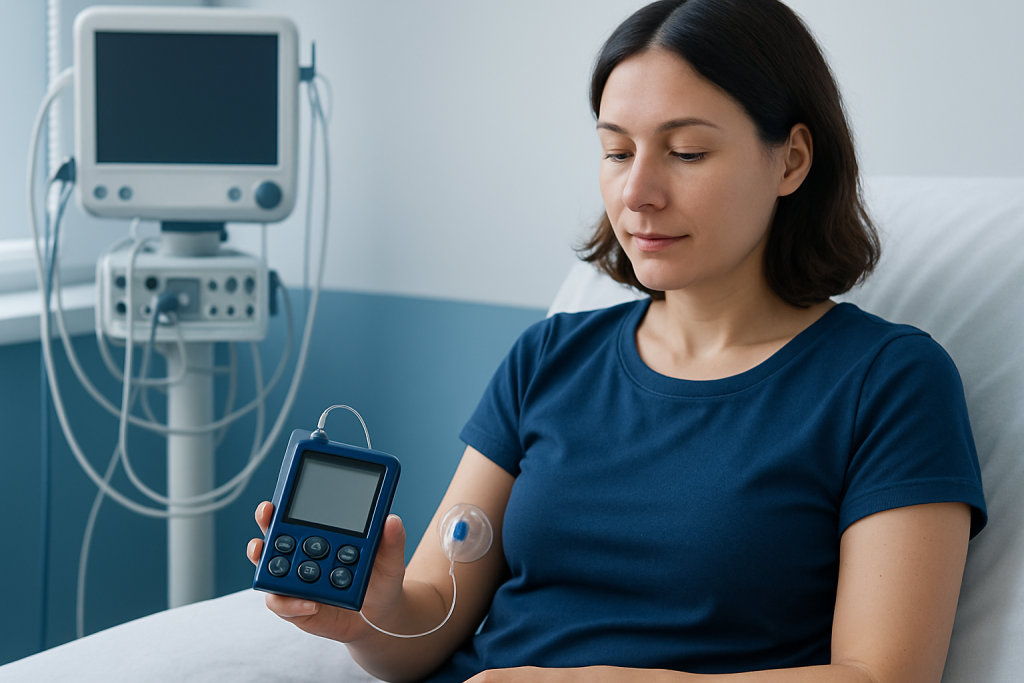
A simple, realistic routine is often the foundation of long-term disease management. Helpful habits may include taking medicines at the same time each day, drinking enough fluids when appropriate, planning balanced meals, staying physically active within personal limits, and keeping a regular sleep schedule. Small steps are often easier to maintain than major changes.
Many people find it useful to keep health tasks in one place, such as a phone app, calendar, notebook, or pill organizer. Tracking symptoms, energy levels, sleep, blood pressure, blood sugar, weight, pain, breathing, or bowel habits can reveal patterns that are not obvious from memory alone. This information can also make medical visits more productive.
Daily self-care should also include practical planning. This may mean refilling prescriptions before they run out, carrying a list of medicines, keeping emergency contact numbers available, and knowing what to do if symptoms suddenly worsen. A good routine supports both physical health and peace of mind.
- Set reminders for medicines and appointments.
- Track symptoms and triggers consistently.
- Prepare meals and activity plans ahead when possible.
- Keep important health documents organized.
Managing symptoms, medicines, and triggers

Chronic conditions often have symptoms that fluctuate. Pain, breathlessness, fatigue, digestive upset, stiffness, swelling, skin changes, or mood changes may come and go. Learning what is usual for the individual and what feels different is an important self-care skill. Over time, many people become better at recognizing early signs of a flare, relapse, or complication.
Medicines can play a central role in controlling symptoms and preventing complications. It is important to take them as prescribed and to discuss side effects, costs, difficulty remembering doses, or concerns about long-term use with a doctor or pharmacist. Stopping treatment without medical advice may worsen some conditions, even if symptoms seem improved.
Triggers vary depending on the condition. They may include certain foods, infections, allergens, stress, poor sleep, smoking, alcohol, dehydration, overexertion, or missed medication. Identifying personal triggers can help prevent avoidable flare-ups. However, self-management should remain flexible, because triggers are not always the same from person to person.
If treatment becomes less effective, or symptoms start to interfere more with daily life, a medical review is usually needed. Adjustments may include new tests, a change in medicines, referral to another specialist, or supportive care such as physical therapy and rehabilitation to improve strength, mobility, or daily function.
The importance of follow-up care and monitoring
Regular follow-up appointments are a key part of living well with a chronic condition. These visits allow healthcare professionals to review symptoms, assess treatment response, monitor for side effects, and check for complications that may not cause noticeable symptoms at first. They also give patients a chance to ask questions and revisit goals.
The type of monitoring depends on the condition. Some people need blood tests, urine tests, imaging, lung function testing, blood pressure checks, eye exams, or heart rhythm monitoring. Others may need screening for bone health, kidney function, nerve problems, or mental health concerns. Keeping up with follow-up even during stable periods can support earlier intervention if something changes.
Before an appointment, it can help to prepare a short summary of symptoms, recent measurements, new medicines, side effects, and any major life changes. Questions such as whether the condition is stable, whether treatment goals are being met, and what warning signs to watch for can make the visit more useful. If several specialists are involved, sharing information between them is also important to avoid gaps in care.
Lifestyle habits that support long-term health
Healthy lifestyle choices do not replace medical treatment, but they can strengthen it. For many chronic conditions, eating patterns rich in vegetables, fruits, whole grains, lean protein, and healthy fats can support energy and overall health. Some people may need specific dietary adjustments, such as lowering salt, limiting added sugar, avoiding trigger foods, or following a plan tailored to digestive, kidney, or metabolic needs.
Regular movement is also valuable. The right type and amount of activity depends on the diagnosis, age, symptoms, and fitness level. Walking, stretching, strength exercises, balance work, and low-impact activities can often be adapted safely. People with pain, joint problems, or physical limitations may benefit from professional guidance before starting a new exercise routine.
Sleep and stress management are sometimes overlooked but can strongly affect symptoms. Poor sleep may worsen pain, concentration, blood sugar control, immune function, and mood. Stress can trigger flare-ups in some conditions and make self-care harder to maintain. Relaxation techniques, social connection, counseling, and gentle activity may all help.
Avoiding tobacco is one of the most important steps for overall health. Limiting alcohol, staying up to date with recommended vaccines, and following advice for weight management can also reduce complications. For some people, structured support from services such as nutrition and diet may be a helpful part of long-term care.
Emotional well-being, work, family, and daily life
Chronic illness can affect more than the body. It may influence mood, confidence, relationships, work, finances, and future plans. It is common to feel frustrated, tired, anxious, or discouraged at times, especially if symptoms are unpredictable. These feelings are understandable and do not mean a person is coping poorly.
Emotional support can come from family, friends, patient groups, counselors, psychologists, social workers, or spiritual care if desired. Talking openly about needs can make daily life easier, whether that means asking for practical help, flexible scheduling, or simply understanding from others. Some people also find it useful to explain their condition in simple terms to employers or teachers when appropriate.
Planning ahead can reduce stress. This may include scheduling rest periods, carrying snacks or medicines, knowing the nearest medical facility when traveling, and making a plan for workdays when symptoms are worse. If mental health symptoms become persistent, professional support matters just as much as physical treatment. In some cases, coordinated care that includes psychological support can improve both coping and symptom management.
When to contact a doctor and getting the right support
Many chronic conditions have times when self-care is enough and times when medical help is needed. A doctor should be contacted if symptoms suddenly worsen, become more frequent, do not respond to usual treatment, or begin to limit normal activities more than before. New symptoms should also be assessed, especially if they are unexplained or persistent.
Urgent medical attention may be needed for severe breathlessness, chest pain, fainting, signs of stroke, heavy bleeding, severe dehydration, confusion, high fever, or an allergic reaction. The exact warning signs depend on the condition, so it is helpful to ask the healthcare team for a written action plan. Knowing in advance what is urgent can reduce delay and uncertainty.
Long-term care often works best when different professionals collaborate. Depending on the diagnosis, support may come from primary care doctors, specialists, nurses, pharmacists, dietitians, physiotherapists, and mental health professionals. At the appropriate stage, some people may need specialist input in areas such as cardiology care or endocrinology evaluation as part of a broader management plan.
For international patients seeking coordinated assessment and treatment, Acibadem International offers multidisciplinary care through JCI-accredited hospitals. Even so, ongoing follow-up close to home remains an important part of living with a chronic condition, and any care plan should be reviewed with a qualified doctor.
Frequently asked questions
What is the most important part of living with a chronic condition?
The most important step is consistent, day-to-day management. This usually means following the treatment plan, attending follow-up visits, and building habits that support overall health. A routine that is simple and realistic is more helpful than one that is too difficult to maintain.
How often should follow-up appointments happen?
The timing depends on the specific condition, how stable it is, and what treatments are being used. Some people need frequent reviews, while others may only need periodic monitoring. A doctor can recommend a schedule based on symptoms, test results, and risk of complications.
Can lifestyle changes really help a chronic disease?
Yes, lifestyle changes can make a meaningful difference for many chronic conditions. Healthy eating, regular physical activity, good sleep, stress management, and avoiding tobacco can improve symptom control and lower the risk of complications. These steps work best when combined with medical care, not used instead of it.
What should be tracked at home?
Useful tracking depends on the diagnosis but may include symptoms, medicine use, blood pressure, blood sugar, weight, pain levels, breathing symptoms, sleep, or possible triggers. Keeping notes on changes over time can help identify patterns and make appointments more productive. It is best to ask a healthcare professional which measures are most important.
How can someone remember medicines and self-care tasks?
Many people benefit from phone reminders, pill organizers, written schedules, or linking tasks to daily habits such as meals or brushing teeth. Keeping medicines visible in a safe place and planning refills early can also help. If treatment feels too complicated, a pharmacist or doctor may be able to simplify the routine.
Is it normal to feel emotionally overwhelmed by a chronic illness?
Yes, it is very common to feel stressed, sad, anxious, or frustrated at times. Chronic illness can affect routines, relationships, work, and future plans, so emotional reactions are understandable. If these feelings become persistent or interfere with daily life, professional mental health support can be very helpful.
References
- World Health Organization
- Centers for Disease Control and Prevention
- National Institutes of Health
- NHS
- American Heart Association
This article is for general information only and is not a substitute for professional medical advice. Please consult a qualified doctor about your individual situation.
Persistent digestive symptoms? Get evaluated in Turkey
JCI-accredited · board-certified surgeons · reply within 24h
Add us as a Preferred Source to see more of our trusted health content across Google Search, AI Overviews and Discover.
Check your numbers in seconds
BMI, calories, due date, blood pressure and 30+ more clinical calculators — free, instant, doctor-reviewed ranges.