Living With a Digestive Motility Disorder: Daily Tips for Eating, Symptoms, and Follow-Up

Digestive motility disorders affect how food moves through the digestive tract and can cause nausea, bloating, pain, constipation, or diarrhea. Smaller, more frequent meals and individualized food choices often help reduce symptoms.
Key Takeaways
- Digestive motility disorders affect how food moves through the digestive tract and can cause nausea, bloating, pain, constipation, or diarrhea.
- Smaller, more frequent meals and individualized food choices often help reduce symptoms.
- Hydration, gentle movement, stress management, and symptom tracking can support daily symptom control.
- Diagnosis and treatment depend on which part of the digestive tract is affected and whether an underlying condition is present.
- Regular follow-up is important to monitor nutrition, medication response, and changes in symptoms.
Living with a digestive motility disorder often means adjusting eating habits, tracking symptoms, and staying in regular contact with a healthcare team. With the right plan, many people can reduce discomfort, support nutrition, and better manage day-to-day life.
Overview
A digestive motility disorder is a condition in which the muscles and nerves of the digestive tract do not move food, liquid, and waste in the usual coordinated way. This process, called motility, is essential for swallowing, stomach emptying, movement through the intestines, and bowel function. When motility is too slow, too fast, or poorly coordinated, a person may develop ongoing digestive symptoms that affect comfort, nutrition, and quality of life.
Motility disorders can involve different parts of the digestive system. Some people have problems mainly in the esophagus, which can lead to trouble swallowing. Others have delayed stomach emptying, as in gastroparesis, or bowel motility problems that cause constipation, bloating, cramping, or unpredictable bowel habits. Symptoms may be mild and occasional, or more persistent and disruptive.
These disorders are often managed over time rather than solved with a single treatment. Daily care usually includes meal planning, symptom monitoring, medicines when needed, and routine follow-up. A personalized approach is important because the same foods or habits that help one person may not help another.
Common Symptoms in Daily Life
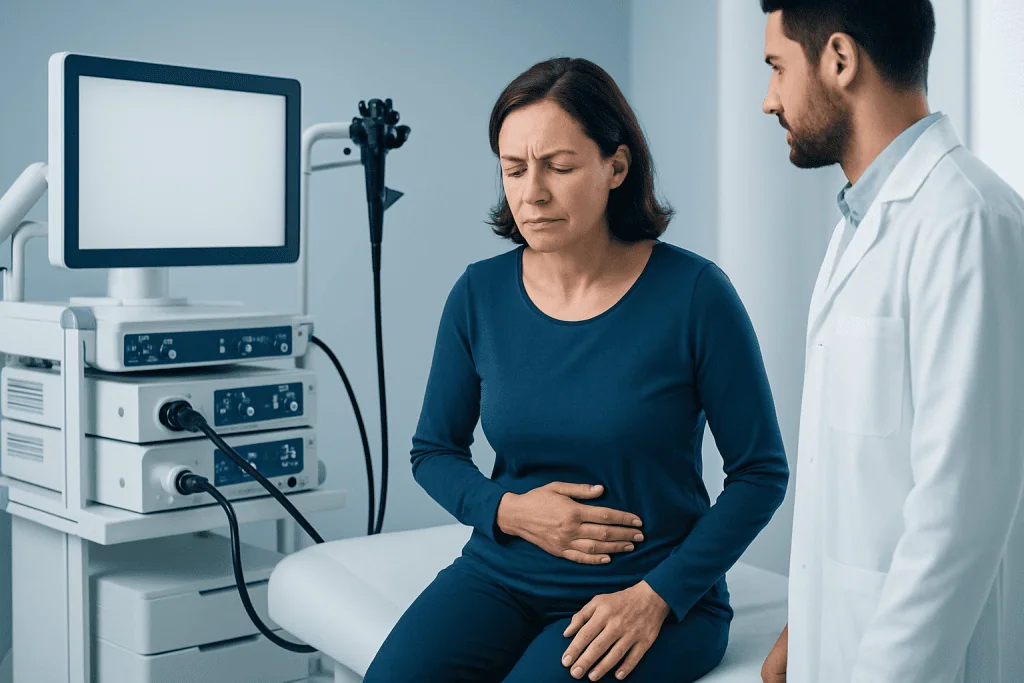
The symptoms of a digestive motility disorder depend on where the movement problem occurs. Upper digestive tract symptoms may include early fullness, nausea, vomiting, heartburn, regurgitation, or discomfort after eating only a small amount. Lower digestive tract symptoms may include constipation, diarrhea, abdominal pain, bloating, gas, or the feeling that the bowel does not empty completely.
Many people notice that symptoms change from day to day. A meal that feels manageable one day may cause bloating or nausea on another. Stress, sleep disruption, dehydration, hormonal changes, illness, and changes in routine can all affect gut function. Because symptoms can fluctuate, it is often helpful to look for patterns rather than focusing on a single difficult day.
Living with these symptoms may also affect appetite, social eating, work, travel, and emotional well-being. Some people begin to avoid meals because they expect discomfort afterward. Others worry about being far from a restroom or not being able to finish a meal. These concerns are understandable and should be part of the treatment discussion, because successful care includes both physical symptoms and quality of life.
Causes and Risk Factors
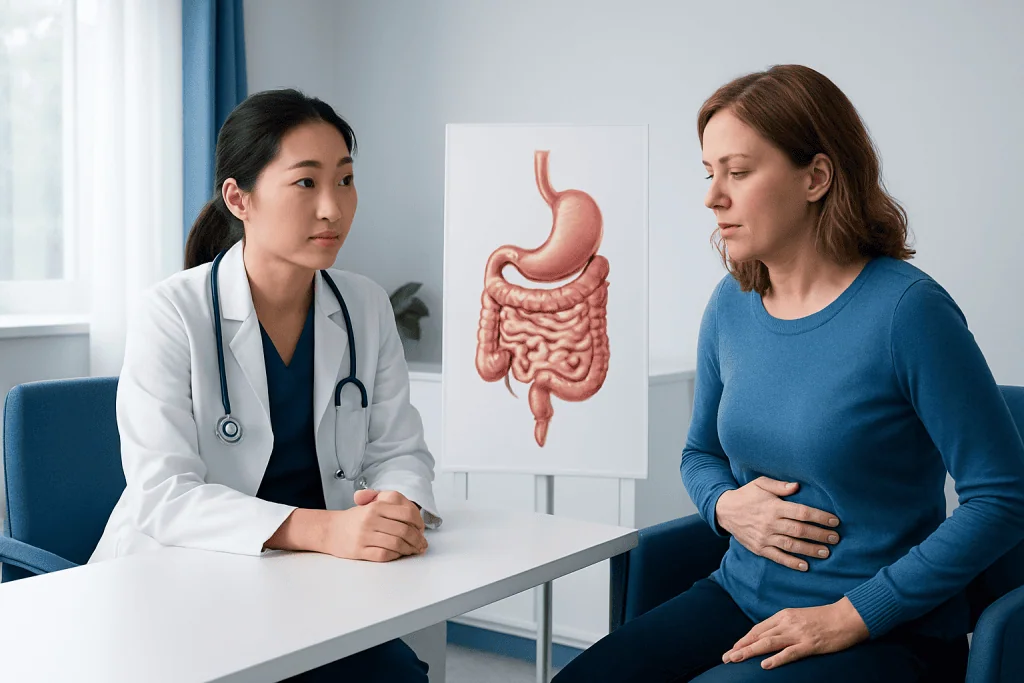
Digestive motility disorders can happen for many reasons. In some people, the cause is linked to nerve or muscle dysfunction in the gastrointestinal tract. In others, motility changes are associated with conditions such as diabetes, connective tissue disorders, thyroid disease, prior abdominal surgery, certain neurologic diseases, or infections that seem to trigger lingering gut symptoms. Some medications can also slow or alter digestive movement.
Not every person has a clear explanation. Sometimes testing shows a motility problem even when routine blood work and imaging are otherwise normal. This does not make the symptoms less real. It simply means the digestive tract may not be functioning normally at a muscular or nerve-signaling level, which can be harder to identify without specialized evaluation.
Risk factors vary by condition, but can include longstanding diabetes, opioid use, autoimmune disease, previous gastrointestinal surgery, and a history of disorders such as irritable bowel syndrome. Because motility symptoms can overlap with other digestive conditions, a careful assessment is important before deciding on a treatment plan.
Daily Eating and Self-Care Tips
Eating habits often play a central role in symptom control. Many people do better with smaller, more frequent meals instead of a few large ones. Eating slowly, chewing well, and avoiding lying down soon after meals may reduce upper digestive symptoms. If fullness or nausea is a major issue, softer foods or liquids may be easier to tolerate than large solid meals. A registered dietitian can help create a plan that supports nutrition while respecting symptom limits.
Food triggers are highly individual, but some people find that very fatty meals, heavily fried foods, large portions, carbonated drinks, alcohol, or very high-fiber foods worsen symptoms. Others may be more bothered by spicy foods, dairy, or gas-producing vegetables. Rather than eliminating many foods at once, it is often more useful to keep a food and symptom diary and review it with a clinician.
Hydration matters, especially if nausea, vomiting, diarrhea, or poor intake is present. Sipping fluids regularly through the day may be easier than drinking large amounts at once. Gentle physical activity, such as a short walk after meals, may support bowel movement and improve bloating for some people. Stress management can also help, because the brain and gut are closely connected.
- Choose small, frequent meals when large meals trigger symptoms.
- Eat slowly and stop before becoming overly full.
- Track foods, meal timing, and symptoms to identify patterns.
- Stay hydrated with regular small sips of fluid.
- Ask about nutrition support if weight loss or poor intake develops.
How Doctors Diagnose Motility Problems
Diagnosis usually begins with a detailed medical history and physical examination. A doctor will ask about symptom timing, bowel habits, swallowing, appetite, weight changes, medications, and any health conditions that may affect the nerves or muscles of the digestive tract. Blood tests or standard imaging may be used to look for dehydration, inflammation, anemia, thyroid problems, or other possible contributors.
Because motility disorders can mimic other conditions, additional testing may be needed to rule out a blockage, ulcer disease, inflammation, or structural problems. Depending on the symptoms, this may include endoscopy, colonoscopy, or imaging studies. If these do not explain the symptoms, specialized motility tests may be recommended to measure how the digestive tract works in real time.
Examples of specialized evaluation can include gastric emptying studies for suspected delayed stomach emptying, esophageal manometry for swallowing problems, and tests that assess colonic or anorectal function in chronic constipation. Some patients may benefit from a gastroenterology check-up or more targeted advanced gastrointestinal endoscopy when symptoms are complex or persistent. The goal is to match treatment to the specific motility pattern rather than relying on symptoms alone.
Treatment Options and Follow-Up Care
Treatment depends on the affected part of the digestive tract, symptom severity, nutritional status, and whether an underlying condition can be treated. Management often includes a combination of diet changes, medications, and care for related problems such as reflux, constipation, pain, nausea, or dehydration. Some medicines are used to support digestive movement, while others reduce symptoms or help regulate bowel function.
For some people, treatment also includes pelvic floor therapy, behavior-based approaches for the gut-brain connection, or procedures when symptoms do not respond to conservative care. If swallowing, severe weight loss, repeated vomiting, or marked constipation is present, more advanced evaluation may be needed. In selected cases, support from clinical nutrition specialists can be especially helpful to protect overall health and prevent deficiencies.
Regular follow-up is a key part of living well with a motility disorder. Appointments help the care team monitor weight, hydration, bowel patterns, medication side effects, and any new warning signs. They also give patients a chance to fine-tune eating strategies and discuss changes in daily function. Near the end of the care pathway, some people may choose centers such as Acibadem International, where multidisciplinary specialists in JCI-accredited hospitals evaluate and treat digestive motility conditions for international patients.
When to Seek Medical Advice
Persistent digestive symptoms deserve medical attention, especially when they interfere with normal eating, hydration, sleep, or daily activity. A doctor should review symptoms that continue for weeks, keep returning, or are getting worse. This is particularly important if a person has diabetes, a neurologic condition, a history of digestive surgery, or unexplained weight changes.
More urgent assessment is important if there is repeated vomiting, inability to keep fluids down, signs of dehydration, severe abdominal swelling, black stools, blood in the stool, chest pain with swallowing, or progressive difficulty swallowing. Sudden severe abdominal pain should also be assessed promptly, as it may point to a condition other than a motility disorder.
Even when symptoms seem familiar, new patterns should not be ignored. A flare that lasts longer than usual, a significant drop in appetite, or reduced response to usual treatment may mean the plan needs to be adjusted. Early review can help prevent complications and support better day-to-day symptom control.
Frequently asked questions
What is a digestive motility disorder?
A digestive motility disorder is a problem with how the muscles and nerves move food and waste through the digestive tract. It can affect the esophagus, stomach, small intestine, colon, or rectum, leading to symptoms such as nausea, bloating, constipation, diarrhea, or trouble swallowing.
Can diet really make a difference in motility symptoms?
Yes, diet often plays an important role in symptom management. Many people feel better with smaller meals, slower eating, and avoiding foods that consistently trigger symptoms, but the best plan is highly individual and should ideally be guided by a doctor or dietitian.
Are digestive motility disorders the same as IBS?
Not exactly. Irritable bowel syndrome can overlap with motility-related symptoms, but a motility disorder usually refers more specifically to abnormal movement or coordination in the digestive tract. A doctor may need tests to tell these conditions apart.
How do doctors test for a motility disorder?
Doctors often start with a history, examination, and basic tests to rule out other causes. If needed, they may order specialized studies such as gastric emptying tests, esophageal manometry, or tests that measure colon or rectal function.
When should someone worry about weight loss or poor appetite?
Ongoing weight loss, poor appetite, repeated vomiting, or dehydration should be discussed with a doctor promptly. These can signal that symptoms are affecting nutrition or that a more serious issue needs evaluation.
Can stress make digestive motility symptoms worse?
Yes, stress can worsen digestive symptoms in many people because the brain and gut communicate closely. Stress reduction does not mean symptoms are psychological; it means emotional and physical factors can both influence how the gut functions.
References
- National Institute of Diabetes and Digestive and Kidney Diseases
- American College of Gastroenterology
- National Institute for Health and Care Excellence
- International Foundation for Gastrointestinal Disorders
- American Gastroenterological Association
This article is for general information only and is not a substitute for professional medical advice. Please consult a qualified doctor about your individual situation.
Persistent digestive symptoms? Get evaluated in Turkey
JCI-accredited · board-certified surgeons · reply within 24h
Add us as a Preferred Source to see more of our trusted health content across Google Search, AI Overviews and Discover.