Living With Cancer Day to Day: Symptoms, Support, and Self-Care
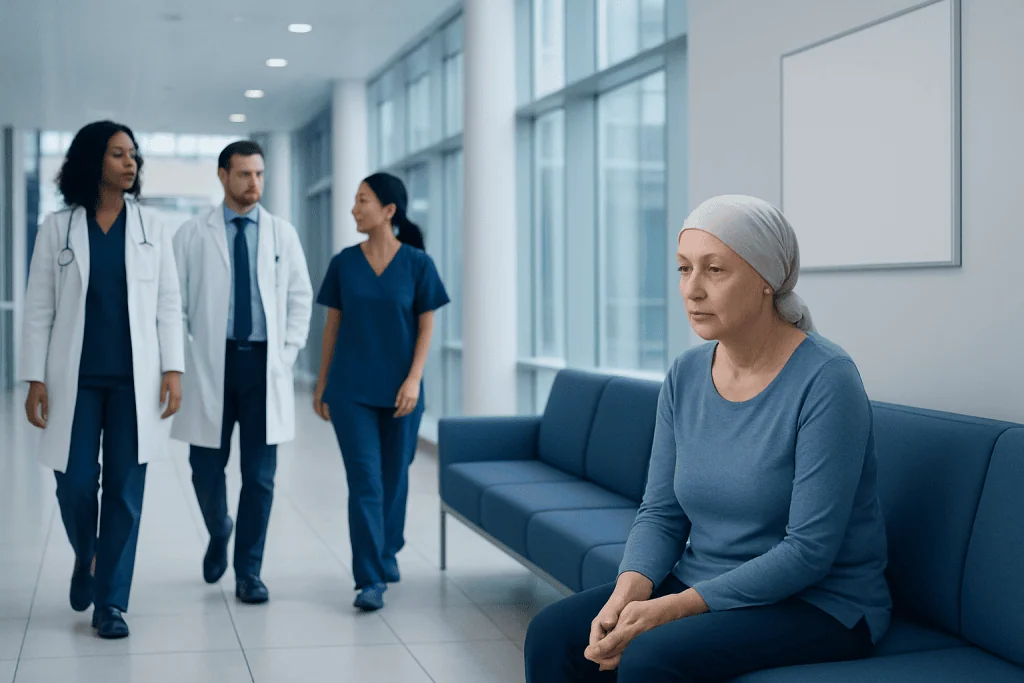
Daily life with cancer often involves managing fatigue, pain, appetite changes, sleep problems, and emotional stress. Support from doctors, nurses, dietitians, mental health professionals, family, and support groups can make daily coping easier.
Key Takeaways
- Daily life with cancer often involves managing fatigue, pain, appetite changes, sleep problems, and emotional stress.
- Support from doctors, nurses, dietitians, mental health professionals, family, and support groups can make daily coping easier.
- Simple self-care habits such as pacing activities, staying nourished, moving gently, and tracking symptoms can help.
- Not every symptom is an emergency, but new, severe, or rapidly worsening symptoms should be assessed promptly.
- Palliative care can be helpful at any stage of cancer to improve comfort and quality of life.
Living with cancer day to day can bring physical, emotional, and practical challenges, but many people find steady ways to adapt and feel more in control. Understanding common symptoms, support options, and self-care habits can help improve comfort, safety, and quality of life during and after treatment.
Overview: What Daily Life With Cancer Can Feel Like
Living with cancer day to day is different for every person. Some people are newly diagnosed and adjusting to uncertainty, while others are in active treatment, recovery, remission, or living with advanced cancer over time. Daily life may change because of symptoms from the cancer itself, side effects of treatment, changes in energy, and the emotional impact of facing a serious illness.
Many people find that routines need to be adjusted rather than completely abandoned. Work, family responsibilities, eating habits, sleep, exercise, and social life may all need more flexibility. It can help to focus on small, realistic goals each day, such as eating regularly, taking a short walk, resting before becoming overtired, or keeping track of symptoms to discuss with the care team.
Supportive care is an important part of cancer care. This includes symptom relief, emotional support, rehabilitation, nutrition guidance, and practical help. In many cases, people benefit from medical oncology care alongside supportive services that are tailored to their diagnosis, treatment plan, and personal needs.
Common Symptoms and Everyday Challenges
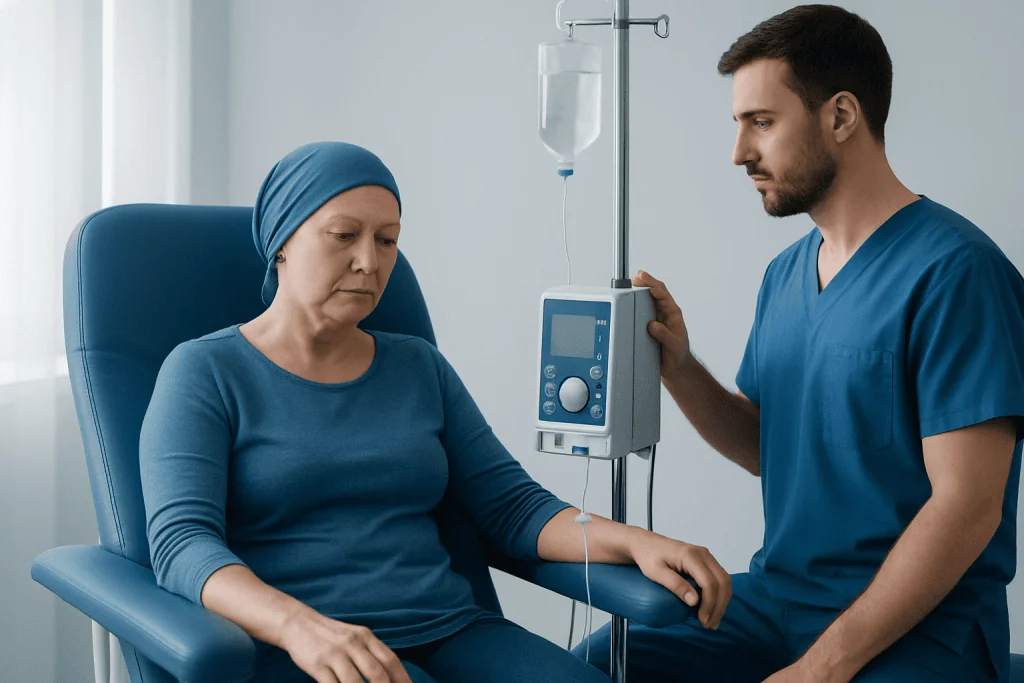
Cancer and its treatments can affect the whole body. Fatigue is one of the most common concerns and is often more intense than usual tiredness. It may not fully improve with sleep and can make simple tasks feel demanding. Pain, nausea, constipation, diarrhea, loss of appetite, weight changes, shortness of breath, numbness or tingling, and changes in taste are also common, depending on the type of cancer and treatment used.
Emotional symptoms are just as real as physical ones. Anxiety, fear, sadness, frustration, and difficulty concentrating are common. Some people worry constantly before test results or treatment appointments. Others feel isolated because friends and family do not fully understand what daily life feels like. Sleep problems can make both physical and emotional symptoms harder to manage.
Daily function may also be affected in practical ways. People may need help with transportation, childcare, meals, finances, or work planning. Keeping a notebook or digital record of symptoms, questions, medications, and appointments can make day-to-day management easier and help the care team respond more effectively.
- Fatigue and weakness
- Pain or discomfort
- Nausea and appetite changes
- Bowel changes such as constipation or diarrhea
- Sleep disturbance
- Anxiety, low mood, or emotional distress
Why Symptoms Happen: Cancer, Treatment, and Risk Factors
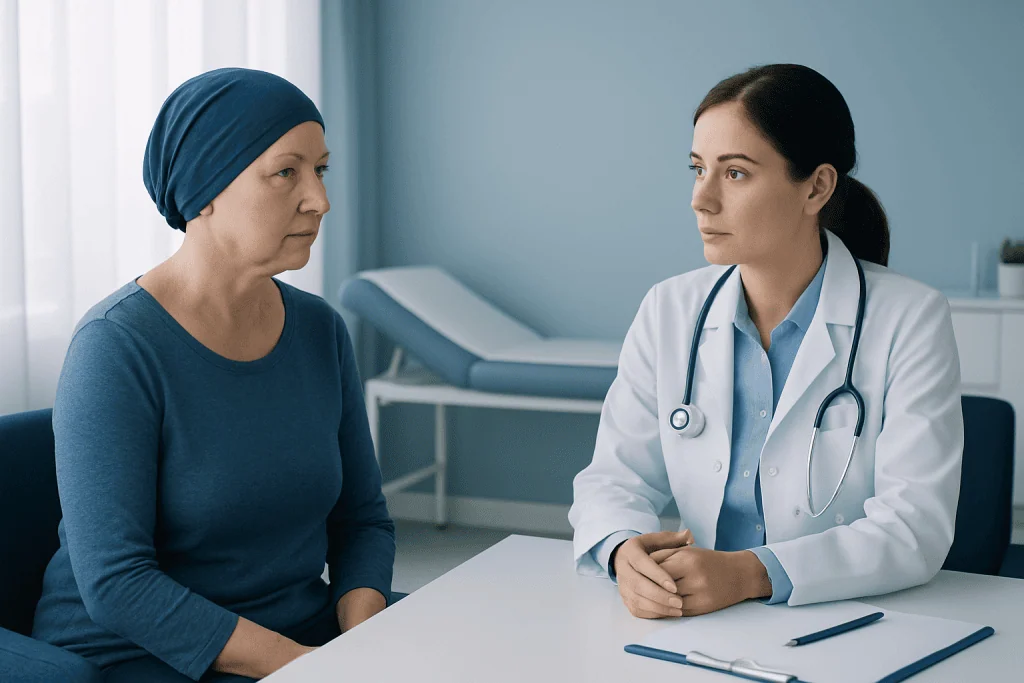
Day-to-day symptoms may come from several sources. The cancer itself can affect organs, nerves, blood counts, and metabolism. Tumors may cause pain, pressure, bleeding, obstruction, or breathing problems depending on where they are located. In some people, symptoms are mild at first and become more noticeable over time; in others, treatment side effects are the main challenge.
Treatments such as surgery, chemotherapy, targeted therapy, immunotherapy, radiation therapy, and hormone therapy can each cause different side effects. For example, chemotherapy may affect energy levels, appetite, digestion, and immunity, while radiation can irritate the treated area. Surgery may require a recovery period with limits on mobility and activity. Symptom patterns often depend on the cancer type, treatment schedule, age, general health, and any existing medical conditions.
Certain people may need closer day-to-day monitoring. This includes older adults, people with poor nutrition, those who live alone, and those with conditions such as diabetes, heart disease, or lung disease. Individuals with cancers such as lung cancer or breast cancer may also face concerns specific to the organs involved or the treatments commonly used for those cancers. Understanding the likely side effects in advance helps people prepare and seek help earlier.
How Doctors Assess Symptoms and Quality of Life
Regular assessment is a key part of living with cancer safely. Doctors and nurses usually ask about pain, fatigue, eating, sleep, mood, bowel habits, breathing, and the ability to carry out daily tasks. Blood tests, imaging, and physical examinations may be used to understand whether symptoms are related to treatment effects, infection, dehydration, anemia, disease progression, or another cause that needs treatment.
People are often encouraged to report symptoms early rather than waiting for the next appointment. Even symptoms that seem minor can become more difficult if they are ignored. For example, poor appetite can lead to weight loss and weakness, while constipation can become severe if it is not addressed. Early adjustments in medication, hydration, diet, or treatment timing may prevent bigger problems later.
Quality of life is also part of the assessment. This includes emotional wellbeing, independence, social support, memory, and personal goals. Some people want to stay active at work; others may prioritize comfort, sleep, or time with family. When the care team understands these priorities, treatment and supportive care can be better aligned with the person’s daily life.
Treatment and Support Options for Day-to-Day Living
Managing daily life with cancer often requires a combination of cancer treatment and supportive care. Symptom relief may include medicines for pain, nausea, constipation, diarrhea, anxiety, or sleep problems, as well as fluids, nutritional support, rehabilitation, and counseling. Palliative care is sometimes misunderstood, but it is not only for end-of-life care. It can be introduced at any stage to improve comfort, function, and quality of life alongside cancer treatment.
Some people may need more than one specialist to manage their symptoms well. Depending on the diagnosis, treatment may involve radiation oncology, chemotherapy, surgery, or supportive therapies such as pain management and physiotherapy. Dietitians can help with appetite loss, swallowing problems, taste changes, and weight maintenance. Psychologists, psychiatrists, or oncology social workers can support coping, relationships, and practical planning.
Family and caregiver support matters too. Caregivers often help with meals, transport, medications, and emotional reassurance. Clear communication about what kind of help is needed can reduce stress for everyone. Near the end of the care pathway, or whenever care becomes more complex, some international patients seek multidisciplinary support at centers such as Acibadem International, where JCI-accredited hospitals provide diagnosis and treatment planning for cancer care.
Self-Care Habits That Can Help
Self-care during cancer does not mean managing alone. It means using practical daily habits to support the treatment plan and protect physical and emotional wellbeing. Rest is important, but complete inactivity can sometimes worsen weakness and low mood. Many people feel better with gentle movement such as short walks, stretching, or guided exercise if their doctor says it is safe.
Nutrition and hydration are also central. Small, frequent meals may be easier than large meals, especially when appetite is low or nausea is present. Soft foods, high-protein snacks, and sipping fluids through the day may help maintain strength. Good mouth care can make eating more comfortable if treatment causes soreness or dry mouth. People should ask the care team before taking supplements or herbal products, because some may interfere with treatment.
Emotional self-care matters as well. Helpful strategies include relaxation exercises, short periods outdoors, journaling, prayer or meditation, counseling, and regular contact with trusted friends or family. Many people find it useful to create a simple daily routine with planned meals, medicines, rest, and light activity. Symptom tracking can also help identify patterns and make appointments more productive.
- Balance activity with planned rest
- Eat small, nourishing meals and stay hydrated
- Keep a symptom and medication diary
- Protect sleep with a regular routine
- Accept practical help from others
- Discuss any new supplements or remedies with a doctor
When to See a Doctor Urgently
Some symptoms should be reported promptly because they may need urgent treatment. A fever during cancer treatment can sometimes be a sign of infection, especially if immunity is low. Severe shortness of breath, chest pain, confusion, uncontrolled vomiting, heavy bleeding, new weakness, sudden swelling, or severe dehydration also need quick medical advice. People should follow the emergency instructions given by their oncology team, since these may differ depending on the treatment they are receiving.
It is also important to contact the care team for symptoms that are not emergencies but are getting worse. Examples include pain that is not controlled, inability to eat or drink enough, ongoing diarrhea or constipation, worsening fatigue, new numbness, mouth sores, or a noticeable decline in daily function. Early treatment may prevent hospital visits and help the person stay on track with planned cancer care.
No one should feel that they are bothering the medical team by reporting symptoms. Cancer care works best when communication is open and timely. If it is hard to know whether a symptom is urgent, it is usually safer to ask. Prompt assessment can bring reassurance when the problem is minor and faster treatment when it is not.
Frequently asked questions
Is it normal to feel very tired while living with cancer?
Yes. Fatigue is one of the most common symptoms in people with cancer and may come from the disease, treatment, poor sleep, anemia, emotional stress, or reduced nutrition. It should still be discussed with a doctor, because some causes can be treated.
Can palliative care help even if treatment is still ongoing?
Yes. Palliative care can be offered alongside active cancer treatment to improve comfort, symptom control, and quality of life. It is not limited to end-of-life care and may help with pain, nausea, fatigue, anxiety, and practical planning.
What should someone eat when cancer treatment affects appetite?
Many people do better with small, frequent meals rather than large meals. Protein-rich snacks, soft foods, and regular fluids can help maintain strength, but the best approach depends on symptoms and treatment. A dietitian can give more personalized guidance.
How can family members best support a person living with cancer?
Practical help is often very valuable, such as preparing meals, driving to appointments, organizing medications, or helping with household tasks. Emotional support also matters, and simply listening without trying to solve everything can be reassuring.
When should symptoms be reported to the cancer team?
Symptoms should be reported early, especially if they are new, persistent, or worsening. Fever, severe shortness of breath, chest pain, heavy bleeding, confusion, or uncontrolled vomiting need urgent medical attention.
Is it safe to exercise while living with cancer?
In many cases, gentle physical activity is helpful and safe, but the right level depends on the person's overall condition, cancer type, and treatment. A doctor or physiotherapist can advise on suitable activity, especially after surgery or during intensive treatment.
References
- World Health Organization
- National Cancer Institute
- American Cancer Society
- European Society for Medical Oncology
- National Comprehensive Cancer Network
This article is for general information only and is not a substitute for professional medical advice. Please consult a qualified doctor about your individual situation.
Oncology care in Turkey — second opinion and treatment plan
JCI-accredited · board-certified surgeons · reply within 24h
Add us as a Preferred Source to see more of our trusted health content across Google Search, AI Overviews and Discover.

Medical Oncology Department
Medical treatment of cancer with chemotherapy, immunotherapy and targeted therapies under a multidisciplinary tumor board.
60 specialists in this unitMore from the Health Library



Related Specialists

Dr. Jülide Çeldir Emre
Pulmonology
Kenan Kesgin
Physical Medicine & Rehabilitation
Prof. Dr. S. Sami Kartı
Hematology
Prof. Dr. Çiğdem Ünal Gülmeden
Aesthetic Plastic & Reconstructive Surgery