Living With Neuromuscular Disease: Daily Challenges, Support, and Self-Care
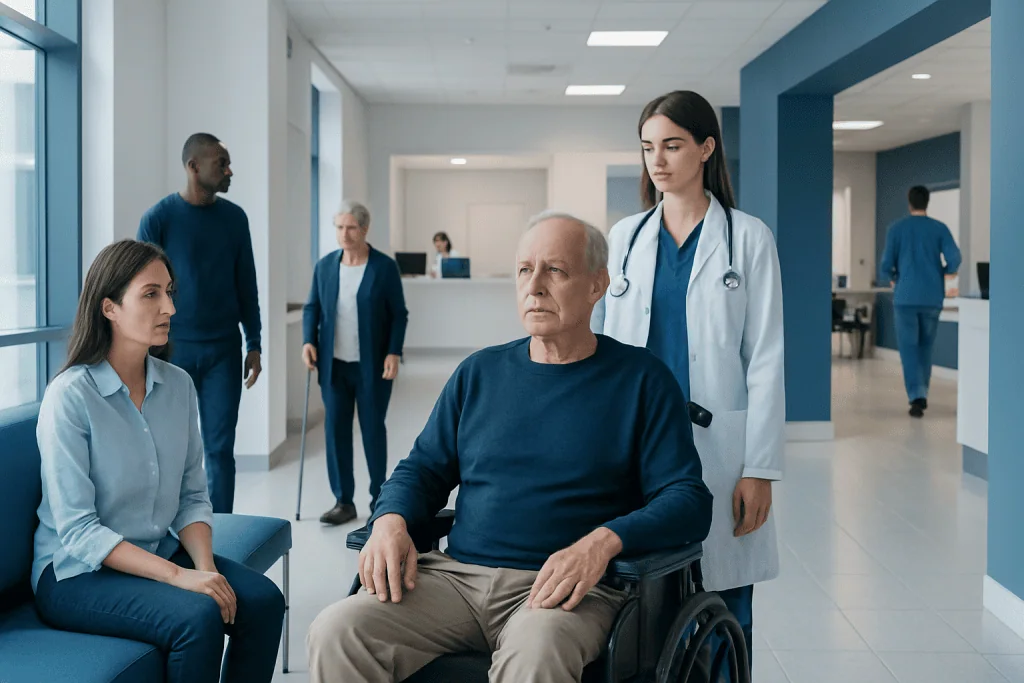
Neuromuscular disease can affect movement, strength, breathing, swallowing, and daily independence. Symptoms and progression vary widely depending on the specific condition and the muscles involved.
Key Takeaways
- Neuromuscular disease can affect movement, strength, breathing, swallowing, and daily independence.
- Symptoms and progression vary widely depending on the specific condition and the muscles involved.
- Treatment usually focuses on symptom control, rehabilitation, assistive devices, and monitoring for complications.
- Energy conservation, home adjustments, nutrition, and emotional support can improve quality of life.
- Regular follow-up with a neurologist and rehabilitation team helps people adapt to changing needs.
Neuromuscular disease is a broad term for conditions that affect the nerves controlling muscles, the muscles themselves, or the connection between them. Living with neuromuscular disease often involves managing weakness, fatigue, mobility changes, and emotional stress, but many people benefit from tailored treatment, rehabilitation, and practical daily support.
Overview: What It Means to Live With Neuromuscular Disease
Neuromuscular disease refers to a group of disorders that affect the muscles, the nerves that control them, or the communication between nerves and muscles. These conditions include muscular dystrophies, motor neuron disorders, peripheral neuropathies, myasthenic disorders, and inherited muscle diseases. Although the causes and course of these conditions differ, many share common effects on strength, mobility, endurance, and everyday activities.
Living with neuromuscular disease can be physically and emotionally demanding. A person may notice that tasks once taken for granted—walking, climbing stairs, lifting objects, speaking for long periods, or swallowing certain foods—require more effort. Symptoms may remain stable for long periods in some people, while others experience gradual progression and need increasing support over time.
The goal of care is not only to treat the disease when possible, but also to protect function, maintain comfort, and support independence. Daily life often improves when care is proactive and individualized, with attention to mobility, breathing, nutrition, sleep, communication, and mental well-being. For many patients, a multidisciplinary approach makes a meaningful difference.
Daily Challenges and Common Symptoms
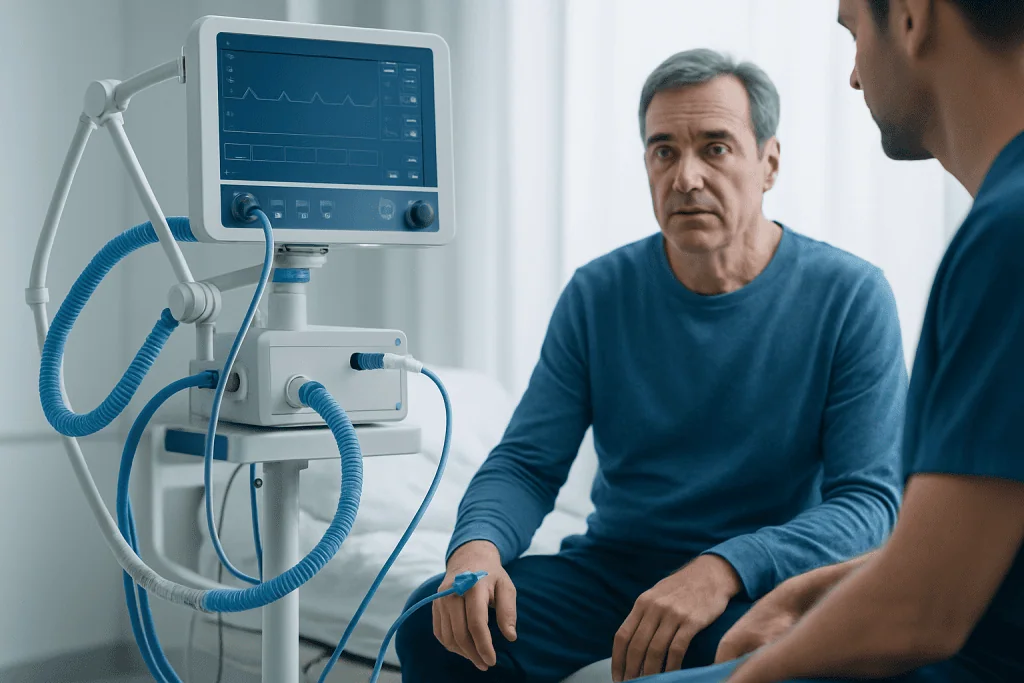
The daily challenges of neuromuscular disease depend on which muscles are involved and how severely they are affected. Muscle weakness is one of the most common symptoms. It may affect the legs, arms, hands, face, throat, or breathing muscles. Some people have trouble with balance and walking, while others struggle more with fine motor tasks such as buttoning clothes, writing, or opening containers.
Fatigue is also common and can feel different from ordinary tiredness. Activities may take longer, and recovery after exertion may be slow. Muscle cramps, stiffness, pain, tremor, or reduced coordination can add to daily difficulties. In some conditions, symptoms fluctuate during the day, becoming worse with repeated activity.
When the muscles used for swallowing, speaking, or breathing are affected, additional support may be needed. People may cough while eating, avoid certain textures, wake feeling unrefreshed, or become short of breath with exertion or when lying flat. These symptoms should not be ignored, because early evaluation can help prevent complications.
- Difficulty walking, standing, or climbing stairs
- Frequent falls or poor balance
- Hand weakness or trouble with daily tasks
- Fatigue that limits activity
- Shortness of breath, weak cough, or sleep-related breathing problems
- Swallowing or speech changes
Causes, Risk Factors, and Types of Neuromuscular Disease
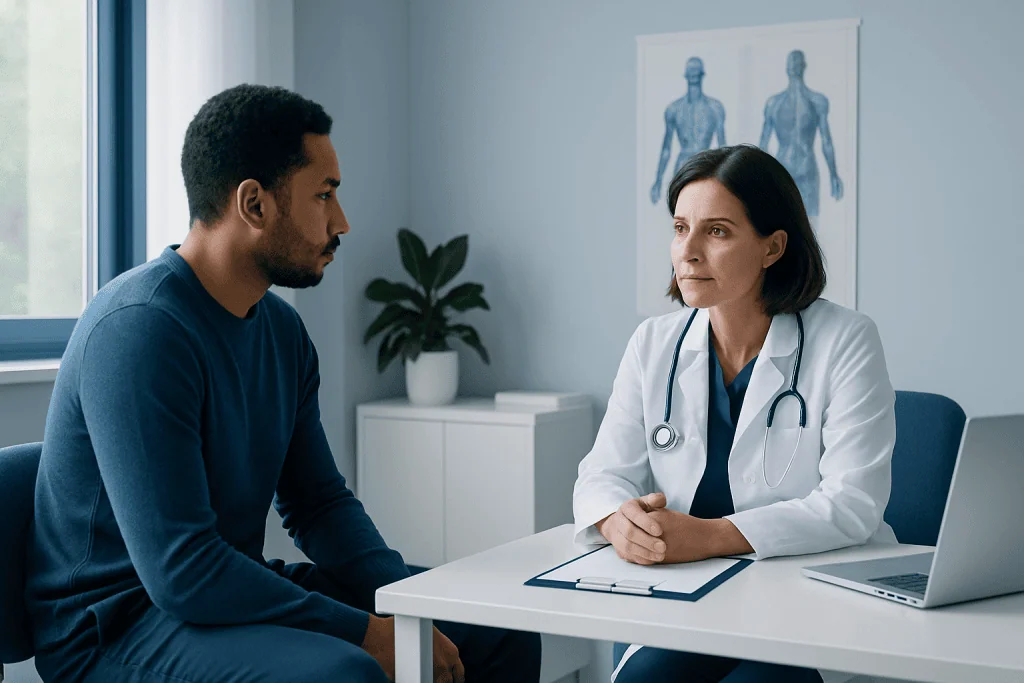
Neuromuscular disease is not a single diagnosis. Some forms are inherited and caused by gene changes passed through families or occurring for the first time in one person. Others are autoimmune, meaning the immune system mistakenly attacks parts of the nerve-muscle system. Still others result from inflammation, metabolic problems, toxic exposures, infections, or unknown causes.
Examples include inherited muscle disorders such as muscular dystrophy, nerve disorders such as peripheral neuropathies, and communication disorders such as myasthenia gravis. Conditions that affect motor neurons, including ALS, may also be grouped under neuromuscular diseases because they impair muscle control. Each condition has its own expected pattern, testing methods, and treatment strategy.
Risk factors vary by disease. Family history can increase the likelihood of inherited disorders. Autoimmune disease may raise the chance of certain acquired conditions. Age, diabetes, vitamin deficiencies, medication effects, alcohol misuse, and some infections can contribute to neuromuscular symptoms in specific cases. Because many conditions overlap in their early signs, a careful evaluation is important before drawing conclusions.
How Neuromuscular Disease Is Diagnosed and Monitored
Diagnosis usually begins with a detailed medical history and neurological examination. The doctor asks about weakness, fatigue, numbness, cramps, falls, breathing symptoms, swallowing difficulty, family history, and the pattern of symptom progression. The examination helps identify whether the problem is more likely to start in the muscle, nerve, motor neuron, or nerve-muscle junction.
Testing may include blood tests, genetic testing, nerve conduction studies, electromyography, muscle imaging, pulmonary function testing, sleep studies, or muscle biopsy. Not every person needs every test. The choice depends on symptoms, age, exam findings, and the most likely diagnosis. In children and adults with inherited disorders, genetic counseling may also be helpful.
Monitoring over time is an important part of care. Strength, mobility, breathing, swallowing, nutrition, posture, and heart health may need regular review depending on the condition. Follow-up helps the care team respond early to changing needs, update equipment, adjust therapy goals, and prevent avoidable complications such as falls, contractures, malnutrition, or respiratory infections.
Treatment Options and Supportive Care
Treatment for neuromuscular disease depends on the underlying cause. Some conditions have disease-specific therapies, while others are managed mainly through supportive care. Medicines may be used to reduce inflammation, modulate the immune system, improve nerve-muscle communication, or help manage symptoms such as pain, stiffness, cramps, or excessive secretions. In selected cases, neurology rehabilitation plays a central role in preserving function and teaching practical ways to stay active safely.
Physical therapy can help maintain flexibility, support posture, and guide safe movement. Occupational therapy focuses on day-to-day activities such as dressing, bathing, working, cooking, and using adaptive tools. Speech and language therapy may be recommended for speech clarity and swallowing safety. When breathing muscles are affected, respiratory assessment is essential, and some patients benefit from cough-assist techniques or noninvasive ventilation.
Assistive devices are often a practical and empowering part of treatment rather than a sign of failure. Braces, canes, walkers, wheelchairs, shower chairs, transfer aids, and communication devices may reduce strain and improve safety. Nutritional support, swallowing guidance, and regular review of weight and hydration are also important. For some people, coordinated care may involve physical therapy and rehabilitation and, when mobility becomes more limited, robotic rehabilitation as part of a broader plan set by the clinical team.
Self-Care, Home Adaptation, and Emotional Support
Self-care in neuromuscular disease is about using energy wisely and protecting long-term function. Many people benefit from pacing activities, planning rest breaks, and prioritizing the most important tasks for times of day when strength is best. Overexertion may worsen fatigue in some conditions, so exercise plans should be tailored by a professional familiar with the diagnosis.
Home adaptations can reduce effort and improve safety. Helpful changes may include handrails, non-slip flooring, raised toilet seats, seating in the shower, improved lighting, and reorganizing frequently used items to avoid unnecessary bending or lifting. For those with balance problems or foot weakness, footwear and mobility aids should be reviewed regularly.
Emotional health deserves attention too. Living with a chronic condition can lead to frustration, grief, anxiety, or low mood, especially when independence changes. Support from family, friends, counselors, patient groups, and rehabilitation teams can make daily life easier. It may help to set realistic goals, celebrate small gains, and ask for assistance early rather than waiting until exhaustion or injury occurs.
- Follow the treatment and therapy plan consistently
- Use prescribed mobility or breathing equipment as directed
- Choose balanced meals and seek help for swallowing changes
- Protect sleep quality and report morning headaches or poor sleep
- Keep vaccinations and routine health checks up to date
When to Seek Medical Advice and Long-Term Outlook
A person should seek medical advice for unexplained muscle weakness, repeated falls, worsening fatigue, changes in speech or swallowing, or numbness and tingling that interfere with daily life. Urgent assessment is especially important if there is new shortness of breath, choking, a weak cough, rapid decline in mobility, or signs of infection in someone with breathing muscle weakness. Early review can help prevent complications and guide appropriate treatment.
The long-term outlook varies greatly by diagnosis. Some neuromuscular diseases are mild or slowly progressive, while others require close monitoring and more intensive support. Many people continue work, school, family life, and valued activities with adaptations and regular follow-up. The most helpful care plans are flexible and reviewed over time as needs change.
Patients often benefit from care that brings together neurology, rehabilitation, respiratory medicine, nutrition, speech therapy, cardiology, and psychological support when needed. Acibadem International’s multidisciplinary specialists and JCI-accredited hospitals diagnose and treat neuromuscular diseases for international patients, with individualized plans focused on safety, function, and quality of life.
Frequently asked questions
What is a neuromuscular disease?
A neuromuscular disease is a condition that affects the muscles, the nerves controlling them, or the connection between nerves and muscles. This can lead to weakness, fatigue, mobility problems, and sometimes breathing or swallowing difficulties.
Can people with neuromuscular disease live independently?
Many people can live independently for years, especially with early support and practical adaptations. Independence often improves with rehabilitation, assistive devices, home modifications, and regular medical follow-up.
Is exercise safe with neuromuscular disease?
Exercise can be helpful, but it should be individualized. Gentle, supervised activity may support flexibility, endurance, and comfort, while overexertion can worsen fatigue in some conditions. A doctor or therapist should guide the plan.
Does neuromuscular disease always get worse over time?
Not always. Some neuromuscular diseases are slowly progressive, some remain relatively stable for long periods, and others may improve with treatment if the cause is treatable. The expected course depends on the specific diagnosis.
What symptoms mean someone should seek urgent help?
Urgent medical attention is needed for new or worsening shortness of breath, choking, a weak cough, sudden major weakness, or rapid loss of mobility. These symptoms may signal complications that need prompt assessment.
How can family members support someone living with neuromuscular disease?
Family members can help by encouraging medical follow-up, supporting safe routines, and assisting with home adjustments when needed. Emotional support, patience, and helping the person conserve energy can be just as important as physical assistance.
References
- World Health Organization
- National Institute of Neurological Disorders and Stroke
- Muscular Dystrophy Association
- National Institute of Arthritis and Musculoskeletal and Skin Diseases
- American Academy of Neurology
This article is for general information only and is not a substitute for professional medical advice. Please consult a qualified doctor about your individual situation.
Explore treatments in Turkey — costs, top hospitals & a free quote
JCI-accredited · board-certified surgeons · reply within 24h
Add us as a Preferred Source to see more of our trusted health content across Google Search, AI Overviews and Discover.