Lobes of the Brain: Roles, Symptoms of Damage, and Testing
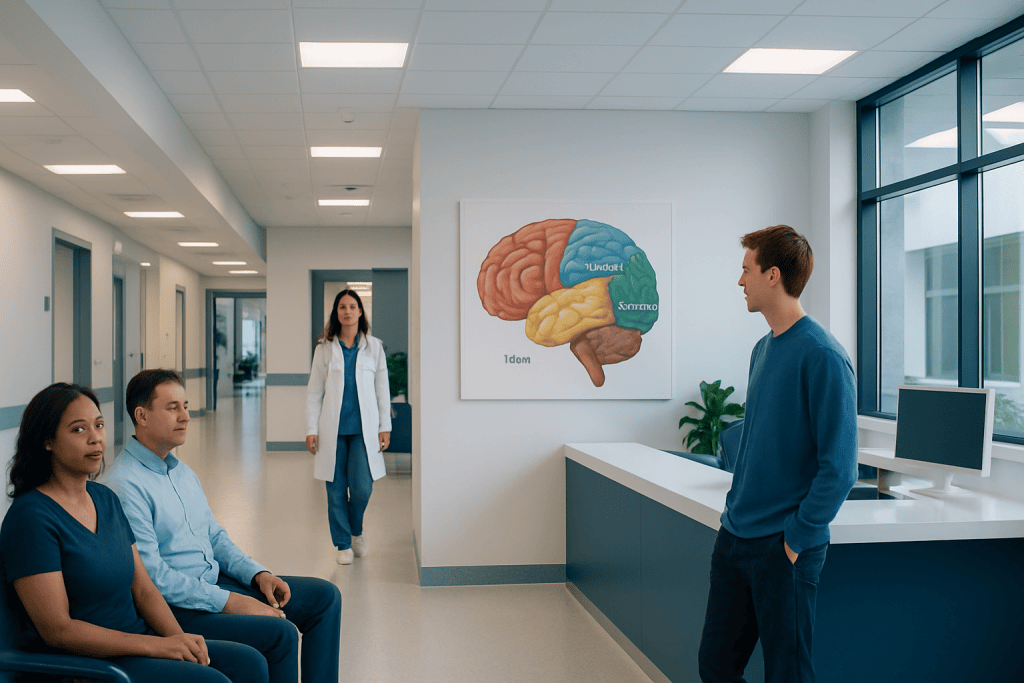
The brain has four main lobes, and each one supports different functions. Symptoms of lobe damage depend on which region is affected and how severely.
Key Takeaways
- The brain has four main lobes, and each one supports different functions.
- Symptoms of lobe damage depend on which region is affected and how severely.
- Changes in speech, memory, movement, sensation, or vision may point to a brain problem.
- Doctors use neurological exams and imaging tests to evaluate the lobes of the brain.
- Prompt medical assessment is important if new neurological symptoms appear suddenly or worsen.
The lobes of the brain each handle different functions, from movement and decision-making to language, sensation, and vision. When a lobe is affected by injury or disease, the symptoms often reflect its role, and testing helps doctors identify the cause and guide treatment.
Overview
The lobes of the brain are specialized regions that work together to support everyday life. Although each lobe has its own major tasks, none works alone; the brain relies on constant communication between areas to produce movement, language, memory, judgment, and perception.
The four main lobes are the frontal, parietal, temporal, and occipital lobes. Some clinicians also discuss the insula and limbic structures because they contribute to emotion, body awareness, and other brain functions. Understanding the lobes of the brain helps explain why a person with brain injury, stroke, tumor, infection, or another neurological condition may develop very specific symptoms.
In a practical sense, the location of a problem often gives doctors important clues. For example, trouble speaking clearly may suggest a dominant frontal or temporal lobe issue, while loss of peripheral vision may point toward the occipital lobe or visual pathways. This pattern-based approach is one reason neurological evaluation is so useful.
Functions of the Main Brain Lobes
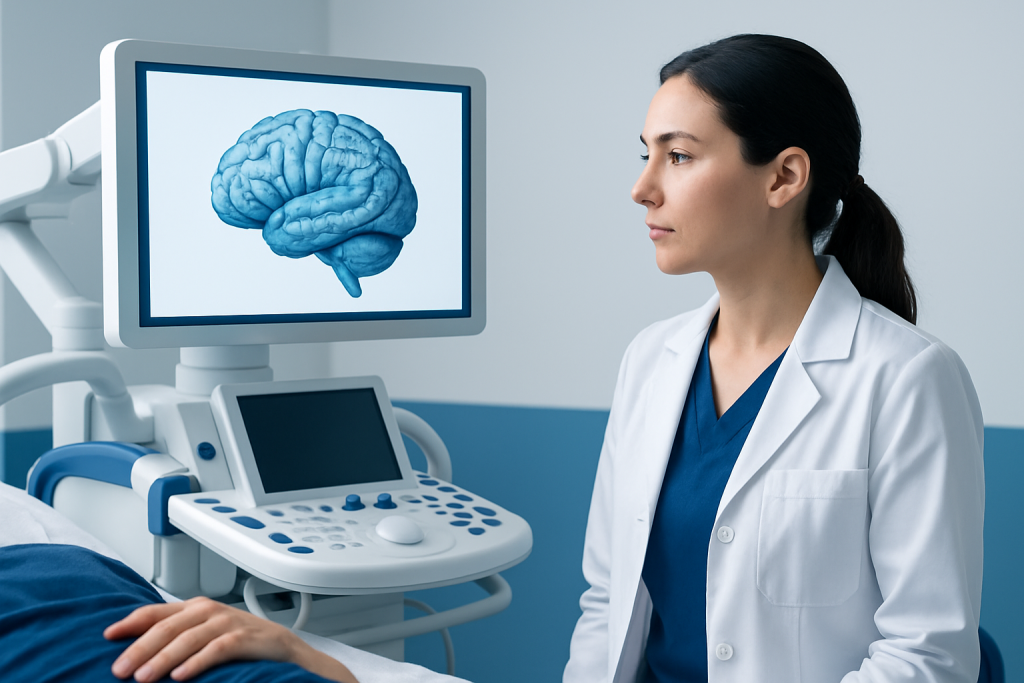
The frontal lobes are often associated with planning, judgment, personality, attention, impulse control, and voluntary movement. They also play a major role in speech production in many people, especially in the left hemisphere. Because of this, frontal lobe injury may affect behavior, decision-making, or the ability to start and organize tasks.
The parietal lobes process touch, temperature, pain, spatial awareness, and the body’s position in space. They help a person understand where objects are and how the body relates to the environment. Damage here may cause numbness, poor coordination of movement in space, or difficulty recognizing objects by touch.
The temporal lobes are important for hearing, understanding language, memory, and aspects of emotion. The left temporal lobe often supports language comprehension, while the right may be more involved in recognizing sounds, faces, and emotional tone. The occipital lobes are primarily responsible for vision, including interpretation of shape, color, and motion. Some visual information is also processed by connected pathways outside the occipital lobe, so visual symptoms can be complex.
In everyday terms, the lobes are not isolated compartments. A person reading a sentence, reaching for a cup, or recalling a memory uses networks that cross several lobes at once. That is why symptoms of brain disease can overlap and why testing often looks at both focal signs and overall brain function.
Symptoms of Damage by Lobe

Symptoms depend on the lobe involved, the size of the affected area, and whether the problem developed suddenly or gradually. A small injury may cause subtle changes, while a larger stroke or mass may create more obvious difficulties. Symptoms can also differ between the left and right sides of the brain because some functions are more dominant on one side.
Frontal lobe damage may cause weakness on one side of the body, difficulty initiating movement, changes in personality, poor judgment, reduced concentration, or problems with speech production. Parietal lobe problems may lead to numbness, tingling, poor spatial awareness, trouble with reading or writing, or ignoring one side of space. Temporal lobe damage can affect memory, language comprehension, hearing-related processing, or may trigger seizures in some conditions.
Occipital lobe injury most often affects vision, including blurred vision, blind spots, difficulty recognizing what is seen, or visual field loss. Some people may also experience visual hallucinations or trouble interpreting movement. If symptoms are sudden, such as abrupt speech difficulty, facial drooping, one-sided weakness, or new vision loss, urgent assessment is important because these can be signs of a stroke or another acute neurological event.
Other clues may include confusion, personality change, frequent falls, coordination problems, or headaches with neurological symptoms. In children, signs may look like developmental delay, changes in school performance, or new seizures. Because these symptoms have many possible causes, medical evaluation is needed rather than self-diagnosis.
Causes & Risk Factors
Several conditions can affect the lobes of the brain. Common causes include stroke, head trauma, brain tumors, infections, epilepsy, multiple sclerosis, and neurodegenerative diseases. In some people, inflammation or reduced blood flow can also disturb lobe function.
Risk factors depend on the cause. For example, stroke risk increases with high blood pressure, diabetes, smoking, atrial fibrillation, and high cholesterol. Head injuries are more likely with falls, vehicle accidents, or contact sports without adequate protection. Brain tumors, infections, and autoimmune disorders may arise for different reasons, and some have no clearly avoidable trigger.
Age can also matter. Older adults may be more vulnerable to stroke and certain degenerative conditions, while younger people may more often present with head injury, migraine-related symptoms, or epilepsy. Family history, prior neurological disease, and overall health can influence risk as well.
Because the causes vary so widely, the same symptom can have very different explanations. A careful history helps doctors decide whether the pattern points more toward injury, vascular disease, seizure activity, infection, or a structural lesion such as a tumor.
Diagnosis and Testing
Evaluation usually begins with a medical history and a neurological examination. The doctor may check speech, memory, balance, reflexes, strength, sensation, coordination, vision, and response to commands. These findings help localize which lobe or brain network may be affected.
Imaging is often central to the workup. A brain MRI can provide detailed pictures of soft tissue and help identify tumors, inflammation, bleeding, or changes from prior injury. A brain CT scan is often used more quickly in urgent settings, especially when bleeding, trauma, or a sudden event is suspected. In some situations, doctors may order both.
Additional tests may include blood work, electroencephalography (EEG) to assess seizure activity, or specialized neuropsychological testing to measure memory, attention, language, and executive function. If vision is affected, formal visual field testing may be helpful. When a vascular cause is suspected, doctors may add vessel imaging or heart tests to look for sources of reduced blood flow.
The best test depends on the clinical question. For example, a person with gradual memory loss may need different testing than someone with a sudden one-sided weakness. The goal is not only to detect a problem but also to understand its cause, extent, and effect on function.
Treatment Options
Treatment depends entirely on the underlying cause. If the issue is a stroke, care may involve urgent treatment to restore blood flow or manage bleeding, followed by rehabilitation. If a tumor is present, options may include surgery, radiation therapy, chemotherapy, or combined care, depending on the tumor type and location.
For seizures related to lobe dysfunction, doctors may prescribe anti-seizure medication and evaluate for triggers. Infections may require antimicrobial treatment, while inflammatory or autoimmune causes may call for targeted medication. Traumatic brain injury is managed with a combination of monitoring, symptom control, and rehabilitation when needed.
Supportive therapies are often essential. Speech therapy can help with language or communication problems, occupational therapy may improve daily activities, and physical therapy can address balance or weakness. Cognitive rehabilitation may also help with attention, memory, and planning problems after brain injury or illness.
Because brain conditions can affect many parts of life, treatment plans are usually individualized. A multidisciplinary team may include neurologists, neurosurgeons, rehabilitation specialists, radiologists, and therapists. Acibadem International’s multidisciplinary specialists and JCI-accredited hospitals diagnose and treat these conditions for international patients.
Prevention & Self-care
Not all brain lobe problems are preventable, but general brain health habits can reduce risk in some situations. Controlling blood pressure, blood sugar, and cholesterol; avoiding tobacco; limiting alcohol; and staying physically active can support vascular health. Wearing seat belts and using helmets during cycling or sports can help reduce head injury risk.
People with epilepsy or a previous neurological condition should follow their care plan closely, take prescribed medicines as directed, and discuss any new symptoms with their doctor. Good sleep, hydration, and regular meals may also help some patients reduce seizure triggers or migraine-related symptoms, though individual triggers vary.
If a person has ongoing memory, language, vision, or balance problems, home safety adjustments may reduce falls and confusion. These may include better lighting, removing loose rugs, using assistive devices, and keeping a simple routine. Family members or caregivers can help monitor for changes in speech, behavior, or alertness.
Self-care should never replace evaluation when new neurological symptoms appear. Brain symptoms can evolve over time, and early assessment often improves clarity about the cause and next steps.
When to See a Doctor
Medical assessment is recommended for any new, unexplained neurological symptom, especially if it affects speech, strength, sensation, vision, memory, or behavior. A doctor should also be consulted if symptoms gradually worsen, recur frequently, or interfere with daily activities such as driving, working, reading, or managing household tasks.
Urgent evaluation is needed for sudden weakness, facial droop, new confusion, severe headache with neurological symptoms, sudden vision loss, seizure, or trouble speaking. These can indicate a time-sensitive brain problem that needs prompt treatment. When in doubt, it is safer to seek immediate medical attention.
Even when symptoms are mild, a structured assessment can provide reassurance and direction. Some causes are treatable and reversible, while others benefit from early planning and rehabilitation. The earlier the cause is identified, the sooner the most appropriate care can begin.
For persistent or concerning neurological symptoms, patients are best served by evaluation from a qualified clinician who can decide whether imaging, testing, or specialist referral is needed. A careful, step-by-step approach offers the clearest path to diagnosis and management.
Frequently asked questions
What do the lobes of the brain do?
Each lobe has major responsibilities, such as movement and planning in the frontal lobe, sensation and spatial awareness in the parietal lobe, language and memory in the temporal lobe, and vision in the occipital lobe. These functions overlap, so most tasks use several lobes together.
Can damage to one lobe affect more than one symptom?
Yes. A single brain region can influence several abilities, so one injury may cause a combination of speech, movement, memory, vision, or behavior changes. The exact symptoms depend on the size and location of the affected area.
How do doctors test which lobe of the brain is affected?
Doctors usually start with a neurological exam and history, then use imaging such as MRI or CT when needed. They may also order EEG, blood tests, vision testing, or cognitive testing depending on the symptoms.
Are left and right brain lobe problems different?
They can be. Some functions are more dominant on one side, especially language in many people on the left side. The exact pattern varies from person to person, so clinicians look at the full symptom picture.
Can brain lobe damage improve?
Recovery depends on the cause, how much tissue is affected, and how quickly treatment begins. Some symptoms improve with treatment and rehabilitation, while others may be long term, so follow-up care is important.
When is a brain symptom an emergency?
Sudden weakness, facial droop, speech difficulty, confusion, seizure, or abrupt vision loss should be treated as urgent. These symptoms can signal a serious brain problem that needs immediate medical assessment.
References
- National Institute of Neurological Disorders and Stroke
- Mayo Clinic
- American Academy of Neurology
- World Health Organization
This article is for general information only and is not a substitute for professional medical advice. Please consult a qualified doctor about your individual situation.
Explore treatments in Turkey — costs, top hospitals & a free quote
JCI-accredited · board-certified surgeons · reply within 24h
Add us as a Preferred Source to see more of our trusted health content across Google Search, AI Overviews and Discover.
Check your numbers in seconds
BMI, calories, due date, blood pressure and 30+ more clinical calculators — free, instant, doctor-reviewed ranges.

More from the Health Library



Related Specialists
Dr. Bülent Şengül
Gastroenterology
Dr. Çağlar Yazıcıoğlu
Gynecology & Obstetrics
Dr. Ramiz Ahmadov
Neurosurgery
Dr. Ioseb Gabunia
Inpatient Clinic Physicians Clinical Service