

Lobotomy: A Complete Medical Overview

Lobotomy is an outdated psychosurgical procedure, not a standard treatment in modern medicine. The operation aimed to change behavior and emotions by disrupting brain connections, especially in the frontal lobes.
Key Takeaways
- Lobotomy is an outdated psychosurgical procedure, not a standard treatment in modern medicine.
- The operation aimed to change behavior and emotions by disrupting brain connections, especially in the frontal lobes.
- Serious side effects could include personality change, cognitive problems, loss of motivation, seizures, and disability.
- Today, severe psychiatric conditions are usually treated with medication, psychotherapy, structured care, and carefully selected advanced therapies.
- Modern functional neurosurgery is very different from historical lobotomy and is used only in highly specialized situations.
Lobotomy is a historical brain surgery that was once used to treat severe mental illness by damaging or disconnecting parts of the frontal lobes. It is now considered obsolete in routine care because its risks are significant and modern psychiatric and neurosurgical treatments are safer and more precise.
Overview: what lobotomy means
Lobotomy is a type of psychosurgery that was developed in the 20th century to treat severe psychiatric symptoms. In simple terms, it involved cutting, destroying, or disconnecting nerve pathways in the brain, usually in or around the frontal lobes. The goal was to reduce distressing symptoms such as agitation, severe anxiety, obsessive thoughts, or psychosis.
Although lobotomy was once used in hospitals around the world, it is no longer part of routine psychiatric care. Over time, doctors and researchers recognized that its benefits were unpredictable and its harms could be profound. As safer medications, better psychotherapy, and more precise brain procedures became available, lobotomy fell out of standard practice.
Today, the word often appears in historical discussions, documentaries, and questions about mental health care. A medical overview is helpful because historical lobotomy is very different from modern, highly targeted neurosurgical approaches used in a small number of carefully selected patients.
How the procedure developed and why it was used
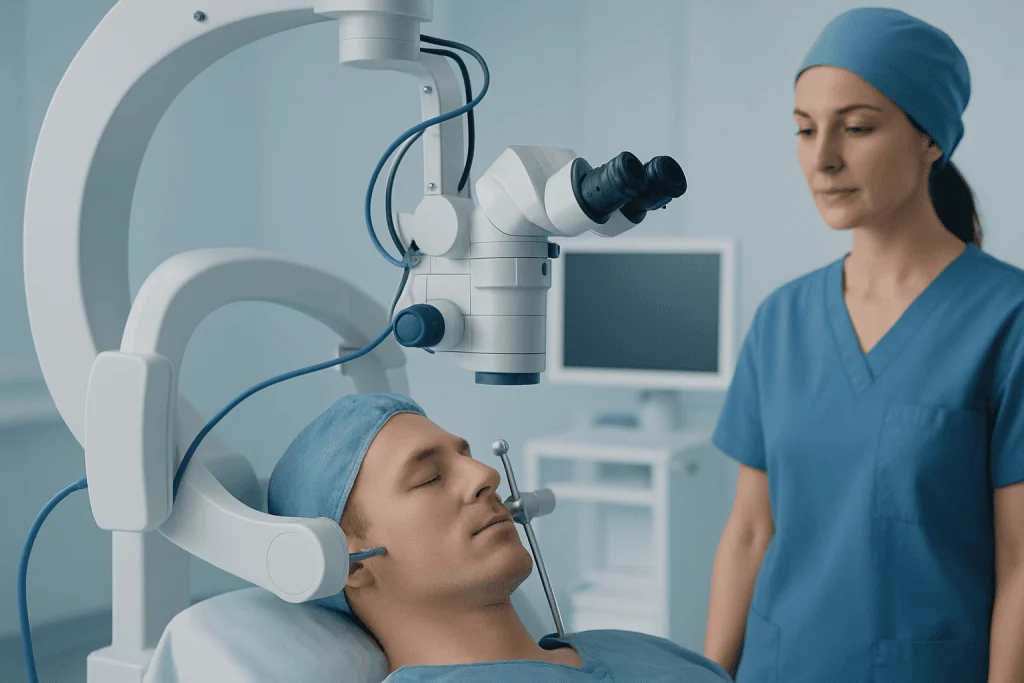
Lobotomy emerged during a period when treatment options for severe mental illness were limited. Before modern psychiatric medicines, hospitals often had few effective ways to help people with disabling symptoms. Some physicians hoped brain surgery might relieve suffering when other approaches had failed.
Early forms included prefrontal leukotomy, followed later by different techniques that varied in how the brain tissue was reached and disrupted. In some settings, the procedure became widely used for people with schizophrenia, severe depression, chronic anxiety, obsessive symptoms, and behavioral disturbance. However, the standards for selecting patients and assessing outcomes were often inconsistent by modern expectations.
As follow-up evidence accumulated, many patients were found to have major long-term impairments. At the same time, the arrival of antipsychotic and antidepressant medications changed psychiatric care dramatically. This shift, along with growing ethical concerns, led most healthcare systems to abandon lobotomy.
In modern medicine, conditions such as Parkinson’s disease or severe movement disorders may involve advanced brain-based treatments, but these should not be confused with lobotomy. Contemporary neurosurgical care uses different goals, different technology, and much stricter safeguards.
What happened during a lobotomy
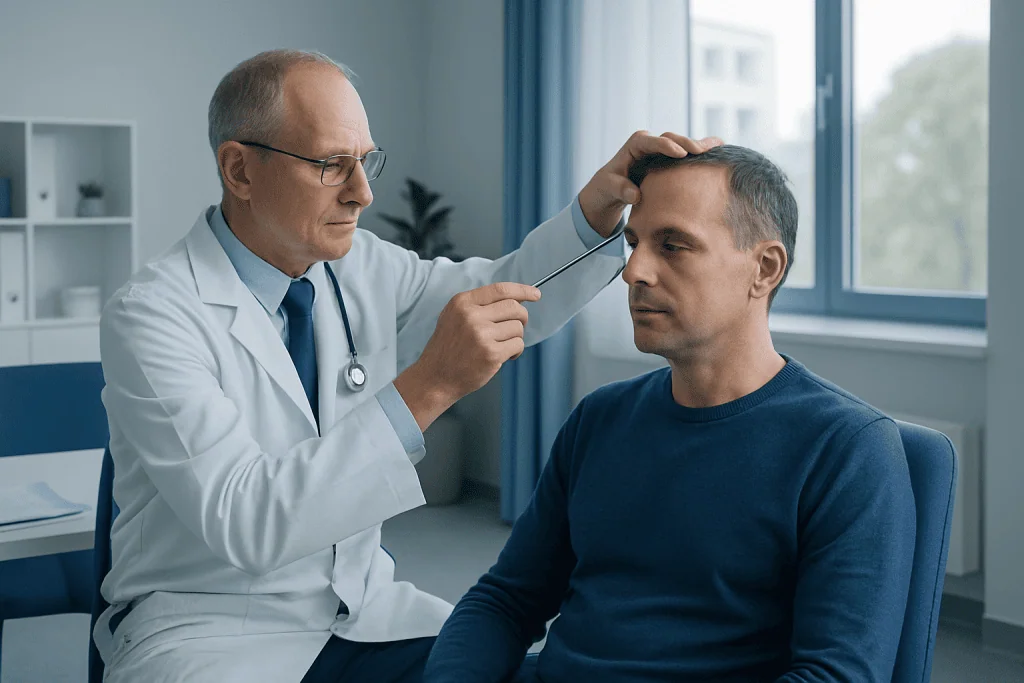
Historical lobotomy techniques were designed to interrupt connections between parts of the frontal lobes and deeper brain structures involved in emotion, behavior, and decision-making. Depending on the method used, a surgeon could access the brain through openings in the skull or with instruments passed through thin bone near the eye socket.
The exact steps varied by era and by operator, but the principle was similar: alter brain circuits in the hope of reducing symptoms. This approach was based on an incomplete understanding of how psychiatric illness works in the brain. As a result, outcomes were difficult to predict, and changes could extend far beyond the symptoms doctors hoped to treat.
By contrast, present-day functional neurosurgery uses brain imaging, detailed patient evaluation, multidisciplinary review, and carefully defined indications. Procedures such as deep brain stimulation are adjustable and targeted, making them fundamentally different from destructive psychosurgery performed decades ago.
Effects, risks, and long-term consequences
The short-term risks of lobotomy included bleeding, infection, seizures, confusion, and complications related to the procedure itself. Because the surgery directly altered brain tissue, there was also a significant possibility of permanent neurologic or psychological change.
Long-term effects varied from person to person, but many patients experienced reduced initiative, emotional blunting, difficulty with concentration, poor judgment, apathy, and changes in personality. Some people lost the ability to function independently at the same level as before. Others became quieter or less distressed, but at a cost that could be life-changing for the patient and family.
These outcomes are one reason lobotomy is now viewed critically in medical history. Even when symptoms seemed to improve, the procedure could narrow emotional range, interfere with relationships, and reduce quality of life. Modern treatment aims to relieve symptoms while preserving thinking, autonomy, and day-to-day functioning as much as possible.
- Possible cognitive decline or slowed thinking
- Personality and behavior changes
- Loss of motivation or emotional expression
- Seizures or neurologic complications
- Reduced independence in daily life
How severe psychiatric illness is treated today
Modern treatment for severe psychiatric conditions is usually based on a thorough assessment rather than a single procedure. Doctors consider symptoms, safety, medical history, substance use, trauma history, physical health, family support, and the possibility of neurologic or metabolic causes that can mimic mental illness. Care often involves psychiatrists, psychologists, neurologists, primary care physicians, and rehabilitation professionals.
First-line treatment commonly includes medication, psychotherapy, crisis support, and structured follow-up. Depending on the diagnosis, treatment may also include inpatient care, community mental health services, occupational therapy, or social support planning. For some patients with conditions such as depression, advanced options may be considered when standard treatment has not helped enough.
These advanced options can include electroconvulsive therapy (ECT), which remains an evidence-based treatment for selected severe mood and psychotic disorders, especially when rapid symptom relief is important. In a much smaller number of cases, highly specialized procedures such as vagus nerve stimulation or other neuromodulation approaches may be discussed. These therapies are evaluated under strict clinical and ethical standards and are not equivalent to lobotomy.
The central difference is precision and reversibility. Modern therapies aim to target symptoms with the least possible harm, and treatment plans are regularly reassessed over time. Shared decision-making, informed consent, and careful monitoring are now essential parts of care.
Ethical lessons and why lobotomy matters today
Lobotomy remains medically important because it illustrates how urgently needed treatments can still cause harm if evidence, ethics, and patient rights are not strong enough. Historical use of the procedure raised serious questions about consent, vulnerable patients, long-term follow-up, and the pressure to act when resources are limited.
These lessons continue to shape modern practice. Today, invasive psychiatric or neurologic interventions require careful patient selection, clear documentation of risks and benefits, and independent ethical oversight in many settings. Families and patients are encouraged to ask questions, seek second opinions, and understand all alternatives before making decisions.
For clinicians, lobotomy is also a reminder that symptoms can improve in ways that do not always reflect true recovery. Quiet behavior or reduced agitation is not the same as restored wellbeing. Modern medicine places greater value on quality of life, dignity, cognition, and the patient’s own goals.
When to seek medical care
Medical care should be sought promptly if a person has severe changes in mood, thinking, or behavior that interfere with safety, daily function, or self-care. Warning signs include suicidal thoughts, hearing or seeing things others do not, extreme agitation, sudden confusion, catatonia, refusal to eat or drink, or rapid decline in functioning. These symptoms need professional assessment and should not be managed alone.
Urgent medical attention is also important if mental or behavioral changes begin suddenly, especially after head injury, infection, substance use, seizure, or a new medical diagnosis. In such cases, the cause may be neurologic or medical rather than purely psychiatric. A doctor may recommend examinations, blood tests, brain imaging, or referral to specialists.
People with treatment-resistant symptoms should also speak with a qualified psychiatrist or neurologist about modern options rather than historical procedures like lobotomy. Near the end of a care pathway, some patients may benefit from evaluation in a specialized center. Acibadem International’s multidisciplinary specialists and JCI-accredited hospitals evaluate and treat complex neurologic and psychiatric conditions for international patients when advanced assessment is needed.
Frequently asked questions
What is a lobotomy in simple terms?
A lobotomy is an old type of brain surgery that was used to treat severe psychiatric symptoms by cutting or destroying connections in the frontal part of the brain. It is now considered obsolete in routine care because it can cause major, permanent side effects.
Is lobotomy still performed today?
Traditional lobotomy is not a standard medical treatment today. In rare and highly specialized situations, modern functional neurosurgery may be considered for certain severe conditions, but these procedures are much more precise and are not the same as historical lobotomy.
Why was lobotomy abandoned?
Lobotomy was largely abandoned because the risks were high and the results were unpredictable. Many patients developed lasting problems with personality, motivation, thinking, or independence, while newer medicines and therapies offered safer alternatives.
What conditions was lobotomy used for?
Historically, lobotomy was used for conditions such as schizophrenia, severe depression, anxiety, obsessive symptoms, and extreme agitation. Today, these conditions are treated with evidence-based psychiatric care rather than routine destructive brain surgery.
What are the side effects of a lobotomy?
Possible side effects included seizures, infection, bleeding, cognitive impairment, emotional blunting, personality change, and reduced ability to manage daily life. Some effects were immediate, while others became clear over time.
How is modern treatment different from lobotomy?
Modern treatment is based on accurate diagnosis, informed consent, and careful follow-up. It usually involves medication, psychotherapy, and, when appropriate, targeted procedures such as neuromodulation that are more controlled and often less destructive than historical lobotomy.
References
- World Health Organization
- National Institute of Mental Health
- American Psychiatric Association
- National Institute of Neurological Disorders and Stroke
- MedlinePlus
This article is for general information only and is not a substitute for professional medical advice. Please consult a qualified doctor about your individual situation.
Explore treatments in Turkey — costs, top hospitals & a free quote
JCI-accredited · board-certified surgeons · reply within 24h
Add us as a Preferred Source to see more of our trusted health content across Google Search, AI Overviews and Discover.

More from the Health Library



Related Specialists
Dr. Yalçın Culha
Inpatient Clinic Physicians
Dr. Mehtap Baştuğral
Clinical Laboratory
Prof. Dr. Zeynep Güven
Physical Medicine & Rehabilitation
Dr. Mehmet İbrahim Cansunar
General Surgery