Long-Term Side Effects of Proton Therapy for Prostate Cancer: What to Expect and How to Manage

Proton therapy uses precisely directed radiation to treat prostate cancer while limiting dose to nearby healthy tissue. Late effects can involve the bladder, bowel and sexual function, and may appear months or years after treatment.
Key Takeaways
- Proton therapy uses precisely directed radiation to treat prostate cancer while limiting dose to nearby healthy tissue.
- Late effects can involve the bladder, bowel and sexual function, and may appear months or years after treatment.
- The likelihood of side effects depends on baseline urinary and sexual health, cancer features, radiation dose and whether hormone therapy is used.
- Proton therapy is not automatically better than other modern radiation techniques for every person; treatment selection should be individualized.
- New bleeding, worsening urinary blockage, persistent bowel symptoms or unexplained weight loss should be assessed by a clinician.
Long-term side effects of proton therapy for prostate cancer can include urinary symptoms, bowel changes and erectile dysfunction, although many men have mild effects or improve over time. Regular follow-up helps identify late effects early and supports treatment choices that protect quality of life.
Overview: what long-term effects can occur?
Long-term side effects of proton therapy for prostate cancer most often affect urinary function, bowel function and erections. Proton therapy is designed to deposit radiation energy within a planned target and reduce unnecessary exposure beyond it, but the prostate lies close to the bladder, urethra, rectum and nerves involved in sexual function. These nearby structures can still receive some radiation.
Many men complete treatment without severe lasting problems, and symptoms that occur during therapy often settle in the weeks or months afterward. However, some effects can persist, gradually develop later, or become noticeable after a period of feeling well. Ongoing follow-up with a radiation oncologist and urologist is an important part of survivorship care.
Individual outcomes differ. Pre-treatment urinary symptoms, diabetes, smoking, prior pelvic surgery, medicines, age, prostate size, radiation planning and the use of androgen-deprivation therapy can all influence the chance and type of late effect. A care team can explain how these considerations apply to an individual treatment plan.
How proton therapy works and who may be a candidate
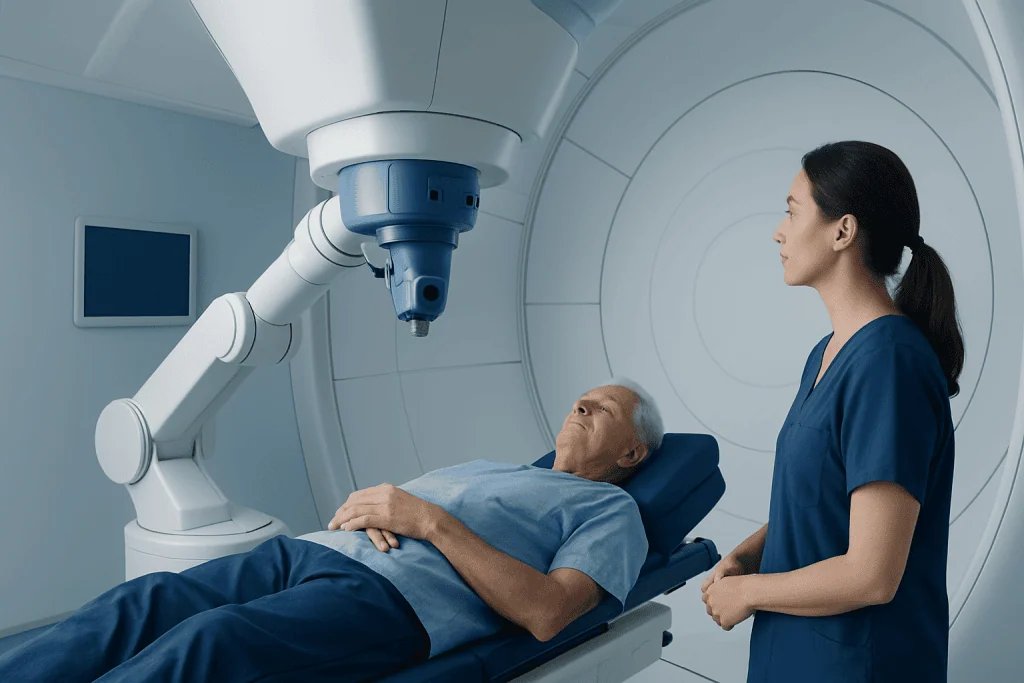
Proton therapy is a form of external-beam radiation therapy. It uses positively charged particles, called protons, rather than X-rays. Protons can be planned to release most of their energy at a selected depth, known as the Bragg peak. This physical property may help reduce radiation exposure to certain tissues beyond the prostate.
It may be considered for localized prostate cancer, including selected low-, intermediate- and high-risk cancers. Some people receive radiation alone, while others may need hormone therapy before, during or after radiation depending on the cancer’s risk category. The aim can be cure for cancer confined to or near the prostate, or local control as part of a broader care plan.
Candidacy is not based on diagnosis alone. The team reviews PSA results, biopsy grade group, imaging, prostate anatomy, urinary symptoms, prior procedures, overall health and personal priorities. Modern photon-based options, such as intensity-modulated radiation therapy, may also be appropriate. A balanced discussion should compare expected cancer control, convenience, potential side effects and available expertise.
What happens during treatment and the recovery timeline

Before treatment, the radiation team performs planning scans, often including CT and MRI. Small prostate markers, called fiducials, and sometimes a rectal spacer may be used to improve daily targeting and help reduce dose to the rectum. The team creates a personalized plan and provides instructions about bladder filling and bowel preparation, which help keep the prostate in a consistent position.
During each session, the person lies still on a treatment table while the machine delivers radiation from planned angles. The treatment itself is painless and does not make a person radioactive. Proton therapy is commonly delivered over several weeks, although the total number of sessions depends on the chosen schedule and clinical situation.
Short-term effects, such as more frequent urination, a weaker stream, mild burning when passing urine, fatigue, loose stools or rectal irritation, can develop during treatment or shortly afterward. These commonly improve over several weeks to a few months. Follow-up usually includes PSA testing, symptom review and support for any urinary, bowel, sexual or emotional concerns.
For people considering radiation-based care, proton therapy treatment planning should include discussion of expected recovery, monitoring and alternatives. The PSA typically falls gradually after radiation rather than becoming undetectable immediately, so clinicians interpret results over time rather than from a single test.
What is the downside of proton therapy for prostate cancer?
The main downside of proton therapy for prostate cancer is that it still carries the potential for urinary, bowel and sexual side effects, despite its ability to limit radiation beyond the target. It is not a zero-risk treatment, and current evidence does not show that proton therapy is clearly superior to all other highly conformal radiation techniques for every person with prostate cancer.
Urinary late effects may include urgency, frequency, nighttime urination, leakage, burning, reduced stream or, less commonly, narrowing of the urethra that makes urination difficult. Bowel effects can include rectal urgency, more frequent stools, mucus, discomfort or occasional rectal bleeding. Rarely, more serious complications such as significant bleeding, ulceration, fistula formation or the need for a procedure can occur.
Erectile dysfunction may develop gradually over months or years because radiation can affect blood vessels and nerves important for erections. Baseline erectile function, age, vascular health and hormone therapy strongly affect risk. Fertility can also be affected, so sperm banking may be discussed before treatment when future biological parenthood is a priority.
There can also be practical disadvantages, including the need for specialized equipment, repeated visits and careful daily preparation. The most appropriate approach is the one that provides sound cancer control while matching a person’s anatomy, other health conditions, access to care and preferences.
Living well after treatment: prevention and self-care
Healthy habits cannot replace cancer treatment or follow-up, but they can support general health and recovery. A balanced eating pattern with vegetables, fruit, whole grains, beans and appropriate protein, along with regular physical activity suited to ability, may help maintain strength, cardiovascular health, bowel regularity and mood. Avoiding tobacco and limiting alcohol are also sensible steps.
Urinary symptoms may improve with timed voiding, adequate daytime fluids and limiting bladder irritants when they clearly worsen symptoms. Common irritants include caffeine, alcohol and highly carbonated drinks. A clinician may recommend pelvic-floor physiotherapy or medicines for persistent urgency, leakage or weak flow; symptoms should not simply be accepted as unavoidable.
For bowel comfort, gradual fiber intake, hydration and attention to food triggers can be helpful. Persistent diarrhea, pain or bleeding requires medical assessment rather than self-treatment alone. Erectile-function concerns can be addressed with a urologist; options may include lifestyle support, counseling, oral medicines, vacuum devices, injections or other treatments based on medical suitability.
Emotional wellbeing also matters. Fatigue, anxiety about PSA results, changes in intimacy and uncertainty about recurrence are common survivorship concerns. Discussing these issues openly with the care team, a mental health professional, support group or trusted family members can make practical and emotional support easier to access.
What to avoid when you have prostate cancer?
There is no single food, supplement or activity that everyone with prostate cancer must avoid. However, people should avoid tobacco, limit alcohol, and be cautious about unproven supplements or restrictive diets marketed as cancer cures. Some supplements can interact with medicines, affect blood clotting or complicate treatment, so they should be discussed with the oncology team first.
During radiation treatment, it may be helpful to reduce foods and drinks that noticeably worsen bowel or bladder symptoms, such as caffeine, alcohol, very spicy foods or large amounts of high-fat foods. This is individual: unnecessary long-term dietary restriction can reduce enjoyment of food and nutritional intake. A dietitian can help when symptoms make eating difficult.
People should not skip follow-up visits or PSA testing because they feel well. They should also avoid assuming that new urinary bleeding, rectal bleeding, pelvic pain, bone pain or unexplained weight loss is simply a treatment effect. These symptoms have many possible causes and deserve timely clinical review.
How to live longer with prostate cancer and what life expectancy means
Living longer with prostate cancer begins with receiving care that matches the cancer’s stage and risk group, then keeping follow-up appointments. For localized disease, surgery, radiation therapy and, in selected cases, active surveillance can provide excellent long-term cancer control. For more advanced disease, modern systemic treatments and coordinated specialist care can often control cancer for meaningful periods.
Daily health choices also matter. Staying physically active, maintaining a weight that supports overall health, managing blood pressure, diabetes and heart disease, eating a nutritious diet, avoiding tobacco and seeking help for depression or sleep problems can improve wellbeing and may help a person tolerate treatment. These steps support health but should not be presented as a substitute for evidence-based cancer care.
What is the average life expectancy for men treated for prostate cancer with radiation therapy? There is no single average that accurately applies to all men. Life expectancy depends mainly on cancer stage, grade group, PSA level, whether cancer has spread, response to treatment, age and other health conditions. Many men treated with radiation for localized prostate cancer live for many years and may die from causes unrelated to prostate cancer, but an individual prognosis should come from the treating oncology team.
Acibadem International’s multidisciplinary specialists and JCI-accredited hospitals support international patients with prostate cancer diagnosis, radiation planning and follow-up care. A personalized discussion can also clarify whether related concerns, such as prostate cancer progression or recurrence, need further assessment.
When to seek medical care
Contact the treating team promptly for worsening difficulty passing urine, inability to urinate, fever, severe pelvic pain, heavy rectal bleeding, blood clots in urine, persistent diarrhea, dehydration, new severe fatigue or symptoms that interfere with daily life. Urgent assessment is particularly important for severe bleeding, chest pain, sudden shortness of breath, confusion, fainting or signs of a serious allergic reaction to a medicine.
Routine follow-up is also important when symptoms seem mild. New erectile problems, increasing urinary urgency, leakage, painful urination, bowel urgency or intermittent rectal bleeding may be treatable. Early evaluation can help distinguish radiation-related changes from infection, hemorrhoids, medication effects, benign prostate enlargement, recurrence or another condition.
PSA changes after radiation require careful interpretation. A temporary small rise can occur in some people, while a sustained rise may need further evaluation. The care team will consider the timing of PSA results, symptoms, examination findings and imaging when deciding whether any additional tests or treatment are needed.
Frequently asked questions
Are long-term side effects common after proton therapy for prostate cancer?
Some men have persistent or late urinary, bowel or sexual changes after proton therapy, while others have few lasting symptoms. Risk varies according to baseline health, prostate anatomy, treatment planning and whether hormone therapy is also used. Regular follow-up helps identify and manage problems early.
Can proton therapy cause erectile dysfunction years later?
Yes. Erectile dysfunction can develop gradually after any form of prostate radiation because blood vessels and nerves involved in erections may be affected over time. Baseline sexual function, age, diabetes, cardiovascular health and hormone therapy influence the likelihood. Treatments are available, and discussing concerns early with a urologist can be helpful.
Can proton therapy cause rectal bleeding?
Mild rectal bleeding can occur months or years after pelvic radiation, though it is not experienced by everyone. It may result from fragile blood vessels in the rectal lining, but bleeding can have other causes as well. Any new or recurrent rectal bleeding should be discussed with a clinician.
Does proton therapy cure prostate cancer?
Proton therapy can be used with curative intent for many people with localized prostate cancer. Whether cure is likely depends on the cancer’s risk group, stage, PSA level, biopsy findings and other individual factors. A radiation oncologist can explain expected disease control for a specific case.
How long does fatigue last after proton therapy?
Fatigue often develops gradually during treatment and commonly improves within weeks to a few months afterward. Sleep disruption, emotional stress, anemia, hormone therapy and other medical conditions can prolong it. Persistent or worsening fatigue should be evaluated rather than assumed to be a normal treatment effect.
Is proton therapy safer than standard radiation for prostate cancer?
Proton therapy has a different dose-delivery pattern that may reduce radiation exposure beyond the prostate in selected situations. However, both proton therapy and modern photon radiation are carefully planned treatments with established roles in prostate cancer care. The best option depends on individual clinical circumstances rather than on a universal safety ranking.
References
- American Cancer Society
- National Cancer Institute
- American Society for Radiation Oncology
- European Association of Urology
- National Comprehensive Cancer Network
This article is for general information only and is not a substitute for professional medical advice. Please consult a qualified doctor about your individual situation.
Prostate Cancer in Turkey — costs, top hospitals & a free quote
JCI-accredited · board-certified surgeons · reply within 24h
Add us as a Preferred Source to see more of our trusted health content across Google Search, AI Overviews and Discover.