Loss of Feeling in Toes Causes: An Evidence-Based Guide for Patients

Temporary toe numbness can occur when pressure briefly reduces nerve signaling or blood flow. Common ongoing causes include peripheral neuropathy, diabetes, nerve compression, injury, and vitamin deficiencies.
Key Takeaways
- Temporary toe numbness can occur when pressure briefly reduces nerve signaling or blood flow.
- Common ongoing causes include peripheral neuropathy, diabetes, nerve compression, injury, and vitamin deficiencies.
- The pattern of symptoms, including whether both feet are affected, helps guide diagnosis.
- Sudden numbness with weakness, speech changes, severe pain, or a cold and pale foot needs urgent medical attention.
- Foot checks, well-fitting footwear, and management of underlying health conditions can help prevent complications.
Loss of feeling in the toes is usually related to changes in the nerves, blood flow, or pressure on the foot. It may be temporary after sitting in one position, but persistent, worsening, or one-sided numbness should be assessed by a qualified healthcare professional.
Overview: Why toes can lose feeling
Loss of feeling in toes causes range from short-lived pressure on a nerve to health conditions that affect nerves or circulation. Sitting with crossed legs, wearing tight shoes, or remaining in one position for a long time can temporarily cause tingling or numbness. Sensation typically returns after moving, changing position, or removing the source of pressure.
When reduced feeling lasts, returns frequently, spreads, or occurs without an obvious reason, it may signal a problem involving the nerves, spinal cord, blood vessels, or metabolism. Numbness is a symptom rather than a diagnosis. A clinician can identify the likely source by considering the location, timing, associated symptoms, medical history, examination findings, and, when appropriate, tests.
Because the toes are far from the heart and brain, they can be among the first areas affected by conditions that gradually damage small nerves or reduce blood supply. Prompt evaluation can help identify treatable causes and reduce the risk of unnoticed skin injuries, infections, or balance problems.
How loss of feeling in the toes may feel
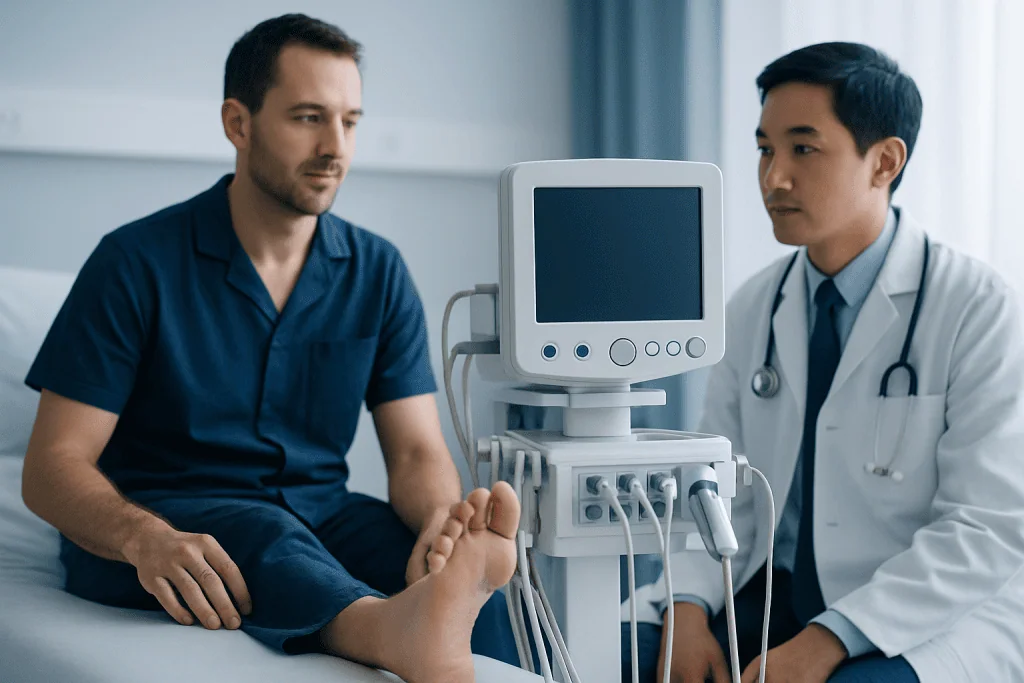
People describe reduced toe sensation in different ways. It may feel like pins and needles, burning, buzzing, a “walking on cotton” sensation, or a partial inability to feel touch, temperature, or pain. Some people have numbness only in one toe; others notice it in several toes or across both feet.
The pattern provides useful clues. Numbness in both feet that slowly moves upward may suggest peripheral neuropathy, meaning damage or dysfunction of nerves outside the brain and spinal cord. Numbness that follows the sole, outer edge of the foot, or a particular toe may be linked to a compressed nerve in the foot, ankle, leg, or lower back.
Loss of sensation can occur with pain, but it does not always do so. Other symptoms worth noting include weakness, cramps, foot drop, changes in skin color or temperature, swelling, back pain, wounds that heal slowly, or difficulty with balance. Keeping track of when symptoms happen and what makes them better or worse can support an accurate assessment.
Common causes and contributing factors

Brief numbness is often caused by pressure on nerves or blood vessels. Tight footwear, narrow toe boxes, high heels, prolonged kneeling, crossing the legs, or activities that repeatedly stress the forefoot can all contribute. Local nerve irritation may occur between the toes or around the ankle. Injuries, swelling, scar tissue, and previous foot or ankle surgery can also affect sensation.
Peripheral neuropathy is an important cause of persistent numbness. Diabetes is one of the most common contributors, particularly when blood glucose has been elevated over time. Other potential causes include heavy alcohol use, kidney disease, underactive thyroid, autoimmune illnesses, certain infections, exposure to toxins, and some medications, including selected cancer treatments. In some cases, no clear cause is found despite appropriate evaluation.
Nutritional problems may also affect nerve health. Low vitamin B12 is a recognized cause of neuropathy, while excessive intake of vitamin B6 from supplements can also damage nerves. A balanced diet and medical advice before taking high-dose supplements are sensible approaches. Numbness related to circulation may occur in peripheral artery disease, where narrowed arteries reduce blood flow to the legs and feet; smoking, diabetes, high blood pressure, high cholesterol, and older age raise risk.
Pressure on a nerve root in the lower spine, such as from a disc problem or spinal narrowing, can cause numbness that travels down the leg into the foot or toes. This is sometimes called sciatica when the sciatic nerve pathway is involved. The presence of back pain, pain radiating down one leg, or muscle weakness may make a spinal cause more likely.
How clinicians identify the cause
A healthcare professional will usually begin by asking about the onset and progression of symptoms. Important details include whether numbness is constant or intermittent, whether it affects one or both sides, recent injury, footwear, work or exercise habits, alcohol use, medicines and supplements, and a history of diabetes, thyroid disease, kidney disease, or back problems.
The physical examination may include checking skin condition, pulses, temperature, reflexes, strength, coordination, and the ability to feel light touch, vibration, or a small pinprick. The feet may be examined for calluses, pressure points, ulcers, infection, deformities, and signs of reduced circulation. These findings help distinguish a nerve-related problem from a vascular or local foot issue.
Tests are selected based on the suspected cause rather than used routinely for everyone. Blood tests may assess glucose levels, vitamin B12, thyroid function, kidney function, and other relevant factors. Nerve conduction studies and electromyography can evaluate how well nerves and muscles work. Imaging of the spine, foot, or blood vessels may be considered when symptoms or examination findings suggest a structural or circulation-related condition.
Treatment options depend on the underlying cause
Treatment focuses on the cause of numbness and on protecting the feet while sensation is reduced. If footwear or repeated pressure is responsible, changing to properly fitted shoes with a wider toe area, using activity adjustments, or considering clinician-recommended insoles may help. A clinician or podiatry professional can assess persistent pressure points, foot mechanics, and skin changes.
When diabetes or another metabolic condition contributes to neuropathy, a comprehensive plan may include improving management of the underlying condition, reviewing medicines, supporting physical activity and nutrition, and addressing cardiovascular risk factors. If a vitamin deficiency is confirmed, treatment may involve replacing the nutrient and investigating why it became low. Supplements should not be used as a substitute for testing or professional guidance, especially at high doses.
For nerve compression in the ankle, foot, or spine, options can include targeted exercises, physiotherapy, activity modification, pain management, and treatment of the structural problem when needed. Some people with painful neuropathy may be offered prescription medicines that reduce nerve pain; these require individualized assessment because they can have side effects and may not restore sensation.
Care may involve a primary care clinician, neurologist, endocrinologist, vascular specialist, orthopedist, physiotherapist, or foot-care professional depending on the likely cause. Acibadem International’s multidisciplinary specialists and JCI-accredited hospitals can assess and treat neurological, metabolic, orthopedic, and vascular contributors for international patients.
Protecting numb toes and supporting foot health
Reduced sensation makes it easier to miss blisters, cuts, burns, and foreign objects in shoes. Checking both feet daily, including the soles and spaces between toes, is particularly important for people with diabetes or known neuropathy. A mirror can help inspect hard-to-see areas. Any new wound, redness, swelling, drainage, or skin discoloration should be discussed with a healthcare professional promptly.
Wear clean, comfortable socks and shoes that fit well without rubbing or compressing the toes. Before putting on shoes, check inside for rough seams or objects. Avoid walking barefoot outdoors or on hot surfaces, and test bath water with a hand or thermometer rather than a numb foot. It is safer not to use heating pads or hot water bottles on areas with reduced feeling because burns may occur without being noticed.
General measures that support nerve and vascular health include not smoking, following advice on glucose, blood pressure, and cholesterol management, staying physically active within personal ability, and eating a balanced diet. Regular foot care is helpful, but cutting nails or removing corns should be done cautiously. People with diabetes, poor circulation, or significant numbness may benefit from professional foot-care guidance.
When to seek medical care
Arrange a non-urgent medical appointment if toe numbness persists for more than a few days, keeps returning, gradually worsens, affects both feet, interrupts walking or sleep, or occurs with burning pain or weakness. Assessment is also advisable for numbness in a person with diabetes, kidney disease, thyroid disease, heavy alcohol use, a history of chemotherapy, or known circulation problems.
Seek urgent medical care for sudden numbness, particularly if it is accompanied by weakness of the face, arm, or leg, trouble speaking, confusion, severe headache, dizziness, or loss of coordination. These symptoms can indicate a time-sensitive neurological emergency. Urgent assessment is also needed if a foot becomes suddenly cold, pale, blue, severely painful, or difficult to move, as these may indicate a serious blood-flow problem.
Immediate evaluation is important for numbness with new loss of bladder or bowel control, numbness around the groin or inner thighs, or rapidly worsening leg weakness. These symptoms can be related to significant pressure on nerves in the lower spine. A foot wound, spreading redness, fever, blackened skin, or an ulcer that does not heal also requires prompt medical attention.
Frequently asked questions
Can sitting awkwardly cause loss of feeling in the toes?
Yes. Sitting with pressure on the legs or feet can temporarily compress nerves or reduce blood flow, causing tingling or numbness. Sensation should generally improve after changing position and moving around; persistent symptoms should be evaluated.
Is loss of feeling in the toes always caused by diabetes?
No. Diabetes is a common cause of peripheral neuropathy, but numb toes can also result from tight shoes, nerve compression, back problems, injury, vitamin B12 deficiency, alcohol use, certain medicines, or circulation disorders. Testing may be needed to determine the reason.
Can poor circulation make toes numb?
Reduced circulation can contribute to numbness, especially if feet are cold, pale, bluish, painful during walking, or slow to heal after injury. However, numbness is often caused by nerve problems, so a clinician should assess both circulation and nerve function when appropriate.
Can vitamin deficiencies cause numb toes?
Vitamin B12 deficiency can affect nerve function and may cause tingling, numbness, balance changes, or weakness. Excess vitamin B6 from high-dose supplements can also harm nerves. A healthcare professional can order tests and advise on safe treatment.
What should someone do if their toes are numb but not painful?
They should protect the feet from injury, inspect them daily, and avoid extreme heat because reduced sensation can hide burns or wounds. If numbness lasts, recurs, spreads, or has no clear short-term explanation, arranging a medical review is advisable.
Can numbness in one toe be serious?
Numbness in one toe is often related to local pressure, footwear, injury, or a nearby irritated nerve. It should still be assessed if it persists, worsens, follows trauma, occurs with weakness or severe pain, or is accompanied by changes in foot color or temperature.
References
- National Institute of Neurological Disorders and Stroke
- National Institute of Diabetes and Digestive and Kidney Diseases
- American Diabetes Association
- National Heart, Lung, and Blood Institute
- Mayo Clinic
This article is for general information only and is not a substitute for professional medical advice. Please consult a qualified doctor about your individual situation.
Explore treatments in Turkey — costs, top hospitals & a free quote
JCI-accredited · board-certified surgeons · reply within 24h
Add us as a Preferred Source to see more of our trusted health content across Google Search, AI Overviews and Discover.
Check your numbers in seconds
BMI, calories, due date, blood pressure and 30+ more clinical calculators — free, instant, doctor-reviewed ranges.