Low blood pressure pregnancy: What Works at Home, What Doesn’t, and When to See a Doctor

Mild low blood pressure in pregnancy is often related to normal hormone and circulation changes. Evidence-backed home measures include drinking enough fluids, changing positions slowly, and eating small, regular meals.
Key Takeaways
- Mild low blood pressure in pregnancy is often related to normal hormone and circulation changes.
- Evidence-backed home measures include drinking enough fluids, changing positions slowly, and eating small, regular meals.
- Some popular remedies are anecdotal and should not replace medical assessment, especially if symptoms are frequent or severe.
- Red-flag symptoms such as fainting, heavy bleeding, severe abdominal pain, chest pain, or trouble breathing need urgent care.
- A clinician may check blood pressure patterns, hydration status, anemia, blood sugar, or other causes if symptoms persist.
Low blood pressure pregnancy is common, especially in early and mid-pregnancy, and it often improves with simple steps such as staying hydrated, eating regularly, and standing up slowly. Home care can help mild symptoms, but fainting, vaginal bleeding, severe dizziness, chest pain, or shortness of breath need prompt medical evaluation.
Overview: what low blood pressure in pregnancy usually means
Low blood pressure pregnancy often improves with practical home measures such as drinking enough fluids, avoiding long gaps between meals, and rising slowly from sitting or lying down. In many people, it reflects normal pregnancy-related changes in blood vessels and circulation rather than a dangerous problem.
That said, the key question is not only the blood pressure number but also how the pregnant person feels. Mild readings without symptoms may need only monitoring, while dizziness, fainting, bleeding, severe pain, chest symptoms, or shortness of breath require medical review because they can point to dehydration, anemia, infection, or another condition that needs treatment.
Blood pressure commonly falls in early and mid-pregnancy as hormones relax blood vessels and the circulatory system adapts to support the growing baby. It often rises again later in pregnancy. Because symptoms can overlap with other pregnancy concerns, it is best to discuss repeated low readings or troubling symptoms with an obstetric clinician.
Symptoms and how they may feel day to day
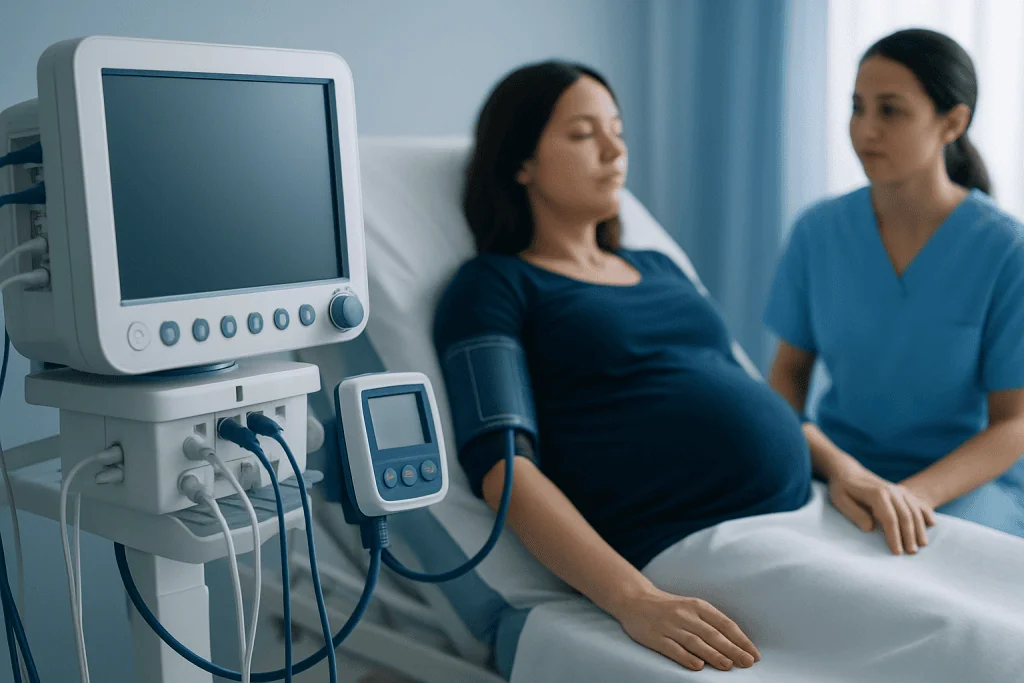
Some pregnant people with low blood pressure feel well and learn about it only during a routine prenatal visit. Others notice symptoms that tend to appear when they stand up quickly, have not eaten for several hours, are overheated, or are not drinking enough fluids.
Common symptoms can include:
- Dizziness or lightheadedness
- Feeling faint or actually fainting
- Nausea
- Blurred vision
- Weakness or unusual fatigue
- Trouble concentrating
- Clammy skin or a sense of overheating
Symptoms can also occur when lying flat on the back later in pregnancy, because the uterus may press on major blood vessels and reduce blood return to the heart. This is one reason clinicians often recommend side-lying rest, especially on the left side, if someone feels dizzy while lying on their back.
Low blood pressure symptoms can overlap with dehydration, low blood sugar, iron deficiency, and even normal pregnancy fatigue. If the symptoms are frequent, severe, or new, a doctor may look beyond blood pressure alone and check for other causes that can be treated.
Why it happens: common causes and risk factors
The most common reason for low blood pressure during pregnancy is normal physiologic change. Pregnancy hormones, especially early on, relax blood vessel walls. This allows blood to flow more easily but can temporarily lower blood pressure. As the body adjusts and blood volume increases, many people feel better.
Other contributors are also common. Dehydration from vomiting, hot weather, exercise, or simply not drinking enough can lower blood pressure and make dizziness worse. Long gaps between meals may contribute by causing low blood sugar. Iron deficiency or more significant anemia can also lead to weakness, lightheadedness, and shortness of breath.
Less often, low blood pressure may be linked to infection, prolonged bed rest, certain medications, endocrine problems, or significant bleeding. Symptoms that are severe or out of proportion to a typical faint feeling should not be explained away as “just pregnancy.” If there is abdominal pain, shoulder pain, bleeding, fever, palpitations, or breathlessness, a clinician may consider a wider range of causes, including urgent ones.
People who are carrying multiples, have severe nausea and vomiting, are underweight, or have a history of fainting may be more prone to low blood pressure symptoms. A personalized medical review helps identify whether the cause is likely to be benign, temporary, or something that needs treatment.
What works at home, what may help, and what does not have good evidence
For mild low blood pressure pregnancy symptoms, several home strategies are supported by basic clinical reasoning and routine prenatal advice. Drinking fluids regularly is one of the most helpful steps, especially if there has been vomiting, sweating, or poor intake. Eating small, regular meals can help prevent dips related to low blood sugar, and standing up slowly gives the body more time to adjust blood flow.
Resting on the left side may reduce pressure on major blood vessels and improve comfort, particularly later in pregnancy. Avoiding prolonged standing, hot showers, overheated rooms, and tight spaces may also reduce symptoms. If a clinician confirms iron deficiency, appropriate treatment such as iron infusion or oral iron may be recommended depending on the situation.
Some approaches are popular but are supported mostly by anecdote rather than strong evidence. These include very salty snacks beyond usual dietary advice, herbal tonics, caffeinated drinks for symptom relief, and “energy” supplements. They may be inappropriate in pregnancy, can interact with medications, and should not be used as a substitute for evaluation. Increasing salt intake should only be discussed with a clinician, especially if there are other medical conditions.
What usually does not help is pushing through repeated dizziness, skipping meals to control nausea, or self-treating fainting with internet remedies alone. Compression garments may help some people with pooling of blood in the legs, but their usefulness varies and they are best discussed with a clinician if symptoms persist. Home blood pressure monitoring can be useful when recommended, but numbers should be interpreted together with symptoms and prenatal findings.
Diagnosis: how clinicians check whether it is normal or needs treatment
When low blood pressure symptoms are mentioned at a prenatal visit, the clinician usually starts with the story behind them. Timing matters. Symptoms that occur after standing up, after vomiting, or in hot weather may suggest dehydration or positional hypotension, while symptoms with palpitations, bleeding, or severe weakness may point elsewhere.
Blood pressure may be measured more than once and sometimes in different positions. The clinician may also review fluid intake, eating patterns, medications, and whether the person has had heavy vomiting. A physical examination can look for dehydration, pale skin, fast heart rate, swelling, or signs of another illness.
Depending on symptoms, tests may include blood work to assess anemia, blood sugar, electrolytes, or infection. If symptoms are significant, doctors may also evaluate the heart rhythm or other medical causes. In some cases, support from pregnancy follow-up services helps track blood pressure trends and overall maternal well-being over time.
The goal is not simply to label the blood pressure as low, but to decide whether it is a normal pregnancy adaptation, a manageable day-to-day issue, or a sign that treatment is needed. This distinction is especially important when symptoms are worsening, repetitive, or interfering with daily life.
Treatment options when home measures are not enough
Treatment depends on the cause. If the main issue is dehydration, the plan may focus on oral rehydration, nausea management, and sometimes intravenous fluids if symptoms are more severe. If the problem is low food intake from nausea, addressing vomiting and supporting nutrition can make a noticeable difference.
If testing shows iron deficiency or anemia, treatment may include dietary advice, iron supplements, or in selected cases iron infusion. When low blood pressure is related to medication side effects or another medical condition, the underlying issue needs targeted care rather than home remedies alone.
For symptoms triggered by lying flat later in pregnancy, positional changes are often enough. If there are heart-related symptoms such as chest discomfort, persistent palpitations, or unexplained fainting, further evaluation is important. In those situations, a clinician may involve specialists and use additional monitoring to rule out less common but more serious causes.
Near the end of care planning, some international patients may seek assessment in specialist centers. Acibadem International’s multidisciplinary teams in JCI-accredited hospitals diagnose and treat pregnancy-related concerns with coordinated obstetric and medical evaluation when needed.
Prevention and self-care for daily symptom control
Not every episode can be prevented, but a few consistent habits can make symptoms less frequent. Drinking fluids throughout the day, rather than catching up only when thirsty, is a practical starting point. Many people also feel better when they eat smaller meals and snacks at regular intervals instead of having long periods without food.
Changing position slowly is another simple but effective measure. Before standing, it can help to sit on the edge of the bed for a moment, move the legs, and then rise gradually. If dizziness appears, sitting or lying on the left side can reduce the risk of a fall.
It may also help to avoid prolonged standing, hot baths, overheating, and sudden strenuous activity, especially if symptoms are predictable in those situations. Wearing comfortable clothing and keeping a quick snack and water nearby can be useful during work, travel, or clinic visits.
Self-care should stay within safe limits. Pregnant people should not start supplements, herbs, or major diet changes specifically for low blood pressure unless advised by a qualified clinician. If symptoms are new, frequent, or worsening, prevention measures should be paired with medical guidance rather than trial-and-error alone.
When to seek medical care
Seek urgent medical care if low blood pressure symptoms come with red-flag signs such as fainting, vaginal bleeding, severe abdominal or pelvic pain, chest pain, shortness of breath, a racing or irregular heartbeat, confusion, fever, or severe dehydration with very little urine. These symptoms are not typical of simple day-to-day dizziness and need prompt assessment.
Medical advice is also important if dizziness is recurring, if home measures no longer help, or if symptoms are affecting eating, drinking, walking, or work. A person should contact their prenatal team if they cannot keep fluids down, have repeated near-fainting episodes, or notice marked weakness or paleness that might suggest worsening anemia.
Even when symptoms seem mild, a check-up is reasonable if there is concern about the baby’s movements, persistent headaches, or any symptom that feels clearly different from usual. Clinical assessment helps identify whether the issue is normal pregnancy-related hypotension or something that needs treatment, such as dehydration, anemia, or another medical problem.
Frequently asked questions
Is low blood pressure in pregnancy normal?
It can be normal, especially in the first and second trimesters, because pregnancy hormones relax blood vessels and change circulation. What matters most is whether symptoms are mild and brief or severe and persistent. A clinician should assess repeated fainting, worsening dizziness, or any red-flag symptoms.
What is the best home remedy for low blood pressure pregnancy?
The most reliable home measures are drinking enough fluids, eating small regular meals, and standing up slowly. Resting on the left side may also help, particularly later in pregnancy. These steps are generally more evidence-based than herbal or supplement-based remedies.
Can low blood pressure harm the baby?
Mild low blood pressure from normal pregnancy changes does not usually cause harm on its own. The bigger concern is the underlying cause if symptoms are severe, such as dehydration, significant anemia, or bleeding. That is why persistent or serious symptoms should be checked promptly.
Should a pregnant person increase salt intake for low blood pressure?
Not without medical advice. Although salt can affect blood pressure, routine self-treatment with extra salt is not the standard recommendation in pregnancy and may not be appropriate for everyone. It is better to focus first on hydration, regular meals, and medical review if symptoms continue.
When is dizziness in pregnancy an emergency?
Dizziness needs urgent care if it happens with fainting, bleeding, severe abdominal pain, chest pain, trouble breathing, confusion, fever, or signs of severe dehydration. These symptoms can point to something more serious than ordinary low blood pressure. If there is any doubt, it is safest to seek immediate medical help.
Can anemia cause low blood pressure symptoms in pregnancy?
Yes. Anemia may contribute to lightheadedness, weakness, fatigue, and shortness of breath, which can feel similar to low blood pressure symptoms. A blood test can help confirm whether anemia is present and guide the right treatment.
References
- American College of Obstetricians and Gynecologists
- Centers for Disease Control and Prevention
- National Health Service
- Merck Manual Consumer Version
- World Health Organization
This article is for general information only and is not a substitute for professional medical advice. Please consult a qualified doctor about your individual situation.
Explore treatments in Turkey — costs, top hospitals & a free quote
JCI-accredited · board-certified surgeons · reply within 24h
Add us as a Preferred Source to see more of our trusted health content across Google Search, AI Overviews and Discover.
Check your numbers in seconds
BMI, calories, due date, blood pressure and 30+ more clinical calculators — free, instant, doctor-reviewed ranges.