Low Impact Cardio: What Patients Need to Know

Low impact cardio raises the heart rate without repeated hard landings or heavy joint loading. Walking, cycling, swimming, water aerobics, elliptical training, and low impact dance are common options.
Key Takeaways
- Low impact cardio raises the heart rate without repeated hard landings or heavy joint loading.
- Walking, cycling, swimming, water aerobics, elliptical training, and low impact dance are common options.
- It can support heart health, weight management, blood sugar control, mood, balance, and daily function.
- The best choice depends on a person's fitness level, joint health, symptoms, and medical history.
- Gradual progression, proper technique, and medical advice when needed help make exercise safer and more effective.
Low impact cardio is aerobic exercise that improves heart and lung fitness while reducing stress on the joints. It can suit beginners, older adults, people returning after illness or injury, and many patients who want a safer, sustainable way to stay active.
Overview: What low impact cardio means
Low impact cardio is exercise that increases breathing and heart rate while limiting pounding forces on the body, especially the knees, hips, ankles, and lower back. In practical terms, it usually means at least one foot stays in contact with the ground, or the activity takes place in water or on equipment that supports the body more gently. It is still real cardiovascular exercise, not a lesser version of fitness.
For many patients, low impact cardio is one of the most sustainable ways to become more active. It can be helpful for beginners, older adults, people living with joint discomfort, those with larger body size, and anyone returning to movement after time away from exercise. It is also commonly used in rehabilitation and long-term wellness plans because it is easier to continue consistently.
Examples include brisk walking, cycling, swimming, water aerobics, rowing, using an elliptical machine, and low impact aerobic classes. Depending on pace and resistance, these activities can range from very gentle to quite challenging. The main difference from high impact exercise is not intensity alone, but how much repeated force passes through the joints with each step or landing.
How it differs from high impact exercise
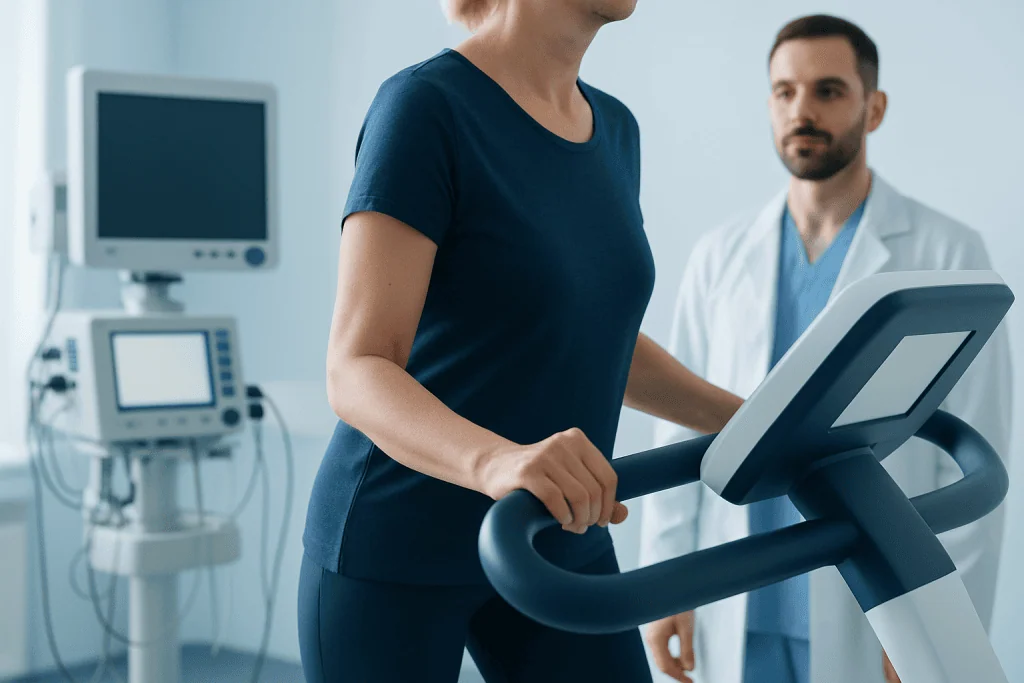
High impact exercise usually includes repeated jumping, running, hopping, or fast directional changes. These activities can be excellent for fitness and bone health in the right person, but they place greater forces on the muscles, tendons, and joints. Low impact cardio reduces those forces while still improving endurance.
This distinction matters because exercise tolerance is not only about motivation. Someone with <a href="https://acibademinternational.com/diseases/knee-osteoarthritis/”>knee osteoarthritis, back pain, obesity, pregnancy-related discomfort, recent surgery, or balance concerns may find high impact exercise difficult or unsafe. In these situations, low impact options can help maintain activity without worsening symptoms.
Low impact does not mean low effort. A fast walk uphill, a vigorous cycling session, or a structured pool workout can provide a strong aerobic challenge. Patients who are already fit may use low impact cardio for recovery days, cross-training, or conditioning when they want to protect the joints while keeping cardiovascular fitness high.
People with long-standing joint symptoms may also benefit from medical evaluation to understand the underlying cause. For example, ongoing knee pain may relate to knee pain from overuse, arthritis, or alignment problems, and choosing the right exercise can be part of a broader care plan.
Benefits of low impact cardio

Regular low impact cardio supports the heart, lungs, circulation, and overall stamina. Over time, it can make everyday tasks feel easier, such as climbing stairs, walking longer distances, carrying groceries, or keeping up with family activities. It also helps many people build an exercise routine they can continue over months and years, which is one of the strongest predictors of long-term health benefit.
It may also support weight management, healthier blood pressure, improved cholesterol profile, and better blood sugar control when combined with an overall healthy lifestyle. For patients at risk of cardiovascular disease or metabolic conditions, gentle but consistent aerobic activity is often more realistic than intense programs that are difficult to maintain.
Beyond physical fitness, low impact cardio can improve mood, reduce stress, and support sleep quality. Rhythmical movement, fresh air, and regular routines can help mental well-being, especially when exercise feels manageable rather than punishing. Many people also notice better confidence in movement, balance, and flexibility when they stay active.
In people with musculoskeletal limitations, low impact training may reduce flare-ups compared with more jarring exercise. It can be especially useful alongside treatments such as physical therapy and rehabilitation when the aim is to rebuild strength and endurance safely.
Common types of low impact cardio and who they may suit
Walking is often the easiest place to start because it needs little equipment and can be adapted to many fitness levels. A slower pace may suit people just beginning, while brisk walking, incline walking, or longer distances can provide a moderate workout. Supportive shoes and a comfortable surface matter, especially for people with foot, knee, or hip discomfort.
Cycling, whether outdoors or on a stationary bike, is another common choice. It is often well tolerated by people who want to reduce joint loading while still working hard enough to improve endurance. Seat height, resistance, and posture make a difference, and poor bike fit can lead to avoidable knee or back strain.
Swimming and water aerobics are particularly helpful when weight-bearing exercise is painful. Water supports body weight, making movement feel easier while adding natural resistance. This can benefit people with arthritis, obesity, or recovery needs after some injuries and procedures.
Elliptical trainers, rowing machines, chair aerobics, tai chi-inspired cardio flow, and low impact dance classes may also be appropriate. Patients with mobility limitations, recurring back or neck symptoms, or neurologic conditions may need a tailored plan. When symptoms affect coordination or gait, specialist assessment may be useful, sometimes alongside neurological rehabilitation.
- Best for beginners: walking, recumbent cycling, chair cardio
- Best for joint sensitivity: water exercise, elliptical, stationary cycling
- Best for variety: dance-based low impact classes, rowing, circuit training
- Best for home use: walking videos, step-free aerobic routines, exercise bike
How to start safely and build a routine
A practical starting point is to choose an activity that feels acceptable, available, and easy to repeat. For some people, that means a 10-minute walk after meals. For others, it may be 15 minutes on a stationary bike three times a week. The best routine is usually the one a person can realistically continue.
Warm-up and cool-down periods help the body adjust. Beginning at an easy pace for several minutes and finishing gradually can reduce discomfort and make exercise feel more comfortable. People often do well with the “talk test”: during moderate activity, speaking in full sentences should still be possible, even if breathing is faster.
Progress should be gradual. Time, frequency, or intensity can be increased one step at a time rather than all at once. Sudden changes are a common reason for overuse pain. If symptoms such as joint swelling, sharp pain, severe breathlessness, or prolonged fatigue occur, the program may need adjustment.
Technique and posture also matter. Comfortable shoes, supportive equipment, hydration, and a safe environment can prevent avoidable problems. Patients recovering after surgery, injury, or prolonged inactivity may benefit from structured guidance, and some may be referred for sports injuries care or rehabilitation if pain limits exercise.
Who should take extra care before doing low impact cardio
Although low impact cardio is generally approachable, not everyone should start a new exercise program without considering their medical history. Extra caution is sensible for people with known heart disease, unexplained chest discomfort, severe shortness of breath, uncontrolled high blood pressure, significant dizziness, advanced arthritis, recent fractures, or recent surgery. Pregnancy, diabetes complications, and certain neurologic or balance disorders may also call for individualized advice.
Patients with chronic pain should not assume all pain during exercise is normal. Mild muscle effort and temporary stiffness can be expected, but sharp, worsening, or one-sided pain deserves attention. Activity may need to be modified by adjusting range of motion, duration, resistance, or the type of exercise chosen.
People living with obesity, frailty, or reduced mobility often benefit from low impact cardio, but starting too hard can still lead to setbacks. A clinician, physiotherapist, or exercise professional with medical experience can help match the exercise type to the person’s goals and limitations. This is especially helpful when there are multiple conditions affecting stamina and safety.
For patients with known heart rhythm problems, prior heart attack, or symptoms that occur with exertion, medical assessment is important before increasing activity. In some cases, doctors may recommend testing or supervision, particularly if the aim is to move from sedentary habits to a more demanding program.
When to seek medical care
Medical advice should be sought promptly if exercise brings chest pain, pressure, fainting, severe shortness of breath, blue lips, new palpitations, or sudden weakness. These symptoms are not typical effects of ordinary exercise and should not be ignored. Stopping the activity and seeking urgent evaluation is the safest response.
Patients should also contact a doctor if they develop joint swelling, pain that lasts more than a few days after exercise, repeated falls, or back pain with numbness or leg weakness. These signs may suggest an injury or an underlying problem that needs proper diagnosis before exercise continues.
Ongoing fatigue, declining exercise tolerance, calf pain with swelling, or breathlessness that seems out of proportion to effort also deserve assessment. Sometimes the issue is simple deconditioning, but these symptoms can overlap with medical conditions that require treatment. Early review can help people return to activity more safely and confidently.
Multidisciplinary specialists at Acibadem International diagnose and treat exercise-limiting conditions for international patients in JCI-accredited hospitals, particularly when heart, lung, neurologic, or musculoskeletal symptoms make activity difficult.
Making low impact cardio part of long-term health
Low impact cardio works best when it becomes part of daily life rather than a short-term challenge. Pairing movement with existing routines can help, such as walking after breakfast, cycling while watching television, or scheduling a pool session on the same days each week. Consistency matters more than perfection.
Variety can prevent boredom and reduce overuse. Alternating walking, cycling, and water exercise changes the load on the body while maintaining aerobic benefit. Some patients also add light strength training and flexibility work, since muscle support, balance, and joint mobility all influence how comfortable cardio feels.
Tracking progress in simple ways can be motivating. Instead of focusing only on body weight, patients may notice improved energy, better sleep, easier stair climbing, or longer activity without discomfort. These functional gains often reflect meaningful health improvement.
Ultimately, low impact cardio is not only for people who cannot do high impact exercise. It is a versatile, evidence-based way to support cardiovascular health across many ages and health backgrounds. A qualified doctor can help tailor the right exercise plan when symptoms, chronic conditions, or recovery needs are part of the picture.
Frequently asked questions
Is low impact cardio effective for fitness?
Yes. Low impact cardio can improve cardiovascular endurance, stamina, and overall health when done regularly at an appropriate intensity. It may be especially effective because many people find it easier to continue over time.
Can low impact cardio help with weight management?
It can support weight management by increasing daily energy use and helping people stay active more consistently. Results are usually best when exercise is combined with eating habits, sleep, and other lifestyle measures that support long-term health.
What is the best low impact cardio for bad knees?
There is no single best option for everyone, but many people with knee symptoms tolerate cycling, swimming, water aerobics, or elliptical exercise well. The most suitable choice depends on the cause of the knee pain, fitness level, and whether certain movements trigger symptoms.
How often should a beginner do low impact cardio?
A beginner may start with short sessions several times a week and increase gradually as comfort and endurance improve. Even 10 to 15 minutes at a time can be a useful starting point if the activity is repeated consistently.
Is walking considered low impact cardio?
Yes. Walking is one of the most common forms of low impact cardio because it raises the heart rate without the repeated landing forces of running or jumping. Pace, hills, and duration can make it easier or more challenging.
Can older adults do low impact cardio safely?
Many older adults can benefit from low impact cardio, including better endurance, mobility, and confidence with daily movement. The safest approach depends on medical conditions, balance, medications, and any symptoms that occur during activity, so professional guidance may be helpful.
References
- World Health Organization
- American Heart Association
- Centers for Disease Control and Prevention
- American College of Sports Medicine
- National Institute on Aging
This article is for general information only and is not a substitute for professional medical advice. Please consult a qualified doctor about your individual situation.
Joint and spine care in Turkey — expert assessment & treatment
JCI-accredited · board-certified surgeons · reply within 24h
Add us as a Preferred Source to see more of our trusted health content across Google Search, AI Overviews and Discover.
Check your numbers in seconds
BMI, calories, due date, blood pressure and 30+ more clinical calculators — free, instant, doctor-reviewed ranges.

More from the Health Library

Cipro and Drinking Alcohol During Infection Treatment

Flanks: What Patients Need to Know

Dyslexia: What Patients Need to Know

Beano Gas — Explained by Medical Evidence, Not Myths

Non Comedogenic Moisturizer: An Evidence-Based Guide for Patients