Low Libido in Women: Possible Causes, Hormone Factors, and When to Ask for Help

Low libido in women is common and may be temporary or ongoing. Hormone changes can affect sexual desire, but they are only one part of the picture.
Key Takeaways
- Low libido in women is common and may be temporary or ongoing.
- Hormone changes can affect sexual desire, but they are only one part of the picture.
- Emotional wellbeing, relationship factors, sleep, pain, and medications can all contribute.
- A doctor can look for treatable causes such as menopause, thyroid problems, depression, or vaginal dryness.
- Treatment depends on the cause and may include counseling, lifestyle changes, managing pain, or hormone-related care.
Low libido in women is common and can happen for many reasons, including hormone changes, stress, medical conditions, medications, pain, and relationship concerns. It is often treatable, especially when the underlying cause is identified with thoughtful medical evaluation.
Overview
Low libido in women means a reduced interest in sexual activity that feels noticeable, persistent, or distressing. Sexual desire naturally changes over time, so a lower level of interest is not always a medical problem. For many women, libido shifts with age, life stage, stress levels, physical health, and relationship circumstances.
Sexual desire is influenced by the body, mind, and emotions together. Hormones can play an important role, but desire is also shaped by sleep, fatigue, mood, body image, life pressures, pain, medications, and how connected a woman feels to her partner. Because of this, low libido rarely has just one single explanation.
It can help to think of libido as part of overall wellbeing rather than as an isolated symptom. A woman may notice less spontaneous desire, fewer sexual thoughts, less interest in intimacy, or less response to situations that previously felt arousing. When these changes cause concern or affect quality of life, speaking with a qualified doctor can be helpful and reassuring.
Symptoms and How It May Feel
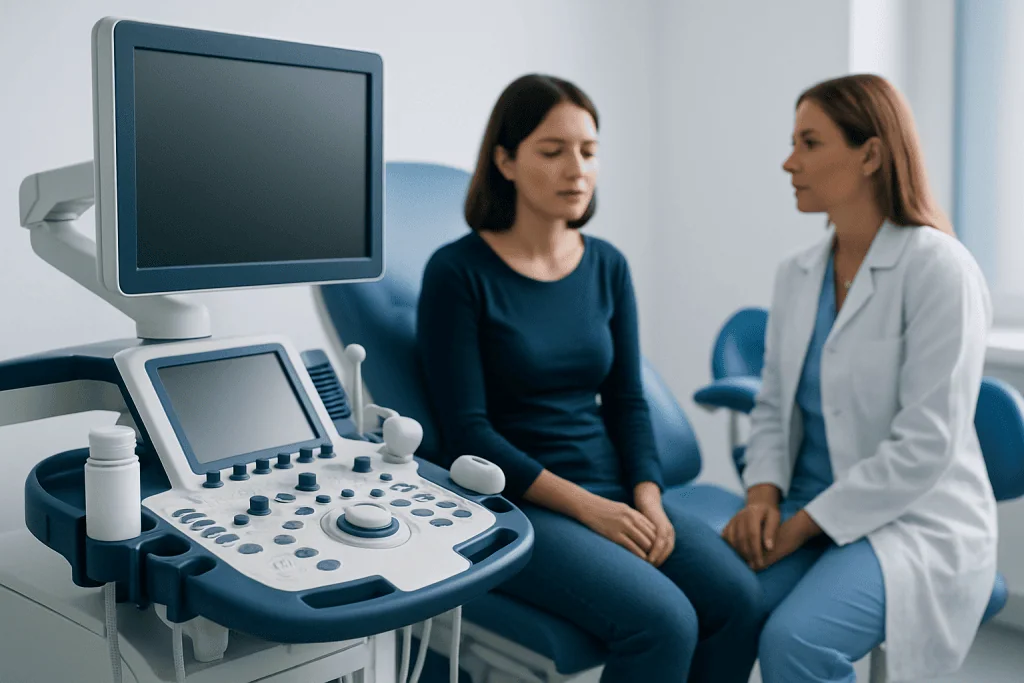
Low libido can look different from one person to another. Some women feel little or no desire for sex, while others still want closeness and affection but are less interested in sexual activity itself. Some notice a clear change from their usual level of desire, and others feel that low desire has been present for a long time.
Common experiences may include reduced interest in initiating sex, fewer sexual thoughts or fantasies, less pleasure from intimacy, or difficulty becoming mentally engaged even when physical touch is present. For some women, desire is lower mainly at certain times, such as after childbirth, during menopause, or during periods of high stress.
Low libido may also occur alongside other symptoms that offer clues about the cause. These can include vaginal dryness, discomfort during sex, sleep problems, mood changes, hot flashes, fatigue, anxiety, or relationship tension. If pain is part of the picture, a doctor may also assess for related concerns such as vaginismus or other causes of painful intercourse.
- Less interest in sexual activity than usual
- Fewer sexual thoughts or fantasies
- Reduced arousal or pleasure
- Distress about changes in sexual desire
- Pain, dryness, or discomfort during intimacy
Possible Causes and Risk Factors

There are many possible causes of low libido in women. Emotional and psychological factors are common. Stress, anxiety, depression, grief, burnout, and past difficult experiences can all affect sexual desire. Everyday pressures such as childcare, work demands, caregiving responsibilities, and lack of personal time may leave very little physical or mental energy for intimacy.
Relationship factors can also be important. Desire may decrease when there is unresolved conflict, poor communication, low emotional closeness, mismatched expectations, or a history of disappointment or pain during sex. In many cases, the issue is not lack of affection but a combination of emotional distance, tension, and physical discomfort.
Medical conditions may lower libido directly or indirectly. Chronic pain, diabetes, thyroid disorders, heart disease, obesity, depression, and sleep disorders can all influence sexual interest. Hormonal conditions may contribute as well, especially around menopause or with disorders that affect estrogen, testosterone, or thyroid hormones. For example, a doctor may consider whether symptoms suggest menopause or a thyroid-related problem affecting energy and mood.
Some medicines can also reduce sexual desire. These may include certain antidepressants, blood pressure medicines, hormonal treatments, and other medications that affect mood, circulation, or hormone balance. Alcohol misuse, smoking, poor sleep, and severe fatigue are additional factors that can make low libido more likely or more noticeable.
Hormone Factors That Can Affect Libido
Hormones are one part of sexual desire, especially in times of major hormonal change. Estrogen supports vaginal tissue health, natural lubrication, and comfort during sex. When estrogen levels fall, such as during perimenopause, menopause, or after some medical treatments, dryness and discomfort can develop. When sex becomes uncomfortable, desire often decreases as well.
Testosterone, though present at lower levels in women than in men, may also influence sexual desire in some women. The relationship is complex, and low libido cannot be explained by testosterone alone. Progesterone shifts, changes after childbirth, and breastfeeding-related hormone changes may also affect energy, mood, vaginal comfort, and desire.
Thyroid hormones can matter too. An underactive or overactive thyroid may affect mood, energy, sleep, and menstrual patterns, all of which can influence sex drive. Hormonal causes are especially worth discussing if low libido appears together with hot flashes, vaginal dryness, irregular periods, mood symptoms, or unexplained changes in weight and energy.
Because hormones are only one piece of the puzzle, testing is not always needed for every woman. A clinician decides whether hormone evaluation is useful based on symptoms, age, menstrual history, medications, and overall health. In some situations, care may involve support from endocrinology and metabolic diseases specialists when hormone-related conditions are suspected.
How Doctors Diagnose the Cause
Diagnosis starts with a respectful conversation. A doctor usually asks when the problem began, whether it is new or long-standing, and whether it happens all the time or only in certain situations. Questions may cover menstrual changes, pregnancy or postpartum history, menopausal symptoms, pain during sex, mood, sleep, medications, stress, and relationship concerns.
A physical examination may be recommended, especially if there is pain, dryness, bleeding, pelvic symptoms, or signs of hormonal changes. The aim is to look for common and treatable issues such as vaginal atrophy, infection, pelvic floor tension, skin conditions, or other gynecologic causes of discomfort. If needed, evaluation may include blood tests for thyroid function, blood sugar, or other general health concerns.
Doctors do not diagnose low libido based on hormone levels alone. They look at the whole picture, including emotional wellbeing and physical comfort. If symptoms suggest depression, anxiety, trauma-related concerns, or major stress, mental health support may be part of the assessment. If persistent pain during intimacy is present, a gynecologic evaluation may be especially important and could include gynecology care.
Treatment Options
Treatment for low libido in women depends on the underlying cause. If stress, low mood, anxiety, or relationship strain is a major factor, counseling can be very helpful. This may include individual therapy, couples counseling, or sex therapy focused on communication, expectations, comfort, and rebuilding intimacy without pressure.
When vaginal dryness or painful sex is contributing, treatment may focus on improving comfort. This can include lubricants, moisturizers, and medical treatment for vaginal tissue changes when appropriate. If menopause-related symptoms are part of the problem, a doctor may discuss whether menopause treatment is suitable based on the woman’s symptoms, health history, and preferences.
If medications are contributing, a doctor may review alternatives, balancing sexual side effects with the need to treat the original condition safely. When a medical illness such as thyroid disease, diabetes, depression, or chronic pain is involved, better control of that condition may improve libido over time.
Some women benefit from a structured plan that includes better sleep, exercise, stress reduction, treatment of pain, and time for nonsexual closeness with a partner. In selected cases, hormone-related treatment may be considered, but this should always be individualized and supervised by a qualified clinician rather than started without medical advice.
Self-care, Prevention, and Daily Support
Not every case of low libido can be prevented, but daily habits can support sexual wellbeing. Good sleep, regular physical activity, balanced nutrition, and stress management all help protect energy, mood, and hormone balance. Reducing alcohol intake and avoiding smoking may also support circulation and general sexual health.
Open communication with a partner can make a meaningful difference. Discussing comfort, timing, expectations, and emotional needs may reduce pressure and improve connection. Some women find it helpful to focus first on affection, touch, and closeness rather than on performance or a specific sexual goal.
It is also important to address pain instead of trying to push through it. Painful sex can create anxiety and avoidance over time, which may further lower desire. If dryness, pelvic discomfort, or fear of pain is present, early treatment is often more effective than waiting.
For women seeking specialist support, Acibadem International’s multidisciplinary teams in JCI-accredited hospitals diagnose and treat women’s health concerns, including sexual health symptoms, for international patients.
When to Ask for Medical Help
A woman should consider seeing a doctor if low libido is persistent, distressing, or affecting her quality of life or relationship. Medical advice is also important if low desire appears suddenly, follows a new medication, or occurs together with fatigue, depressed mood, sleep problems, irregular periods, hot flashes, or unexplained physical changes.
Prompt evaluation is especially helpful when there is pain during sex, vaginal dryness that does not improve, bleeding, pelvic pain, or signs of a hormone-related condition. A doctor can help rule out treatable causes and suggest practical steps, even when the issue seems personal or difficult to describe.
Asking for help is not an overreaction. Sexual wellbeing is a valid part of overall health, and low libido is a common reason women seek advice. A supportive medical assessment can often clarify what is happening and guide safe, individualized treatment.
Frequently asked questions
Is low libido in women normal?
Changes in sexual desire are common and can happen at different stages of life. Low libido may be normal at times, but if it is persistent or causes distress, it is reasonable to discuss it with a doctor.
Can hormones cause low libido in women?
Yes, hormone changes can contribute, especially around perimenopause, menopause, after childbirth, or during breastfeeding. However, hormones are only one possible factor, and emotional wellbeing, pain, sleep, medications, and relationship issues can also play major roles.
Does menopause always lead to low sex drive?
No, not every woman experiences low libido during menopause. Some women notice little change, while others are affected by hot flashes, sleep disruption, vaginal dryness, or mood changes that can reduce desire.
Can antidepressants or other medicines lower libido?
Yes, some medicines can affect sexual desire, arousal, or orgasm. A woman should not stop prescribed medication on her own, but she can ask her doctor whether an adjustment or alternative may be appropriate.
What kind of doctor should a woman see for low libido?
A primary care doctor or gynecologist is often a good place to start. Depending on the cause, care may also involve an endocrinologist, pelvic health specialist, mental health professional, or sex therapist.
Can low libido improve without medication?
Yes, in many cases it can improve with treatment of the underlying cause, better sleep, stress management, pain relief, counseling, and improved communication with a partner. Medication is only one possible part of treatment and is not needed for everyone.
References
- World Health Organization
- American College of Obstetricians and Gynecologists
- National Institute on Aging
- National Health Service
- Mayo Clinic
This article is for general information only and is not a substitute for professional medical advice. Please consult a qualified doctor about your individual situation.
Explore treatments in Turkey — costs, top hospitals & a free quote
JCI-accredited · board-certified surgeons · reply within 24h
Add us as a Preferred Source to see more of our trusted health content across Google Search, AI Overviews and Discover.
Check your numbers in seconds
BMI, calories, due date, blood pressure and 30+ more clinical calculators — free, instant, doctor-reviewed ranges.