Lower Back Pain and Sitting: Possible Causes and When to Seek Care

Sitting can increase pressure on the lower spine, especially with slouched posture or long periods of inactivity. Common causes include muscle strain, disc problems, joint irritation, and nerve compression such as sciatica.
Key Takeaways
- Sitting can increase pressure on the lower spine, especially with slouched posture or long periods of inactivity.
- Common causes include muscle strain, disc problems, joint irritation, and nerve compression such as sciatica.
- Red-flag symptoms include weakness, numbness, fever, unexplained weight loss, or bowel or bladder changes.
- Early self-care may include posture correction, regular movement breaks, and guided exercise.
- A doctor may recommend physical examination, imaging, or specialist care when symptoms persist or worsen.
Lower back pain and sitting is common and often linked to posture, prolonged sitting, muscle strain, or irritation in the discs, joints, or nerves of the lower spine. In many cases it improves with movement, ergonomic changes, and conservative care, but persistent, severe, or nerve-related symptoms should be medically assessed.
Overview: Why Sitting Can Trigger Lower Back Pain
Lower back pain and sitting often happen together because sitting changes how the spine carries body weight. Compared with standing or walking, sitting may place greater pressure on the discs of the lower back, especially if posture is rounded, the pelvis tilts backward, or the core muscles tire over time. For many people, the pain is mechanical, meaning it is related to muscles, joints, discs, ligaments, or posture rather than a serious disease.
The symptom can feel different from person to person. Some notice a dull ache after desk work or driving, while others feel sharp pain when rising from a chair. Pain may stay in the lower back or spread into the buttock, hip, or leg. This pattern can offer clues about whether the source is muscle tension, joint irritation, or a nerve-related condition such as sciatica.
Not all sitting-related back pain means damage is occurring. Sometimes the body is reacting to static positioning, reduced circulation, stiff tissues, or weak support muscles. Even so, recurring pain deserves attention because early changes in habits, workspace setup, and exercise can reduce symptoms and help prevent longer-term problems.
How the Body Reacts to Prolonged Sitting
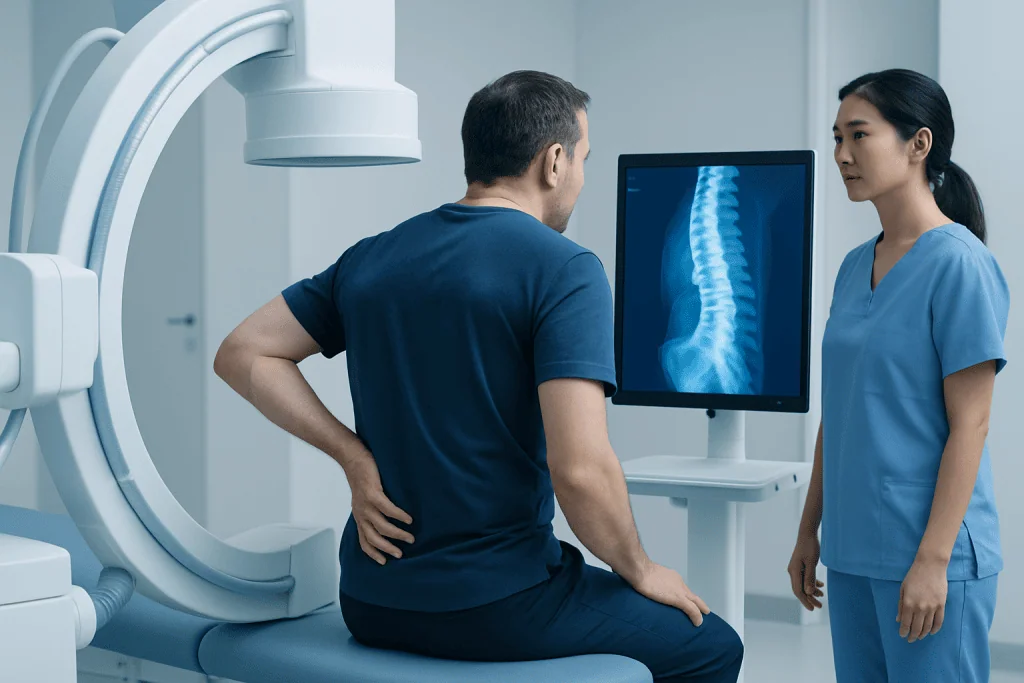
When a person sits for long periods, the hips remain flexed and the lower back may lose its natural curve. This can tighten the hip flexors, strain the supporting muscles of the spine, and increase stress across the lumbar discs and facet joints. If the chair does not support the lower back well, the trunk may slump forward, which adds further load.
Prolonged sitting also reduces movement variability. The spine and surrounding muscles generally do better with small, frequent changes in position than with one fixed posture for hours. Even a good posture becomes uncomfortable when held too long. This is one reason many people feel temporary relief when they stand, stretch, or walk.
Another factor is deconditioning. If the abdominal, gluteal, and back muscles are not working efficiently, the spine may have less dynamic support during daily activities. Stress, poor sleep, and low physical activity can also make pain feel more intense by increasing muscle tension and lowering pain tolerance.
Possible Causes of Lower Back Pain While Sitting

One of the most common causes is muscle or ligament strain. This may follow lifting, twisting, sudden activity, or simply spending many hours in a poorly supported seated position. Strained tissues can become sore and tight, especially at the end of the day or when standing up after sitting for a while.
Intervertebral discs are another frequent source. The discs act as cushions between the vertebrae, and sitting may increase pressure inside them. In some people, a bulging or irritated disc can cause central low back pain, while in others it can press on a nerve root and lead to radiating pain, tingling, or numbness. This may be evaluated as a herniated disc when symptoms and examination findings fit that pattern.
Facet joint irritation, sacroiliac joint dysfunction, and age-related wear can also make sitting uncomfortable. These structures may become stiff or inflamed and can hurt with certain seated positions or when transitioning from sitting to standing. Osteoarthritis in the spine is more common with age, though not every age-related change seen on imaging is the true cause of pain.
Other possibilities include spinal stenosis, poor ergonomics, inflammatory conditions, and less commonly fractures, infection, or cancer. Risk factors that make symptoms more likely include sedentary work, obesity, smoking, weak trunk and hip muscles, previous back injury, repetitive lifting, and long-distance driving.
Symptoms That May Help Identify the Cause
The pattern of pain can be useful. A dull, localized ache across the beltline often points to muscle tension or mechanical strain. Pain that is worse after long sitting and better with brief walking may suggest postural or disc-related stress. Morning stiffness that eases with movement can occur with age-related changes, but inflammatory causes are considered when stiffness is prolonged and accompanied by other symptoms.
Some symptoms suggest nerve involvement. Pain traveling from the lower back into the buttock and down the leg, especially if accompanied by tingling, numbness, or burning, may indicate irritation of the sciatic nerve or a related nerve root. Weakness in the foot or leg, trouble lifting the front of the foot, or worsening numbness deserves prompt medical review.
A few features are considered warning signs rather than typical mechanical pain. These include back pain with fever, unexplained weight loss, significant trauma, a history of cancer, night pain that does not improve with position changes, or new bowel or bladder problems. These symptoms do not always mean a serious condition, but they do require timely evaluation.
- Mechanical pain: often related to posture, activity, or sitting time
- Nerve pain: may radiate into the buttock, thigh, calf, or foot
- Inflammatory clues: prolonged morning stiffness or pain that improves only after substantial movement
- Red flags: fever, weakness, trauma, weight loss, or bowel/bladder changes
Diagnosis: How Doctors Assess Sitting-Related Back Pain
Evaluation usually begins with a detailed history. A doctor may ask when the pain started, whether it is linked to sitting, how long it lasts, what relieves it, and whether it radiates to the leg. Questions about work setup, exercise habits, injury history, sleep, and general health can help narrow the likely cause.
The physical examination often includes posture assessment, range of motion testing, nerve examination, and checks for muscle tenderness or weakness. The doctor may also look for signs that suggest the pain comes from the hip, sacroiliac joint, or other nearby structures rather than the spine itself.
Imaging is not always needed right away for uncomplicated low back pain. Many people improve with conservative care, and early scans may show age-related changes that are not actually causing symptoms. However, X-rays, MRI, or other tests may be advised if pain is severe, persists, follows injury, includes neurological symptoms, or raises concern for infection, fracture, or another underlying condition. In selected cases, a specialist may recommend an MRI scan to evaluate discs, nerves, and soft tissues in more detail.
Treatment Options and Practical Relief Strategies
Treatment depends on the cause, severity, and duration of symptoms. For most mechanical back pain, the first approach is conservative. This may include relative rest rather than prolonged bed rest, gentle activity, heat, posture correction, and guided exercises to improve flexibility and strengthen the core, hips, and back. Many people benefit from a structured physical therapy and rehabilitation plan tailored to the way their pain behaves during sitting, standing, and walking.
Simple ergonomic changes can make a meaningful difference. A chair with lumbar support, feet flat on the floor, hips and knees at comfortable angles, and a screen positioned at eye level can reduce strain. For drivers, adjusting the seat so the back is supported and taking breaks on longer journeys may help. Some people also find relief by alternating between sitting and standing during the day.
When symptoms involve nerve irritation, more targeted treatment may be needed. A doctor may recommend medications for short-term symptom control, specific exercises, or further evaluation if leg pain, numbness, or weakness is present. In carefully selected cases where a structural problem is confirmed and symptoms are persistent or progressive, a specialist may discuss advanced treatments, including spine surgery. Surgery is usually considered only after clinical assessment and when expected benefits outweigh risks.
Persistent pain can sometimes benefit from a multidisciplinary approach. This may include rehabilitation, pain management, and review by orthopedic or neurosurgical specialists when needed. Near the end of the care pathway, international patients may also seek assessment at Acibadem International, where multidisciplinary specialists in JCI-accredited hospitals evaluate and treat spine-related conditions.
Prevention and Self-Care for Daily Life
Prevention focuses less on finding one perfect sitting posture and more on reducing continuous strain. Regular movement is important. Short breaks every 30 to 60 minutes to stand, stretch, or walk can reduce stiffness and encourage the back muscles to reset. Even a brief change in position may help limit symptom build-up during desk work or travel.
Exercise can improve support for the lumbar spine. Programs that build core endurance, hip strength, and flexibility are commonly recommended. Walking, swimming, and clinician-guided strengthening routines are often well tolerated. Starting gradually is usually best, especially after a painful flare-up.
Healthy body weight, good sleep habits, and avoiding smoking may also support spinal health. For people whose symptoms are recurrent, it can help to review workstation layout, lifting technique, and daily routines that involve long periods of sitting. If pain keeps returning despite these changes, formal assessment is reasonable because a specific diagnosis may require more than self-care alone.
When to Seek Medical Care
Medical care is appropriate if lower back pain and sitting continues for more than a few weeks, returns frequently, or interferes with work, sleep, walking, or daily function. A doctor should also assess pain that is severe from the start or noticeably worsening instead of gradually improving.
Prompt medical attention is important when lower back pain is accompanied by numbness, tingling, or weakness in the leg, or if pain shoots below the knee. These symptoms can suggest nerve compression and may need further evaluation. If there is concern for a disc problem or related nerve symptoms, doctors may investigate conditions such as lumbar disc herniation based on examination and imaging findings.
Urgent assessment is needed for red-flag symptoms such as loss of bowel or bladder control, numbness around the groin or inner thighs, fever, unexplained weight loss, pain after a fall or accident, or a history of cancer or immune suppression. These situations are less common, but they should not be ignored because they may indicate a more serious underlying condition.
Frequently asked questions
Why does my lower back hurt more when I sit than when I stand?
Sitting can increase pressure on the discs and joints in the lower spine, especially if posture is slouched or the lower back is unsupported. Standing and walking often reduce this static pressure and allow the muscles to change position more naturally.
Can poor posture alone cause lower back pain and sitting discomfort?
Poor posture can contribute significantly, but it is not always the only reason. Muscle weakness, tight hips, prolonged sitting, disc irritation, or joint problems may also play a role, so symptoms should be viewed in the context of the whole person.
Is lower back pain while sitting a sign of a herniated disc?
It can be, but not always. A herniated disc is more likely when sitting-related back pain is accompanied by leg pain, tingling, numbness, or weakness, especially if the pain travels below the knee. A medical evaluation is needed to confirm the cause.
What can help relieve lower back pain from sitting at a desk?
Useful steps often include adjusting chair and screen height, supporting the lower back, keeping the feet flat, and taking regular movement breaks. Gentle stretching and strengthening exercises may also help reduce recurring symptoms over time.
When should someone worry about lower back pain and sitting?
It is important to seek medical advice if the pain lasts more than a few weeks, keeps returning, or affects normal activities. Urgent care is needed for symptoms such as leg weakness, bowel or bladder changes, fever, recent major injury, or numbness around the groin.
Should imaging be done right away for back pain that happens when sitting?
Not usually, if the pain is recent and uncomplicated. Many cases improve with conservative care, and imaging is often reserved for persistent symptoms, significant injury, nerve findings, or other warning signs.
References
- National Institute of Neurological Disorders and Stroke
- National Institute of Arthritis and Musculoskeletal and Skin Diseases
- American Academy of Orthopaedic Surgeons
- National Health Service
- World Health Organization
This article is for general information only and is not a substitute for professional medical advice. Please consult a qualified doctor about your individual situation.
Joint and spine care in Turkey — expert assessment & treatment
JCI-accredited · board-certified surgeons · reply within 24h
Add us as a Preferred Source to see more of our trusted health content across Google Search, AI Overviews and Discover.