Lower Right Back Cramps: An Evidence-Based Guide for Patients

Lower right back cramps often come from muscles, joints, or the spine, but kidney and abdominal problems can also cause similar pain. The pattern of pain matters: sudden cramping after activity suggests muscle strain, while fever, urinary changes, or numbness may point to another cause.
Key Takeaways
- Lower right back cramps often come from muscles, joints, or the spine, but kidney and abdominal problems can also cause similar pain.
- The pattern of pain matters: sudden cramping after activity suggests muscle strain, while fever, urinary changes, or numbness may point to another cause.
- Many mild cases improve with gentle movement, heat, posture correction, and short-term symptom relief.
- Medical evaluation is important if pain is severe, persistent, follows trauma, or occurs with weakness, numbness, fever, or bladder or bowel changes.
- Diagnosis may include a physical exam, urine tests, and imaging depending on the suspected cause.
Lower right back cramps are commonly caused by muscle strain, overuse, poor posture, or irritation of nearby structures such as the spine, kidneys, or abdomen. Most episodes improve with rest and self-care, but severe pain, fever, urinary symptoms, weakness, or pain after an injury should be assessed by a doctor.
Overview: what lower right back cramps can mean
Lower right back cramps describe painful tightening, aching, or spasms felt on the right side of the lower back. In many people, this symptom is linked to a strained muscle, irritated ligament, poor posture, prolonged sitting, or sudden twisting. These causes are usually mechanical, meaning the pain comes from how the back moves or bears weight.
However, the lower right back is close to several important structures, so cramp-like pain does not always start in the muscles. The kidneys, lower spine, sacroiliac joint, abdominal organs, and nerves can all produce pain that is felt in this area. Because of this, the symptom is best understood by looking at the whole pattern: what triggered it, how long it lasts, and whether other symptoms are present.
Most episodes are not dangerous and improve within days to a few weeks with simple care. Still, lower right back cramps deserve medical attention if they are intense, repeatedly return, interfere with walking or sleep, or appear with fever, urinary symptoms, weakness, numbness, or pain spreading down the leg.
How the symptoms may feel
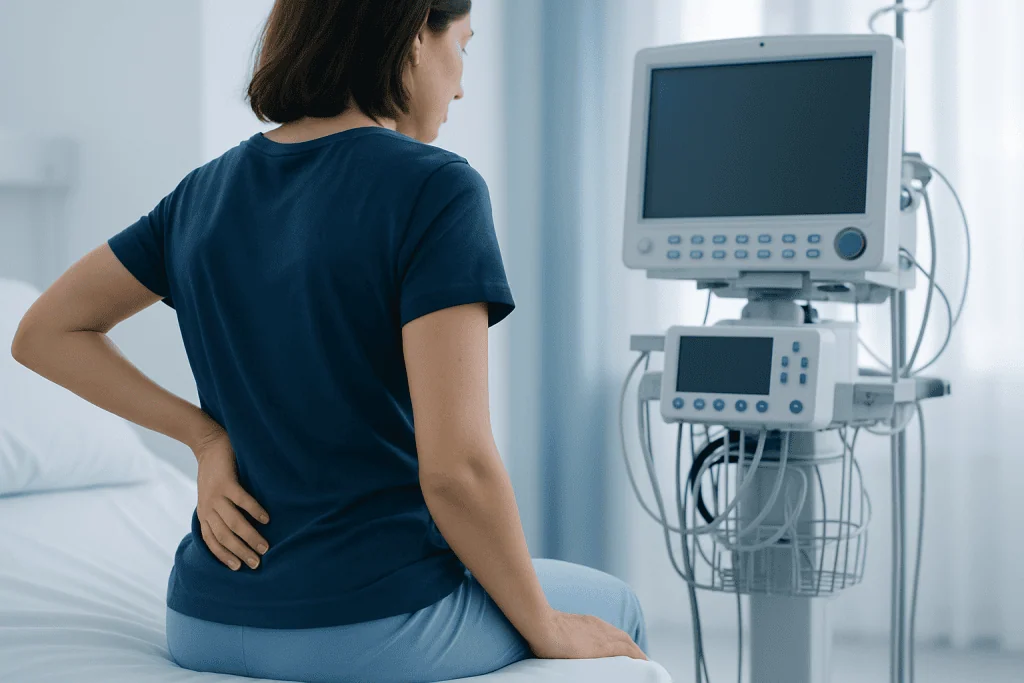
People describe lower right back cramps in different ways. The sensation may feel like a sudden spasm, a grabbing pain during movement, a tight band in the back, or a dull ache that worsens after standing, bending, coughing, or lifting. Some notice stiffness first thing in the morning or after sitting for a long time.
Mechanical back cramps often stay in one area, but they can also radiate into the buttock or hip. If a spinal nerve is irritated, pain may travel down the leg and be accompanied by tingling, burning, or numbness. This pattern may overlap with sciatica, which can cause one-sided low back pain and leg symptoms.
Symptoms that suggest a non-muscular cause include:
- Fever, chills, or feeling generally unwell
- Pain or burning when urinating
- Blood in the urine or needing to urinate more often
- Nausea, vomiting, or abdominal pain
- New weakness, numbness, or trouble controlling the bladder or bowels
- Pain after a fall, accident, or sports injury
Keeping track of when the cramping happens can help. Pain that starts after lifting, exercise, or awkward sleep posture points more toward muscle strain, while pain that comes in waves with urinary symptoms may suggest a kidney problem.
Common causes and risk factors

The most common cause of lower right back cramps is a muscle or soft tissue strain. This may happen after lifting, repetitive bending, unaccustomed exercise, coughing strongly, or even sleeping in an uncomfortable position. Muscles can also tighten protectively when a nearby joint is irritated.
Other musculoskeletal causes include facet joint irritation, sacroiliac joint dysfunction, and wear-and-tear changes in the lower spine. In some people, a bulging or herniated disc can irritate a nerve root and lead to one-sided back pain with leg symptoms. Doctors may assess for problems related to the spine when cramps are persistent or associated with nerve complaints; in selected cases, further evaluation may relate to a herniated disc.
Kidney-related conditions can also cause pain in the right lower back or flank. These include kidney stones, urinary tract infection involving the kidney, or less commonly other kidney disorders. Kidney pain is often deeper and may be associated with nausea, fever, or urinary changes rather than movement-related spasm.
Less commonly, pain in this area may be referred from the appendix, intestines, reproductive organs, or abdominal wall. Risk factors for lower right back cramps include poor posture, prolonged sitting, weak core muscles, obesity, physically demanding work, sudden increases in activity, dehydration, and a history of back problems.
How doctors evaluate lower right back cramps
Diagnosis starts with a detailed history and physical examination. A doctor will usually ask when the pain began, whether it followed activity or injury, how it feels, what makes it better or worse, and whether there are any urinary, abdominal, or nerve-related symptoms. This history often helps narrow the cause more effectively than imaging alone.
During the exam, the doctor may check posture, spinal movement, areas of tenderness, muscle tightness, strength, reflexes, and sensation in the legs. They may also look for signs that pain comes from the kidneys or abdomen rather than the back muscles. If urinary symptoms or fever are present, a urine test may be needed to look for infection or blood.
Imaging is not necessary for every patient. X-rays, ultrasound, CT, or MRI are usually reserved for cases with red flags, significant trauma, suspected kidney stones, ongoing symptoms, or possible nerve compression. When nerve irritation is suspected, evaluation may include imaging of the lumbar spine, and some patients may later benefit from treatments such as spine surgery if a structural problem is confirmed and conservative care does not help.
Treatment options and symptom relief
Treatment depends on the cause. For uncomplicated muscle-related lower right back cramps, the first steps are usually short-term activity modification, gentle movement, heat, and avoiding complete bed rest. Staying lightly active often supports recovery better than prolonged immobility, which can increase stiffness.
A doctor may recommend over-the-counter pain relief for some patients, if it is medically appropriate, along with stretching, posture correction, and physical therapy. Physical therapy can improve flexibility, strengthen the core and hip muscles, and teach safer movement patterns. If pain radiates down the leg or keeps returning, a structured rehabilitation plan is often helpful.
When cramps come from a kidney stone, infection, or another non-muscular cause, treatment focuses on the underlying problem. Kidney stones may require hydration guidance, pain management, or a procedure; in selected cases, options related to kidney stone treatment may be discussed. If a spine condition is responsible, care can range from medication and therapy to image-guided procedures or surgery, depending on severity and the effect on daily life.
Near the end of the diagnostic pathway, some patients need coordinated specialist assessment. Acibadem International’s multidisciplinary specialists in JCI-accredited hospitals evaluate back, kidney, and nerve-related causes of one-sided low back pain for international patients when advanced diagnosis or treatment is needed.
Prevention and self-care at home
Preventing lower right back cramps often means reducing strain on the lower back and improving everyday movement habits. Gentle, regular exercise can help maintain flexibility and muscle endurance. Walking, stretching, and core-strengthening routines are commonly recommended, especially for people who spend long periods sitting.
Helpful self-care strategies include using proper lifting technique, changing positions regularly, warming up before exercise, and adjusting desks or car seats to support a neutral spine. Staying hydrated may also help some people who notice cramping after exertion, although hydration alone does not prevent all back pain.
At home, many people feel better with:
- Heat packs to relax tight muscles
- Gentle stretching without forcing painful movements
- Short walks instead of prolonged bed rest
- Attention to posture during work and sleep
- Gradual return to normal activity as symptoms improve
If pain lasts more than a few weeks or repeatedly returns, self-care alone may not be enough. A clinician can help identify whether the problem is muscular, spinal, or related to another organ system.
When to seek medical care
Many cases of lower right back cramps can be monitored at home for a short time, especially if the pain started after overuse and improves with rest, heat, and gentle movement. Still, certain symptoms should not be ignored because they can suggest infection, nerve compression, a kidney problem, or another condition needing prompt care.
Medical assessment is advisable if the cramps are severe, keep returning, or last longer than expected. It is also important to seek care if pain makes it difficult to stand, walk, or sleep normally, or if there is concern about a sports injury or fall.
Prompt medical attention is especially important if lower right back cramps occur with:
- Fever or chills
- Painful urination, blood in the urine, or reduced urine output
- Nausea, vomiting, or significant abdominal pain
- Weakness, numbness, or pain shooting down the leg
- Loss of bladder or bowel control
- Recent significant trauma
Emergency care is particularly important for sudden severe pain with neurological symptoms or bladder and bowel changes, as these may indicate urgent nerve involvement. A qualified doctor can decide whether tests or specialist referral are needed.
Frequently asked questions
Are lower right back cramps usually serious?
Often, no. Many cases are caused by muscle strain, overuse, or posture-related tension and improve with simple care. They should be evaluated if they are severe, persistent, or accompanied by fever, urinary symptoms, numbness, or weakness.
Can a kidney problem cause lower right back cramps?
Yes. Kidney stones and kidney infections can cause pain felt in the right lower back or flank. This pain is more likely to come with nausea, fever, urinary burning, blood in the urine, or pain that is not clearly linked to movement.
How can someone tell if the pain is muscular or from a nerve?
Muscle pain often feels worse with movement, lifting, or certain positions and may improve with heat and rest. Nerve-related pain may shoot into the buttock or leg and can come with tingling, numbness, or weakness. A medical exam is often needed to tell the difference reliably.
What helps lower right back cramps at home?
Short periods of rest, gentle walking, heat, and avoiding heavy lifting often help in mild cases. Good posture and gradual stretching may also reduce stiffness. If symptoms persist or worsen, medical advice is recommended.
Should imaging always be done for lower right back cramps?
No. Many people do not need imaging right away, especially when symptoms are short-lived and clearly related to muscle strain. Imaging is more useful when there are red flags, ongoing pain, trauma, or signs of nerve, kidney, or abdominal involvement.
When should someone seek urgent care for lower right back cramps?
Urgent care is important if the pain occurs with fever, severe abdominal pain, blood in the urine, new weakness, numbness, or trouble controlling the bladder or bowels. Pain after a major injury also needs prompt assessment. These features may point to a condition beyond simple muscle cramping.
This article is for general information only and is not a substitute for professional medical advice. Please consult a qualified doctor about your individual situation.
Joint and spine care in Turkey — expert assessment & treatment
JCI-accredited · board-certified surgeons · reply within 24h
Add us as a Preferred Source to see more of our trusted health content across Google Search, AI Overviews and Discover.

More from the Health Library

Docusate — Explained by Medical Evidence, Not Myths

Tracheal Deviation — Explained by Medical Evidence, Not Myths

Fistulotomy: What Patients Need to Know

Bromphen Pse Dm: A Complete Medical Overview
Kabocha Squash: An Evidence-Based Guide for Patients