Lutein: A Complete Medical Overview

Lutein is a carotenoid concentrated in the retina, where it helps filter blue light and counter oxidative stress. Leafy greens, peas, corn, egg yolks, and some fruits are common dietary sources of lutein.
Key Takeaways
- Lutein is a carotenoid concentrated in the retina, where it helps filter blue light and counter oxidative stress.
- Leafy greens, peas, corn, egg yolks, and some fruits are common dietary sources of lutein.
- Lutein is not a cure for eye disease, but it may support overall eye health and is often studied in age-related vision changes.
- Supplements may be considered for some people, but they should be discussed with a qualified clinician, especially when eye symptoms are present.
- Sudden vision changes, eye pain, or visual distortion need prompt medical evaluation rather than self-treatment.
Lutein is a plant pigment with an important role in eye health, especially in the macula, the part of the retina responsible for sharp central vision. It is obtained through food or supplements and is most often discussed for its potential to support healthy vision as people age.
Overview
Lutein is a naturally occurring carotenoid, a type of plant pigment found in many yellow, orange, and green foods. In the human body, lutein is especially concentrated in the eye, including the macula and retina. Because of this, it is most closely associated with visual health and with protecting delicate eye tissues from everyday light exposure and oxidative stress.
People often ask whether lutein is “good for the eyes.” The short answer is yes: lutein is considered an important nutrient for normal eye function, and a diet rich in lutein-containing foods is part of a balanced approach to healthy aging. However, lutein is not a stand-alone treatment for poor vision and should not replace a medical assessment when symptoms such as blurred vision, distortion, or vision loss occur.
Lutein is also discussed alongside zeaxanthin, another carotenoid with a similar role in the retina. These compounds are sometimes called macular pigments because they help form a protective layer in the macula. Interest in lutein has grown because eye conditions that affect central vision become more common with age, including age-related macular degeneration.
How lutein works in the body
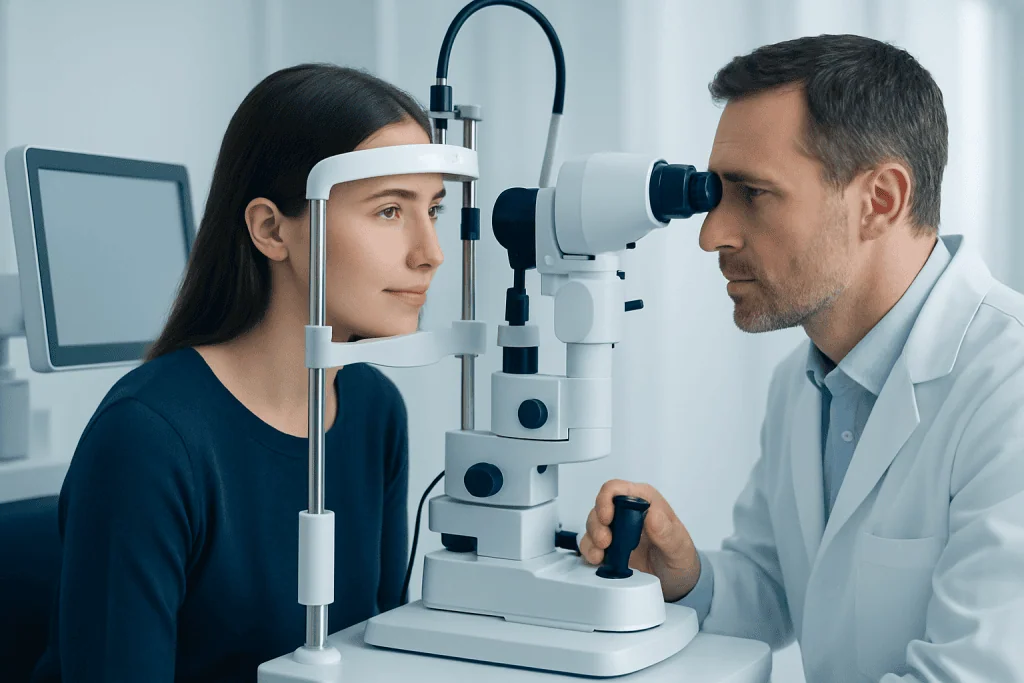
Lutein acts mainly as an antioxidant and a light filter. Antioxidants help neutralize unstable molecules known as free radicals, which can damage cells over time. In the eye, this is particularly relevant because retinal tissue is metabolically active and exposed to light on a daily basis.
Another important function of lutein is filtering high-energy blue light. Blue light is part of visible light and comes from sunlight as well as digital screens and indoor lighting. While normal light exposure is part of everyday life, lutein in the macula may help reduce the stress that intense or cumulative light exposure can place on retinal cells.
Lutein is absorbed from food in the digestive tract and transported in the bloodstream. Because it is fat-soluble, it is generally better absorbed when eaten with some dietary fat, such as olive oil, avocado, nuts, seeds, or eggs. The body cannot make lutein on its own, so regular intake from food is important.
Potential health benefits of lutein

The best-established area of research for lutein is eye health. Lutein may help support the macula, which is responsible for central vision used in reading, driving, and recognizing faces. It has been studied in relation to age-related changes in the retina and may be part of a broader nutritional strategy to support vision in older adults.
Lutein is also being studied for its role in contrast sensitivity and visual comfort, especially in people exposed to bright light or glare. Some research suggests it may help improve macular pigment density, which could support visual performance in certain situations. Even so, results vary, and benefits are typically modest rather than immediate or dramatic.
Beyond the eyes, lutein is sometimes discussed in relation to skin and cognitive health because of its antioxidant effects. These areas are still being studied, and they are not the main reason clinicians recommend lutein. For most people, the most practical and evidence-based reason to consider lutein is to support a healthy diet and overall eye care plan, especially for those at risk of retinal conditions.
If a person already has a diagnosed retinal problem, nutritional support may be only one part of care. Evaluation by an eye specialist may include retinal imaging and, when appropriate, treatments provided through dedicated eye examinations and follow-up by ophthalmology teams.
Food sources and supplements
Lutein is widely available in foods. Dark leafy green vegetables are among the richest sources, including spinach, kale, collard greens, and parsley. Other foods that contribute lutein include peas, broccoli, zucchini, corn, pumpkin, kiwi, grapes, and egg yolks. A varied eating pattern that includes vegetables daily is usually the best starting point.
Cooking can affect lutein content, but it does not always reduce its value. In some cases, gentle cooking may make carotenoids easier to absorb. Combining lutein-rich foods with a small amount of healthy fat can further improve absorption. For example, spinach with olive oil or eggs with vegetables can be practical choices.
Lutein is also available in supplements, often alone or combined with zeaxanthin and other vitamins. Some people consider supplements if their diet is limited or if they have been advised by a clinician to support macular health. Supplements are not a substitute for regular eye care, and they should be chosen carefully because formulations vary.
Anyone considering a supplement should review it with a doctor or pharmacist, particularly if they take multiple medications, have digestive absorption problems, or have a known eye disease. A clinician may also explore whether symptoms could be related to conditions such as cataract or other causes that need direct treatment rather than nutritional support alone.
Who may benefit most and possible risk factors for low intake
People who may benefit most from paying attention to lutein intake include older adults, those with diets low in vegetables, and people with a family history of certain retinal conditions. Smokers and individuals with cardiovascular risk factors may also be encouraged to focus on overall dietary quality, since vascular and oxidative stress can affect eye health over time.
Low lutein intake is not a disease by itself, and it does not usually cause a sudden set of obvious symptoms. Instead, it is better understood as one possible contributor to lower macular pigment levels and reduced nutritional support for the retina. This is why clinicians usually discuss lutein as part of prevention and lifestyle rather than as a way to treat acute visual complaints.
Some people are more likely to have poor absorption of fat-soluble nutrients, including those with certain gastrointestinal disorders or after specific digestive surgeries. In these situations, a healthcare professional may look at the broader picture of nutrition, vision, and medical history before suggesting supplementation or further testing.
Diagnosis, monitoring, and related eye evaluation
There is no standard routine blood test used in everyday practice to diagnose a “lutein deficiency.” Instead, clinicians assess eye health through symptoms, dietary history, risk factors, and comprehensive eye examination findings. If vision changes are present, the priority is identifying the underlying cause rather than assuming it is due to low lutein intake.
An ophthalmologist or optometrist may evaluate visual acuity, retinal health, intraocular pressure, and the macula. In some cases, additional tests such as optical coherence tomography or retinal photography are used to look closely at central retinal structures. These tests are especially relevant when there is concern about age-related macular degeneration or other retinal disease.
People with persistent blurring, metamorphopsia (straight lines looking wavy), reduced central vision, glare problems, or difficulty reading should not rely on supplements alone. They may need a detailed assessment and, depending on the diagnosis, specialized care such as retina treatment or broader management of an underlying eye condition.
Treatment approach and self-care
For most people, the first-line approach to lutein is dietary. A balanced eating pattern rich in vegetables, fruits, legumes, whole grains, and healthy fats supports not only the eyes but also general health. This approach is usually more beneficial than focusing on a single nutrient in isolation.
When supplements are considered, they are usually part of a larger plan that may include routine eye checkups, management of blood pressure and cholesterol, smoking cessation, UV protection, and control of diabetes if present. Nutritional support can complement medical care, but it does not reverse all eye disorders and does not replace disease-specific treatment.
Good self-care habits for eye health include wearing sunglasses with UV protection outdoors, taking breaks during prolonged screen use, maintaining adequate lighting for reading, and keeping chronic conditions well managed. People with existing retinal disease may benefit from individualized follow-up and advice from eye specialists.
For international patients who need coordinated ophthalmic assessment, Acibadem International’s multidisciplinary specialists and JCI-accredited hospitals diagnose and treat eye conditions with comprehensive imaging and specialist care, including options such as ophthalmology care when clinically appropriate.
When to seek medical care
Lutein is associated with prevention and support, not emergency treatment. A person should seek medical care promptly if there is sudden vision loss, new distortion of straight lines, a dark spot in central vision, flashes of light, a curtain-like shadow, severe eye pain, or redness with decreased vision. These symptoms can signal urgent eye problems that need rapid evaluation.
Medical advice is also important when gradual symptoms interfere with daily life, such as increasing difficulty reading, needing brighter light, trouble recognizing faces, or worsening glare at night. These changes may be related to retinal disease, cataract, refractive error, or another eye condition that should be properly diagnosed.
If someone is considering lutein supplements because of a known eye disease, it is sensible to ask an eye specialist whether the product fits their overall treatment plan. A qualified clinician can explain what lutein may and may not do, check for other causes of symptoms, and advise on the most appropriate follow-up.
Frequently asked questions
What is lutein used for?
Lutein is mainly used to support eye health, especially the macula and retina. It is often discussed in relation to healthy aging and nutritional support for central vision.
Can lutein improve eyesight?
Lutein may support normal visual function and macular health, but it does not work like glasses and does not correct refractive errors. Its effects are generally supportive and long term rather than immediate.
Which foods are highest in lutein?
Dark leafy greens such as spinach and kale are among the richest sources. Egg yolks, peas, broccoli, corn, and some fruits also contribute useful amounts.
Is it better to get lutein from food or supplements?
Food is usually the preferred first source because it provides lutein along with many other beneficial nutrients. Supplements may be appropriate for some people, but they are best discussed with a clinician.
Are lutein and zeaxanthin the same?
They are different but closely related carotenoids. Both are found in the eye and work together as part of the macular pigment that helps protect retinal tissue.
Does lutein help prevent macular degeneration?
Lutein may support macular health and is often included in discussions about age-related retinal changes. However, it does not guarantee prevention, and people at risk still need regular eye examinations.
References
- National Eye Institute
- American Academy of Ophthalmology
- National Institutes of Health Office of Dietary Supplements
- World Health Organization
This article is for general information only and is not a substitute for professional medical advice. Please consult a qualified doctor about your individual situation.
Explore treatments in Turkey — costs, top hospitals & a free quote
JCI-accredited · board-certified surgeons · reply within 24h
Add us as a Preferred Source to see more of our trusted health content across Google Search, AI Overviews and Discover.

More from the Health Library

Teebaum Oil: An Evidence-Based Guide for Patients

Cytology: A Complete Medical Overview

Schizotypal — Explained by Medical Evidence, Not Myths

Green Tea Matcha: A Complete Medical Overview

Dermatophytes: What Patients Need to Know