Lymph Nodes Glands Neck: An Evidence-Based Guide for Patients

Neck “glands” are usually lymph nodes, small immune organs that can enlarge during illness. Common causes include colds, sore throat, dental problems, and other infections or inflammation nearby.
Key Takeaways
- Neck “glands” are usually lymph nodes, small immune organs that can enlarge during illness.
- Common causes include colds, sore throat, dental problems, and other infections or inflammation nearby.
- Lymph nodes that are hard, fixed, growing, or present for several weeks need medical evaluation.
- Doctors diagnose the cause with a history, physical exam, and sometimes blood tests, imaging, or biopsy.
- Treatment depends on the cause and may range from watchful waiting to antibiotics or specialist care.
Lymph nodes glands neck most often refer to lymph nodes in the neck that become enlarged while the body responds to infection or inflammation. In many cases they settle as the underlying cause improves, but persistent, hard, rapidly growing, or unexplained swelling should be assessed by a doctor.
What lymph nodes glands neck usually means
The phrase “lymph nodes glands neck” usually refers to lymph nodes in the neck that a person can feel when they become enlarged. Although many people call them glands, they are actually part of the lymphatic system, which helps the body fight infection and filter harmful substances. Small lymph nodes are present on both sides of the neck, under the jaw, behind the ears, and near the collarbone.
When the immune system is active, these nodes may swell, become tender, or feel more noticeable than usual. This often happens during common illnesses such as a cold, throat infection, or dental infection. In many people, the swelling improves once the underlying problem settles.
Not every enlarged neck node is serious, but the way it feels and how long it lasts matters. Nodes that are soft, mildly tender, and linked with a recent infection are often less concerning than nodes that are hard, fixed in place, or continue to grow. Looking at the whole picture helps doctors decide whether reassurance, follow-up, or further testing is needed.
How neck lymph nodes work and why they swell
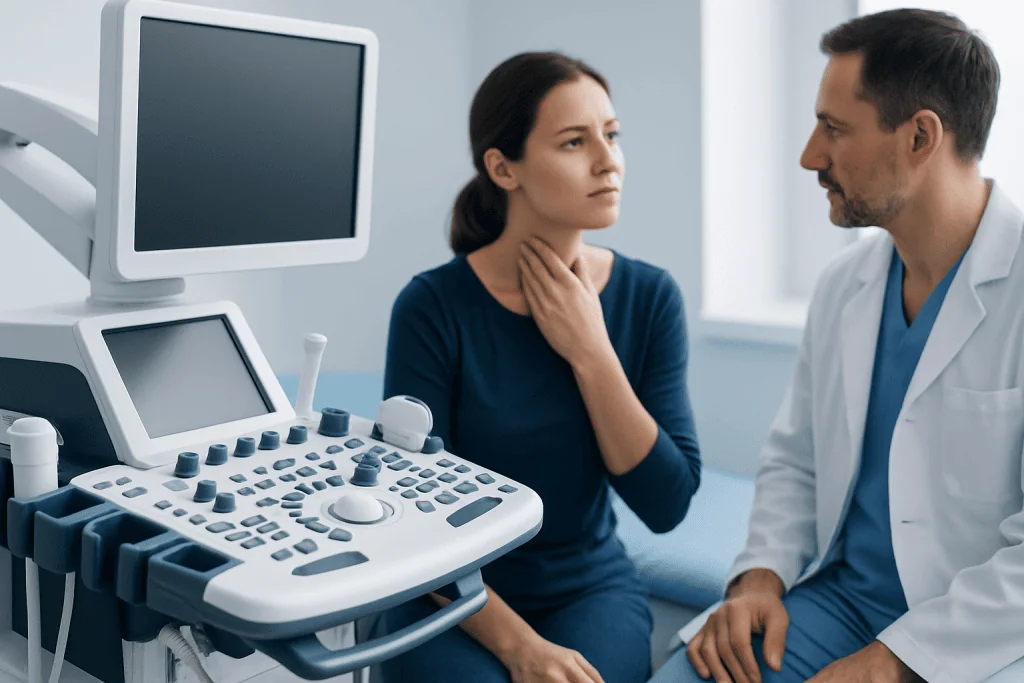
Lymph nodes act like checkpoints in the immune system. They contain immune cells that recognize germs and help the body respond to infections. Because the neck drains the scalp, face, mouth, sinuses, throat, and nearby skin, lymph nodes in this area often react to problems affecting those tissues.
Swelling happens when immune cells multiply inside the node or when inflammatory material collects there. This is why enlarged nodes may appear during a sore throat, flu-like illness, ear infection, or infected tooth. Sometimes several nodes in the neck enlarge at once, especially during viral infections.
Neck lymph nodes can also enlarge from noninfectious inflammation, immune conditions, or less commonly, cancer. In some situations, a node can remain somewhat enlarged even after an infection has improved. A lasting node is not automatically dangerous, but it deserves attention if it does not gradually settle or if other symptoms appear.
Symptoms and signs to notice

People often notice a lump or fullness in the neck first. The node may feel small and mobile, or it may be more prominent and tender when the area is touched. Tenderness is common when swelling is linked to infection, while painless swelling can have several possible explanations and should be interpreted in context.
Associated symptoms can help suggest the cause. For example, a sore throat, runny nose, fever, ear pain, tooth pain, or skin irritation nearby may point to an infection or inflammation in the head and neck region. Fatigue and body aches are also common with viral illnesses.
Doctors also pay attention to features of the lump itself. Important details include whether it is on one side or both, how quickly it appeared, whether it is soft or hard, and whether it moves under the skin. Other signs that matter include unexplained weight loss, drenching night sweats, persistent fever, difficulty swallowing, or a change in voice.
- Common symptoms: swelling, tenderness, mild discomfort, recent cold or sore throat
- Features that need assessment: hard texture, fixed position, rapid enlargement, persistence for weeks
- Associated warning symptoms: ongoing fever, night sweats, weight loss, trouble breathing or swallowing
Common causes and less common causes
The most common causes of swollen lymph nodes in the neck are infections. Viral upper respiratory infections, tonsillitis, strep throat, sinusitis, ear infections, and dental infections are frequent triggers. Skin infections on the scalp or face can also cause nearby nodes to enlarge. In children and young adults, reactive lymph nodes from minor infections are especially common.
Inflammatory and immune-related conditions can also affect lymph nodes. Examples include autoimmune diseases and less common disorders that cause widespread lymph node enlargement. Some medications and generalized viral illnesses may cause swelling in more than one part of the body, not only the neck.
Less commonly, neck lymph nodes may enlarge because of cancers that start in the lymphatic system or spread from nearby tissues. Examples include lymphoma and cancers of the mouth, throat, thyroid, or other head and neck structures. In older adults, smokers, and people with heavy alcohol use or a history of cancer, a persistent neck mass deserves prompt medical review. A doctor may also consider whether symptoms could relate to a nearby condition such as thyroid cancer, depending on the location and examination findings.
How doctors evaluate swollen neck nodes
Evaluation starts with a careful history and physical examination. A doctor asks when the swelling began, whether it is painful, whether there was a recent cold or dental issue, and whether symptoms such as fever, weight loss, or night sweats are present. The neck is examined for the size, number, texture, and location of the nodes, along with the throat, mouth, ears, skin, and thyroid area.
If the cause appears to be a straightforward recent infection, the doctor may advise observation or treatment of the infection first. If the node is persistent, unusually large, or associated with concerning features, tests may be recommended. These can include blood tests, throat swabs, and imaging such as ultrasound imaging to better define the lump.
Further evaluation may involve cross-sectional imaging such as MRI or other scans if the anatomy needs a closer look. In selected cases, a tissue sample is needed. This may be done with a needle test or through biopsy so a pathologist can determine the exact cause. If doctors suspect a throat, voice box, or upper airway source, an ENT specialist may assess the area, and sometimes conditions affecting the throat are reviewed alongside diseases such as throat cancer.
Treatment depends on the cause
There is no single treatment for swollen neck lymph nodes because the best approach depends on why the node is enlarged. When the cause is a viral infection, rest, fluids, and time are often all that is needed. If the cause is bacterial, such as a throat or dental infection, a doctor may prescribe antibiotics or arrange dental treatment when appropriate.
Pain relief and general supportive care may help if the area is tender. It is usually best to avoid frequent pressing or checking the node, as repeated irritation can make the area feel more sore and keep a person worried. Warm compresses may provide comfort for some people, but they do not treat the underlying cause.
If tests suggest an inflammatory or immune-related condition, treatment focuses on that diagnosis. If cancer is found, care is planned according to the cancer type, stage, and the person’s overall health. This may involve ENT, hematology, oncology, radiology, and surgery specialists working together. Near the end of the care pathway, international patients may also seek evaluation at centers such as Acibadem International, where multidisciplinary specialists in JCI-accredited hospitals diagnose and treat complex neck masses and related conditions.
Self-care, monitoring, and when to seek medical care
If a neck node appears during a recent cold, sore throat, or mild infection, it is reasonable to monitor it while the illness improves. Good hydration, rest, and following a clinician’s advice for the original infection are often enough. Many reactive nodes become smaller over days to weeks, although some can take longer to fully settle.
Medical care should be sought sooner if the swelling is large, very painful, red and hot, or associated with high fever, breathing difficulty, or trouble swallowing. A doctor should also assess a node that lasts for several weeks, keeps growing, feels hard or fixed, appears above the collarbone, or develops without an obvious infection. Persistent one-sided neck lumps in adults generally deserve evaluation rather than long-term watchful waiting.
It is also sensible to arrange a medical review if there are whole-body symptoms such as unexplained weight loss, drenching night sweats, unusual fatigue, or persistent fever. These symptoms do not automatically mean a serious disease, but they help doctors judge how urgently testing is needed. Prompt assessment supports earlier treatment when needed and reassurance when the cause is benign.
Frequently asked questions
Are lymph nodes and glands in the neck the same thing?
In everyday language, many people call swollen lymph nodes “glands.” Medically, lymph nodes are not the same as glands, but the phrase usually refers to enlarged lymph nodes in the neck. They are part of the immune system and often react to infection.
How long do swollen lymph nodes in the neck usually last?
If the cause is a simple viral infection, the swelling often improves as the illness gets better. Some nodes shrink within days, while others may remain slightly enlarged for several weeks. If a node persists, grows, or has concerning features, a doctor should evaluate it.
Can stress cause swollen neck lymph nodes?
Stress itself is not considered a direct cause of swollen lymph nodes. However, stress can affect sleep, immunity, and overall wellbeing, which may overlap with infections or other health issues. A true enlarged lymph node should be assessed based on its size, duration, and associated symptoms.
When should a swollen neck node be checked urgently?
Urgent assessment is important if there is difficulty breathing, trouble swallowing, high fever, severe pain, or rapidly increasing swelling. It should also be checked promptly if the lump is hard, fixed, above the collarbone, or associated with weight loss or night sweats. These signs do not confirm a serious problem, but they should not be ignored.
Should a person keep touching or massaging a swollen lymph node?
It is generally better not to keep pressing or massaging the area. Repeated checking can irritate the tissue and make tenderness seem worse. Monitoring it visually and arranging medical advice if it does not improve is usually more helpful.
Do swollen neck lymph nodes always mean cancer?
No. Most swollen neck lymph nodes are caused by common infections or inflammation, especially when they are tender and appear during a cold, throat infection, or dental problem. Cancer is much less common, but persistent or unexplained swelling should be evaluated so the cause can be identified accurately.
This article is for general information only and is not a substitute for professional medical advice. Please consult a qualified doctor about your individual situation.
Explore treatments in Turkey — costs, top hospitals & a free quote
JCI-accredited · board-certified surgeons · reply within 24h
Add us as a Preferred Source to see more of our trusted health content across Google Search, AI Overviews and Discover.

More from the Health Library

Apple Cider Vinegar and Gastric Reflux — Explained by Medical Evidence, Not Myths

Procalcitonin high: A Complete Medical Guide for Patients

Watermelon Juice Benefits — Explained by Medical Evidence, Not Myths

Piroxicam — Explained by Medical Evidence, Not Myths

Cholestyramine: What Patients Need to Know