Magnesium L-threonate Hair Loss — Explained by Medical Evidence, Not Myths

There is no good clinical evidence that magnesium L-threonate directly causes hair loss. Magnesium deficiency can affect general health, but it is not a common standalone explanation for hair shedding.
Key Takeaways
- There is no good clinical evidence that magnesium L-threonate directly causes hair loss.
- Magnesium deficiency can affect general health, but it is not a common standalone explanation for hair shedding.
- Taking more magnesium than needed is unlikely to improve hair growth and may cause digestive side effects or interact with some medicines.
- Hair loss should be assessed by its pattern, timing, scalp findings, medical history, diet, and medication use.
- Sudden, patchy, painful, or scarring hair loss needs prompt medical evaluation.
Current medical evidence does not show that magnesium L-threonate causes hair loss or reliably treats it. New or worsening shedding is more often related to common factors such as hereditary hair loss, illness, stress, nutritional deficiency, medications, or scalp conditions.
Magnesium L-threonate hair loss: what does the evidence show?
Magnesium L-threonate hair loss is not supported by current clinical evidence. There are no well-designed human studies showing that this form of magnesium causes hair shedding, thinning, or baldness. It is also not proven to prevent hair loss or stimulate meaningful hair regrowth.
Magnesium L-threonate is a supplement made from magnesium and threonic acid, a compound related to vitamin C metabolism. It is often marketed for cognitive or sleep-related benefits because it may raise magnesium levels in the nervous system, but those claims do not establish a role in hair biology. People who notice shedding after beginning a supplement should consider the full timeline and other possible contributors rather than assuming the supplement is the direct cause.
Hair shedding is common and can fluctuate over time. A clinician can help distinguish temporary shedding from a hair-loss condition that needs targeted care. Stopping or starting supplements without advice may be unnecessary, particularly for people using them under medical guidance.
Why a supplement may seem linked to shedding
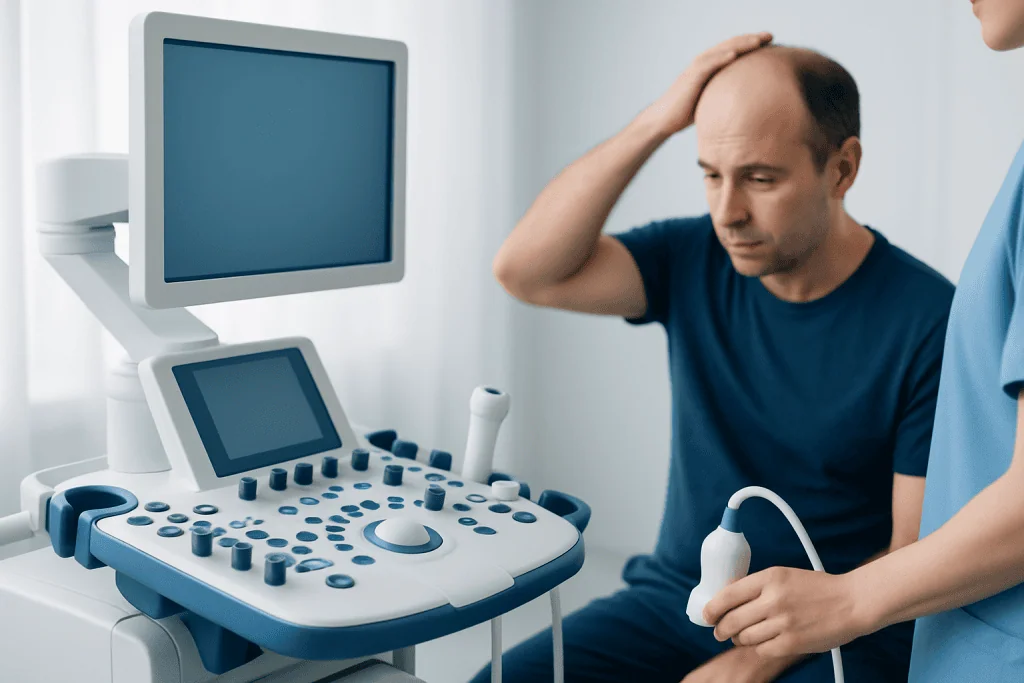
When hair shedding begins after a new supplement, the timing can feel convincing. However, visible shedding often starts weeks to months after the underlying trigger. This delay is especially typical of telogen effluvium, a temporary shift in the hair-growth cycle that can follow fever, surgery, major emotional stress, rapid weight change, childbirth, restrictive dieting, or some medicines.
Magnesium L-threonate may be taken during periods of poor sleep, stress, fatigue, dietary changes, or illness. These same circumstances can contribute to shedding, which can create an association without proving that the supplement caused it. Changes in shampoo, styling habits, hair coloring, or heat exposure may also occur around the same time.
A useful approach is to note when the supplement was started, when shedding became noticeable, recent illnesses and life events, dietary changes, medications, and family history of thinning. This information helps a doctor identify whether the pattern is more consistent with temporary shedding, hereditary thinning, a scalp disorder, or another cause.
Magnesium, nutrition, and healthy hair growth

Magnesium is an essential mineral involved in muscle and nerve function, energy metabolism, bone health, and many enzyme reactions. Dietary sources include nuts, seeds, beans, whole grains, leafy green vegetables, and some dairy products. Most people are better served by a varied diet than by using supplements specifically for hair growth.
Severe or prolonged nutritional inadequacy can affect hair growth, but magnesium deficiency alone is not considered a frequent cause of hair loss in otherwise well-nourished adults. Hair follicles require adequate overall energy intake, protein, iron, zinc, vitamin D, vitamin B12, and other nutrients. Testing should be guided by symptoms, diet, medical history, and examination findings, rather than broad supplement use.
Taking high-dose supplements “just in case” can be counterproductive. Excess supplemental magnesium commonly causes diarrhea, nausea, or abdominal cramping. The risk of magnesium accumulation is higher in people with significantly reduced kidney function. A doctor or pharmacist can review whether a supplement is appropriate and whether it may interfere with prescribed medicines.
- Food-first nutrition supports general health and hair growth.
- Deficiencies should be confirmed and treated according to clinical advice.
- A supplement is not a substitute for evaluating persistent or patterned hair loss.
Common causes of hair loss that deserve consideration
Hereditary pattern hair loss is one of the most common causes of progressive thinning. It may appear as widening of the part or reduced density over the crown in women, and as receding hairline or thinning at the temples and crown in men. It is influenced by genetics and hormones, not by a single vitamin or mineral.
Telogen effluvium causes increased shedding from across the scalp, often noticed while washing or brushing. It may occur a few months after a physical or emotional stressor and often improves after the trigger resolves, although recovery can take time. Thyroid disorders, iron deficiency, low protein intake, and certain medications can contribute in some people.
Patchy loss may suggest alopecia areata, while itching, scaling, tenderness, or broken hairs can point to inflammatory or infectious scalp conditions. Tight hairstyles and repeated traction can also damage follicles over time. For broader background on patterns and causes, see hair loss.
Because different forms of hair loss require different approaches, an accurate diagnosis is more useful than trying multiple supplements. Early assessment is particularly important when the scalp appears shiny or scarred, because some inflammatory forms can lead to permanent follicle damage without treatment.
How clinicians assess new hair shedding
A clinician usually begins with questions about the onset, pace, and distribution of hair loss. They may ask about recent infections, surgeries, childbirth, weight changes, dietary restrictions, stress, chronic conditions, menstrual history where relevant, family history, and all prescription medicines, over-the-counter products, and supplements.
Examination of the scalp and hair shafts can provide important clues. The clinician may assess whether the hairline is preserved, whether there is diffuse or patchy loss, and whether redness, scale, inflammation, broken hairs, or scarring are present. In selected cases, dermoscopy, a gentle hair-pull test, fungal testing, or a scalp biopsy may be considered.
Blood tests are not necessary for every person with shedding. When clinically appropriate, testing may look for anemia or iron deficiency, thyroid dysfunction, nutritional concerns, or other medical contributors. Results should be interpreted in context; a laboratory value alone does not always explain hair loss.
Treatment and practical next steps
Treatment depends on the diagnosis. For temporary shedding, identifying and addressing the trigger, maintaining adequate nutrition, and allowing time for the hair cycle to reset may be the main plan. In hereditary pattern loss, evidence-based topical or oral treatments may be discussed with a qualified clinician, taking into account age, sex, medical history, pregnancy plans, and possible side effects.
Gentle hair care can reduce breakage while assessment and treatment are underway. This includes avoiding very tight styles, limiting harsh chemical processing and excessive heat, using a conditioner suited to the hair type, and avoiding aggressive brushing. These measures cannot cure follicle-based hair loss, but they can help protect existing hair shafts.
People should not start, stop, or combine hair-loss treatments solely based on online advice. A dermatologist or appropriately trained clinician can recommend hair restoration options when suitable, but medical evaluation remains important before considering a procedure. The best plan is based on the cause of hair loss and the person’s health needs.
Acibadem International’s multidisciplinary specialists and JCI-accredited hospitals assess and treat hair and scalp concerns for international patients, with care plans guided by clinical examination and individual needs.
When to seek medical care
Medical review is advisable for hair shedding that persists, worsens, causes concern, or occurs with changes in the scalp. A doctor can assess whether magnesium L-threonate is relevant in an individual situation and review other supplements or medicines that could contribute to symptoms or interact with treatment.
Prompt evaluation is especially important for sudden patchy hair loss, loss of eyebrows or eyelashes, scalp pain, burning, redness, scaling, pus, or areas that look smooth and scarred. These signs can indicate conditions that benefit from early treatment.
People should also seek care if hair loss occurs with unexplained fatigue, weight change, temperature intolerance, heavy menstrual bleeding, digestive symptoms, or other new health changes. These symptoms do not always signal a serious condition, but they can help identify an underlying medical or nutritional issue.
Frequently asked questions
Can magnesium L-threonate cause hair loss?
There is no reliable clinical evidence that magnesium L-threonate directly causes hair loss. If shedding starts after taking it, other causes such as stress, illness, dietary change, genetics, medications, or a scalp condition should also be considered. A clinician can review the timing and the full health history.
Can magnesium L-threonate help hair grow?
Magnesium L-threonate has not been shown to regrow hair or treat common forms of hair loss. Correcting a confirmed nutritional deficiency may support overall health, but supplements are not a proven hair-growth treatment unless a clinician identifies a specific need.
Should a person stop magnesium L-threonate if their hair is shedding?
It is reasonable to discuss the supplement with a doctor or pharmacist, especially if the shedding began after it was started. People who take magnesium for a diagnosed condition or on professional advice should not make major changes without checking first. Keeping a record of symptoms and supplement use can be helpful.
How long does temporary stress-related hair shedding last?
With telogen effluvium, shedding often becomes noticeable several weeks to a few months after a trigger. It commonly improves once the trigger has resolved, but visible recovery may take several months because hair grows slowly. Persistent shedding should be assessed by a clinician.
What tests may be used for unexplained hair loss?
The assessment usually begins with a medical history and scalp examination. Depending on the findings, a clinician may request tests for anemia or iron deficiency, thyroid problems, nutritional issues, or other medical conditions. Not everyone needs laboratory testing.
Which hair-loss symptoms need urgent medical attention?
Prompt medical assessment is appropriate for rapid patchy loss, scalp pain, burning, redness, scaling, discharge, or signs of scarring. Hair loss accompanied by significant fatigue, unexplained weight changes, or other new symptoms should also be discussed with a healthcare professional.
References
- American Academy of Dermatology Association
- National Institutes of Health Office of Dietary Supplements
- Mayo Clinic
- British Association of Dermatologists
This article is for general information only and is not a substitute for professional medical advice. Please consult a qualified doctor about your individual situation.
Hair transplant in Turkey — costs, graft counts & a free assessment
JCI-accredited · board-certified surgeons · reply within 24h
Add us as a Preferred Source to see more of our trusted health content across Google Search, AI Overviews and Discover.
Check your numbers in seconds
BMI, calories, due date, blood pressure and 30+ more clinical calculators — free, instant, doctor-reviewed ranges.

More from the Health Library



Related Specialists
Prof. Dr. Erdoğan Ertüngealp
Gynecology & Obstetrics
Dr. Cihangir Görgülü
Radiology
Prof. Dr. Erkan Kaba
Thoracic Surgery
Fzt. Gizem Aydın
Physical Medicine & Rehabilitation