

Male Reproductive System — Explained by Medical Evidence, Not Myths
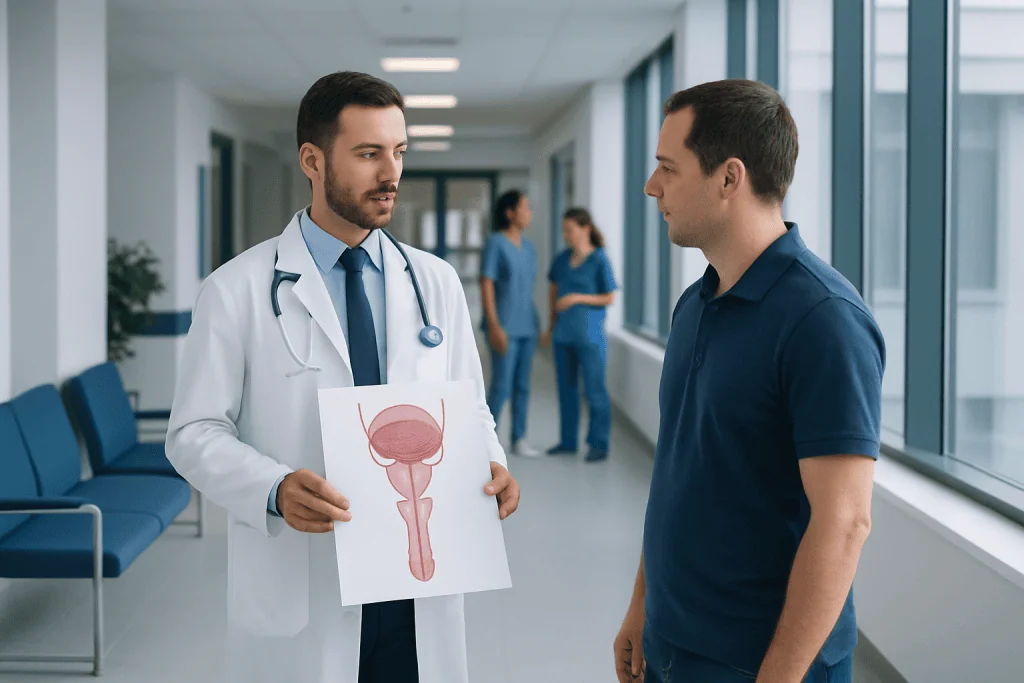
The male reproductive system includes the testes, epididymis, vas deferens, seminal vesicles, prostate, urethra, penis, and scrotum. Its main jobs are to produce sperm, make hormones such as testosterone, and transport semen.
Key Takeaways
- The male reproductive system includes the testes, epididymis, vas deferens, seminal vesicles, prostate, urethra, penis, and scrotum.
- Its main jobs are to produce sperm, make hormones such as testosterone, and transport semen.
- Fertility, sexual function, hormones, and urinary symptoms can all be affected by reproductive system disorders.
- Many concerns, including pain, swelling, erection problems, and fertility issues, are treatable after proper evaluation.
- Healthy habits such as not smoking, limiting heat exposure, managing chronic disease, and STI prevention support reproductive health.
The male reproductive system is the group of organs, ducts, glands, and hormones that help make sperm, produce testosterone, and support sexual and reproductive function. Understanding how it works can help separate medical facts from common myths and make it easier to recognize when symptoms need professional attention.
What the male reproductive system is and what it does
The male reproductive system is a network of organs inside and outside the body that work together to make sperm, produce male sex hormones, and help deliver semen during ejaculation. In simple terms, it supports reproduction, contributes to sexual function, and plays an important role in hormone balance. Medical evidence shows that this system is not controlled by one organ alone; it depends on coordination between the brain, hormones, glands, ducts, and reproductive organs.
A common myth is that the male reproductive system is only about fertility. In fact, it is also closely linked with puberty, libido, erectile function, muscle and bone health through testosterone, and emotional well-being. Another myth is that sperm production is constant and unaffected by health. In reality, sperm quality can change with age, illness, medications, heat exposure, smoking, alcohol, hormone disorders, and certain infections.
The system is also closely connected to the urinary tract. The urethra passes through the penis and carries urine from the bladder, but during ejaculation it also carries semen. Because these structures share pathways, some symptoms such as pain, swelling, burning with urination, or blood in semen may involve both urologic and reproductive causes and should be assessed by a qualified doctor.
Organs of the male reproductive system
The external reproductive organs are the penis and the scrotum. The penis contains the urethra and erectile tissue, allowing urination and sexual intercourse. The scrotum is the skin-covered sac that holds the testes outside the body. This location helps keep the testes slightly cooler than body temperature, which is important for healthy sperm production.
The testes, or testicles, are the main reproductive glands. They produce sperm and testosterone. Sperm are made in tiny coiled tubes within the testes. After they form, sperm move into the epididymis, a long curled structure on the back of each testis where they mature and are stored. From there, sperm travel through the vas deferens, the tube that carries them toward the urethra.
Several glands add fluid to sperm to create semen. The seminal vesicles contribute a nutrient-rich fluid that helps sperm survive and move. The prostate adds a milky fluid that supports sperm function. Small bulbourethral glands produce fluid that helps lubricate the urethra. Together, these organs and glands form a coordinated system rather than a single structure, which is why symptoms in one area may affect the whole process.
- Testes: make sperm and testosterone
- Epididymis: matures and stores sperm
- Vas deferens: transports sperm
- Seminal vesicles and prostate: make semen fluid
- Urethra and penis: deliver semen outside the body
- Scrotum: protects the testes and regulates temperature
How hormones control sperm production and sexual development
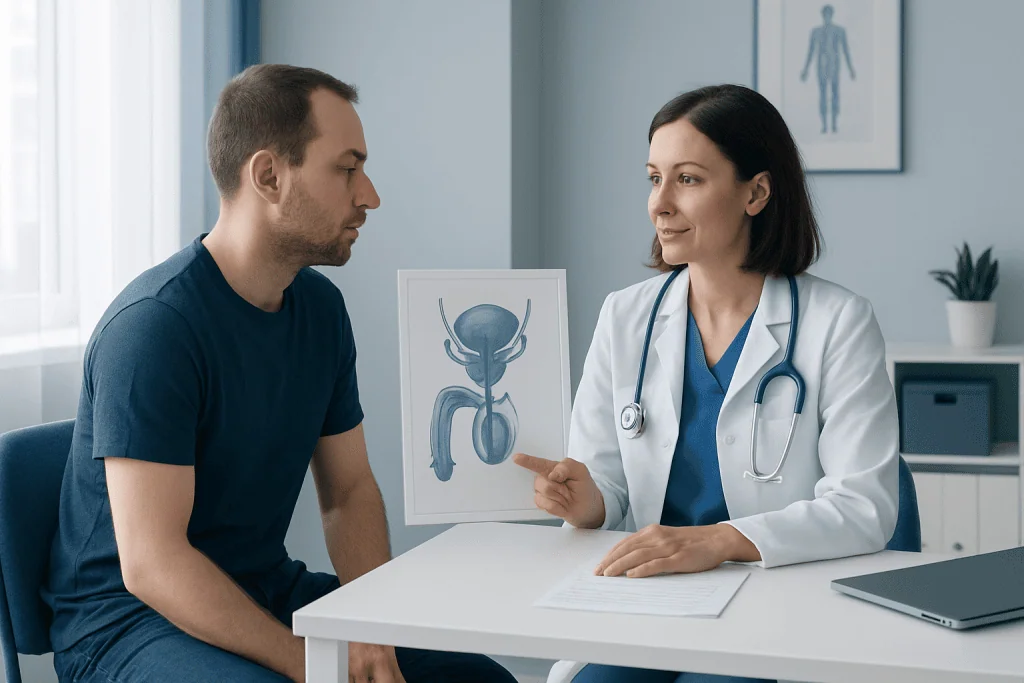
The male reproductive system is directed by hormones from the brain and testes. The hypothalamus and pituitary gland in the brain send signals that tell the testes to make testosterone and produce sperm. Testosterone is the main male sex hormone, but it does not act alone. Several hormones work together in a feedback loop, and disruption at any point can affect fertility, puberty, sex drive, mood, and physical development.
During puberty, rising testosterone helps trigger a deeper voice, facial and body hair growth, increased muscle mass, growth of the penis and testes, and the start of sperm production. In adulthood, testosterone continues to support libido, erectile function, bone strength, red blood cell production, and overall reproductive function. Very low testosterone may contribute to fatigue, reduced sex drive, and lower fertility, but symptoms should always be evaluated in context because they can also have non-hormonal causes.
Sperm production is a continuous process, but it takes time. Healthy sperm develop over several weeks before they are mature enough for ejaculation. Because of this, factors such as fever, major stress, medication changes, untreated chronic disease, or heat exposure may affect semen quality for a period of time rather than immediately. This is one reason doctors often repeat semen testing if fertility is being assessed.
Common symptoms and conditions that can affect male reproductive health
Problems in the male reproductive system can cause many different symptoms. These may include testicular pain, swelling, a lump, difficulty with erections, low libido, ejaculation problems, reduced fertility, blood in semen, pain during ejaculation, pelvic discomfort, or urinary symptoms such as burning and frequent urination. Not every symptom means a serious disease, but persistent, worsening, or unexplained changes should be checked.
Common conditions include infections, inflammation of the prostate, enlarged veins around the testis called varicocele, hydrocele, hormone imbalances, undescended testis, and structural issues that block sperm transport. Sexual function concerns such as erectile dysfunction may involve blood flow, nerve, hormone, medication, or psychological factors. Fertility problems may arise from low sperm count, poor sperm movement, abnormal sperm shape, hormonal disorders, genetic conditions, or previous infection.
Some conditions need urgent attention. Sudden severe testicular pain can be a sign of torsion, in which blood flow to the testis is reduced. A new hard testicular lump, rapid swelling, or unexplained heaviness should also be evaluated. In some cases, specialists may investigate for testicular cancer or other causes. Symptoms related to the prostate, including discomfort and urinary issues, may lead to assessment for prostate cancer or benign conditions depending on age, exam findings, and test results.
How doctors evaluate the male reproductive system
Diagnosis begins with a careful medical history and physical examination. A doctor may ask about symptoms, fertility goals, sexual function, puberty history, past infections, surgeries, medications, smoking, alcohol use, occupational exposures, exercise habits, and family history. These details often help narrow down whether the issue is hormonal, structural, infectious, vascular, or related to general health.
The physical exam may include the penis, testes, scrotum, and sometimes a prostate exam, depending on the concern. Doctors look for swelling, tenderness, masses, varicocele, differences in testis size, or signs of hormonal imbalance. When fertility is a concern, semen analysis is one of the most informative first tests. It helps assess sperm count, movement, and shape, although results may vary and sometimes need repeating.
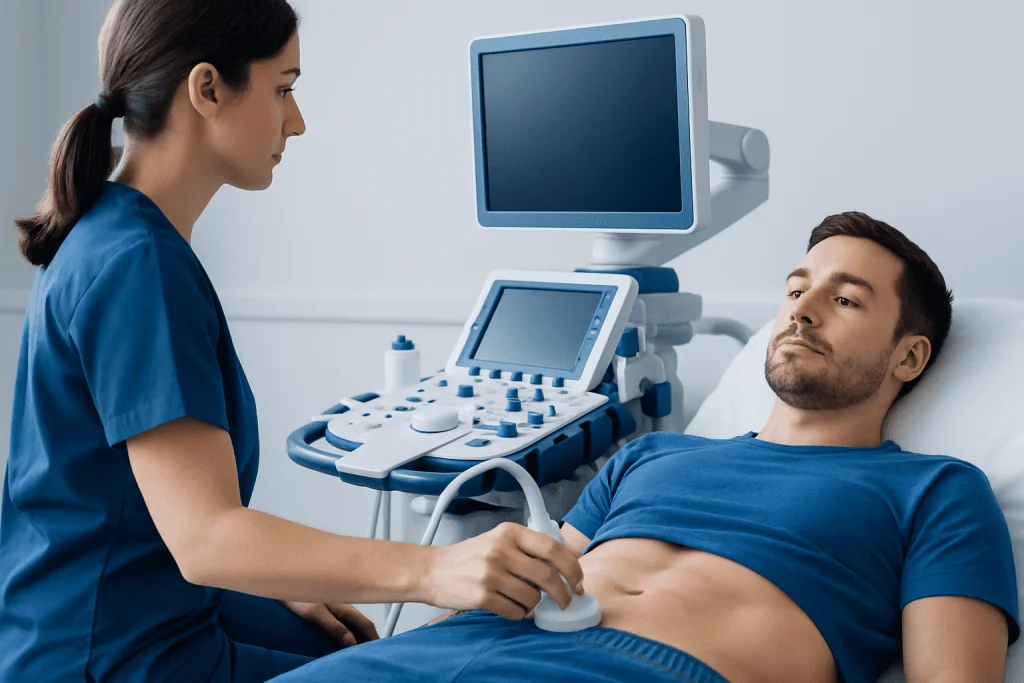
Other tests may include blood tests for testosterone and related hormones, urine tests, ultrasound of the scrotum, and, in selected cases, genetic testing or imaging. If there are significant urinary or prostate-related symptoms, doctors may use additional urologic assessments. Evaluation should be individualized; there is rarely a single test that explains every reproductive symptom.
Treatment and support options
Treatment depends on the cause. Infections may be treated with medicines, while hormone problems may need endocrine evaluation and targeted management. Varicocele, obstruction, or some structural concerns may be treated with procedures or surgery when appropriate. Sexual function problems are managed according to the underlying reason and can involve lifestyle measures, counseling, medication, or specialized care. If fertility is a concern, early assessment can help identify reversible causes and guide planning.
For some men, supportive care and monitoring are enough. For others, specialist treatment is helpful. This may include evaluation in urology for testicular, scrotal, prostate, or urinary symptoms. Men with fertility concerns may benefit from fertility and IVF care when pregnancy is not happening naturally or when semen analysis is abnormal. If there is a suspicious mass or other findings, oncology assessment may be part of care.
Treatment is not only about fertility or disease control. It can also help improve comfort, sexual function, confidence, and overall quality of life. Near the end of the care pathway, some people may seek multidisciplinary review. Acibadem International’s specialists in relevant fields, including urology, fertility, endocrinology, and oncology, diagnose and treat male reproductive system conditions in JCI-accredited hospitals for international patients.
Prevention and self-care for reproductive health
Many aspects of male reproductive health can be supported through everyday habits. Not smoking, limiting excess alcohol, maintaining a healthy weight, sleeping well, staying physically active, and managing stress all help overall hormonal and vascular health. Chronic conditions such as diabetes, high blood pressure, obesity, and thyroid disease can affect sexual and reproductive function, so regular medical care matters.
Protecting the testes from repeated high heat may also help, especially during fertility planning. Tight or hot conditions do not always cause permanent problems, but frequent heat exposure can affect sperm quality in some men. Prompt treatment of sexually transmitted infections and safer sex practices are important because some infections can affect fertility if left untreated.
Self-examination awareness can be useful, particularly for noticing a new lump, change in size, or persistent heaviness in the testicles. This does not replace a medical exam, and there is no need for obsessive checking. The goal is simply to be familiar with what is normal for the body so new changes are noticed early and discussed with a doctor.
When to seek medical care
Medical care is important if there is persistent testicular pain, a new lump, swelling, discharge, blood in semen, pain with ejaculation, erection problems that continue, or fertility concerns after trying to conceive for a reasonable period. Men should also seek assessment for delayed puberty, symptoms of low testosterone, or ongoing urinary symptoms such as burning, weak stream, or frequent urination.
Urgent medical attention is needed for sudden, severe testicular pain, especially if it comes with nausea, vomiting, or swelling. These symptoms can signal testicular torsion, which requires rapid treatment to protect the testis. Fever with scrotal pain or redness should also be assessed promptly.
It is also reasonable to see a doctor when symptoms are affecting daily life even if they seem mild. Early evaluation often helps rule out serious causes, identify treatable problems, and provide reassurance. Because the male reproductive system is influenced by hormones, circulation, nerve function, and emotional health, a broad and respectful medical assessment is often the best next step.
Frequently asked questions
What is the main function of the male reproductive system?
Its main functions are to produce sperm, make hormones such as testosterone, and transport semen. It also supports sexual development, libido, and aspects of bone, muscle, and overall health through hormonal activity.
What organs are part of the male reproductive system?
The main organs include the testes, epididymis, vas deferens, seminal vesicles, prostate, urethra, penis, and scrotum. Each has a specific role in making, maturing, storing, or delivering sperm and semen.
Can problems in the male reproductive system affect fertility?
Yes. Fertility can be affected by sperm production problems, hormone imbalances, blockages, infections, varicocele, genetic factors, and general health conditions. Many causes can be evaluated and sometimes treated, which is why medical assessment is important.
Does testosterone only affect sexual function?
No. Testosterone also influences puberty, muscle mass, bone strength, mood, energy, and red blood cell production. Symptoms that seem hormonal can have different causes, so testing and medical interpretation are important.
Is testicular pain always serious?
Not always, but it should not be ignored if it is severe, sudden, recurrent, or associated with swelling, fever, or a lump. Sudden intense pain may be an emergency because it can signal a problem with blood flow to the testis.
How is male reproductive health checked?
Doctors usually begin with a medical history and physical exam, then use tests based on the symptoms. These may include semen analysis, hormone blood tests, urine tests, and ultrasound of the scrotum.
References
- World Health Organization
- U.S. National Library of Medicine
- National Institute of Diabetes and Digestive and Kidney Diseases
- American Urological Association
- Centers for Disease Control and Prevention
This article is for general information only and is not a substitute for professional medical advice. Please consult a qualified doctor about your individual situation.
Reproductive System in Turkey — costs, top hospitals & a free quote
JCI-accredited · board-certified surgeons · reply within 24h
Add us as a Preferred Source to see more of our trusted health content across Google Search, AI Overviews and Discover.

Gynecology & Obstetrics
Women’s health across pregnancy, gynecologic surgery and high-risk pregnancy care.
186 specialists in this unitMore from the Health Library

Brush of Hair: What Patients Need to Know

Wasp Sting — Explained by Medical Evidence, Not Myths

Weight Loss Running Machine: An Evidence-Based Guide for Patients

Sarms: What Patients Need to Know

Chaga: An Evidence-Based Guide for Patients

Freckle: What Patients Need to Know
Gynecology & Obstetrics Specialists at Acibadem

Prof. Dr. A. Taner Usta
Gynecology & Obstetrics
Prof. Dr. Ahmet Cem Batukan
Gynecology & Obstetrics
Prof. Dr. Ahmet Tayyar
Gynecology & Obstetrics
Dr. Ahmet Varolan
Gynecology & Obstetrics