Malignant Tumor: Symptoms, Diagnosis, and Treatment Options

A malignant tumor is cancerous and can grow into surrounding tissue or spread to distant organs. Symptoms vary by location but may include a new lump, pain, unexplained weight loss, bleeding, or ongoing fatigue.
Key Takeaways
- A malignant tumor is cancerous and can grow into surrounding tissue or spread to distant organs.
- Symptoms vary by location but may include a new lump, pain, unexplained weight loss, bleeding, or ongoing fatigue.
- Diagnosis usually involves a medical history, physical examination, imaging tests, and a biopsy.
- Treatment may include surgery, chemotherapy, radiotherapy, targeted therapy, immunotherapy, or a combination.
- Not every tumor is malignant; benign tumors do not usually invade or spread like cancer.
- Prompt medical review of persistent or unusual symptoms is important.
A malignant tumor is a cancerous growth that can invade nearby tissues and may spread to other parts of the body. Early evaluation, accurate diagnosis, and personalized treatment can improve outcomes and help guide the best care plan.
Overview
A malignant tumor is an abnormal growth of cells that behaves in a cancerous way. Unlike benign tumors, malignant tumors can invade nearby tissues, damage normal structures, and in some cases spread through the blood or lymphatic system to other parts of the body. This process of spread is called metastasis.
Malignant tumors can develop in almost any organ or tissue, including the breast, lung, colon, skin, brain, blood, bones, and reproductive organs. The behavior of a tumor depends on many factors, such as where it started, how fast it is growing, and how abnormal the cells look under a microscope.
Not all cancers cause symptoms at an early stage, which is why routine screening and attention to ongoing changes in the body matter. When found early, many malignant tumors can be treated more effectively. Even when a cancer is advanced, treatment can often help control the disease, relieve symptoms, and improve quality of life.
Symptoms of a Malignant Tumor
Symptoms of a malignant tumor vary widely depending on the organ involved, the size of the tumor, and whether it has spread. Some people notice local symptoms related to pressure, blockage, or tissue damage. Others have more general symptoms that can happen with many different cancers.
Possible warning signs may include a new lump or swelling, persistent pain, changes in the skin, unexplained bleeding, a cough that does not go away, changes in bowel or bladder habits, difficulty swallowing, or a sore that does not heal. General symptoms can include unusual fatigue, unexplained weight loss, loss of appetite, fevers, or night sweats.
Symptoms are not always caused by cancer, and many non-cancerous conditions can look similar. However, a symptom that is new, persistent, worsening, or unexplained deserves medical attention, especially if it lasts for several weeks.
- A lump that is hard, enlarging, or fixed in place
- Persistent or worsening pain
- Unexplained weight loss or fatigue
- Blood in stool, urine, sputum, or abnormal vaginal bleeding
- Ongoing cough, hoarseness, or shortness of breath
- Changes in a mole or skin lesion
Causes and Risk Factors

Malignant tumors develop when cells acquire genetic changes that disrupt normal growth control. These changes may allow cells to divide too quickly, avoid natural cell death, and invade surrounding tissue. In most cases, cancer arises from a combination of factors rather than one single cause.
Known risk factors include increasing age, tobacco use, excess alcohol use, obesity, chronic inflammation, radiation exposure, some infections, environmental or workplace exposures, and a family history of certain cancers. Inherited gene changes can increase risk in some families, but most cancers are not directly inherited.
Lifestyle and environment can play an important role. Avoiding tobacco, limiting alcohol, maintaining a healthy weight, staying physically active, protecting the skin from excessive sun, and following recommended screening programs may lower the risk of some cancers. Still, it is important to remember that a person can develop a malignant tumor even without obvious risk factors.
How Malignant Tumors Are Diagnosed
Diagnosis starts with a medical history and physical examination. A doctor asks about symptoms, when they began, personal and family medical history, and possible exposures or risk factors. If cancer is suspected, further testing is planned to identify the tumor, determine its size and location, and see whether it has spread.
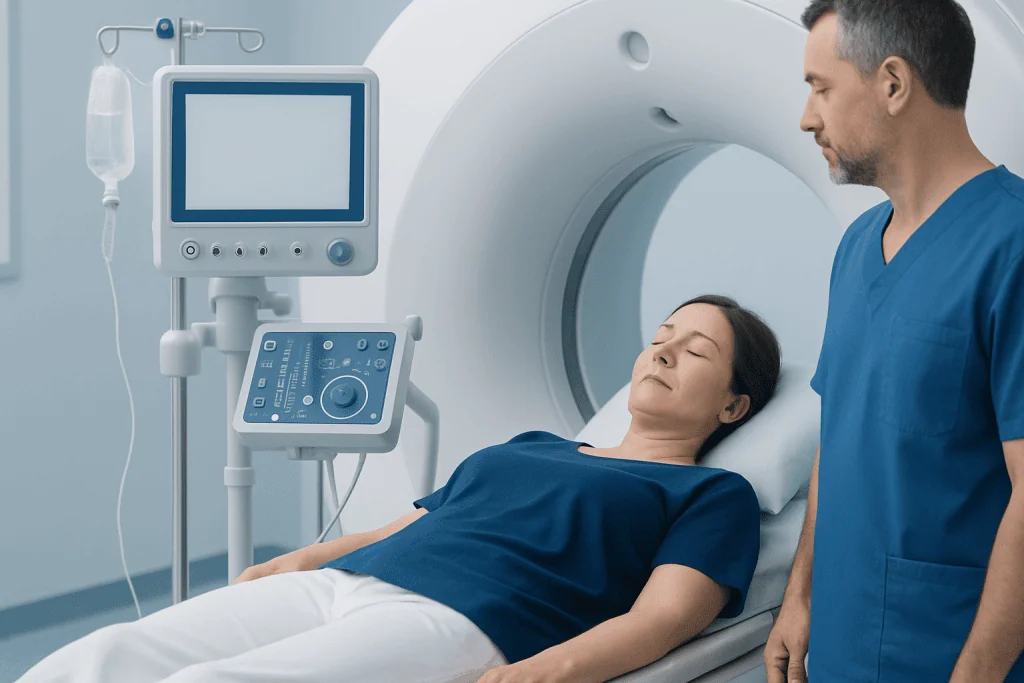
Imaging tests may include ultrasound, X-ray, computed tomography, magnetic resonance imaging, or positron emission tomography. Blood tests can provide supportive information, such as signs of anemia, organ function changes, or certain tumor markers, but blood tests alone usually cannot confirm a malignant tumor.
A biopsy is usually the most important step because it provides a tissue sample for laboratory examination. A pathologist studies the cells to confirm whether the tumor is malignant, identify the tumor type, and assess features that help guide treatment. In some cases, additional molecular or genetic testing of the tumor helps doctors choose more personalized therapies.
After diagnosis, staging is performed to describe how far the cancer has spread. Staging helps predict outlook and guides treatment choices. Doctors may also describe the tumor grade, which reflects how abnormal the cells appear and how aggressively the tumor may behave.
Treatment Options
Treatment for a malignant tumor depends on the tumor type, location, stage, grade, molecular features, and the person’s general health and preferences. Many patients receive care from a multidisciplinary team that may include medical oncologists, surgeons, radiation oncologists, radiologists, pathologists, and supportive care specialists.
Surgery may be used to remove the tumor and sometimes nearby lymph nodes. It is often an important treatment for localized cancers and may also help relieve symptoms in selected cases. Some patients may also benefit from robotic surgery when it is appropriate for the tumor location and surgical plan.
Other treatments include chemotherapy, radiation therapy, hormone therapy, targeted therapy, and immunotherapy. These treatments may be given alone or in combination, before surgery to shrink a tumor, after surgery to reduce the risk of recurrence, or as the main treatment when surgery is not suitable.
Supportive care is also an important part of treatment. This can include pain management, nutritional support, rehabilitation, psychological support, and management of treatment side effects. For some people, palliative care is introduced early to improve comfort and quality of life alongside active cancer treatment.
Prevention and Self-Care
There is no guaranteed way to prevent every malignant tumor, but certain habits can lower risk and support overall health. Avoiding tobacco is one of the most effective steps. A balanced diet, regular physical activity, healthy body weight, and limited alcohol use are also linked to lower risk for several cancers.
Sun protection is important for preventing many skin cancers. People can reduce risk by using shade, protective clothing, and sunscreen, and by avoiding indoor tanning. Vaccination can also help prevent some cancers, such as those linked to human papillomavirus or hepatitis B infection.
Screening tests can help find some cancers before symptoms begin. Depending on age, sex, family history, and personal risk, doctors may recommend screening for breast, cervical, colorectal, prostate, lung, or other cancers. Following screening guidance and attending routine checkups may lead to earlier diagnosis.
Self-care during and after treatment matters as well. Rest, gentle activity as tolerated, balanced nutrition, and open communication with the care team can help people manage symptoms and recover. Emotional support from family, counseling, or support groups can also be valuable during cancer care.
When to See a Doctor
A person should see a doctor if they notice symptoms that are persistent, unusual, or worsening. Examples include a new lump, unexplained bleeding, unexplained weight loss, ongoing pain, a persistent cough, difficulty swallowing, or a change in bowel or bladder habits that does not improve.
Urgent evaluation may be needed for severe symptoms such as trouble breathing, heavy bleeding, confusion, severe weakness, or sudden neurological changes. Even if symptoms seem mild, early medical review can be helpful because many conditions are easier to treat when found sooner.
If cancer is diagnosed, asking about the tumor type, stage, treatment goals, possible side effects, and follow-up plan can help a person feel more informed. In complex cases, a second opinion may also be useful. Near the end of the care pathway, Acibadem International’s multidisciplinary specialists and JCI-accredited hospitals provide diagnosis and treatment for international patients with malignant tumors.
Frequently asked questions
What is the difference between a benign and a malignant tumor?
A benign tumor is a non-cancerous growth that usually stays in one place and does not spread to distant parts of the body. A malignant tumor is cancerous, can invade nearby tissue, and may spread through the blood or lymphatic system.
Does a malignant tumor always mean advanced cancer?
No. Malignant means the tumor is cancerous, but it does not automatically mean the cancer is advanced. Some malignant tumors are found at an early stage, when treatment may be more straightforward and effective.
How is a malignant tumor confirmed?
A malignant tumor is usually confirmed with a biopsy, which removes a small sample of tissue for laboratory examination. Imaging tests and blood tests may support the diagnosis, but tissue analysis is often needed to identify the exact cancer type.
Can a malignant tumor be cured?
Some malignant tumors can be cured, especially when detected early and treated appropriately. In other cases, treatment may focus on long-term control, symptom relief, and maintaining quality of life.
What treatments are used for malignant tumors?
Common treatments include surgery, chemotherapy, radiation therapy, targeted therapy, immunotherapy, and hormone therapy. The best approach depends on the tumor’s location, stage, biology, and the patient’s overall health.
Are all lumps malignant tumors?
No. Many lumps are caused by benign conditions such as cysts, infections, or non-cancerous growths. Any new, enlarging, painful, or persistent lump should still be assessed by a doctor.
References
- World Health Organization
- National Cancer Institute
- American Cancer Society
- National Comprehensive Cancer Network
- U.S. Centers for Disease Control and Prevention
This article is for general information only and is not a substitute for professional medical advice. Please consult a qualified doctor about your individual situation.
Persistent digestive symptoms? Get evaluated in Turkey
JCI-accredited · board-certified surgeons · reply within 24h
Add us as a Preferred Source to see more of our trusted health content across Google Search, AI Overviews and Discover.