Marfan’s Disease Treatment: How It Works, Results and What to Expect

Treatment aims to slow enlargement of the aorta and prevent aortic dissection or rupture. Regular echocardiograms and, when appropriate, CT or MRI scans guide treatment decisions.
Key Takeaways
- Treatment aims to slow enlargement of the aorta and prevent aortic dissection or rupture.
- Regular echocardiograms and, when appropriate, CT or MRI scans guide treatment decisions.
- Medicines such as beta blockers or angiotensin receptor blockers may reduce stress on the aortic wall.
- Preventive aortic surgery may be advised when imaging shows the risk of complications is increasing.
- Care commonly involves cardiology, cardiac surgery, ophthalmology, orthopedics, genetics and other specialists.
Marfan's disease treatment is individualized and focuses on protecting the aorta, monitoring the heart and eyes, managing bone and joint concerns, and planning surgery before serious complications develop. With regular specialist follow-up and timely care, many people with Marfan syndrome can lead active, full lives.
Overview: how Marfan's disease treatment works
Marfan syndrome is an inherited connective-tissue condition that can affect the heart and blood vessels, eyes, skeleton, lungs and other body systems. Marfan’s disease treatment does not remove the underlying genetic change, but it can greatly reduce health risks by detecting problems early and treating them before they become urgent.
The most important part of care is protecting the aorta, the body’s main artery. In Marfan syndrome, the aortic wall may gradually stretch and weaken, particularly near the aortic root. Treatment therefore combines scheduled imaging, medicines that reduce strain on the aorta, personalized activity advice, and preventive surgery for selected patients.
Because symptoms and risks vary widely, treatment is not the same for everyone. A coordinated plan may include a cardiologist, clinical geneticist, cardiac surgeon, eye specialist, orthopedic specialist, and primary care clinician. Family members may also benefit from genetic counseling and clinical assessment.
Assessment, candidacy and diagnostic monitoring
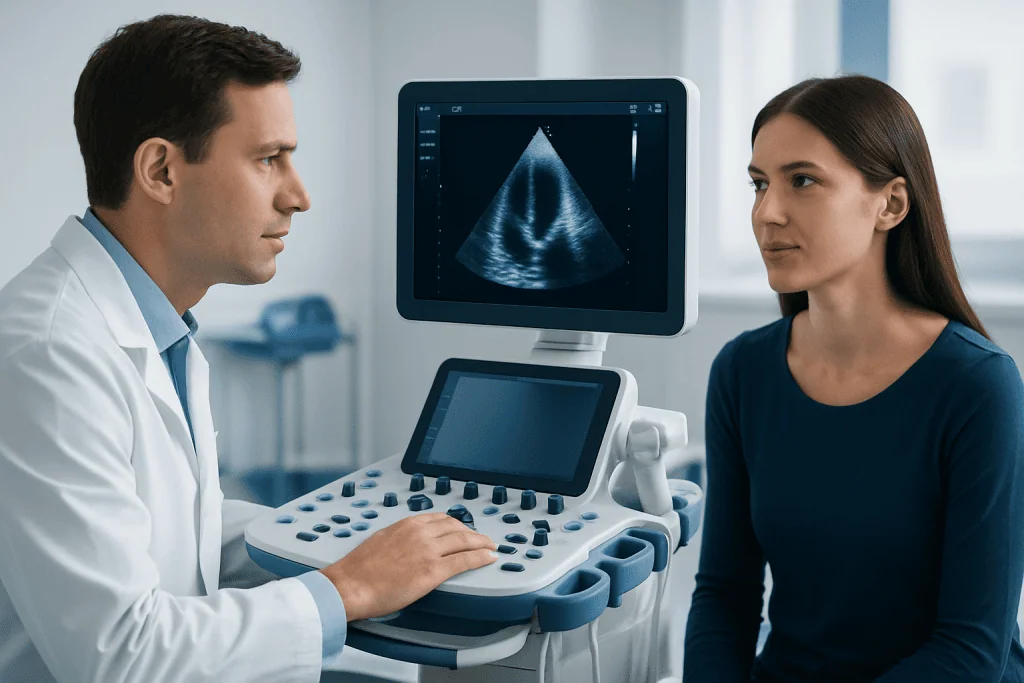
Marfan syndrome may be diagnosed through a detailed medical and family history, physical examination, heart imaging, eye examination and genetic testing. Doctors often use established clinical criteria that consider aortic enlargement, lens dislocation, skeletal features, family history and changes in the FBN1 gene. A diagnosis can sometimes be clear in childhood, while in other people it becomes more apparent over time.
Anyone with confirmed or suspected Marfan syndrome should have an initial echocardiogram to measure the aorta and assess the heart valves. Repeat echocardiograms are usually needed at regular intervals. CT or MRI may provide a more complete view of the aorta, especially when surgery is being considered or when parts of the aorta cannot be adequately seen on echocardiography.
Candidacy for aortic surgery is based on more than one measurement. Specialists consider aortic size, the rate at which it is growing, body size, family history of aortic dissection, valve function, symptoms, pregnancy plans and the person’s overall health. Surgery is generally planned before the chance of aortic dissection or rupture becomes high.
- People with a rapidly enlarging aorta may need closer imaging and earlier surgical review.
- Pregnancy planning should involve a cardiology and high-risk obstetric team before conception.
- Children and adolescents need monitoring that reflects growth and changing body size.
Medicines and everyday measures to protect the aorta

Medication is commonly used to lower the force placed on the aortic wall. Beta blockers can slow the heart rate and reduce the strength of heart contractions. Angiotensin receptor blockers, also called ARBs, are another commonly prescribed option and may be used alone or with other treatment, depending on an individual’s needs and tolerance.
Doctors also manage high blood pressure promptly, as elevated pressure can add stress to the aorta. The best medicine and follow-up schedule depend on age, blood pressure, aortic measurements, other medical conditions and potential side effects. People should not start, stop or change prescribed medicines without advice from their clinician.
Daily self-care supports medical treatment. This includes attending imaging appointments, avoiding tobacco, following a heart-healthy eating pattern, maintaining sleep and stress-management routines, and discussing any new symptoms quickly. Vision concerns, chronic pain, scoliosis and foot problems can also be treated with individualized support rather than being overlooked.
What should you avoid if you have Marfan syndrome?
People with Marfan syndrome are usually advised to avoid activities that cause sudden, intense rises in blood pressure or place high impact on the chest and joints. This often includes heavy weightlifting, maximal-effort strength training, competitive contact sports and activities involving abrupt acceleration or collision. The exact limits depend on aortic size, valve health, prior surgery and the person’s overall condition.
Many people can still benefit from regular, moderate-intensity physical activity. Walking, gentle cycling, swimming and similar activities may be appropriate for some individuals, but the safest exercise plan should be agreed with a cardiologist familiar with Marfan syndrome. Avoiding all activity without medical advice is not usually necessary and may have its own health drawbacks.
It is also important to avoid smoking and recreational stimulant drugs, which can adversely affect cardiovascular health. People should tell their healthcare team about all medicines and supplements they use, especially before surgery or pregnancy. Relatives with a family history of Marfan syndrome or aortic disease should ask about assessment and genetic counseling.
Aortic root surgery: step by step, benefits and risks
When the aortic root becomes sufficiently enlarged or shows concerning change, preventive surgery may be the safest treatment. The aim is to replace the weakened section of the aorta with a durable synthetic graft before a dissection or rupture occurs. This is planned major heart surgery, not a treatment required by every person with Marfan syndrome.
Before surgery, the team reviews imaging, heart valve function, medication use and general fitness for an operation. During the procedure, performed under general anesthesia, the surgeon replaces the affected aortic root and may also repair or replace the aortic valve. In a valve-sparing procedure, the person’s own valve is preserved when it is suitable; in other circumstances, a valve replacement is needed. Aortic aneurysm surgery may be part of the treatment pathway for carefully selected patients.
Potential benefits include preventing life-threatening aortic complications and improving management of significant valve disease. Risks can include bleeding, infection, stroke, abnormal heart rhythm, kidney problems, valve-related complications and the risks associated with anesthesia. The surgical team explains the likely benefits and risks in the context of the individual’s anatomy and health.
After repair, lifelong surveillance remains essential because Marfan syndrome can affect other parts of the aorta over time. A successful operation treats the repaired segment but does not eliminate the need for ongoing cardiovascular care.
Recovery timeline and long-term outlook
Recovery after planned aortic root surgery varies according to the procedure performed, age, general health and whether surgery was elective or urgent. A hospital stay is often followed by several weeks of gradual recovery at home. The care team provides guidance on wound care, pain control, activity progression, driving, work and follow-up imaging.
Cardiac rehabilitation or supervised recovery support may be recommended. Heavy lifting and strenuous activity are restricted initially, then reintroduced only according to the surgical and cardiology team’s advice. If a mechanical valve is used, long-term anticoagulant treatment is typically required; the team will explain monitoring and safety considerations.
How long do Marfan patients live? With modern surveillance, medical treatment and timely preventive aortic surgery when needed, life expectancy for many people with Marfan syndrome can approach that of the general population. Outcomes depend on consistent follow-up, control of aortic risk, access to appropriate care and management of individual complications.
Is Marfan syndrome a big deal? It is a significant lifelong condition because some complications, especially aortic dissection, can be serious. However, it is manageable for many people, and regular specialist care changes the outlook substantially by identifying risk early and supporting informed decisions.
Appearance, related concerns and when to seek medical care
What are 5 facial features of Marfan syndrome? Some people may have a long, narrow face; a high, arched palate; crowded teeth; a relatively small lower jaw; and deeply set eyes. These features are variable and are not diagnostic on their own. Many people with Marfan syndrome do not have a recognizable facial appearance, so diagnosis should always rely on comprehensive medical assessment.
Other possible features include tall stature, long fingers and toes, scoliosis, chest-wall differences, flat feet, joint looseness or pain, nearsightedness and lens dislocation. Similar features can occur in other inherited connective-tissue conditions, including Ehlers-Danlos syndrome, so specialist evaluation is important when a hereditary condition is suspected.
When to seek medical care: urgent evaluation is needed for sudden severe chest, back, neck or abdominal pain; fainting; sudden shortness of breath; new weakness; trouble speaking; or sudden severe dizziness. These symptoms may have many causes, but in a person with Marfan syndrome they require immediate emergency assessment. New palpitations, worsening breathlessness, changes in vision, or a known aorta that is enlarging should also be discussed promptly with a clinician.
Acibadem International’s multidisciplinary specialists and JCI-accredited hospitals support international patients with diagnosis, monitoring and treatment planning for Marfan syndrome, including coordination across cardiovascular, genetic and other relevant services.
Frequently asked questions
Can Marfan syndrome be cured?
Marfan syndrome cannot currently be cured because it is caused by an inherited genetic change. However, regular monitoring, medication, lifestyle adjustments and surgery when indicated can effectively manage many of its health risks. Treatment plans are tailored to the organs affected and the person’s aortic measurements.
How often does someone with Marfan syndrome need heart scans?
The timing depends on the aortic measurements, age, rate of growth and treatment history. Many people need an echocardiogram at least yearly, while those with an enlarging aorta, pregnancy plans or recent changes may need imaging more often. A cardiologist determines the appropriate schedule.
Can people with Marfan syndrome exercise?
Many people can exercise safely, but the type and intensity should be individualized. Moderate, non-contact aerobic activity is often preferable to heavy lifting, competitive contact sports and high-intensity exertion. A cardiologist can advise based on aortic size, heart valve function and prior treatment.
Does everyone with Marfan syndrome need surgery?
No. Surgery is not necessary for every person with Marfan syndrome. It is considered when imaging and other risk factors suggest that the aorta or heart valve could become unsafe without repair. Regular surveillance helps doctors plan surgery at the most appropriate time.
Can Marfan syndrome affect pregnancy?
Pregnancy can increase stress on the heart and aorta, particularly in people with aortic enlargement. Pre-pregnancy counseling with cardiology, maternal-fetal medicine and genetics specialists is important. Monitoring and treatment may need to be adjusted before and during pregnancy.
Should family members be tested for Marfan syndrome?
Marfan syndrome is often inherited, so close relatives may be at risk even if they feel well. A clinician may recommend genetic counseling, an echocardiogram, eye examination or genetic testing for family members. Early assessment can identify people who would benefit from regular monitoring.
References
- American Heart Association
- The Marfan Foundation
- National Heart, Lung, and Blood Institute
- European Society of Cardiology
- GeneReviews
This article is for general information only and is not a substitute for professional medical advice. Please consult a qualified doctor about your individual situation.
Joint and spine care in Turkey — expert assessment & treatment
JCI-accredited · board-certified surgeons · reply within 24h
Add us as a Preferred Source to see more of our trusted health content across Google Search, AI Overviews and Discover.
Check your numbers in seconds
BMI, calories, due date, blood pressure and 30+ more clinical calculators — free, instant, doctor-reviewed ranges.