Marrow Transplant Leukemia: Procedure, Recovery and Results

A stem cell transplant may be considered when leukemia has high-risk features, returns after treatment or is unlikely to be controlled with chemotherapy alone. Allogeneic transplants use donor stem cells and can add an immune attack against leukemia; autologous transplants use a person’s own collected cells in selected situations.
Key Takeaways
- A stem cell transplant may be considered when leukemia has high-risk features, returns after treatment or is unlikely to be controlled with chemotherapy alone.
- Allogeneic transplants use donor stem cells and can add an immune attack against leukemia; autologous transplants use a person’s own collected cells in selected situations.
- The early recovery period commonly includes low blood counts, fatigue, infection precautions and frequent appointments while new marrow cells engraft.
- Results vary with leukemia type, disease status at transplant, age, overall health, donor match and transplant-related complications.
- Long-term follow-up is essential because late effects, infections, graft-versus-host disease and leukemia recurrence can occur.
A marrow transplant for leukemia, also called a blood or stem cell transplant, replaces unhealthy bone marrow with healthy blood-forming stem cells after intensive treatment. It can be a potentially curative option for selected people, but recovery requires close monitoring for infections, graft-versus-host disease and leukemia relapse.
Overview: How marrow transplant leukemia treatment works
Marrow transplant leukemia treatment is a procedure in which blood-forming stem cells are infused into the bloodstream to rebuild the bone marrow after high-dose chemotherapy, sometimes with radiation therapy. The new cells travel naturally to the marrow spaces inside the bones, where they can begin producing red cells, white cells and platelets. The procedure is more commonly called a hematopoietic stem cell transplant or bone marrow transplant.
For many leukemias, especially acute myeloid leukemia (AML), acute lymphoblastic leukemia (ALL) and some chronic leukemias, transplantation can be an important treatment option. It may be used after remission-induction treatment, when leukemia has returned, or when tests suggest a high chance of relapse with standard treatment alone. It is not necessary or appropriate for every person with leukemia.
In an allogeneic transplant, stem cells come from a matched related donor, an unrelated volunteer donor, umbilical cord blood, or in some circumstances a partially matched family donor. Donor immune cells may recognize and attack residual leukemia cells, known as the graft-versus-leukemia effect. An autologous transplant uses the patient’s own previously collected cells and is used less often for leukemia because it does not provide this donor immune effect.
Who may be a candidate for a transplant?
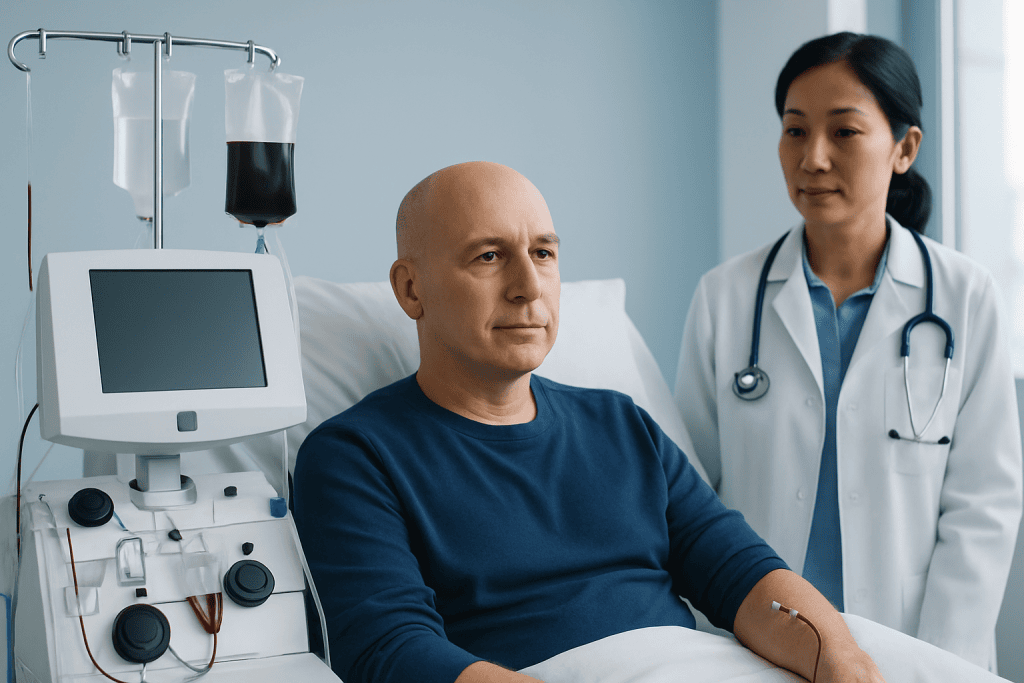
Transplant specialists consider several factors together rather than relying on a single test result. These include the specific leukemia subtype, chromosome or gene changes in leukemia cells, whether the disease is in remission, prior treatments, response to treatment, risk of relapse, age, fitness and the function of major organs such as the heart, lungs, liver and kidneys.
For some people with high-risk AML or ALL, a transplant in first complete remission may offer the best opportunity for durable disease control. For others, the team may recommend additional drug treatment, targeted therapy, immunotherapy or monitoring instead. People whose leukemia has returned may be assessed for transplant after treatment brings the disease under control again. More information about leukemia can help patients understand the different forms of this disease and their treatment pathways.
A potential donor search may begin early, even while initial leukemia treatment is continuing. Tissue typing looks for human leukocyte antigen (HLA) compatibility between the recipient and possible donors. A close match can reduce certain complications, but successful transplant is possible with several donor sources and does not always require a fully matched sibling.
- Leukemia features and current disease status
- Response to earlier treatment and measurable residual disease testing
- Physical fitness, nutritional status and other health conditions
- Availability of an appropriate stem cell source and practical support during recovery
The procedure: step by step
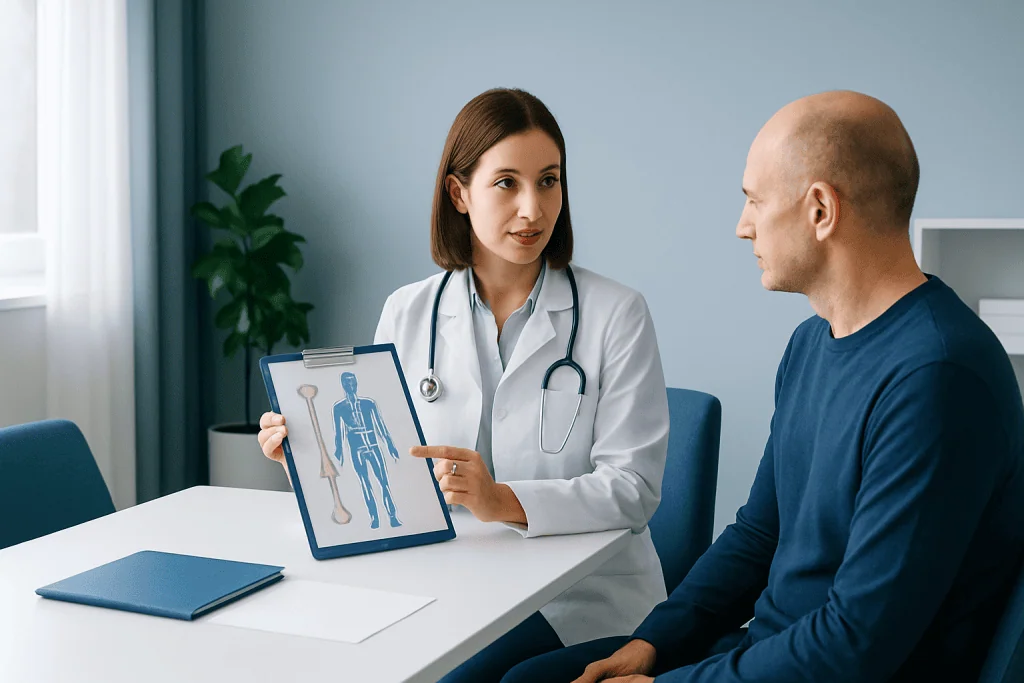
Before transplant, the care team performs a detailed assessment, discusses benefits and risks, checks for infections and organ function, and places a central venous catheter if needed. Patients may also meet with nursing, nutrition, pharmacy, infectious disease, fertility and psychosocial support professionals. Fertility preservation may be discussed before conditioning treatment because chemotherapy and radiation can affect fertility.
The first treatment phase is called conditioning. It uses chemotherapy, sometimes combined with total body radiation, to reduce leukemia cells, suppress the existing immune system and make room for donor stem cells. The intensity is individualized. Myeloablative conditioning is stronger and may be suitable for some fit patients, while reduced-intensity conditioning may be considered for older adults or people with certain health concerns.
On transplant day, thawed or fresh stem cells are given through the central line, much like a blood transfusion. The infusion itself is usually not surgery and does not involve placing cells directly into bone. The crucial period follows the infusion: the team monitors blood counts, symptoms, medications and infection risk while waiting for engraftment, when the new cells begin making blood cells.
Specialist teams can provide assessment and treatment through bone marrow transplant care, including donor coordination, conditioning and long-term follow-up. Treatment plans are individualized and are reviewed regularly as blood tests and clinical recovery progress.
Marrow transplant recovery time and what to expect
Marrow transplant recovery time differs substantially among individuals. In the first weeks, blood counts generally fall because of conditioning treatment. Until engraftment occurs, people may need transfusions, preventive medicines and careful infection precautions. White blood cell recovery often begins within a few weeks, although the exact timing depends on the stem cell source, conditioning and individual response.
The hospital stay may last several weeks, though some centers can manage selected people partly as outpatients with very frequent monitoring. Fatigue, mouth and throat soreness, nausea, appetite changes, diarrhea, skin changes and emotional strain are common during this period. Supportive care may include anti-nausea medicines, pain management, nutrition support, blood products and medicines to prevent or treat infections.
Marrow recovery is not the same as complete immune recovery. Even after blood counts improve, immunity can remain reduced for months or longer, particularly after an allogeneic transplant or if immunosuppressive medicines are needed. The care team gives individualized advice on food safety, hand hygiene, visitors, return to work or school, activity, vaccines and travel.
Regular follow-up includes blood tests, medication adjustments and tests for leukemia. Some patients have bone marrow examinations or sensitive measurable residual disease tests to look for early evidence of leukemia recurrence after bone marrow transplant. Follow-up also addresses long-term concerns such as bone health, endocrine effects, heart health, fertility, eye health and emotional wellbeing.
How successful is a bone marrow transplant for leukemia?
The success of a bone marrow transplant for leukemia cannot be summarized by one percentage. Outcomes depend strongly on the leukemia type and biology, whether the leukemia is in remission at transplant, the amount of residual disease detectable before transplant, the donor and stem cell source, conditioning approach, age, overall health and complications after transplant.
For some people, especially those transplanted while leukemia is in remission, an allogeneic transplant can provide long-term disease control or cure. The donor immune system can help eliminate leukemia cells that survived prior treatment. However, transplantation also carries risks that may limit its benefit for some patients, so transplant teams compare the expected transplant benefit with other available treatment options.
Questions about a leukemia relapse after bone marrow transplant survival rate deserve an individualized conversation with the treating hematology team. If relapse occurs, outlook and treatment choices depend on how soon it occurs, the leukemia’s characteristics, prior transplant complications and available therapies. Options may include targeted treatment, immunotherapy, chemotherapy, donor lymphocyte infusion, clinical trials or, for selected patients, another transplant.
Results are best discussed using the patient’s own clinical information rather than population averages alone. A transplant physician can explain what is known about risk, uncertainty and realistic goals at each stage of care.
What are the worst days after a stem cell transplant?
Many people find the period after conditioning and before engraftment to be the most physically demanding part of a stem cell transplant. During this low-count phase, often within the first two to three weeks after infusion, the immune system is very weak and side effects from conditioning treatment may be at their strongest. Experiences vary, and some people have more manageable symptoms than others.
Common difficulties can include profound tiredness, fever, infection concerns, mouth sores, nausea, diarrhea, poor appetite and the need for transfusions. The care team checks closely for complications, including bloodstream infections, bleeding and organ effects. Prompt reporting of new symptoms helps clinicians provide treatment early.
After engraftment, recovery may feel gradual rather than immediate. People receiving donor cells can also develop graft-versus-host disease (GVHD), in which donor immune cells attack healthy tissues. GVHD may affect the skin, digestive system, liver, eyes, mouth or other organs, and it can occur early or later after transplant. Preventive medicines and close follow-up are central to managing this risk.
Emotional challenges are also common. Extended isolation, uncertainty, sleep disruption and changes in independence can affect mood. Support from family, mental health professionals, social workers and transplant support groups can be an important part of recovery.
What is life like after a bone marrow transplant?
Life after a bone marrow transplant often improves in stages. During the first months, appointments, blood tests and medication schedules may be frequent, and energy levels may fluctuate. Many people need time away from work, school or caregiving responsibilities. Gentle activity, rest, nutrition and rehabilitation are usually adjusted to the person’s strength and medical advice.
As immunity and stamina recover, many patients gradually resume valued activities. Nevertheless, recovery is rarely linear: infections, medication effects, GVHD, fatigue or anxiety can create temporary setbacks. People should avoid comparing their progress with another transplant recipient’s timeline and should ask their transplant team when it is safe to increase activities, travel or receive routine vaccinations.
Long-term survivors need continuing health surveillance. Depending on prior treatment and transplant type, this may include screening for chronic GVHD, endocrine changes, cataracts, osteoporosis, cardiovascular risk and secondary cancers. A written survivorship plan can help coordinate care between the transplant center, hematologist and primary care clinician.
Acibadem International’s multidisciplinary specialists and JCI-accredited hospitals support diagnosis, transplantation and follow-up for international patients. Ongoing communication with the transplant team remains essential wherever a person receives care.
Is bone marrow transplant 100% successful? When to seek medical care
No, bone marrow transplant is not 100% successful. Although it can be curative for some people with leukemia, there is a risk of transplant-related complications, graft failure, GVHD, infections and leukemia recurrence. The goal of transplant evaluation is to determine whether its potential benefits outweigh these risks for the individual patient.
Anyone being considered for transplant should seek timely care from a hematologist and transplant center for a clear discussion of options. People who have already had a transplant should contact their transplant team promptly for fever or chills, shortness of breath, chest pain, new rash, persistent vomiting or diarrhea, worsening abdominal pain, unusual bleeding, severe weakness, confusion, reduced urine output or any symptom that feels sudden or concerning.
Emergency assessment is particularly important for severe breathing difficulty, chest pain, fainting, confusion, uncontrolled bleeding or a high fever in a person with low white blood cell counts. Patients should follow the specific contact instructions provided by their own transplant service, as thresholds and medication plans are individualized.
For people with leukemia, transplant is one part of a broader care plan that may also involve chemotherapy treatment and radiotherapy in selected circumstances. Clear communication, scheduled monitoring and early attention to symptoms help support safer recovery.
Frequently asked questions
How successful is a bone marrow transplant for leukemia?
Success varies according to leukemia type, genetic risk, disease status at transplant, donor factors, conditioning treatment and the patient’s overall health. For selected people, particularly those in remission before an allogeneic transplant, it can offer long-term control or cure. A transplant specialist can explain the expected benefits and risks using the person’s specific clinical details.
What is life like after a bone marrow transplant?
In the first months, life often centers on recovery, medication schedules, infection precautions and regular follow-up visits. Strength and immunity commonly return gradually, and many people resume daily activities over time. Long-term medical follow-up remains important because late effects and chronic graft-versus-host disease can occur.
What are the worst days after a stem cell transplant?
The period after conditioning and before engraftment is often the most demanding because blood counts are low and treatment side effects can be intense. Fatigue, mouth sores, nausea, diarrhea, fever and infection concerns may occur. Hospital teams provide close monitoring and supportive treatment throughout this phase.
Is bone marrow transplant 100% successful?
No. A transplant can be highly effective and potentially curative for some patients, but no treatment can guarantee success. Possible complications include infections, graft-versus-host disease, graft failure, organ effects and leukemia relapse.
How long does marrow transplant recovery take?
Initial blood-count recovery often begins within weeks, but full physical and immune recovery can take many months and sometimes longer. Recovery time depends on the transplant type, stem cell source, complications and overall health. The transplant team will provide a personalized plan for activity, vaccination and return to work or school.
Can leukemia return after a bone marrow transplant?
Yes, leukemia recurrence after bone marrow transplant is possible, even when the transplant initially appears successful. The chance of relapse depends on the leukemia’s biology, disease level before transplant and other individual factors. Regular blood tests and, when needed, bone marrow or measurable residual disease testing help the team monitor for recurrence.
References
- National Cancer Institute
- American Society of Hematology
- Centers for Disease Control and Prevention
- European Society for Blood and Marrow Transplantation
- Leukemia & Lymphoma Society
This article is for general information only and is not a substitute for professional medical advice. Please consult a qualified doctor about your individual situation.
Leukemia in Turkey — costs, top hospitals & a free quote
JCI-accredited · board-certified surgeons · reply within 24h