Massage or Aromatherapy — Explained by Medical Evidence, Not Myths

Massage and aromatherapy may help with stress reduction, relaxation, and some types of pain relief. Evidence is stronger for short-term symptom relief than for curing disease.
Key Takeaways
- Massage and aromatherapy may help with stress reduction, relaxation, and some types of pain relief.
- Evidence is stronger for short-term symptom relief than for curing disease.
- Aromatherapy uses concentrated plant oils, so skin irritation, allergies, and misuse are possible.
- Massage is not suitable for every person, especially after some injuries, surgeries, or with certain medical conditions.
- A qualified clinician can help decide whether these therapies fit safely into an overall treatment plan.
Massage or aromatherapy can support relaxation and may ease some symptoms such as stress, muscle tension, and mild pain, but the strength of medical evidence depends on the condition being treated. They are best viewed as complementary therapies that may improve comfort and well-being, not as substitutes for diagnosis or standard medical care.
Overview: what medical evidence says
Massage or aromatherapy can be helpful for some people, but the benefits are usually specific and modest rather than universal. Medical evidence suggests that massage may reduce muscle tension, promote relaxation, and improve short-term symptoms such as stress, anxiety, or certain kinds of pain. Aromatherapy may support relaxation and comfort for some individuals, especially when pleasant scents are used in a calm setting, but results are often inconsistent and can be influenced by expectation, preference, and the treatment context.
These approaches are considered complementary therapies. That means they may be used alongside standard treatment, not in place of it. For example, a person with ongoing neck pain, headache, sleep problems, or stress may feel better with massage or scent-based relaxation, but persistent symptoms still need medical assessment to look for an underlying cause.
The strongest evidence does not show that massage or aromatherapy can cure infections, reverse chronic diseases, treat cancer on their own, or replace medicines that are medically necessary. A balanced, evidence-based view is that they may improve comfort, quality of life, and symptom control in selected situations when used appropriately and safely.
How massage and aromatherapy differ
Massage is a hands-on therapy that involves structured pressure, movement, and manipulation of soft tissues such as muscles and connective tissue. Different styles exist, ranging from gentle relaxation massage to more targeted techniques used to address muscle tightness, stiffness, or recovery after strain. Benefits may come from reduced muscle guarding, improved circulation in superficial tissues, decreased stress response, and the calming effects of touch.
Aromatherapy uses essential oils or fragranced plant extracts, usually through inhalation or diluted topical application. In practice, many people experience aromatherapy as part of a broader relaxation routine rather than as a stand-alone medical treatment. Lavender, peppermint, eucalyptus, and citrus scents are commonly used, but there is no single essential oil that works for everyone or for every symptom.
The two therapies are often combined. For example, a massage session may use diluted essential oils to create a soothing environment. When this happens, it can be difficult to separate the effects of touch, rest, scent, and expectation. This is one reason why scientific studies may show mixed results, even when people report that they feel better overall.
Potential benefits supported by evidence
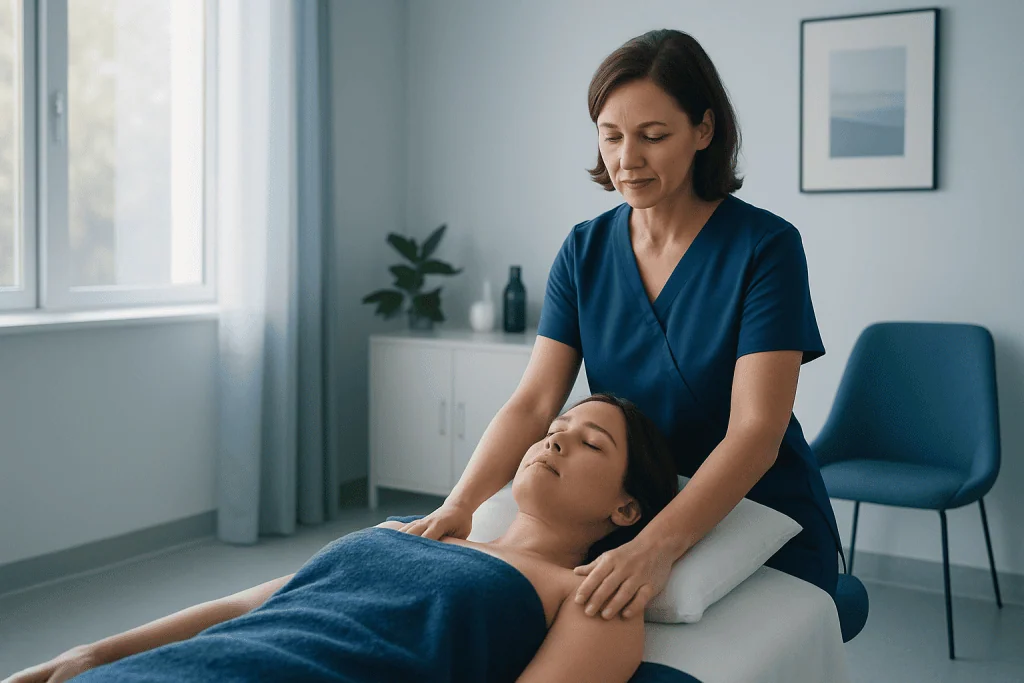
Massage has the clearest evidence for short-term relief of musculoskeletal discomfort and stress-related symptoms. Some people with back pain, neck pain, tension-related discomfort, or general muscle tightness may notice temporary improvement in pain, stiffness, or function. Massage may also help some patients feel calmer, sleep better, or cope more comfortably with symptoms during recovery or chronic illness.
Aromatherapy has more limited and variable evidence. Some studies suggest that certain scents may help with relaxation, perceived anxiety, sleep quality, or nausea in specific settings. However, findings are not always consistent, and the overall effect may be modest. The calming routine itself, such as slow breathing, rest, and a sense of comfort, may contribute as much as the scent.
Both therapies may be especially useful when the goal is symptom support rather than disease treatment. Examples include stress management, wellness routines, recovery from everyday strain, or supportive care during a medically supervised treatment plan. People with conditions such as migraine or neck pain may explore these therapies for comfort, but symptoms that are frequent, severe, or changing should still be evaluated by a clinician.
- Possible short-term benefits of massage: reduced muscle tension, temporary pain relief, relaxation, improved sense of well-being
- Possible benefits of aromatherapy: calming effect, support for relaxation rituals, improved comfort in some cases of stress or mild nausea
- Most likely role: supportive symptom management, not definitive treatment
Limits, myths, and what these therapies cannot do
A common myth is that natural therapies are automatically proven or risk-free. In reality, “natural” does not always mean effective, and it does not always mean safe. Essential oils are concentrated substances that can irritate the skin, trigger headaches, worsen asthma symptoms in some people, or cause allergic reactions. Massage can also be uncomfortable or unsuitable if used incorrectly or at the wrong time.
Another myth is that positive personal stories prove a treatment works medically for everyone. Individual experience matters, but scientific evidence looks at larger groups to see whether benefits are reliable and clinically meaningful. People may feel better after massage or aromatherapy for many reasons, including rest, supportive attention, reduced stress, and expectation. That does not make the experience unimportant, but it does mean that claims should remain realistic.
Neither massage nor aromatherapy should delay medical care for chest pain, severe headache, neurological symptoms, unexplained weight loss, fever, significant injury, or progressive weakness. They should also not be used as the sole treatment for serious conditions such as fractures, infection, major depression, uncontrolled pain, or conditions that may require imaging, medication, rehabilitation, or surgery.
Safety, side effects, and who should be cautious
Massage is generally well tolerated when performed by a trained professional, but it is not appropriate in every situation. Caution is needed after recent surgery, during acute injury, over areas of infection or skin breakdown, and in people with certain blood clotting problems, severe osteoporosis, or unstable medical conditions. Deep pressure over painful or inflamed areas may worsen symptoms rather than help them.
Aromatherapy also requires care. Essential oils should not be swallowed unless specifically directed by a qualified professional, and undiluted oils should not be applied directly to the skin. People with eczema, asthma, fragrance sensitivity, allergies, pregnancy-related concerns, or a history of migraines triggered by smells may need to avoid certain products or use them only after discussing safety with a healthcare professional.
It is wise to inform the therapist about medical history, medicines, pregnancy, recent procedures, implanted devices, and current symptoms. If a person is receiving treatment for a diagnosed condition, such as pain requiring rehabilitation or recovery after injury, these therapies should fit into the broader care plan. When needed, a clinician may recommend structured options such as physical therapy and rehabilitation instead of or in addition to massage.
How to use them wisely as complementary care
The most practical way to think about massage or aromatherapy is as a symptom-support tool. A person may choose massage for muscle tension after long periods of sitting, for stress-related tightness, or for temporary relief of non-urgent aches. Aromatherapy may be added to sleep hygiene, relaxation exercises, or calming routines when a scent is pleasant and not irritating.
Benefit is more likely when goals are clear and realistic. For example, it may be reasonable to aim for improved relaxation, slightly less tension, or better comfort during recovery. It is less realistic to expect these therapies to correct structural problems, diagnose the cause of pain, or replace targeted treatment for nerve compression, arthritis, inflammatory disease, or severe headache disorders.
For ongoing musculoskeletal symptoms, combining evidence-based care often works best. Depending on the diagnosis, this may include exercise guidance, posture changes, stress management, heat or cold, structured rehabilitation, or medical review. In some cases, clinicians may recommend pain management or an assessment by specialists if symptoms persist or interfere with daily life.
When to seek medical care
Medical evaluation is important if pain is severe, persistent, or getting worse, or if there is numbness, weakness, fever, swelling, injury, or unexplained symptoms. New headaches, dizziness, chest discomfort, shortness of breath, or symptoms that disturb sleep regularly should not be managed only with massage or aromatherapy. These signs may point to a condition that needs diagnosis rather than comfort-focused care alone.
People should also seek medical advice if symptoms return often despite self-care, if over-the-counter measures do not help, or if there is concern about using essential oils because of allergies, asthma, pregnancy, or skin disease. A doctor can help identify whether symptoms relate to tension, a musculoskeletal problem, a nerve issue, or another medical condition entirely.
If specialist assessment is needed, investigations may include physical examination, laboratory tests, or imaging such as MRI in selected cases. Acibadem International’s multidisciplinary specialists and JCI-accredited hospitals diagnose and treat international patients who need evaluation for persistent pain, headache, neurological symptoms, or rehabilitation needs.
Frequently asked questions
Is massage or aromatherapy better for stress?
Both may help with stress, but they work differently. Massage often combines physical relaxation with soothing touch, while aromatherapy may support calm through scent and routine. Personal preference matters, and some people benefit most when the two are combined safely.
Can massage or aromatherapy treat chronic pain?
They may help reduce discomfort for some people, especially in the short term, but they usually do not address the underlying cause of chronic pain. Persistent pain should be assessed by a healthcare professional so that treatment can be matched to the diagnosis.
Are essential oils safe for everyone?
No. Essential oils can irritate the skin, trigger allergies, and worsen fragrance sensitivity or some respiratory symptoms. They should be used carefully, usually diluted for skin use, and discussed with a clinician if a person is pregnant, has asthma, or has sensitive skin.
How often should someone get massage therapy?
There is no single schedule that suits everyone. Frequency depends on the goal, symptom pattern, medical history, and how the body responds. A doctor or qualified therapist can help decide whether occasional sessions or a more structured plan makes sense.
Can massage make pain worse?
Yes, in some situations it can. Deep pressure on an inflamed area, an acute injury, or certain medical conditions may increase pain or delay recovery. This is why recent injuries, surgery, unexplained pain, or severe symptoms should be reviewed before treatment.
Does aromatherapy have strong scientific proof?
The evidence is mixed and generally stronger for relaxation and comfort than for treating disease. Some people feel clear benefit, but study results are not consistent across all symptoms and settings. It is best used as supportive care rather than as a primary medical treatment.
References
- World Health Organization
- National Center for Complementary and Integrative Health
- Cochrane
- Mayo Clinic
- National Health Service
This article is for general information only and is not a substitute for professional medical advice. Please consult a qualified doctor about your individual situation.
Explore treatments in Turkey — costs, top hospitals & a free quote
JCI-accredited · board-certified surgeons · reply within 24h
Add us as a Preferred Source to see more of our trusted health content across Google Search, AI Overviews and Discover.

More from the Health Library

Oblique Fracture: What Patients Need to Know

Massive Breasts Milk: A Complete Medical Overview

Lyrica: What Patients Need to Know

Carbomer — Explained by Medical Evidence, Not Myths

Loperamide 2mg: A Complete Medical Overview