Mastectomy Support Groups: An Evidence-Based Patient Guide
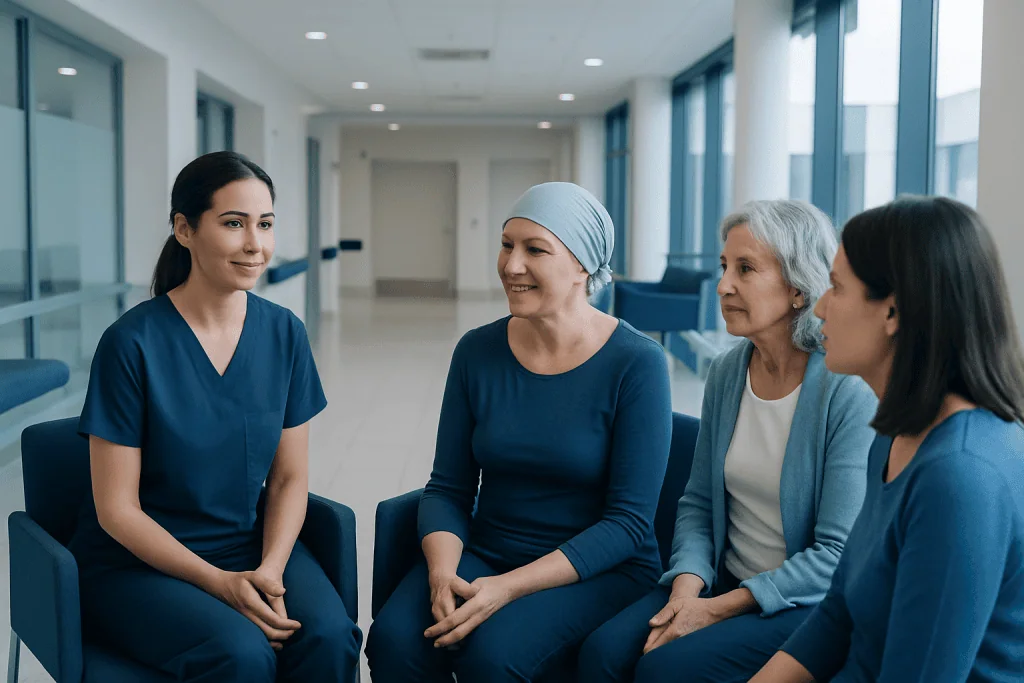
Support groups may be available before surgery, during treatment, throughout recovery and for long-term survivorship. In-person and online groups can provide peer connection, but medical questions should still be directed to the treating team.
Key Takeaways
- Support groups may be available before surgery, during treatment, throughout recovery and for long-term survivorship.
- In-person and online groups can provide peer connection, but medical questions should still be directed to the treating team.
- A good group has clear confidentiality expectations, respectful moderation and information that does not pressure members into specific decisions.
- Mastectomy choices, reconstruction options and recovery needs are individual and should be discussed with a breast surgeon.
- Partners, family members and caregivers may also benefit from dedicated cancer support services.
Mastectomy support groups can help people prepare for breast surgery, manage recovery and adjust emotionally through reliable information and connection with others who have similar experiences. The most helpful group is one that feels safe, respects privacy and complements—not replaces—care from the breast cancer team.
Mastectomy Support Groups: What They Offer
Mastectomy support groups are communities for people who are considering, having or recovering from surgery to remove breast tissue. They may be led by trained healthcare professionals, cancer organizations, social workers or peers with lived experience. Some focus on breast cancer treatment, while others address reconstruction, living without reconstruction, body image, relationships, lymphedema concerns or survivorship.
For many people, listening to others can make unfamiliar decisions and recovery experiences feel more understandable. Group members may share practical ideas about preparing for hospital care, arranging support at home, choosing comfortable clothing, returning to daily activities and communicating with family. However, each person’s diagnosis, surgery and treatment plan are different, so peer stories should not be treated as individual medical advice.
Mastectomy patient education works best when it combines trusted clinical guidance with emotional support. A breast care nurse, surgeon, oncologist or patient navigator can help identify local programs and check whether an online community is suitable for a person’s needs.
How Support Groups Work and How to Choose One
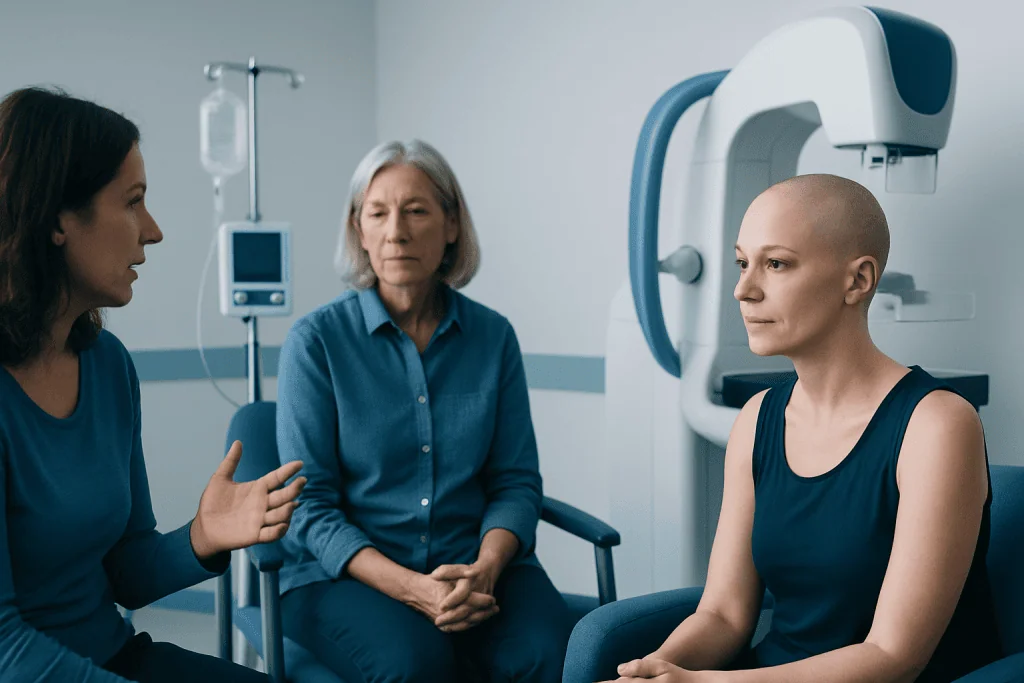
Groups may meet weekly, monthly or at specific points in treatment. Sessions can be open, meaning attendance varies, or closed, meaning the same members meet for a set period. Some are discussion-based, while others include education from a nurse, psychologist, physiotherapist, dietitian or social worker. Individual counselling may be more appropriate for someone who prefers private support or is experiencing significant distress.
Mastectomy support groups online can be particularly useful for people who live far from a treatment center, have limited mobility or prefer to join from home. Before participating, it is sensible to review the group’s privacy rules, moderator qualifications, approach to misinformation and policies on commercial promotion. A reputable group should not promise cures, discourage prescribed treatment or pressure members toward a particular surgery or reconstruction choice.
Helpful questions to ask include whether the group is for people before or after surgery, whether partners can attend, whether it is professionally facilitated and whether members may choose simply to listen. It is also reasonable to try more than one group; feeling comfortable and respected matters.
- Ask the cancer center or breast clinic for recommended local services.
- Look for national cancer organizations and established patient advocacy groups.
- Consider groups specific to age, language, treatment stage or reconstruction preference when relevant.
- Leave a group if discussions increase anxiety, shame or confusion rather than support.
Mastectomy: Who May Need It and How the Procedure Is Planned
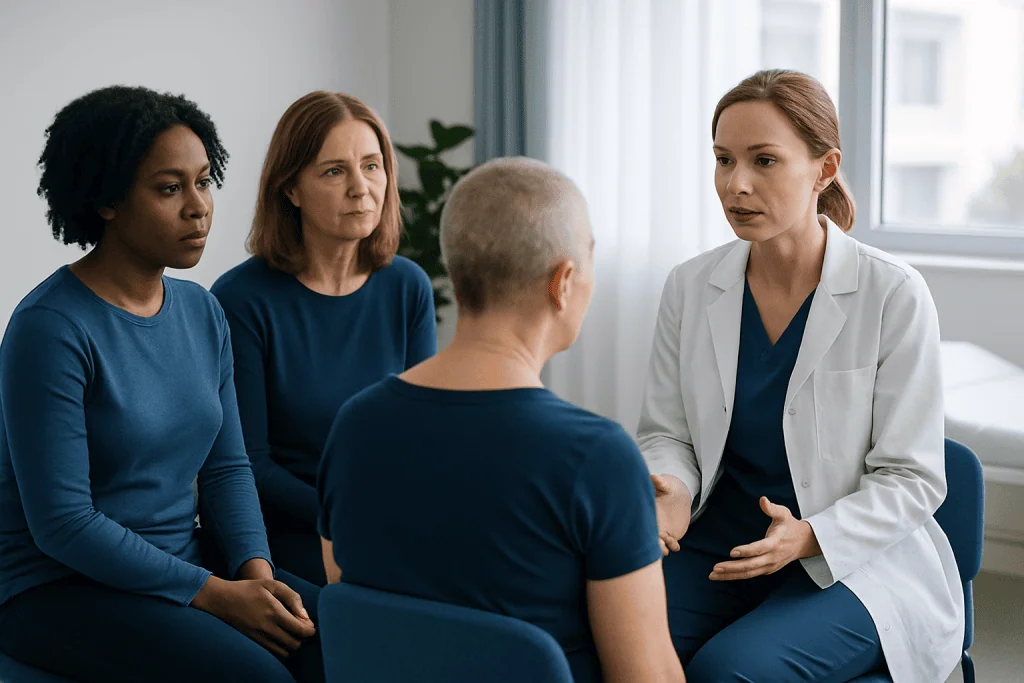
A mastectomy may be recommended to treat breast cancer or, less commonly, to reduce breast cancer risk in a person with a substantially elevated inherited risk. It may involve removing one breast or both breasts. The exact type of surgery depends on the diagnosis, tumor features, breast size, previous treatments, personal preferences and whether breast reconstruction is planned.
Before surgery, a multidisciplinary team usually reviews imaging, biopsy findings and overall health. Depending on the situation, the plan may include a simple or total mastectomy, skin-sparing or nipple-sparing surgery, and assessment of lymph nodes through sentinel lymph node biopsy or axillary surgery. Some people have reconstruction at the same operation, while others delay reconstruction or decide not to have it.
Current mastectomy guidelines emphasize shared decision-making. A person should have time to discuss the expected benefits and limitations of surgery, alternatives such as breast-conserving surgery when appropriate, possible need for radiation or systemic treatment, and the likely impact on sensation, appearance and function. Breast cancer care is individualized, and recommendations should be based on the full clinical picture.
Step by Step: What Happens During Mastectomy and Recovery
Before the operation, the surgical team explains fasting instructions, medications to pause or continue, anesthesia and postoperative planning. The procedure is performed under general anesthesia. The surgeon removes the planned breast tissue and, when indicated, performs lymph node assessment. If immediate reconstruction is chosen, a plastic and reconstructive surgeon may begin reconstruction during the same anesthetic.
After surgery, patients are monitored as they wake from anesthesia. Dressings and temporary surgical drains may be used to remove fluid from the wound area. The healthcare team provides instructions for pain control, wound and drain care, arm movement, showering, sleep, clothing and follow-up appointments. Mastectomy surgery should be planned with a specialist team that can explain the particular surgical approach being considered.
Recovery timelines vary. Many people can gradually resume light daily activities within the first weeks, but healing, energy levels, arm comfort and return to work differ according to the extent of surgery, reconstruction, complications and other treatments. Gentle exercises recommended by the care team can help preserve shoulder movement. Follow-up appointments are important for reviewing pathology results, healing and next treatment steps.
Benefits, Risks and Emotional Recovery
The main benefit of mastectomy is that it can be an effective component of treatment or risk reduction for selected patients. It may also provide reassurance to people who feel that this option best fits their medical situation and values. For some cancers, however, mastectomy is not automatically superior to breast-conserving surgery followed by radiation; the appropriate approach should be discussed carefully with the treating team.
Possible surgical risks include bleeding, infection, fluid collection, delayed wound healing, pain, numbness, restricted shoulder movement and changes in body image or sexual well-being. Lymph node surgery can increase the risk of arm swelling known as lymphedema. Reconstruction has its own potential benefits and risks, and some people choose to use an external breast form or no prosthesis at all.
Emotional reactions after mastectomy can include relief, sadness, grief, anxiety, anger or changes in confidence. These responses are common and can change over time. Support groups, psycho-oncology services, individual counselling and rehabilitation support may help people manage adjustment. A surgeon or nurse can also discuss breast reconstruction options where relevant, without assuming that reconstruction is right for everyone.
What Are Some Free Gifts Available for Breast Cancer Patients?
Free gifts for breast cancer patients are sometimes offered through hospitals, cancer charities, community organizations and patient-support programs. Availability differs by country and organization, but examples may include comfort items, head coverings, post-surgery camisoles, mastectomy pillows, care packages, transportation support, meal assistance or educational materials.
It is helpful to ask the breast care nurse, hospital social worker or patient navigator about reputable local resources. Some programs have eligibility criteria or limited supplies, and a person should be cautious about sharing personal information with unfamiliar online offers. Practical support is valuable, but it should not replace prescribed wound-care supplies, medications or follow-up care.
Friends and family can also offer useful gifts by asking what would genuinely help. A soft front-opening shirt, a water bottle within easy reach, help with shopping, or a pre-arranged ride to an appointment may be more welcome than an unexpected item.
My Wife Has Cancer. What Should I Do?
A partner can make a meaningful difference by being present, listening and asking what kind of support is wanted. Rather than assuming, it can help to say, “I am here with you. Would you like me to listen, help you make a plan, or come with you to an appointment?” Practical help with meals, household tasks, childcare, medications and transport may reduce stress during treatment and recovery.
Partners can attend appointments if the patient wishes, take notes and help prepare questions for the clinical team. They should remember that final treatment choices belong to the patient, supported by informed conversations with qualified clinicians. It can also be useful to ask about caregiver groups, as partners may need a confidential space to discuss their own fears and responsibilities.
Try to maintain ordinary moments together when possible, such as watching a favorite program, taking a gentle walk if approved by the care team, or sharing a meal. Avoid forcing positivity; acknowledging that the situation is difficult while offering steady support is often more helpful.
What Are Some Heartfelt Things I Can Say to a Breast Cancer Survivor?
Thoughtful words are usually simple, personal and free from expectations. Examples include: “I am glad you are here,” “I am thinking of you and I am available if you need anything,” “You do not have to explain how you feel,” or “I am proud of the way you have handled so much.” It is also appropriate to ask how the person prefers to talk about their experience.
Some survivors may not identify with labels such as “fighter,” “warrior” or “inspiration,” even when those words are well meant. Comments about appearance, weight, breast reconstruction or how “healthy” someone looks can feel uncomfortable. Following the survivor’s lead and listening without trying to solve every feeling are respectful approaches.
Support can continue after active treatment ends, when appointments become less frequent but emotional adjustment may still be ongoing. A brief message on an anniversary, offer of companionship or willingness to discuss everyday topics can communicate lasting care.
What Foods Should I Avoid After Being Diagnosed With Breast Cancer?
There is no single food that must be avoided by every person diagnosed with breast cancer. A balanced eating pattern that includes vegetables, fruits, whole grains, beans, protein-rich foods and healthy fats can support general health during and after treatment. Nutrition needs can change with surgery, chemotherapy, radiation, endocrine therapy or other medical conditions, so individualized advice from a registered dietitian is valuable.
In general, limiting alcohol is advisable because alcohol can increase breast cancer risk. Highly processed foods, excess added sugars and foods high in saturated fat are best kept occasional rather than forming the main part of the diet. Food safety is particularly important if treatment affects immune function; the oncology team can provide specific advice about undercooked foods, unpasteurized products and safe preparation.
People should avoid starting supplements, herbal remedies or restrictive diets without discussing them with their oncology team. Some products can affect treatment, bleeding risk or anesthesia. If appetite, taste changes, nausea or weight changes are difficult, early nutrition support can help maintain strength and comfort.
When to Seek Medical Care
After mastectomy, patients should follow the contact instructions provided by their surgical team. They should seek prompt medical advice for increasing redness, warmth, swelling, drainage with an unpleasant odor, fever, worsening pain not controlled by the prescribed plan, opening of the wound, sudden swelling near the surgical site or persistent vomiting.
Urgent medical assessment is needed for symptoms such as chest pain, severe shortness of breath, fainting, coughing up blood, or sudden swelling and pain in an arm or leg. These symptoms are not expected recovery symptoms and require immediate evaluation.
Anyone experiencing persistent low mood, panic, hopelessness, trouble coping or thoughts of self-harm should contact a healthcare professional or local emergency service promptly. Acibadem International’s multidisciplinary specialists and JCI-accredited hospitals support international patients with breast cancer diagnosis, surgery and coordinated aftercare.
Frequently asked questions
Are mastectomy support groups only for people with breast cancer?
No. Some groups welcome people having preventive mastectomy because of inherited cancer risk, as well as people treated for breast cancer. Others are specifically designed for a particular diagnosis, age group, reconstruction choice or stage of recovery.
Can I join a support group before my mastectomy?
Yes. Pre-surgery groups can help people understand what questions to ask, prepare for practical aspects of recovery and hear a range of experiences. The surgical team remains the best source for advice tailored to the planned procedure.
Are online mastectomy support groups safe?
They can be helpful when they are managed responsibly and have clear privacy and moderation standards. Members should avoid sharing identifying medical details publicly and should verify treatment claims with their healthcare team.
How long does emotional recovery take after mastectomy?
There is no fixed timeline. Feelings can change as healing progresses, pathology results are reviewed and further treatments begin or end. Counselling or a support group can be useful at any stage, including years after surgery.
Can a partner attend a mastectomy support group?
Some programs invite partners, family members or caregivers, while others are reserved for patients to protect privacy. Dedicated caregiver groups may offer a more appropriate space for partners to share concerns and learn practical coping skills.
Do all people need breast reconstruction after mastectomy?
No. Reconstruction is a personal choice and is not medically required for everyone. Some people choose immediate reconstruction, delayed reconstruction, an external prosthesis or no reconstruction, depending on their preferences and clinical circumstances.
References
- World Health Organization
- American Cancer Society
- National Cancer Institute
- American Society of Clinical Oncology
- Breastcancer.org
This article is for general information only and is not a substitute for professional medical advice. Please consult a qualified doctor about your individual situation.
Oncology care in Turkey — second opinion and treatment plan
JCI-accredited · board-certified surgeons · reply within 24h
Add us as a Preferred Source to see more of our trusted health content across Google Search, AI Overviews and Discover.