Mdma Effects: What Patients Need to Know

MDMA can affect the brain, heart, body temperature, and mood within a short time of use. Common MDMA effects include euphoria, increased energy, jaw clenching, sweating, rapid heartbeat, and poor judgment.
Key Takeaways
- MDMA can affect the brain, heart, body temperature, and mood within a short time of use.
- Common MDMA effects include euphoria, increased energy, jaw clenching, sweating, rapid heartbeat, and poor judgment.
- Serious complications can include heatstroke, low sodium, dehydration, panic, arrhythmia, liver or kidney injury, and serotonin syndrome.
- Risk increases when MDMA is mixed with alcohol, antidepressants, stimulants, or other unknown substances.
- Prompt medical care is important for chest pain, high fever, seizures, fainting, severe agitation, or trouble breathing.
MDMA effects can range from brief feelings of energy and emotional openness to serious problems such as overheating, dehydration, confusion, abnormal heart rhythm, and seizures. The effects vary widely because dose, purity, other substances, and a person’s health all influence how the body responds.
Overview of MDMA effects
MDMA effects often begin with increased energy, heightened sensory perception, and a stronger sense of emotional connection. At the same time, the drug can strain the body by raising heart rate, blood pressure, and body temperature. Because tablets or powders sold as MDMA may contain other substances, the effects are not always predictable.
MDMA, also known as ecstasy or molly, changes the activity of brain chemicals including serotonin, dopamine, and norepinephrine. These changes can alter mood, sleep, temperature regulation, appetite, and thinking. Some people feel calm or euphoric at first, while others develop anxiety, restlessness, or confusion.
From a medical point of view, the main concern is not only the desired short-term effect but also the body’s response under stress. Warm environments, dancing, dehydration, overhydration, repeated dosing, or combining MDMA with alcohol and other drugs can turn a seemingly mild reaction into a medical emergency.
How MDMA affects the brain and body
MDMA mainly acts on the central nervous system. By increasing serotonin release and interfering with normal reuptake, it can temporarily change mood, empathy, and perception. This surge may be followed by a “comedown” period with tiredness, low mood, irritability, or difficulty concentrating as the brain recovers.
The body may also react strongly. Blood vessels tighten, the heart works harder, and body temperature can rise. Sweating, dry mouth, nausea, blurred vision, and muscle tension are common. Jaw clenching and teeth grinding can lead to soreness after the drug wears off.
In some cases, MDMA affects judgment and awareness. A person may underestimate thirst, fatigue, overheating, or the danger of taking more. If a patient develops severe confusion, agitation, or unusual movements, doctors may also consider related emergencies such as serotonin syndrome or a stimulant-related toxic reaction.
Common short-term symptoms

Many short-term MDMA effects begin within an hour and may last several hours, though timing varies. Symptoms can be influenced by the amount used, body size, food intake, and whether the substance was mixed with something else. Even when symptoms seem mild, they can change quickly in hot or crowded settings.
Common short-term effects include:
- Feeling unusually energetic, alert, or talkative
- Euphoria or a sense of emotional closeness
- Rapid heartbeat or palpitations
- Higher blood pressure
- Sweating and feeling overheated
- Jaw clenching, teeth grinding, or muscle tension
- Nausea or reduced appetite
- Dilated pupils and blurred vision
- Anxiety, restlessness, or panic
After the immediate effects fade, some people experience headache, exhaustion, poor sleep, sadness, or irritability. Memory and concentration may also feel reduced for a short time. If symptoms persist or worsen rather than improve, medical evaluation is important.
Serious risks and long-term concerns
The most dangerous MDMA effects usually involve temperature, fluid balance, the heart, or the nervous system. Overheating can progress to heatstroke, especially in hot environments or with prolonged physical activity. Drinking too little fluid may lead to dehydration, while drinking large amounts of water without replacing salts may contribute to low sodium levels, which can cause headache, vomiting, confusion, seizures, or coma.
MDMA can also trigger serious cardiovascular problems. Some people develop chest pain, dangerous blood pressure changes, or abnormal heart rhythms. Rarely, severe toxicity may contribute to complications such as stroke or collapse. People with underlying heart disease, high blood pressure, or rhythm disorders may be at higher risk even with a small amount.
Repeated or heavy use may be linked with ongoing problems such as sleep disturbance, memory difficulty, mood changes, anxiety, or depression. Long-term effects are not identical in every person, and it can be hard to separate MDMA from other substances used at the same time. Still, a pattern of worsening mood, concentration, or functioning deserves professional assessment.
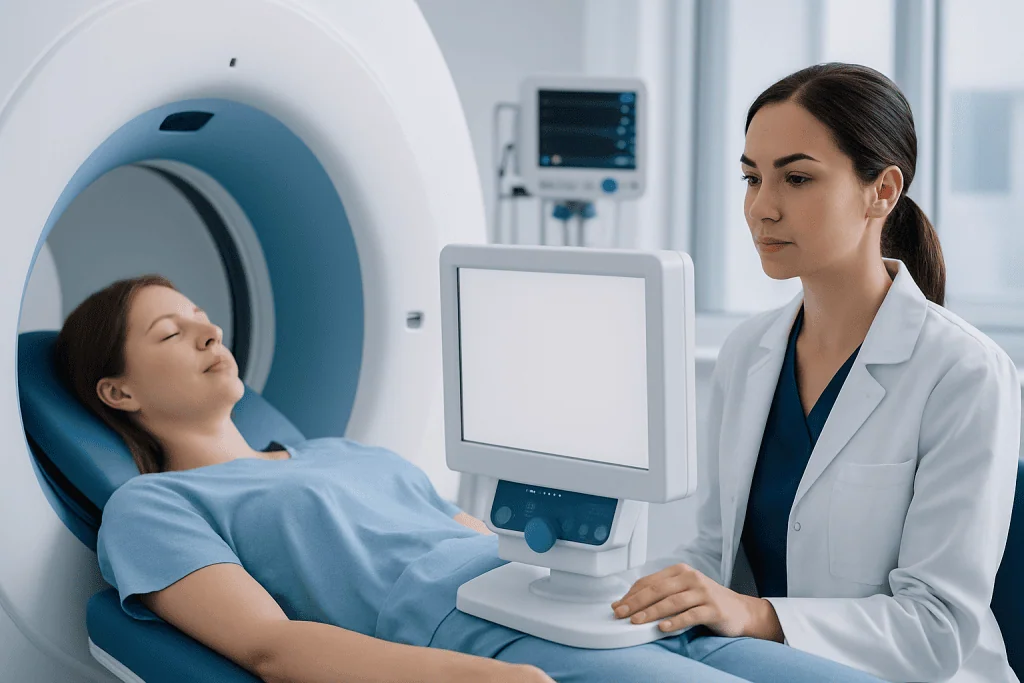
Patients who use MDMA alongside antidepressants, stimulants, or other psychoactive drugs have a higher chance of complicated reactions. If a severe episode leads to dehydration, fainting, seizure, or a collapse, hospital teams may use emergency evaluation and brain MRI or other tests when needed to look for complications.
Who is at higher risk of complications
Not everyone has the same response to MDMA. Age, body size, underlying medical conditions, medications, and the setting of use all matter. A person may also believe they are taking MDMA when the product actually contains synthetic cathinones, methamphetamine, fentanyl, or other unknown compounds.
Risk is generally higher in people with heart disease, uncontrolled high blood pressure, kidney or liver disease, seizure disorders, or mental health conditions such as panic disorder or bipolar disorder. Pregnancy is another situation where substance exposure should be discussed urgently with a clinician.
Certain medicines can increase harm. These include antidepressants that affect serotonin, some migraine medications, stimulants, and other recreational drugs. Alcohol can worsen dehydration and impair judgment. Mixing substances also makes symptoms harder to interpret and may delay treatment.
Frequent use, repeated dosing during a single event, staying in hot crowded spaces, or taking the drug without sleep or food can all increase danger. If there is concern about ongoing mood symptoms, sleep problems, or repeated substance use, evaluation may involve specialists in psychiatry as part of broader care.
How doctors diagnose and treat MDMA-related illness
Diagnosis starts with the patient’s symptoms, vital signs, and recent history. Doctors look for signs such as high temperature, rapid pulse, confusion, chest pain, dehydration, abnormal movements, or changes in consciousness. Because the exact substance may be unknown, treatment focuses first on stabilizing the person rather than relying only on a label such as ecstasy or molly.
Tests may include blood work, heart monitoring, urine testing, and checks of kidney function, liver function, and electrolyte levels. In selected cases, imaging or specialist evaluation may be needed if there are neurological symptoms, injury after a fall, or concern about other conditions. Patients with persistent palpitations or chest symptoms may need urgent cardiac assessment, sometimes including cardiology input.
Treatment depends on the problem found. Supportive care may include cooling, oxygen, intravenous fluids, correction of electrolyte imbalance, monitoring in the emergency department, and medicines to control agitation or seizures when appropriate. If serotonin syndrome, severe overheating, or organ injury is suspected, hospital admission may be necessary.
Recovery after an acute episode can include rest, hydration, sleep support, and follow-up for mood or memory symptoms. If use has become repetitive or difficult to control, clinicians may recommend mental health and substance-use support. Near the end of the care pathway, some international patients may choose centers such as Acibadem International, where multidisciplinary specialists in JCI-accredited hospitals evaluate and treat complex drug-related medical complications.
Prevention and self-care after exposure
The safest way to avoid MDMA effects is not to use the drug. For those who have been exposed, practical self-care means paying close attention to warning signs rather than assuming symptoms will pass on their own. Resting in a cool place, avoiding alcohol and additional substances, and having a trusted person nearby can be helpful while seeking advice.
If symptoms are mild, hydration should be sensible rather than excessive. Taking repeated doses, combining substances, or trying to “cancel out” effects with another drug can make complications more likely. Driving, swimming, cycling, or being alone should be avoided until normal alertness fully returns.
Over the next day or two, ongoing fatigue, poor sleep, low mood, or anxiety may occur. Gentle meals, water in moderation, and quiet rest may help. However, severe depression, panic, persistent vomiting, intense headache, or inability to keep fluids down should not be managed at home without medical input.
People who are worried about repeated use, cravings, or mental health changes can benefit from early professional support. A routine medical visit can also help review heart health, medication interactions, and any symptoms that suggest another condition rather than a simple after-effect of MDMA.
When to seek medical care
Immediate medical care is needed if a person has chest pain, trouble breathing, seizure, faints, becomes very confused, cannot be awakened, or develops a very high temperature. Repeated vomiting, severe agitation, a racing or irregular heartbeat, or blue lips are also emergency signs. If there is any doubt, emergency services should be contacted right away.
Urgent evaluation is also important for severe headache, weakness on one side, unusual behavior, collapse, or signs of dehydration such as dizziness, very dark urine, or inability to drink. These symptoms may point to dangerous complications rather than a routine comedown.
A non-emergency medical appointment is appropriate if low mood, anxiety, sleep problems, memory changes, or palpitations continue after the immediate effects have worn off. Early assessment can help rule out complications and connect the patient with the right support.
Frequently asked questions
How long do MDMA effects usually last?
The main effects often begin within 30 to 60 minutes and may last several hours, but this varies by dose, purity, and whether other substances were taken. Some after-effects such as tiredness, low mood, or poor sleep can continue into the next day or longer.
Can MDMA cause anxiety or panic?
Yes. Although some people expect relaxation or emotional warmth, MDMA can also cause restlessness, panic, paranoia, or confusion. This is more likely with high doses, repeated dosing, hot environments, or mixed substances.
What are the signs of MDMA overdose or severe toxicity?
Warning signs include very high body temperature, seizure, chest pain, trouble breathing, severe agitation, fainting, confusion, and an irregular heartbeat. Repeated vomiting, collapse, or inability to wake the person are also emergencies that need immediate medical care.
Is drinking water always enough to prevent problems?
No. While dehydration can be a problem, drinking excessive amounts of plain water can also be dangerous because it may lower sodium levels in the blood. Balance matters, and severe symptoms should be assessed by a medical professional rather than managed only with fluids.
Can MDMA interact with prescription medications?
Yes. Interactions are especially important with antidepressants and other medicines that affect serotonin, as well as stimulants and some migraine treatments. These combinations can increase the risk of serotonin syndrome, heart problems, or other toxic effects.
Are there long-term MDMA effects?
Some people report ongoing sleep problems, anxiety, low mood, or memory and concentration difficulties after repeated use. Long-term effects vary, and a doctor can help assess whether symptoms are related to MDMA, another substance, or an underlying health condition.
This article is for general information only and is not a substitute for professional medical advice. Please consult a qualified doctor about your individual situation.
Explore treatments in Turkey — costs, top hospitals & a free quote
JCI-accredited · board-certified surgeons · reply within 24h
Add us as a Preferred Source to see more of our trusted health content across Google Search, AI Overviews and Discover.
Check your numbers in seconds
BMI, calories, due date, blood pressure and 30+ more clinical calculators — free, instant, doctor-reviewed ranges.

More from the Health Library

Emu Oil: An Evidence-Based Guide for Patients

Yellow Colour of Teeth: A Complete Medical Overview

Cavity Between Molar Teeth: What Patients Need to Know

Lactated Ringers: What Patients Need to Know

Sodium Chlorite: A Complete Medical Overview