Measels Treatment: How It Works, Results and What to Expect
There is no routine antiviral cure for uncomplicated measles; care focuses on symptoms, hydration and monitoring. Children with measles may be advised to receive vitamin A under a clinician’s guidance, particularly where deficiency is a concern.
Key Takeaways
- There is no routine antiviral cure for uncomplicated measles; care focuses on symptoms, hydration and monitoring.
- Children with measles may be advised to receive vitamin A under a clinician’s guidance, particularly where deficiency is a concern.
- Measles is contagious from about four days before the rash appears until four days after it begins.
- Recovery commonly takes one to two weeks, although tiredness and cough may persist longer.
- Urgent assessment is needed for breathing difficulty, confusion, dehydration, seizures or worsening symptoms.
Measles treatment is mainly supportive: it helps the person stay hydrated, rest, manage fever and discomfort, and receive prompt care if complications develop. There is no routine medicine that cures measles, so early medical assessment and prevention of spread are important.
Overview: What Does Measels Treatment Involve?
Measels treatment, more commonly spelled measles treatment, aims to relieve symptoms, maintain hydration and nutrition, and identify complications early. Most people with uncomplicated measles recover with supportive care at home after speaking with a healthcare professional. Because measles can lead to serious complications, especially in young children, pregnant people, adults, and people with weakened immune systems, medical guidance is important.
There is no standard medicine that directly cures the measles virus once an illness is established. Instead, measles treatment methods may include rest, fluids, fever and pain relief recommended by a clinician, and treatment for complications such as ear infections or pneumonia if they occur. Antibiotics do not treat measles itself because it is caused by a virus, but they may be used when a bacterial infection is diagnosed.
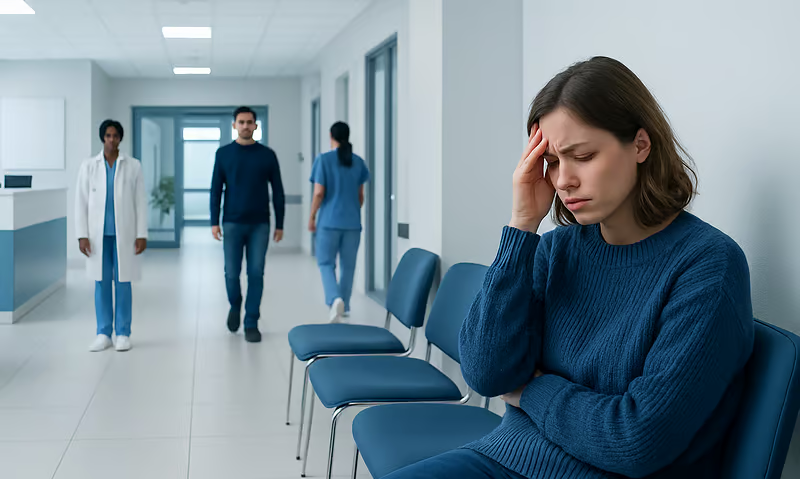
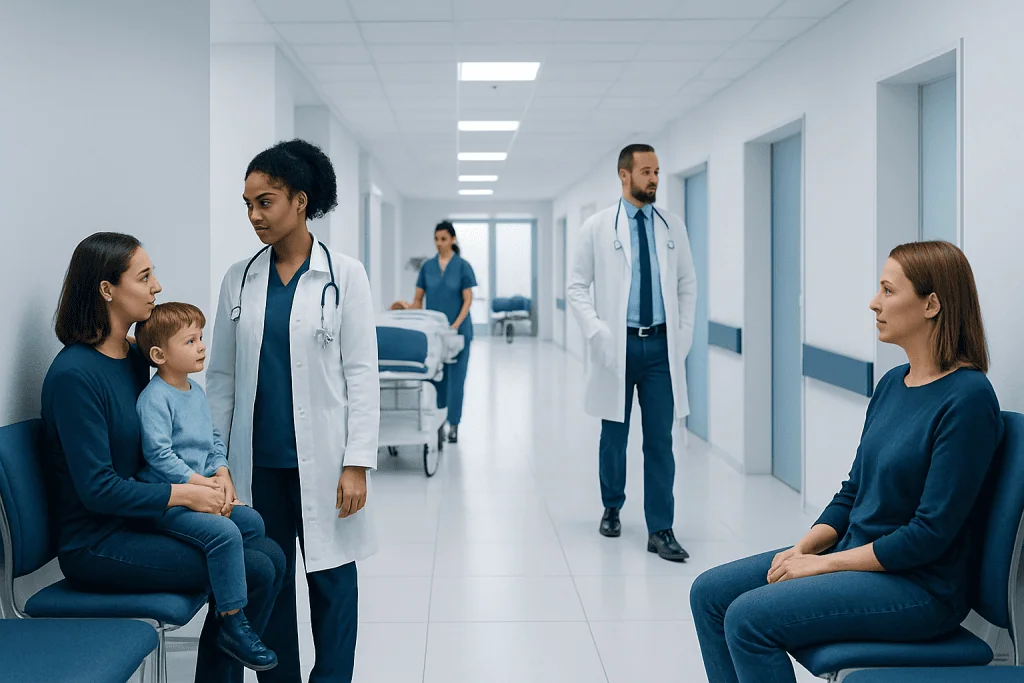
Measles spreads very easily through the air when an infected person coughs, sneezes or breathes. Anyone who suspects measles should call ahead before visiting a clinic or hospital so staff can arrange safe assessment and reduce exposure to others.
How Care Works: Candidacy, Assessment and the Step-by-Step Plan
Anyone with suspected or confirmed measles should be assessed by a qualified clinician, particularly if symptoms are severe or the person has a higher risk of complications. Higher-risk groups include infants, children under 5 years, adults over 20 years, pregnant people, and people with immune suppression. A clinician will ask about symptoms, vaccination history, recent travel and contact with someone who may have had measles.
The care plan is not a single procedure. It usually begins with confirming the diagnosis, often through a clinical assessment and laboratory testing. The clinician then evaluates hydration, breathing, alertness, eye symptoms and signs of infection in the ears or chest. Public health authorities may also need to be notified, depending on local requirements.
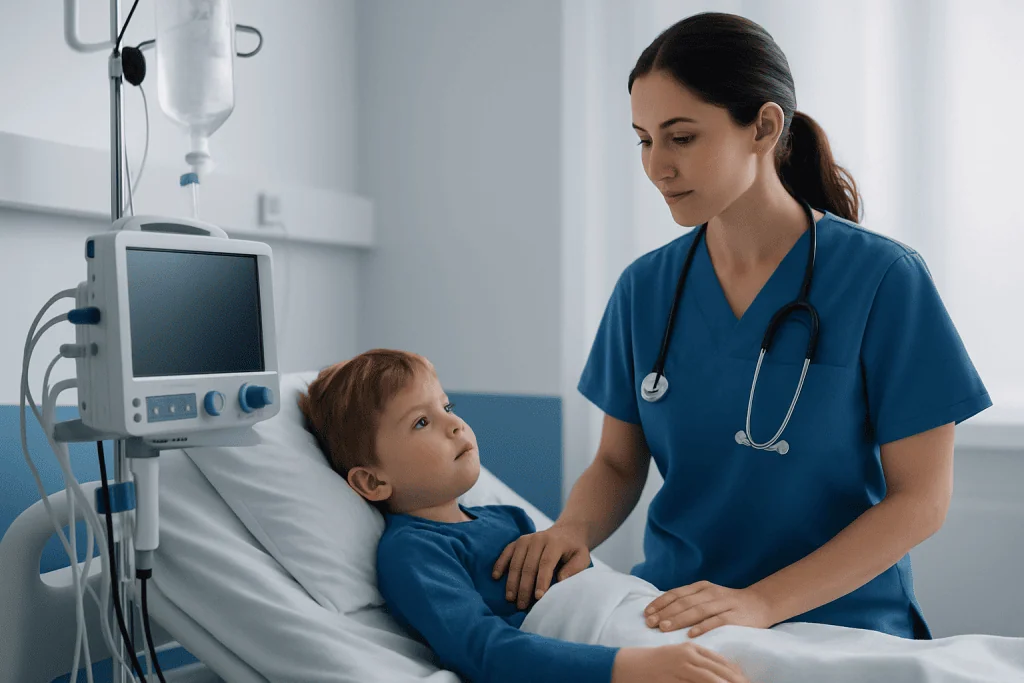
Step by step, care generally includes isolation during the contagious period, symptom relief, regular fluids, appropriate food as tolerated, and clear instructions on warning signs. Some children with measles are prescribed vitamin A in a clinical setting or according to national guidance, as it may reduce the risk of severe outcomes in children with deficiency. Vitamin A should not be self-prescribed, since excessive amounts can be harmful.
- Rest in a calm room, with reduced light if the eyes are sensitive.
- Offer frequent fluids and monitor urine output, especially in children.
- Use fever relief only as advised for the person’s age and health status.
- Arrange follow-up promptly if symptoms worsen or new symptoms develop.
Benefits, Limits and Possible Risks of Treatment
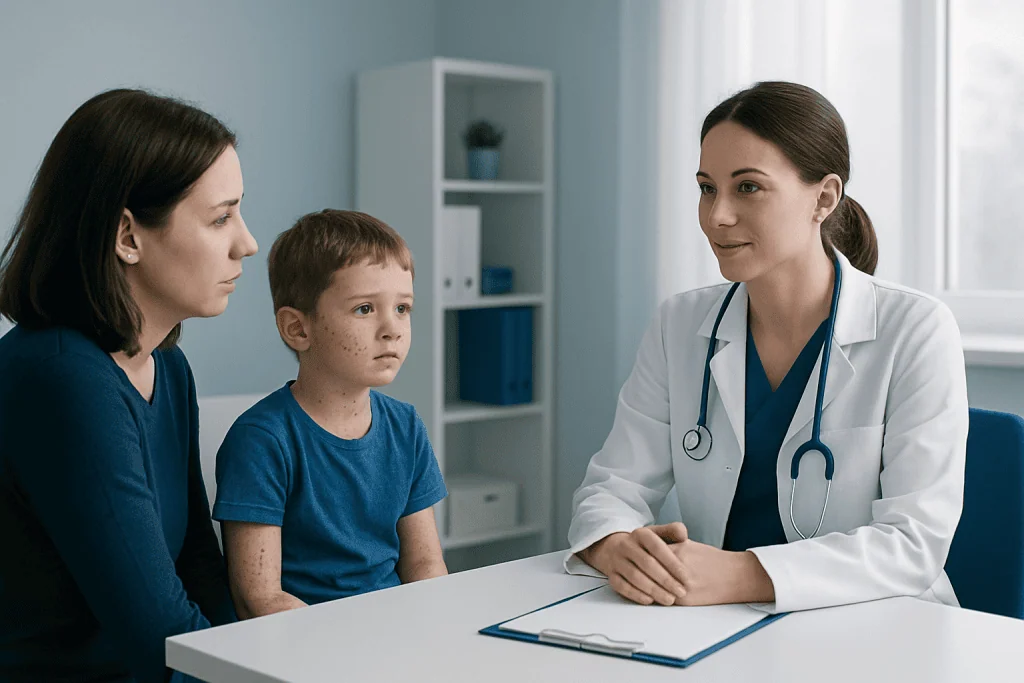
The main benefit of supportive measles treatment is that it helps the body recover while reducing discomfort and lowering the chance that dehydration or complications will be missed. Fever, cough, sore throat and eye irritation may improve gradually with rest, fluids and clinician-recommended symptom relief. When complications are found early, they can often be treated appropriately.
The important limitation is that supportive care does not instantly remove the virus or make a person non-contagious. It is also not possible to predict from the first day who will develop complications. This is why caregivers should monitor symptoms closely and follow advice about isolation and follow-up.
Risks are more often related to the illness than to basic supportive care. Measles can cause dehydration, ear infections, diarrhea, croup, pneumonia and, less commonly, inflammation of the brain. Infants, people with immune suppression and pregnant people should not delay medical advice. Any medicine, supplement or home remedy should be checked with a healthcare professional, especially for children.
Recovery Timeline: How Do You Know Measles Is Getting Better?
Improvement is usually gradual. The fever often begins to settle a few days after the rash appears, followed by better energy, drinking and appetite. The rash commonly fades in the same order in which it appeared, often starting on the face and moving downward. It may leave temporary brownish discoloration or fine peeling as it resolves.
Signs that measles is getting better include less fever, more alertness, easier breathing, improved fluid intake and normal or improving urine output. Cough and tiredness can last longer than the rash, so a person may need additional rest even after the most visible symptoms have improved. A healthcare professional can advise when it is safe to return to school, work or other activities.
Symptoms that are not improving, a fever that returns after getting better, increasing sleepiness, breathing changes, ear pain or poor drinking may indicate a complication. These signs should be discussed with a clinician without delay rather than being treated as a normal part of recovery.
What Food to Avoid for Measles?
There is no special food that cures measles and no universally required list of foods to avoid. The priority is preventing dehydration and offering nourishing foods that are comfortable to eat. Water, oral rehydration solutions when advised, soups, yogurt, soft grains, fruit, vegetables and other familiar foods can be offered in small, frequent amounts according to appetite.
It may help to avoid foods that worsen throat or mouth discomfort, such as very spicy, acidic, salty, rough or very hot foods. If the person has diarrhea, very greasy foods and large amounts of sugary drinks may aggravate symptoms. Infants should continue breast milk or usual formula unless a clinician advises otherwise.
Alcohol should be avoided during illness. Caregivers should also avoid giving herbal products, high-dose vitamins or supplements as a substitute for medical care. If swallowing is painful, fluid intake is low, or a child refuses most drinks, medical advice is needed promptly.
How Long Do You Feel Sick After Taking the Measles Vaccine?
The measles vaccine is commonly given as part of the measles, mumps and rubella (MMR) vaccine or a combined vaccine. Most people feel well after vaccination. Mild effects, such as soreness at the injection site, low-grade fever, tiredness or a mild rash, may occur and usually resolve within a few days.
Some vaccine reactions, including mild fever or rash, can occur about one to two weeks after vaccination. These reactions are generally short-lived and do not mean the person has contagious measles. A clinician can provide individualized advice for anyone with a history of severe allergy, immune suppression, pregnancy or other relevant health conditions.
Vaccination remains the most effective way to prevent measles and reduce community spread. People who may have been exposed to measles should contact a healthcare professional or public health service promptly, as preventive steps may sometimes be available depending on their immunity and the timing of exposure.
How Long Are You Contagious With Measles?
A person with measles is generally contagious from about four days before the rash starts until four days after the rash appears. The virus can remain in the air for a period after an infected person has left an indoor space, which is one reason measles spreads so efficiently. Isolation guidance may differ for people with weakened immune systems, so they should follow individualized medical advice.
During the contagious period, the person should stay away from school, work, childcare, public transport where possible, and gatherings. They should avoid contact with infants, pregnant people without confirmed immunity, and people with weakened immune systems. Calling ahead before any in-person appointment helps healthcare services protect other patients.
Household contacts may need assessment of their vaccination status and possible follow-up with public health professionals. Being vaccinated after exposure may be useful in some circumstances, but the timing matters, so it is best not to wait for symptoms before seeking advice.
When to Seek Medical Care
Anyone who may have measles should contact a doctor or local health service by phone as soon as possible, especially if they have fever and rash after a known exposure, international travel, or contact with someone who has recently traveled. Do not arrive unannounced at a healthcare facility, as advance notice allows staff to organize safe infection-control measures.
Urgent medical assessment is needed for trouble breathing, chest pain, bluish lips or face, severe headache, confusion, extreme drowsiness, seizures, a stiff neck, persistent vomiting, signs of dehydration, or a child who is difficult to wake. Pregnant people, infants and anyone with a weakened immune system should seek advice early, even if symptoms initially seem mild.
Acibadem International’s multidisciplinary specialists and JCI-accredited hospitals support the diagnosis and treatment of infectious conditions for international patients. A qualified clinician can help distinguish measles from other causes of fever and rash and provide a safe, individualized recovery plan.
Frequently asked questions
Is there a cure for measles?
There is no routine antiviral cure for measles. Treatment focuses on rest, hydration, symptom relief and early recognition of complications. A clinician may provide additional treatment if a complication, such as a bacterial infection, develops.
How is measles treated at home?
After medical advice has been obtained, uncomplicated measles is often managed with rest, frequent fluids and age-appropriate fever or pain relief recommended by a clinician. The person should remain isolated during the contagious period. Monitoring for worsening symptoms is an important part of home care.
How do you know measles is getting better?
Fever usually declines, energy and fluid intake improve, and the rash gradually fades. The rash often clears in the order it appeared, beginning on the face. Cough and fatigue can take longer to resolve, so recovery may continue after the rash is gone.
What food should be avoided during measles?
No specific food is required to be avoided for all people with measles. However, spicy, acidic, salty or rough foods may be uncomfortable if the throat or mouth is sore, and greasy foods may worsen diarrhea. Hydration and small, nourishing meals are more important than a restrictive diet.
How long do vaccine side effects last after the measles vaccine?
Most mild effects, such as injection-site soreness, tiredness or low fever, resolve within a few days. A mild fever or rash can sometimes occur one to two weeks after an MMR-containing vaccine and is usually brief. Severe or concerning symptoms after vaccination should be discussed with a healthcare professional.
How long is someone contagious with measles?
A person is usually contagious from four days before the rash begins through four days after the rash appears. They should follow local public health guidance and avoid contact with people who may be especially vulnerable. People with weakened immune systems may require different precautions.
References
- World Health Organization
- Centers for Disease Control and Prevention
- United Kingdom Health Security Agency
- American Academy of Pediatrics
This article is for general information only and is not a substitute for professional medical advice. Please consult a qualified doctor about your individual situation.
Explore treatments in Turkey — costs, top hospitals & a free quote
JCI-accredited · board-certified surgeons · reply within 24h
Add us as a Preferred Source to see more of our trusted health content across Google Search, AI Overviews and Discover.