Medical term for toes: Symptoms, Causes, and Treatment — Complete Patient Guide

The toes are made of small bones called phalanges, along with joints, tendons, nerves, blood vessels, and soft tissue. Common toe symptoms include pain, swelling, numbness, stiffness, redness, and changes in shape or skin.
Key Takeaways
- The toes are made of small bones called phalanges, along with joints, tendons, nerves, blood vessels, and soft tissue.
- Common toe symptoms include pain, swelling, numbness, stiffness, redness, and changes in shape or skin.
- Toe problems can result from injury, pressure from footwear, arthritis, nerve issues, skin conditions, or circulation problems.
- Diagnosis often includes a physical examination and sometimes imaging such as X-rays or advanced scans.
- Treatment depends on the cause and may include rest, footwear changes, medications, physical support, or specialist care.
- Prompt medical assessment is important for severe pain, deformity, infection signs, poor circulation, or symptoms in people with diabetes.
The medical term for toes most often refers to the phalanges, the small bones that make up each toe. Understanding toe anatomy can help people recognize common symptoms, possible causes of toe problems, and when medical evaluation may be helpful.
What is the medical term for toes?
The medical term for toes usually centers on the word phalanges, which are the small bones inside the toes. In everyday language, people simply say “toes,” but in anatomy and medicine, each toe contains phalanges connected by joints and supported by ligaments, tendons, nerves, skin, and blood vessels.
There are five toes on each foot. The big toe, also called the hallux, usually has two phalanges, while the other four toes each have three. When a person asks for the medical term for toes, they may also hear related terms such as digits of the foot, toe joints, or forefoot structures, depending on the medical context.
Knowing the correct terminology can make it easier to understand clinic notes, imaging reports, and treatment discussions. It also helps explain why toe symptoms can come from many different structures, not only the bones themselves.
Toe anatomy and why it matters
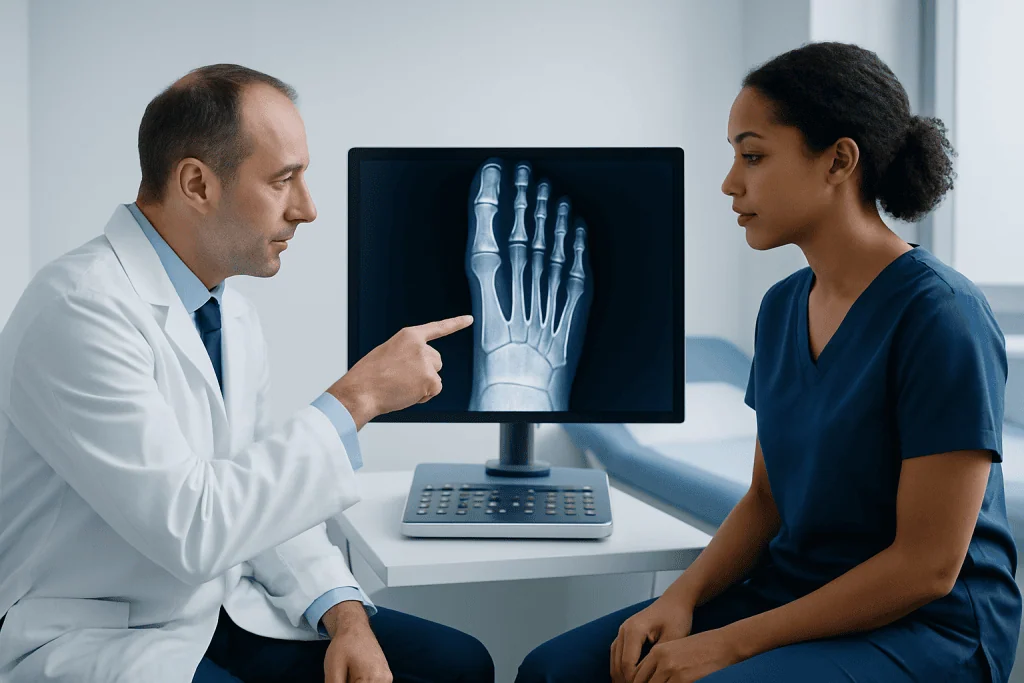
Each toe works as part of a complex system that helps with balance, walking, standing, and push-off during movement. Even though toes are small, they play an important role in distributing body weight and adjusting posture on uneven surfaces.
Important toe structures include:
- Phalanges: the toe bones
- Joints: where the bones meet and move
- Tendons and muscles: which help bend and straighten the toes
- Ligaments: which provide stability
- Nerves: which carry sensation such as touch, pressure, and pain
- Blood vessels: which bring oxygen and nutrients to the tissues
- Skin and nails: which protect the underlying structures
Because so many tissues are involved, the same symptom, such as pain in one toe, may have several possible explanations. For example, a problem could come from a fracture, a bunion, a nail infection, pressure from shoes, inflammation in a joint, or irritation of a nerve. This is why a careful evaluation of toe symptoms is often more useful than focusing only on the bone name.
Common toe symptoms people notice

Toe problems can affect comfort, mobility, and daily activities. Symptoms may start suddenly after an injury or develop gradually over time from repeated stress, joint changes, or footwear pressure. Some people notice symptoms only when walking, while others feel discomfort even at rest.
Common symptoms include:
- Pain or tenderness in one or more toes
- Swelling
- Redness or warmth
- Bruising after trauma
- Stiffness or reduced range of motion
- Numbness, tingling, or burning
- Cramping or muscle tightness
- Corns, calluses, blisters, or skin thickening
- Nail changes, including discoloration or ingrown nails
- Visible deformity, such as crowding, bending, or drifting of a toe
Symptoms can also be linked to larger foot conditions. For instance, misalignment around the big toe may be part of hallux valgus, and deformities of the smaller toes may occur with hammertoe. If symptoms continue or interfere with walking, an assessment can help identify the underlying cause.
In some cases, toe symptoms are a sign of a broader health issue rather than a local foot problem. Circulation disorders, diabetes-related nerve changes, inflammatory arthritis, or skin infections can all affect the toes and may require more than simple home care.
What can cause toe pain or other toe problems?
There is no single cause of toe symptoms. Doctors usually consider whether the problem is related to injury, pressure, inflammation, infection, nerves, blood flow, or changes in foot structure. The location of symptoms, which toe is affected, and whether symptoms began suddenly or gradually can all provide useful clues.
Common causes include:
- Injury: stubbing the toe, sports trauma, sprains, or fractures
- Footwear pressure: tight shoes, narrow toe boxes, or high heels
- Structural problems: bunions, hammertoes, claw toes, or overlapping toes
- Joint disease: osteoarthritis, inflammatory arthritis, or gout
- Nerve irritation: compression, neuropathy, or nerve sensitivity
- Skin and nail conditions: corns, calluses, fungal nail changes, blisters, or ingrown nails
- Infection: skin infection around the nail or deeper soft tissue infection
- Circulation problems: reduced blood flow causing color changes, coldness, or slow healing
Risk factors depend on the cause but often include repetitive walking or running, standing for long periods, poorly fitting shoes, older age, diabetes, obesity, inflammatory conditions, and previous foot injury. Some toe deformities also run in families because of inherited foot shape and biomechanics.
When symptoms are linked to trauma or persistent structural problems, doctors may recommend imaging or specialist evaluation. In selected cases, treatment may involve supportive devices, rehabilitation, or procedures such as orthopedic surgery if conservative measures do not help.
How doctors diagnose toe conditions
Diagnosis starts with a medical history and physical examination. A doctor may ask when symptoms began, whether there was an injury, what makes symptoms better or worse, what shoes are usually worn, and whether there are medical conditions such as diabetes, arthritis, or circulation problems. The toe and foot are then examined for swelling, tenderness, skin changes, deformity, sensation, pulse, and movement.
Imaging is sometimes needed, especially if there is concern about a fracture, deformity, joint damage, or persistent pain. A plain X-ray is often the first test because it shows bone alignment and many common injuries. In more complex situations, advanced imaging such as MRI may help assess soft tissues, tendons, cartilage, or subtle stress injuries.
Other tests may be useful depending on the symptom pattern. Blood tests can help if inflammatory arthritis, gout, or infection is suspected. Vascular tests may be considered if there are signs of poor circulation, and nerve evaluation may be helpful when numbness or burning is prominent.
Accurate diagnosis matters because the best treatment for a bruise, fracture, bunion, infection, and nerve problem is not the same. A medical assessment can help match the treatment plan to the actual cause rather than only the symptom.
Treatment options for toe problems
Treatment depends on the diagnosis, symptom severity, and how much daily life is affected. Many mild toe problems improve with conservative care, especially when the cause is pressure, overuse, or minor soft tissue irritation. More complex cases may need targeted treatment from a foot, orthopedic, or rehabilitation specialist.
Common treatment approaches include:
- Resting the foot and reducing activities that worsen symptoms
- Applying ice for recent swelling or minor injury
- Wearing shoes with a wider toe box and supportive sole
- Using padding, taping, splints, or orthotic inserts when advised
- Taking doctor-recommended pain relief or anti-inflammatory medicine
- Treating nail or skin conditions appropriately
- Managing underlying disease such as arthritis, diabetes, or circulation disorders
If a toe is broken, significantly deformed, chronically unstable, or affected by advanced structural changes, specialist care may be needed. In selected patients, surgery may be considered to realign structures, remove painful pressure points, or restore function. Supportive care through physical therapy and rehabilitation may also help improve mobility, strength, and gait.
For international patients needing evaluation, Acibadem International’s multidisciplinary specialists in JCI-accredited hospitals diagnose and treat a wide range of toe and foot conditions using individualized care plans.
Prevention and self-care for healthier toes
Good foot habits can lower the chance of many common toe problems. Prevention usually focuses on reducing pressure, supporting healthy movement, and noticing skin or nail changes early. Small adjustments in footwear and foot care can make a meaningful difference over time.
Helpful self-care measures include:
- Choosing properly fitting shoes with enough room in the toe box
- Using activity-appropriate footwear for work, sports, or walking
- Keeping feet clean and dry
- Trimming toenails carefully and straight across when appropriate
- Checking feet regularly for blisters, sores, nail changes, or color changes
- Managing body weight and staying physically active
- Stretching and strengthening the feet and lower legs when advised
- Seeking early advice for recurring pain or developing deformity
People with diabetes, reduced sensation, or poor circulation should be especially careful with foot self-care. Even minor cuts, blisters, or nail problems can become more serious if healing is slow. In these situations, professional evaluation is often safer than trying to manage the issue at home.
Prevention also includes paying attention to repeated symptoms. Ongoing rubbing, recurrent swelling, or progressive toe shape changes may indicate a structural issue that can often be managed more easily when addressed early.
When to seek medical care
Many mild toe symptoms settle with simple care, but some situations deserve prompt medical attention. A doctor should assess symptoms that are severe, persistent, or clearly affecting walking and balance.
Medical care is especially important if there is:
- Severe pain after an injury
- A visibly crooked, dislocated, or swollen toe
- Inability to bear weight comfortably
- Open wounds or bleeding that do not settle
- Redness, warmth, pus, or fever suggesting infection
- Sudden numbness, blue or pale color, or a cold toe
- An ulcer, blister, or wound in a person with diabetes
- Symptoms that continue despite rest and footwear changes
Early assessment can help prevent complications, especially when infection, fracture, reduced blood flow, or nerve involvement is possible. If symptoms are urgent or rapidly worsening, same-day medical advice is appropriate.
Frequently asked questions
What is the medical term for toes?
The medical term most often used for the bones of the toes is phalanges. In clinical language, toes may also be described as the digits of the foot. The big toe is often called the hallux.
How many bones are in the toes?
There are 14 toe bones in each foot. The big toe usually has two phalanges, while each of the other four toes has three. These bones work together with joints, tendons, and ligaments to support walking and balance.
Why do my toes hurt even if I did not injure them?
Toe pain can happen without a clear injury. Common reasons include tight shoes, bunions, hammertoes, arthritis, nerve irritation, corns, calluses, or nail problems. A medical evaluation can help identify the exact cause if symptoms persist.
Are toe deformities always serious?
Not always. Some deformities develop gradually and mainly cause pressure, rubbing, or cosmetic concern at first. However, if the shape change is painful, worsening, or affecting walking, it is wise to seek medical advice.
Can toe problems be related to diabetes?
Yes. Diabetes can affect sensation, circulation, and wound healing, which may make even small toe problems more important. People with diabetes should pay close attention to blisters, sores, redness, nail issues, or any change that does not improve promptly.
When should a broken toe be checked by a doctor?
A doctor should assess a toe injury if pain is severe, swelling is significant, the toe looks crooked, walking is difficult, or symptoms are not improving. Medical review is also important if there is an open wound, nail-bed injury, or concern about infection.
References
- American Academy of Orthopaedic Surgeons
- American Podiatric Medical Association
- National Institute of Arthritis and Musculoskeletal and Skin Diseases
- MedlinePlus
- Mayo Clinic
This article is for general information only and is not a substitute for professional medical advice. Please consult a qualified doctor about your individual situation.
Joint and spine care in Turkey — expert assessment & treatment
JCI-accredited · board-certified surgeons · reply within 24h
Add us as a Preferred Source to see more of our trusted health content across Google Search, AI Overviews and Discover.

More from the Health Library



Related Specialists

Dr. Erdal Demirel
Anesthesiology
Assoc. Prof. Dr. Seher Tanrıkulu
Endocrinology
Prof. Dr. Nadiye Köroğlu
Gynecology & Obstetrics
Asst. Prof. Dr. Neval Yurttutan Uyar
Clinical Laboratory