Medical Tools — Explained by Medical Evidence, Not Myths

Medical tools range from simple instruments, such as thermometers, to advanced imaging systems and surgical technology. A device is not automatically useful simply because it is new, widely advertised, or available for home use.
Key Takeaways
- Medical tools range from simple instruments, such as thermometers, to advanced imaging systems and surgical technology.
- A device is not automatically useful simply because it is new, widely advertised, or available for home use.
- Many measurements require clinical context; a single reading rarely provides a complete diagnosis.
- Regulatory approval, professional guidance, and proper maintenance are important parts of safe device use.
- People should seek medical advice for concerning symptoms rather than relying on a home device alone.
Medical tools are instruments, devices, and technologies used to prevent, diagnose, monitor, or treat health conditions. Their value depends not only on the tool itself, but also on appropriate selection, correct use, quality standards, and interpretation by qualified healthcare professionals.
What Are Medical Tools?
Medical tools are instruments, devices, software-supported technologies, and equipment used in healthcare. They can help clinicians examine the body, collect samples, measure health information, support treatment, or assist with recovery. Examples include a stethoscope, blood pressure monitor, thermometer, laboratory analyzer, ultrasound scanner, infusion pump, surgical instrument, prosthetic limb, and implanted heart device.
Medical tools are best understood as aids to clinical decision-making and care rather than replacements for medical expertise. A thermometer can identify a raised temperature, for example, but it cannot explain its cause. Similarly, an imaging scan can show changes in tissues or organs, but a clinician must interpret the findings alongside symptoms, medical history, examination results, and, when needed, laboratory tests.
Evidence-based use means choosing a tool because it has a clear purpose, has been appropriately evaluated, and is suitable for the individual. The same device may be very helpful in one situation and unnecessary or misleading in another. This approach helps patients distinguish practical medical technology from claims that overstate what a device can do.
How Medical Tools Support Different Parts of Care
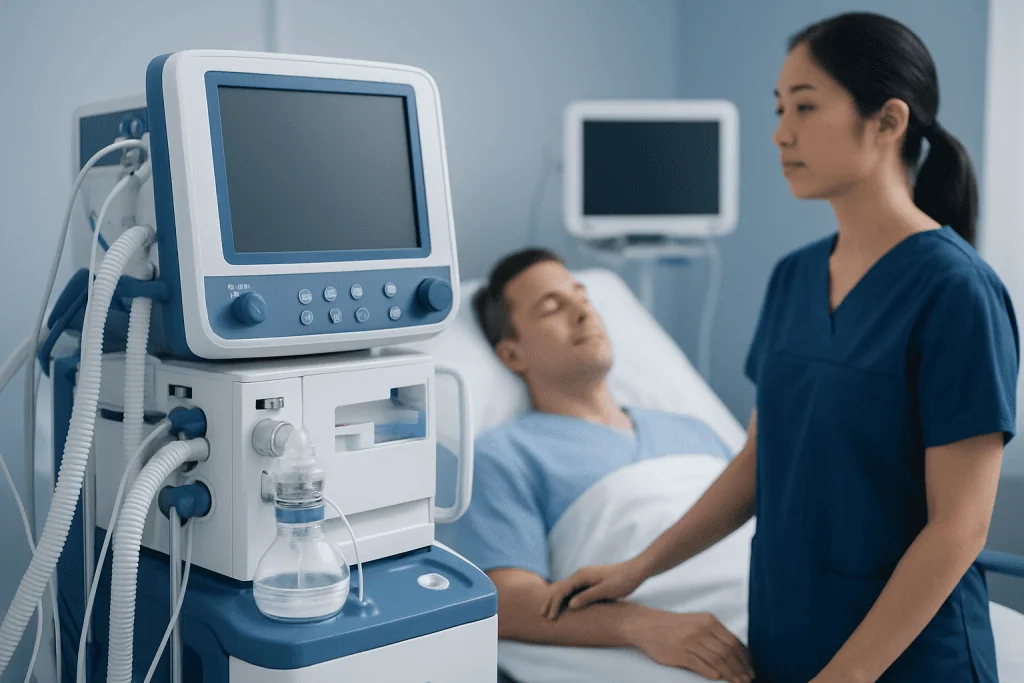
Healthcare teams use medical tools across the full care journey. Some are used for screening, which aims to identify possible health concerns before symptoms develop in people who may be at risk. Others are diagnostic tools, used to investigate symptoms or confirm a suspected condition. Monitoring tools track a known health issue over time, while treatment tools deliver medicines, support body functions, or help perform procedures.
Common categories include diagnostic instruments, imaging equipment, laboratory tests, monitoring devices, treatment devices, mobility aids, and rehabilitation equipment. Diagnostic instruments may include an otoscope for examining the ear or an electrocardiogram machine for recording the heart’s electrical activity. Imaging technologies, such as X-ray, ultrasound, CT, and MRI, provide different kinds of information and are selected according to the clinical question.
Some tools are designed for use at home. Blood glucose meters, blood pressure monitors, peak flow meters, pulse oximeters, pregnancy tests, and certain wearable devices may help people follow a care plan. Home measurements can be valuable when they are collected consistently and shared with a clinician, especially for long-term conditions. They should not be used to self-diagnose a serious illness or to delay assessment of worrying symptoms.
- Screening tools: identify people who may benefit from further assessment.
- Diagnostic tools: help clarify the cause of symptoms or abnormal findings.
- Monitoring tools: track measurements such as blood pressure, glucose, heart rhythm, or oxygen saturation.
- Treatment tools: include equipment used in surgery, medication delivery, breathing support, and rehabilitation.
What Makes a Medical Tool Reliable?

A useful medical tool should provide measurements or results that are accurate enough for its intended purpose. Clinicians consider several features when deciding whether to use a device: whether it measures what it is supposed to measure, whether it gives reasonably consistent results, whether it is safe, and whether its results improve care. This evaluation is especially important for tools that influence diagnosis or treatment decisions.
Accuracy can be affected by the device itself, the person using it, and the conditions in which it is used. A blood pressure cuff that is the wrong size, a thermometer used incorrectly, or a glucose meter used with expired test strips may give an unreliable result. Even well-designed equipment needs proper calibration, cleaning, storage, and maintenance according to the manufacturer’s instructions and the healthcare setting’s safety procedures.
Regulatory review is another important consideration. In many countries, medical devices are regulated according to their intended use and potential risk. However, regulation does not mean that every product suits every person or every health concern. Patients should be cautious about products that claim to diagnose multiple diseases from vague symptoms, promise certainty, or recommend major treatment changes without clinician involvement.
Evidence also develops over time. A tool may be introduced for a limited, well-defined use and later be studied further in broader groups of patients. Healthcare professionals weigh current evidence, individual needs, possible risks, and practical factors before recommending a device or technology.
Common Myths About Medical Tools
Myth: Newer technology is always better. New tools can offer meaningful advantages, but newer does not automatically mean more accurate, safer, or more appropriate. A familiar, well-validated test may be the best option when it directly answers the clinical question. The right tool is the one that offers useful information or treatment with an acceptable balance of benefit and risk.
Myth: One abnormal home reading proves a diagnosis. Many body measurements naturally vary during the day and can be affected by stress, exercise, sleep, meals, illness, posture, and technique. A single high or low reading may need to be repeated under appropriate conditions. A clinician can advise which readings matter, how to record them, and whether additional tests are needed.
Myth: Wearables can replace a medical examination. Consumer wearables can sometimes identify patterns worth discussing, such as changes in activity, sleep, heart rate, or rhythm notifications. Yet they may not detect every problem, and alerts can occur for reasons that are not dangerous. They are best viewed as supplementary information, not a substitute for professional evaluation.
Myth: More testing always leads to better care. Testing without a clear reason can create false-positive results, unnecessary anxiety, follow-up procedures, and costs. Evidence-based care uses the least invasive and most appropriate tool needed to answer a specific question. A clinician can explain what a test may show, its limitations, and how its results could affect the next steps.
Using Home Medical Devices Safely
Home medical devices can support independence and help people participate in their care. Before purchasing or using one, it is sensible to discuss its purpose with a qualified healthcare professional, particularly for people with chronic conditions, pregnancy, complex medication regimens, or symptoms that have not been assessed. A clinician may recommend a particular type of device, explain what results should be reported, and help set a monitoring schedule.
Instructions should be followed carefully. This includes using the correct cuff or sensor size, preparing the skin or test area as directed, checking batteries and expiry dates, and storing the device in suitable conditions. Measurements are often most helpful when taken at similar times and recorded with relevant details, such as symptoms, activity, meals, or medication timing. Patients should bring their device or records to appointments when possible so the method and results can be reviewed.
Online sales listings and wellness marketing can make broad claims that are not supported by strong evidence. Devices advertised for “detoxification,” diagnosing nutrient deficiencies without validated testing, detecting many conditions through a single scan, or replacing prescribed treatment deserve particular caution. It is safer to choose devices from reputable suppliers and to seek advice before acting on a result that could change health decisions.
Home devices should never be shared if doing so could increase infection risk or compromise hygiene. Reusable equipment should be cleaned as instructed, and single-use components should not be reused unless the manufacturer specifically states that they can be. For devices involving needles, lancets, or sharps, safe disposal is essential.
Benefits, Limits, and Shared Decision-Making
The benefits of medical tools can be significant. They may make earlier detection possible, reduce the need for invasive procedures, guide more targeted treatment, support recovery, and allow some health measures to be monitored outside a clinic. Technologies such as imaging, laboratory testing, and minimally invasive equipment have expanded what healthcare teams can assess and treat while aiming to protect patient safety.
Every tool also has limits. Tests can be falsely positive, falsely negative, inconclusive, or technically difficult to perform. Imaging may incidentally reveal findings that are harmless but require further assessment. Some procedures involve discomfort, radiation exposure, contrast agents, sedation, infection risk, or other considerations. These risks vary greatly by tool and are usually discussed before a procedure when relevant.
Shared decision-making helps ensure that a tool is used in a way that fits the person’s health needs and preferences. Patients can ask why a test or device is recommended, what information it may provide, what its limitations are, whether alternatives exist, and what may happen after the result. Clear answers can help patients give informed consent and feel more prepared.
For complex diagnostic questions or treatment planning, care may involve several specialties. Acibadem International’s multidisciplinary specialists and JCI-accredited hospitals support the diagnosis and treatment of international patients, with medical tools selected according to individual clinical needs rather than technology alone.
When to Seek Medical Care
People should seek urgent medical care for symptoms such as chest pain or pressure, severe trouble breathing, sudden weakness or numbness on one side of the body, difficulty speaking, fainting, a seizure, severe bleeding, a serious allergic reaction, or a sudden severe headache. A home device reading may provide useful information in these situations, but it should not delay emergency assessment.
Non-urgent medical advice is appropriate for persistent or recurring symptoms, unexplained changes in weight or energy, repeated abnormal home readings, worsening pain, a fever that does not improve as expected, or concern about a device result. It is helpful to note when symptoms began, what makes them better or worse, and any readings obtained, but there is no need to wait for multiple measurements if a person feels unwell.
Anyone using a prescribed medical device should contact their healthcare team if they are unsure how to use it, think it is malfunctioning, develop a skin reaction or pain related to its use, or receive instructions they do not understand. Children, older adults, pregnant people, and individuals with significant long-term health conditions may need more individualized guidance about monitoring and device use.
Frequently asked questions
What is the difference between a medical tool and a medical device?
The terms are often used interchangeably in everyday conversation. A medical device is generally a regulated product intended for a medical purpose, while “medical tool” is broader and can include simple instruments, equipment, and some health technologies. The exact legal definition varies by country.
Can a smartwatch diagnose a medical condition?
A smartwatch may measure or flag certain patterns, such as heart rate changes or possible irregular rhythms, depending on its features. It cannot independently establish most diagnoses, and normal readings do not rule out illness. Any concerning alert or symptom should be discussed with a healthcare professional.
Are home blood pressure monitors accurate?
A validated upper-arm monitor can provide useful readings when it is the right size and used correctly. Results can be affected by movement, talking, caffeine, exercise, stress, and incorrect positioning. A clinician may compare the home device with clinic measurements and advise how often to monitor.
Should a person buy medical tools online?
Online purchasing can be appropriate for some established home-use devices, but buyers should use reputable sellers and check that the product is intended for their region and purpose. Claims should be realistic and supported by clear instructions. It is wise to ask a clinician or pharmacist before purchasing a device that may influence treatment decisions.
Why might a doctor recommend a test even when a person feels well?
Some tests are used for screening in people without symptoms because certain conditions can be easier to manage when found early. Screening is recommended only for particular age groups, risk factors, or health circumstances. A clinician can explain whether a screening test is relevant and what its possible results mean.
What should someone do after an abnormal home device reading?
The next step depends on the reading, the device, and whether symptoms are present. If there are emergency symptoms, urgent care should be sought immediately rather than repeating measurements. For non-emergency concerns, the reading can be recorded and discussed with a healthcare professional, who may recommend repeat testing or further evaluation.
References
- World Health Organization
- U.S. Food and Drug Administration
- U.S. National Library of Medicine
- National Institute for Health and Care Excellence
- Centers for Disease Control and Prevention
This article is for general information only and is not a substitute for professional medical advice. Please consult a qualified doctor about your individual situation.
Explore treatments in Turkey — costs, top hospitals & a free quote
JCI-accredited · board-certified surgeons · reply within 24h
Add us as a Preferred Source to see more of our trusted health content across Google Search, AI Overviews and Discover.
Check your numbers in seconds
BMI, calories, due date, blood pressure and 30+ more clinical calculators — free, instant, doctor-reviewed ranges.

More from the Health Library

Aortic Regurgitation: What Patients Need to Know

Cephalexin for sinus infection: Symptoms, Causes, and Treatment — Complete Patient Guide

Baking Powder: A Complete Medical Overview

Rotated Calf Injury: A Complete Medical Overview

Body Language: An Evidence-Based Guide for Patients