Rotated Calf Injury: A Complete Medical Overview
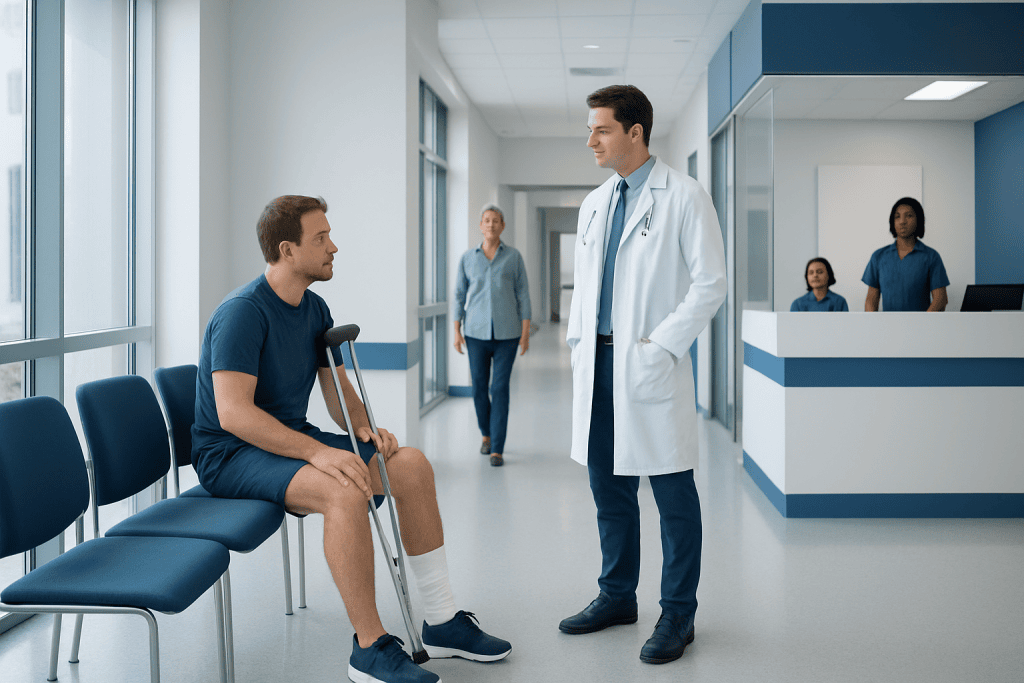
A rotated calf injury most often refers to a strain or tearing injury of the calf muscles. Symptoms commonly include sudden pain, tightness, swelling, bruising, and difficulty pushing off the foot.
Key Takeaways
- A rotated calf injury most often refers to a strain or tearing injury of the calf muscles.
- Symptoms commonly include sudden pain, tightness, swelling, bruising, and difficulty pushing off the foot.
- Diagnosis is often based on medical history and examination, but imaging may be needed if a tear or Achilles injury is suspected.
- Most mild to moderate injuries improve with rest, ice, compression, elevation, and guided rehabilitation.
- Severe pain, inability to walk, marked swelling, or a popping sensation should be assessed by a doctor.
A rotated calf injury usually means the calf muscles were suddenly twisted, overstretched, or strained rather than the calf itself literally rotating out of place. It can cause pain, tightness, swelling, and trouble walking, and treatment depends on how severe the muscle or tendon injury is.
Overview
A rotated calf injury usually describes an injury that happens when the calf is forcefully twisted, stretched, or loaded during movement. In medical terms, this is most often a calf muscle strain involving the gastrocnemius or soleus muscles, and sometimes the tendon structures around them. The phrase can sound unusual, but it generally points to a soft-tissue injury rather than a bone being rotated.
The calf is located at the back of the lower leg and helps with walking, running, jumping, and standing on tiptoe. Because it works hard during everyday movement and sports, it can be injured during sudden acceleration, abrupt stopping, slipping, turning, or pushing off with force. The injury may range from a minor overstretch to a partial or complete tear of muscle fibers.
Some people notice pain immediately after a twist or sudden step, while others first feel tightness and limping later the same day. Understanding what a rotated calf injury usually means can help patients seek the right care early and avoid returning to activity too soon, which can delay healing.
How a Rotated Calf Injury Happens
The calf is made up mainly of the gastrocnemius and soleus muscles, which join lower down and connect to the heel through the Achilles tendon. These tissues work together to point the foot downward and stabilize the leg during movement. A twisting event can overstretch the muscle while it is contracting, which is a common mechanism for injury.
This often happens during sports that involve sprinting, lunging, jumping, or quickly changing direction. It may also occur during ordinary activities, such as stepping off a curb awkwardly, climbing stairs quickly, or slipping on a wet surface. Middle-aged adults sometimes develop a sudden calf strain during recreational exercise after a period of reduced conditioning.
Doctors often describe calf strains by severity. A mild strain involves small numbers of muscle fibers and causes discomfort but preserved strength. A moderate strain can produce more noticeable tearing, swelling, and difficulty walking. A severe strain or tendon injury may cause significant pain, weakness, and loss of function and needs prompt assessment.
Symptoms and Signs
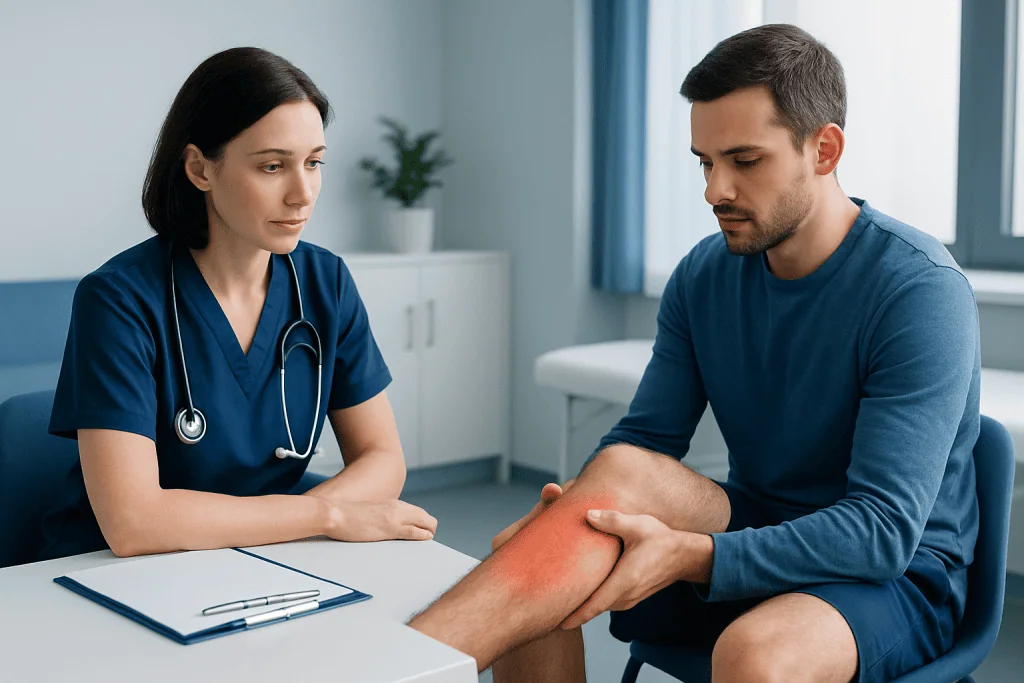
Symptoms depend on the extent of the injury, but many patients describe a sharp or pulling pain in the back of the lower leg. Some feel as if something snapped, was struck, or twisted suddenly. The pain may begin during activity or shortly afterward and can make walking uncomfortable.
Common signs of a rotated calf injury include tenderness, tightness, swelling, and reduced range of motion at the ankle. Bruising may appear over the next hours or days, especially if muscle fibers have torn. Standing on tiptoe, climbing stairs, or pushing off the foot often becomes painful.
More severe injuries may cause a limp, marked weakness, or difficulty bearing weight. If the pain is very low in the calf near the heel, an Achilles tendon rupture or tendon injury may need to be ruled out. Not every calf pain is muscular, so persistent or unusual symptoms should be evaluated carefully.
- Sudden pain in the back of the leg
- Tightness or cramping sensation
- Swelling or bruising
- Tenderness to touch
- Pain with walking, running, or tiptoe standing
- Weakness during push-off
Causes and Risk Factors
The immediate cause is usually an overload on the calf during a twist, stretch, or explosive movement. This can happen if the knee is extended while the ankle suddenly bends upward, especially during running or jumping. The gastrocnemius is particularly vulnerable because it crosses both the knee and ankle joints.
Several factors can increase risk. These include poor warm-up, tight calf muscles, muscle fatigue, previous calf injury, reduced flexibility, and sudden increases in activity level. In some people, weak supporting muscles in the hips or core may change movement patterns and place extra stress on the calf.
Age can also play a role, as muscle elasticity and recovery may change over time. Improper footwear, uneven ground, and training errors such as doing too much too soon may contribute. In less common cases, calf pain can be linked to other problems, including blood clots, nerve issues, or referred pain, which is why a careful medical assessment matters when the diagnosis is uncertain.
Diagnosis
Diagnosis starts with a clinical history and physical examination. A doctor will ask how the injury happened, where the pain is located, whether a pop was felt, and what movements worsen symptoms. Examination usually includes checking swelling, bruising, tenderness, strength, walking pattern, and ankle motion.
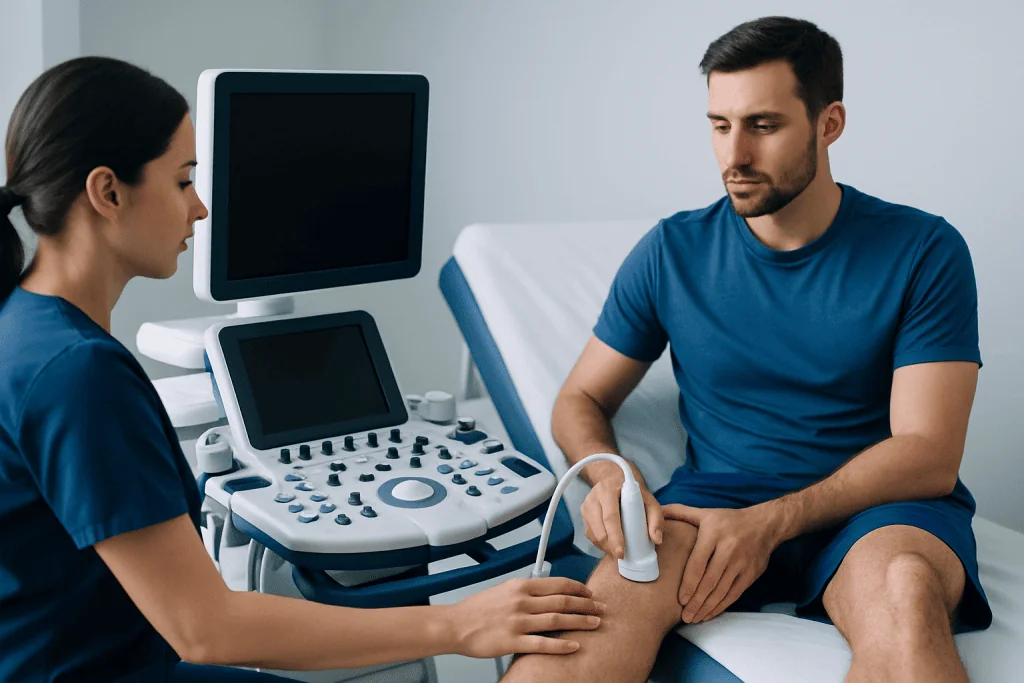
In many uncomplicated cases, imaging is not immediately needed. However, ultrasound or MRI may be helpful if a significant tear is suspected, symptoms are severe, or recovery is not progressing as expected. Imaging can help distinguish between a muscle strain, a tendon injury, or other soft-tissue damage.
Doctors may also consider other causes of calf pain, such as deep vein thrombosis, especially if swelling, warmth, and tenderness occur without a clear injury mechanism. If a bone injury or another structural issue is possible, additional tests may be recommended. In more complex cases, assessment through orthopedics and traumatology or sports medicine can guide the next steps.
Treatment Options and Recovery
Treatment depends on severity, but most mild to moderate calf strains improve with conservative care. During the early phase, rest from painful activity, ice, compression, and elevation can help control discomfort and swelling. Patients are usually advised to avoid forcing stretches or returning to sport too quickly in the first days after injury.
As pain begins to settle, gradual rehabilitation becomes important. This may include gentle range-of-motion work, progressive calf strengthening, balance exercises, and a step-by-step return to walking, then higher-level activity. Guided physical therapy and rehabilitation can be helpful, especially for athletes, recurrent injuries, or slower recovery.
Pain relief may sometimes include medications recommended by a doctor, but treatment should be individualized, especially for people with stomach, kidney, heart, or bleeding concerns. Severe muscle tears, suspected tendon rupture, or injuries that do not improve may need specialist evaluation, and occasionally surgery is considered depending on the exact diagnosis. Near the end of the care pathway, multidisciplinary specialists at Acibadem International and its JCI-accredited hospitals can assess and treat calf and tendon injuries for international patients when needed.
Recovery time varies. Mild strains may improve in a few weeks, while moderate injuries can take longer, and severe tears may require a more extended rehabilitation plan. A safe return to exercise generally depends on walking without pain, restored strength, near-normal motion, and the ability to perform sport-specific movements without symptoms.
Prevention and Self-care
Many calf injuries cannot be prevented completely, but risk can often be lowered. A sensible routine includes warming up before exercise, building training intensity gradually, and allowing enough rest between demanding sessions. Regular mobility and strengthening work can improve how the calf handles load.
Footwear should match the activity and provide stable support. Runners and active adults may benefit from reviewing training surfaces, stride mechanics, and changes in mileage. People returning after an injury should progress slowly rather than trying to resume full intensity immediately.
At home, patients should monitor swelling, pain, and walking ability. Gentle movement within comfort limits is often preferred over complete inactivity for long periods, but the calf should not be pushed through significant pain. If symptoms worsen instead of improving over several days, medical review is advisable.
- Warm up before exercise
- Increase training load gradually
- Strengthen calves and supporting leg muscles
- Use suitable footwear
- Allow time for recovery after activity
- Return to sport in stages after injury
When to Seek Medical Care
Medical care is recommended if calf pain is severe, if walking is difficult, or if there is a sudden pop followed by weakness. Prompt assessment is also important when swelling is marked, bruising is extensive, or the pain is located near the Achilles tendon or behind the knee.
Patients should also seek care if symptoms do not improve with a few days of basic home measures, or if repeated calf injuries keep happening. A doctor can confirm the diagnosis, rule out tendon damage or other conditions, and guide safe recovery.
Urgent evaluation is especially important if calf pain comes with unexplained swelling, warmth, redness, shortness of breath, chest pain, fever, or no clear injury event, because these features may suggest something other than a simple muscle strain. In those situations, the safest approach is not to self-diagnose and to get prompt professional help.
Frequently asked questions
What does rotated calf injury mean?
It usually means the calf was twisted or overstretched, causing a muscle strain or tear. The term is not a formal diagnosis, but it commonly refers to injury of the gastrocnemius or soleus muscles.
How can someone tell if a calf injury is serious?
Severe pain, inability to walk normally, a popping sensation, major swelling, or clear weakness can suggest a more significant injury. Pain near the heel may also raise concern for an Achilles tendon problem and should be assessed by a doctor.
How long does a rotated calf injury take to heal?
Recovery depends on how much the muscle is damaged. Mild strains may improve within a few weeks, while moderate or severe injuries can take longer and may need a structured rehabilitation program.
Should a calf injury be massaged or stretched right away?
Not usually in the very early phase if pain is significant. Aggressive stretching or deep massage too soon may worsen bleeding or irritation, so early care is usually focused on protection, swelling control, and gradual return of movement.
Can a rotated calf injury heal without surgery?
Yes, most calf muscle strains heal without surgery. Surgery is generally considered only for selected severe tears, tendon ruptures, or injuries that fail to improve with appropriate conservative treatment.
When should calf pain raise concern about a blood clot?
Concern is higher when calf swelling, warmth, tenderness, or redness occurs without a clear injury, or when symptoms are accompanied by shortness of breath or chest pain. Because these symptoms can overlap with other conditions, prompt medical evaluation is important.
This article is for general information only and is not a substitute for professional medical advice. Please consult a qualified doctor about your individual situation.
Explore treatments in Turkey — costs, top hospitals & a free quote
JCI-accredited · board-certified surgeons · reply within 24h
Add us as a Preferred Source to see more of our trusted health content across Google Search, AI Overviews and Discover.

More from the Health Library

Tampon Sizes: A Complete Medical Overview

Leucine: An Evidence-Based Guide for Patients

Testosterone Pellets: What Patients Need to Know
Cream for Haemorrhoid — Explained by Medical Evidence, Not Myths
Diarrhea for 5 Days: Causes, Hydration, and Care