478 Breathing: An Evidence-Based Guide for Patients
478 breathing is a relaxation technique, not a treatment for an underlying medical condition. Some people find it helpful for stress, racing thoughts, and bedtime relaxation.
Key Takeaways
- 478 breathing is a relaxation technique, not a treatment for an underlying medical condition.
- Some people find it helpful for stress, racing thoughts, and bedtime relaxation.
- It should feel gentle; dizziness or distress are signs to stop and return to normal breathing.
- People with lung, heart, panic, or sleep-related symptoms should seek medical advice if problems persist.
- Good technique, a comfortable pace, and regular practice matter more than forcing exact counts.
478 breathing is a simple paced breathing exercise that involves inhaling for 4 counts, holding for 7, and exhaling for 8. Many people use it to relax before sleep or during moments of stress, although its effects vary and it should not replace medical care for ongoing symptoms.
What 478 breathing is and what it can realistically do
478 breathing is a structured breathing exercise in which a person inhales through the nose for 4 counts, holds the breath for 7 counts, and exhales slowly for 8 counts. It is one form of paced breathing, a broader group of techniques used to slow breathing, extend exhalation, and support a calmer physical state. People commonly try it at bedtime, before stressful events, or during moments of tension.
The main reason people use 478 breathing is that slower, more controlled breathing may reduce the feeling of being physiologically “wound up.” A longer exhale can promote a sense of relaxation, and focusing on counting may gently shift attention away from racing thoughts. For some people, this makes it easier to settle down, although the effect is usually modest rather than dramatic.
It is important to keep expectations balanced. 478 breathing is not a cure for anxiety, insomnia, chest symptoms, or a lung condition. It can be a useful self-care tool, but persistent breathlessness, sleep difficulty, panic symptoms, or poor daytime functioning deserve proper medical evaluation. In some cases, symptoms that seem stress-related may overlap with conditions such as sleep apnea or asthma.
How the technique is done
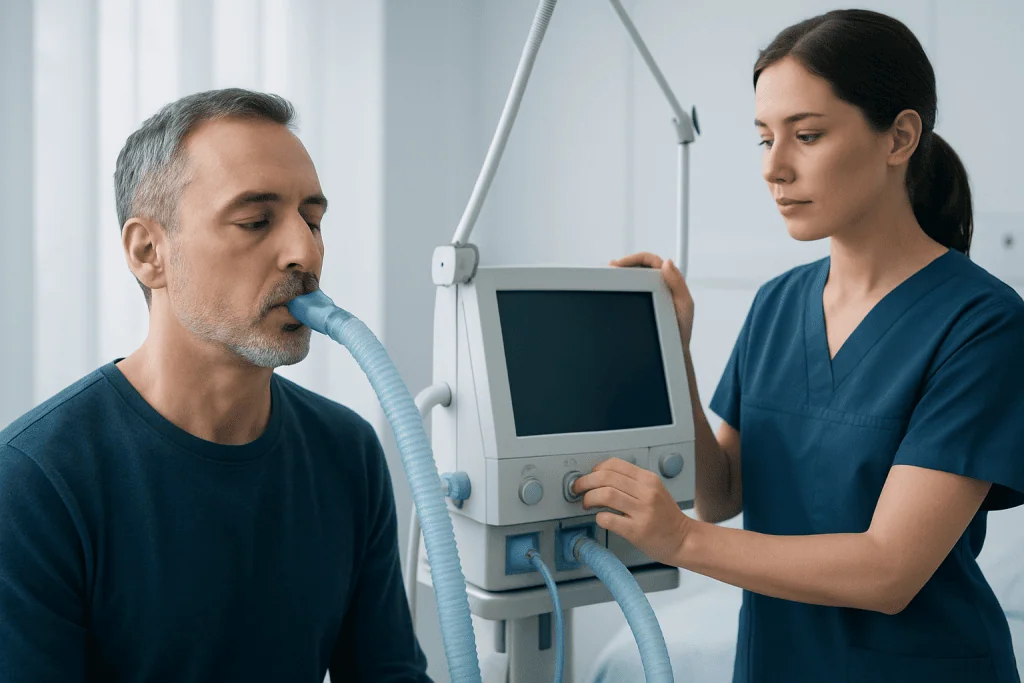
A simple way to practice 478 breathing is to sit upright or lie down in a comfortable position. The person gently inhales through the nose for a count of 4, holds for a count of 7 if comfortable, then exhales through the mouth for a count of 8. The exhale is usually soft and steady rather than forceful.
Beginners do not need to perform it perfectly. If the full 4-7-8 timing feels too long, especially the breath-hold, it is reasonable to shorten the counts and focus on the same pattern: a calm inhale, a brief pause, and a longer exhale. The goal is smooth, unstrained breathing. Forcing deep breaths or holding too long may cause discomfort or lightheadedness.
Many people start with 3 to 4 cycles once or twice a day. Over time, they may use it before sleep, before a medical test, after a stressful conversation, or during a quiet break. If symptoms worsen during the exercise, the safest approach is to stop, return to normal breathing, and discuss concerns with a qualified clinician.
Possible benefits and what the evidence suggests

Research on breathing exercises suggests that slow, controlled breathing may help some people feel calmer, lower perceived stress, and improve readiness for sleep. Breathing practices are also used in behavioral medicine, mindfulness programs, and some approaches to anxiety management. However, studies vary in quality, and results differ from person to person.
For sleep, 478 breathing may help mainly by creating a bedtime ritual and reducing mental overactivity. It does not directly treat all causes of insomnia. If someone snores loudly, wakes gasping, feels unrefreshed in the morning, or is very sleepy during the day, a sleep disorder may need attention rather than relying only on relaxation techniques. In that setting, a doctor may consider formal assessment and, when appropriate, a sleep study.
For anxiety, paced breathing can be one helpful coping skill, especially when paired with psychotherapy, sleep hygiene, movement, and structured stress management. It is best viewed as a supportive strategy rather than a standalone solution. Anyone with frequent panic attacks, severe anxiety, or symptoms that interfere with work, school, or daily life should seek personalized care.
Who may benefit most and who should use caution
478 breathing may be most useful for people who notice stress-related muscle tension, pre-sleep restlessness, or occasional anxious feelings. It can also appeal to those who want a brief, equipment-free technique that can be practiced almost anywhere. Some people prefer it because the counting gives the mind a clear task.
Caution is sensible in anyone who has chronic lung disease, significant heart disease, frequent dizziness, a history of fainting, severe panic symptoms, or pregnancy-related shortness of breath. Holding the breath can feel uncomfortable for some people, and in others it may trigger air hunger. A gentler paced-breathing pattern without a long hold may be better tolerated.
People with repeated wheezing, chest tightness, nighttime cough, or exertional shortness of breath should not assume the cause is stress alone. Medical assessment may be needed to look for respiratory, cardiac, sleep, or reflux-related causes. In selected cases, doctors may recommend testing or targeted care, such as bronchoscopy for certain airway concerns, although many people will not need a procedure.
Common mistakes, side effects, and how to practice safely
The most common mistake is trying too hard. Very deep inhalations, forceful exhalations, or long breath-holds can create tingling, dizziness, chest discomfort, or a sense of not getting enough air. When that happens, the person should stop the exercise and breathe normally until comfortable again.
Another mistake is using 478 breathing in situations where medical symptoms need urgent attention. It should not be used to push through severe shortness of breath, chest pain, bluish lips, confusion, or fainting. In those cases, timely medical care matters more than breathing technique.
Safer practice usually includes a calm setting, relaxed shoulders, and a comfortable pace. Helpful tips include:
- Start with fewer cycles and shorter counts if needed.
- Keep the exhale smooth rather than forceful.
- Stop if there is dizziness, distress, or worsening symptoms.
- Use it as one tool alongside healthy sleep and stress habits.
- Speak with a clinician if symptoms are frequent or unexplained.
How it fits into broader care for stress, sleep, and breathing symptoms
478 breathing works best when it is part of a broader, realistic self-care plan. For stress, that may include regular physical activity, limiting excess caffeine, predictable routines, time outdoors, counseling, or evidence-based therapy. For sleep, it may help to keep a stable wake time, reduce late-night screen exposure, and create a quiet, dark sleep environment.
When symptoms suggest an underlying condition, medical care should guide the plan. Ongoing insomnia, loud snoring, pauses in breathing during sleep, or severe daytime fatigue may need evaluation for insomnia or sleep-disordered breathing. Repeated wheeze or cough may need assessment for lung disease, allergies, infection, or reflux. Treatment depends on the cause, not just the symptom.
If more advanced evaluation or treatment is needed, multidisciplinary specialists can help determine whether symptoms are mainly stress-related or linked to a sleep, lung, or other medical condition. Acibadem International’s JCI-accredited hospitals care for international patients with coordinated diagnostic and treatment services when appropriate.
When to seek medical care
Medical advice is appropriate if a person has ongoing sleep problems, repeated panic-like episodes, frequent dizziness, or breathing symptoms that return despite rest and self-care. It is also sensible to ask for help when symptoms affect daily function, relationships, mood, concentration, or work performance.
Urgent medical care is important for severe shortness of breath, chest pain, confusion, fainting, blue or gray lips, or symptoms that rapidly worsen. These signs should not be attributed to stress without evaluation.
People should also seek assessment if they snore heavily, stop breathing during sleep, wake choking, or have daytime sleepiness, especially if they also have headaches or high blood pressure. A clinician can decide whether reassurance, lifestyle changes, counseling, breathing retraining, or condition-specific testing is the most appropriate next step.
Frequently asked questions
Does 478 breathing really work?
It may help some people feel calmer or more ready for sleep, especially when stress or racing thoughts are part of the problem. Its effects are usually supportive rather than curative, and it does not treat the underlying cause of chronic anxiety, insomnia, or breathlessness.
How often should 478 breathing be practiced?
Many people start with a few cycles once or twice a day and use it during stressful moments or at bedtime. Gentle, regular practice is usually better than long, effortful sessions.
Why do some people feel dizzy during 478 breathing?
Dizziness can happen if the breaths are too deep, too fast, or the breath is held longer than is comfortable. If this occurs, the person should stop, return to normal breathing, and try a gentler pace later if appropriate.
Can 478 breathing help with anxiety attacks?
It may help some people feel more grounded during rising anxiety, but it does not work for everyone and may feel uncomfortable during intense panic. Recurrent panic symptoms should be discussed with a mental health professional or doctor.
Is 478 breathing safe for people with asthma or lung disease?
Some people with asthma or other lung conditions can practice gentle paced breathing, but a long breath-hold may not feel comfortable. Anyone with wheezing, chest tightness, or unexplained shortness of breath should ask a clinician what type of breathing exercise is safest.
Can children use 478 breathing?
Older children and teenagers may be able to learn a simplified version if it is taught gently and kept comfortable. Younger children often do better with shorter counts and playful relaxation methods, ideally guided by a parent or clinician.
References
- National Center for Complementary and Integrative Health
- American Academy of Sleep Medicine
- American Lung Association
- National Institute of Mental Health
- Cleveland Clinic
This article is for general information only and is not a substitute for professional medical advice. Please consult a qualified doctor about your individual situation.
Explore treatments in Turkey — costs, top hospitals & a free quote
JCI-accredited · board-certified surgeons · reply within 24h
Add us as a Preferred Source to see more of our trusted health content across Google Search, AI Overviews and Discover.

More from the Health Library

Lhermitte’s Phenomenon: An Evidence-Based Guide for Patients
Back Exercises Exercises: An Evidence-Based Guide for Patients

Rhodiola Rosea and — Explained by Medical Evidence, Not Myths
Hyperosmia: An Evidence-Based Guide for Patients
Oxygen Bar: An Evidence-Based Guide for Patients