Oxygen Bar: An Evidence-Based Guide for Patients
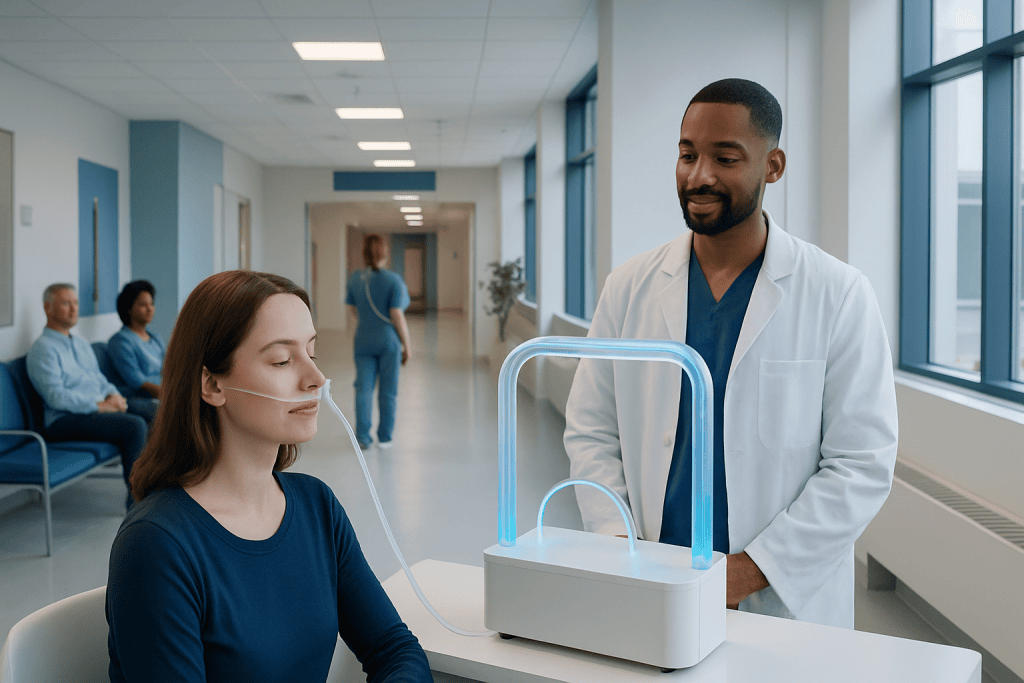
An oxygen bar is a recreational service, not a substitute for prescribed oxygen therapy. Claims about curing hangovers, boosting immunity, or treating illness are not well supported by evidence.
Key Takeaways
- An oxygen bar is a recreational service, not a substitute for prescribed oxygen therapy.
- Claims about curing hangovers, boosting immunity, or treating illness are not well supported by evidence.
- Healthy people usually maintain normal blood oxygen levels without extra oxygen.
- Potential side effects include nasal dryness, headache, lightheadedness, and irritation from fragrances.
- People with chronic lung disease, heart disease, or pregnancy-related concerns should seek medical advice before use.
An oxygen bar offers concentrated oxygen, often mixed with aromas, for recreational use rather than medical treatment. For most healthy adults, short sessions are unlikely to provide major health benefits, and people with lung, heart, or other medical conditions should check with a doctor before trying one.
What an oxygen bar is—and what it is not
An oxygen bar is a place where people breathe concentrated oxygen through a small tube placed near the nose, usually for a short session. Some venues add scents such as peppermint, lavender, or citrus. The experience is marketed as a wellness or relaxation service, not as a medical treatment.
For most healthy people, breathing extra oxygen for a brief period does not usually raise oxygen levels in a meaningful way because the blood is already nearly fully saturated under normal conditions. This means an oxygen bar may feel pleasant or refreshing for some people, but it should not be expected to provide proven medical benefits.
It is important to distinguish recreational oxygen from prescribed oxygen therapy. Medical oxygen is used for specific health problems under professional supervision. People who have shortness of breath, low oxygen levels, or lung disease need proper medical assessment rather than an oxygen bar.
What people hope to gain from an oxygen bar
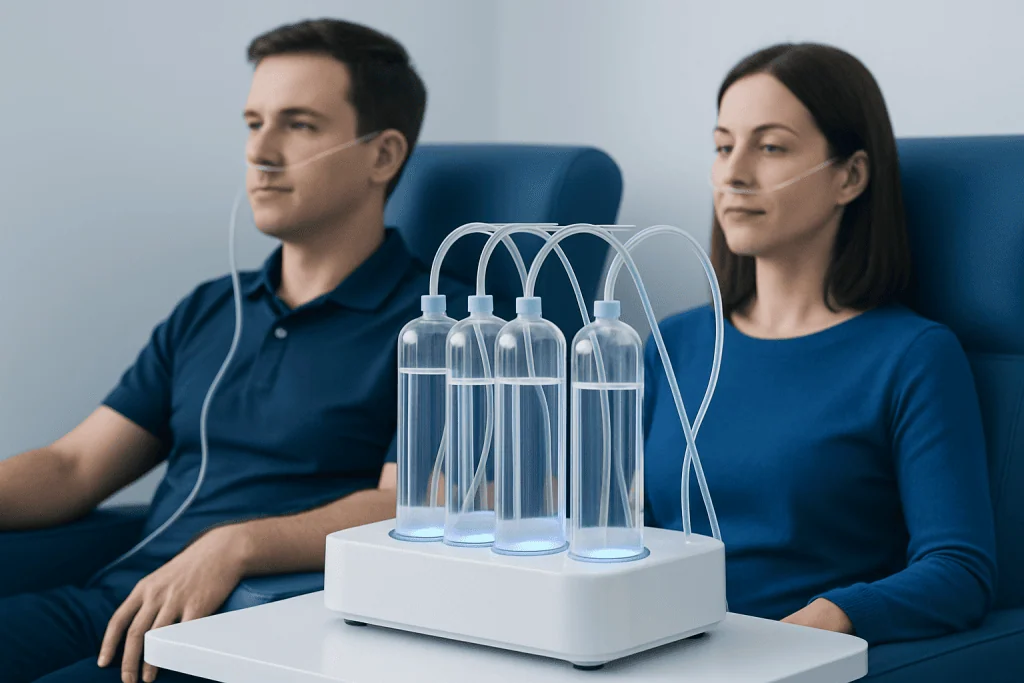
People commonly use an oxygen bar because they hope it will improve energy, focus, mood, or recovery after travel, exercise, or a late night. Some also believe it can ease a hangover or help with the effects of poor air quality. These claims are widely advertised, but strong clinical evidence is limited.
A person may notice temporary sensations such as a cooler airflow through the nose, a pleasant scent, or a brief sense of relaxation. These effects may come from the environment, the aroma, the act of resting quietly, or personal expectation rather than from oxygen itself.
Current evidence does not support oxygen bars as a treatment for fatigue, infection, headache disorders, or chronic illness. They also do not detoxify the body. The liver, kidneys, lungs, and other organs already perform the body’s normal detoxification processes.
- Possible short-term perceived benefits: relaxation, novelty, pleasant aroma
- Benefits not clearly proven: better athletic performance, hangover relief, immune support, improved concentration
- Not a proven treatment for symptoms such as chest tightness, dizziness, or breathlessness
Safety, side effects, and who should be cautious

For many healthy adults, a brief oxygen bar session is unlikely to cause serious harm. Even so, “natural” or “wellness” does not always mean risk-free. Concentrated oxygen can dry the nasal passages, and added fragrances may irritate the nose, throat, or airways in sensitive people.
Possible side effects include nasal dryness, coughing, sneezing, mild headache, and lightheadedness. Some people may feel uncomfortable with the tubing or scent. If a person develops wheezing, chest discomfort, worsening shortness of breath, or feels faint, the session should stop and medical advice should be sought.
People with asthma, chronic obstructive pulmonary disease (COPD), certain heart conditions, frequent migraines, fragrance sensitivity, or pregnancy-related concerns should be especially careful. For individuals with lung disease such as COPD, oxygen needs can be complex, and using oxygen outside medical guidance may not be appropriate. Anyone already prescribed oxygen should not change their routine without consulting a clinician.
Infection control also matters. Nasal cannulas and equipment should be clean and single-use where appropriate. A poorly maintained setup can increase the risk of irritation or contamination.
What the science says about oxygen bar benefits
The central scientific point is simple: in healthy people at sea level, the body generally keeps oxygen saturation within a normal range. Breathing moderately higher oxygen concentrations for a short time may not create a meaningful physiological advantage if oxygen levels were normal to begin with.
Research on recreational oxygen is limited, and studies have not shown clear, lasting health benefits for most healthy users. Some small studies suggest a temporary improvement in comfort or perceived alertness, but these findings are not strong enough to support broad medical claims.
There is also no good evidence that oxygen bars treat hangovers. A hangover is linked to dehydration, sleep disruption, inflammation, and alcohol byproducts, not usually to low oxygen. Similarly, there is no established role for oxygen bars in treating anxiety, depression, chronic fatigue, or sports recovery.
People who feel consistently tired, dizzy, or short of breath should consider medical evaluation rather than self-treatment. Depending on symptoms, clinicians may investigate issues such as asthma, anemia, heart conditions, sleep problems, or infections.
Why some people feel better afterward
Even without strong evidence of medical benefit, some people report feeling better after an oxygen bar session. This can happen for several reasons. Sitting down quietly, stepping away from noise, focusing on breathing, and enjoying a pleasant scent may all help a person feel more relaxed.
Expectation can also play a role. When someone anticipates feeling refreshed, that expectation alone may shape the experience. This does not mean the person is imagining symptoms; it means wellness experiences often include psychological and sensory factors that influence how a person feels in the moment.
Another factor is environment. If a person has been in a stuffy, smoky, or crowded setting, moving to a cleaner, calmer space may be the real source of relief. Hydration, rest, and fresh air often provide similar support without extra cost or claims.
Healthier alternatives for energy, headaches, and travel fatigue
If the goal is to feel more alert or recover from travel, there are better-supported steps than using an oxygen bar. The most effective choice depends on the reason a person feels unwell. Common causes include dehydration, poor sleep, stress, alcohol, viral illness, or an underlying medical condition.
Simple measures may help more than recreational oxygen: drinking water, eating balanced meals, limiting alcohol, walking outside, stretching, and getting adequate sleep. For nasal discomfort from dry air, humidification or saline spray may be useful. For headaches, a person should look at triggers such as missed meals, tension, poor sleep, or illness.
Persistent or repeated symptoms deserve proper evaluation. A doctor may recommend testing or, when needed, specialist care and check-up and screening to identify the cause. If breathing symptoms are present, assessment may include lung function testing or imaging; in selected cases, clinicians may use respiratory function tests or bronchoscopy to investigate airway and lung problems.
When to seek medical care
An oxygen bar should not be used to manage symptoms that could signal a medical problem. If a person has shortness of breath at rest, chest pain, bluish lips or fingers, confusion, severe dizziness, or fainting, urgent medical care is needed. These are not situations for a wellness service.
Medical advice is also important if fatigue, headaches, poor exercise tolerance, or breathlessness happen often or are getting worse. A clinician can determine whether the problem is related to the lungs, heart, blood, sleep, or another cause.
People with known lung or heart disease should ask their doctor before trying recreational oxygen, especially if they are already receiving treatment. Near the end of the care journey, some international patients may choose centers such as Acibadem International, where multidisciplinary specialists in JCI-accredited hospitals diagnose and treat respiratory and general medical conditions.
Frequently asked questions
Does an oxygen bar really increase oxygen levels?
In most healthy people, blood oxygen levels are already normal, so a brief oxygen bar session usually does not make a major difference. It may feel refreshing, but that is not the same as a proven medical improvement.
Can an oxygen bar help a hangover?
There is no strong evidence that an oxygen bar treats a hangover. Hangovers are more commonly related to dehydration, poor sleep, inflammation, and alcohol byproducts, so rest, fluids, and time are usually more helpful.
Is an oxygen bar safe for people with asthma or COPD?
Not always. People with asthma, COPD, or other lung conditions should talk with a doctor before using recreational oxygen because their breathing needs can be more complex, and added fragrances may trigger symptoms.
Are scented oxygen bars better than unscented ones?
Scents may make the experience more pleasant for some people, but they do not add proven health benefits. For others, fragrances can irritate the nose, throat, or airways and may worsen headaches or breathing discomfort.
Can an oxygen bar replace prescribed oxygen therapy?
No. Prescribed oxygen therapy is a medical treatment for specific conditions and should be used exactly as directed by a healthcare professional. An oxygen bar is a recreational service and is not a substitute for diagnosis or treatment.
Who should avoid an oxygen bar?
People with chronic lung disease, certain heart conditions, fragrance sensitivity, unexplained shortness of breath, or concerning symptoms should avoid using an oxygen bar without medical advice. Anyone who feels unwell after a session should stop immediately and seek care if symptoms persist.
References
- World Health Organization
- U.S. Food and Drug Administration
- American Lung Association
- National Heart, Lung, and Blood Institute
- Centers for Disease Control and Prevention
This article is for general information only and is not a substitute for professional medical advice. Please consult a qualified doctor about your individual situation.
Explore treatments in Turkey — costs, top hospitals & a free quote
JCI-accredited · board-certified surgeons · reply within 24h
Add us as a Preferred Source to see more of our trusted health content across Google Search, AI Overviews and Discover.

More from the Health Library



Related Specialists
Prof. Dr. Ali Aydinlar
Cardiology
Assoc. Prof. Dr. Mehmet Salih Söylemez
Orthopedic Surgery & Traumatology
Dr. Ertuğrul Tekçe
Radiation Oncology
Assoc. Prof. Dr. Baki Erdem
Gynecology & Obstetrics