Medulloblastoma Treatment: How It Works, Results and What to Expect

Medulloblastoma is a malignant tumor that starts in the cerebellum and can spread through cerebrospinal fluid. Treatment commonly combines neurosurgery, radiation therapy and chemotherapy.
Key Takeaways
- Medulloblastoma is a malignant tumor that starts in the cerebellum and can spread through cerebrospinal fluid.
- Treatment commonly combines neurosurgery, radiation therapy and chemotherapy.
- Molecular testing helps doctors classify the tumor and refine risk assessment and treatment planning.
- Children and adults require different treatment approaches, particularly regarding radiation and long-term effects.
- Follow-up care is essential to monitor for recurrence, treatment effects and rehabilitation needs.
Medulloblastoma treatment usually begins with surgery to remove as much tumor as is safely possible, followed by radiation therapy and chemotherapy for many patients. The treatment plan is individualized according to the person’s age, tumor biology, spread within the nervous system and recovery needs.
Overview: How Medulloblastoma Treatment Works
Medulloblastoma treatment is a coordinated plan that usually combines surgery, radiation therapy and chemotherapy. The purpose is to remove or reduce the visible tumor safely, treat cancer cells that may remain after surgery, and address cells that may have traveled through the cerebrospinal fluid around the brain and spinal cord.
Medulloblastoma is a malignant brain tumor that most often begins in the cerebellum, the area at the lower back of the brain that helps control balance, coordination and movement. It is more common in children but can also occur in adults. Because each tumor can behave differently, care is planned by a multidisciplinary team that may include neurosurgeons, neuro-oncologists, radiation oncologists, pediatric oncologists, neuroradiologists, pathologists, rehabilitation specialists and supportive-care professionals.
Modern planning includes examination of tumor tissue under a microscope and molecular testing when available. These tests can help identify biologic groups of medulloblastoma and support decisions about risk level, treatment intensity and appropriate clinical trials. Treatment should be discussed at a specialist center experienced in brain tumors.
Who May Need Treatment and How Doctors Plan Care
Nearly everyone diagnosed with medulloblastoma needs active treatment. The exact approach depends on age, the tumor’s location and size, whether it can be safely removed, whether cancer cells are found in cerebrospinal fluid, and whether imaging shows spread along the brain or spine. Doctors also consider the tumor’s molecular characteristics and the person’s general health.
Patients are often described as having standard-risk or higher-risk disease. In broad terms, higher-risk features can include tumor spread, a substantial amount of tumor remaining after surgery, or certain molecular findings. These categories guide treatment discussions but do not predict one person’s outcome with certainty.
Very young children need especially individualized planning because radiation to the developing brain and spine can have lasting effects. In some situations, chemotherapy and other approaches may be used to delay or reduce radiation exposure. Adults may also need adjusted regimens because treatment tolerance, tumor biology and long-term health considerations can differ from those in children.
- Brain and spine MRI helps define the tumor and look for spread.
- Sampling of cerebrospinal fluid may be arranged after surgery when clinically appropriate.
- Pathology and molecular testing help classify the tumor.
- Baseline assessments of hearing, hormone function, learning, movement and general health may support safer follow-up.
Medulloblastoma Treatment Step by Step

Step 1: Stabilizing symptoms and preparing for surgery. A tumor can block the normal flow of cerebrospinal fluid and raise pressure inside the skull. If this occurs, doctors may use medicines or a procedure to manage fluid buildup before or during tumor surgery. Preoperative imaging and neurological assessment help the surgical team plan the safest route to the tumor.
Step 2: Surgery. Neurosurgery aims to remove as much of the tumor as possible without causing unacceptable injury to important brain structures. Complete removal is not always safe or achievable, particularly when the tumor is close to the brainstem. The removed tissue is examined to confirm the diagnosis and obtain molecular information. Brain tumor surgery may also help relieve pressure-related symptoms caused by the tumor or fluid obstruction.
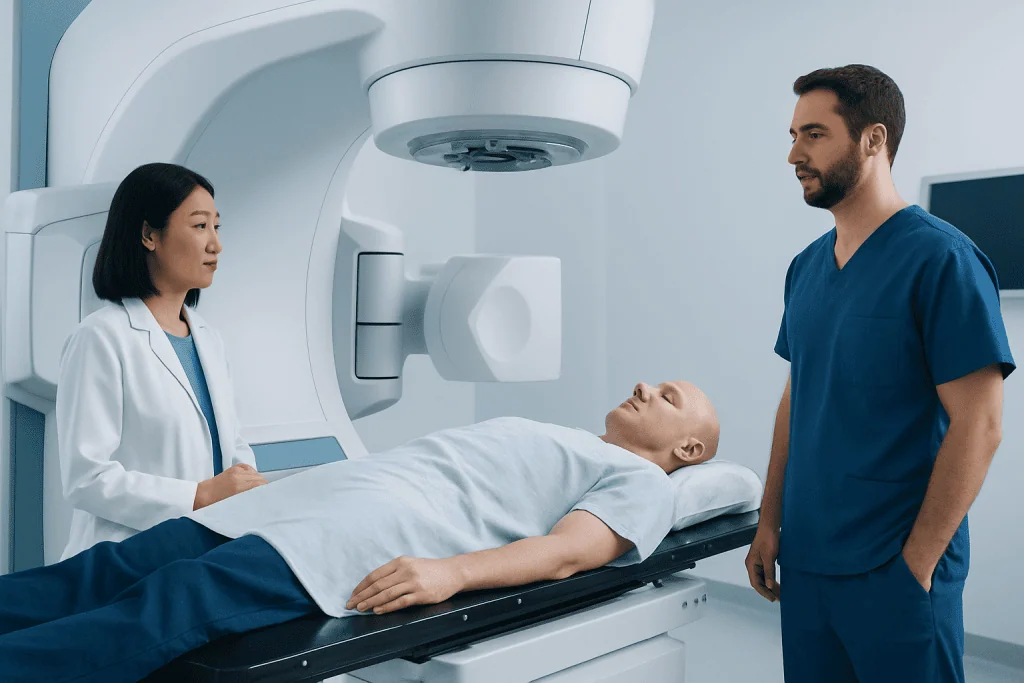
Step 3: Radiation therapy. After recovery from surgery, many patients receive radiation to the brain and spinal canal because medulloblastoma can spread through cerebrospinal fluid. This is called craniospinal irradiation. An additional, more focused dose is often delivered to the area where the tumor began. Radiation planning uses detailed imaging and careful positioning to protect nearby healthy tissue as much as possible.
Step 4: Chemotherapy and ongoing evaluation. Chemotherapy is frequently given alongside radiation or after radiation, depending on the protocol and the patient’s age and risk group. Doctors monitor blood counts, kidney and liver function, hearing, nutrition and neurologic function throughout treatment. If disease returns or does not respond as expected, care may include further surgery, different chemotherapy, focused radiation in selected circumstances or a clinical trial.
Benefits, Risks and Recovery Timeline
The potential benefit of combined treatment is improved control of disease in the brain and spine. Surgery provides tissue for an accurate diagnosis and can reduce tumor pressure. Radiation and chemotherapy are intended to treat microscopic cancer cells that surgery cannot see or remove. The balance of benefits and risks is different for every patient and should be reviewed before treatment begins.
After surgery, hospital recovery often involves close neurological observation, pain management, wound care and early rehabilitation. Some people need help with balance, coordination, speech, swallowing or strength. A temporary postoperative condition called posterior fossa syndrome can occur, particularly in children, and may involve reduced speech, emotional changes and movement difficulties. Specialist rehabilitation and supportive care can be important parts of recovery.
Radiation and chemotherapy usually take place over weeks to months. Short-term effects can include tiredness, nausea, appetite changes, hair loss in treated areas, skin irritation, lowered blood counts and increased infection risk. Some treatments can affect hearing, fertility, hormone function, kidney function or nerve function. Long-term follow-up is important because effects on learning, memory, growth, endocrine health and emotional wellbeing can develop gradually, especially after treatment in childhood.
Recovery does not follow one fixed schedule. Physical healing after surgery may take several weeks, while stamina and neurological recovery may continue over many months. Regular MRI scans, examinations and rehabilitation assessments allow the team to track recovery and identify concerns early.
How Long Do Medulloblastoma Patients Live?
Life expectancy after a medulloblastoma diagnosis varies widely and cannot be accurately predicted from one feature alone. It depends on age, tumor subtype, whether the disease has spread, the extent of tumor removal that can be achieved safely, response to treatment and access to complete follow-up care.
Many people can live for years after treatment, and some are cured. However, medulloblastoma is a serious cancer and can return, sometimes after an extended period. For this reason, long-term follow-up with brain and spine imaging is necessary even when treatment has been successful.
The treating team is best placed to explain what the available test results mean for an individual. They can discuss prognosis using the person’s full clinical picture rather than relying on general figures that may not apply to a particular tumor group or treatment plan.
Is Medulloblastoma Always Stage 4?
No. Medulloblastoma is not usually described using the stage 1 to stage 4 system used for many cancers that begin elsewhere in the body. Instead, doctors assess whether the tumor is localized or has spread through cerebrospinal fluid to other areas of the brain or spinal cord.
Testing may include MRI of the brain and entire spine and, when appropriate, analysis of cerebrospinal fluid. Some clinicians use a metastasis classification to describe the amount and location of spread. This is not the same as calling every medulloblastoma “stage 4.”
Risk grouping also considers surgical findings and molecular features. A person with no visible spread may still need radiation and chemotherapy because microscopic cells can be present beyond the main tumor site. Brain tumor specialists can explain the meaning of imaging, pathology and risk-group results in clear individual terms.
How Long Does a Medulloblastoma Take to Grow?
There is no reliable fixed timeframe for medulloblastoma growth. These tumors are generally considered fast-growing, but growth speed can differ according to the tumor’s molecular characteristics and the individual patient. Symptoms may emerge over weeks or months, although this does not show exactly when the tumor first developed.
Common symptoms can include persistent or worsening headache, nausea or vomiting that is more noticeable in the morning, unsteadiness, clumsiness, double vision, unusual sleepiness or changes in behavior. In babies and young children, signs may also include an enlarging head size, poor feeding or developmental changes.
Prompt medical assessment is important when symptoms are persistent, progressive or accompanied by neurological changes. MRI is the main imaging test used to evaluate a suspected brain tumor and to monitor a known medulloblastoma during and after treatment.
What Is the Survival Rate for Adults With Medulloblastoma?
Adult medulloblastoma is uncommon, and survival estimates vary among studies because adult patient groups are small and treatment approaches have changed over time. Published outcomes generally show that many adults survive for several years after diagnosis, but prognosis differs substantially by tumor subgroup, spread at diagnosis, treatment received and overall health.
Population survival figures cannot determine an individual outcome. Adults may have molecular tumor patterns that differ from those seen in children, and treatment recommendations are often adapted to balance disease control with potential effects on cognition, hearing, hormone health and other aspects of long-term wellbeing.
A neuro-oncology team can provide the most meaningful discussion after reviewing surgical results, imaging and molecular pathology. Asking about the tumor subgroup, risk category, recommended follow-up schedule and possible late effects can help adults participate actively in treatment decisions.
When to Seek Medical Care
Medical care should be sought promptly for persistent or worsening headaches, repeated unexplained vomiting, new problems with balance or walking, double vision, seizures, weakness, changes in alertness, or noticeable changes in speech or behavior. In children, new clumsiness, regression in skills, poor feeding, unusual irritability or a rapidly enlarging head should also be assessed without delay.
Emergency evaluation is appropriate for a sudden severe headache, seizure, loss of consciousness, severe confusion, rapidly worsening weakness or repeated vomiting with marked drowsiness. These symptoms can have many causes, but urgent assessment is important to rule out conditions that require immediate treatment.
After medulloblastoma treatment, patients should contact their care team about new neurological symptoms, fever during chemotherapy, signs of infection, significant dehydration, severe headache or concerns about medication side effects. Acibadem International’s multidisciplinary specialists and JCI-accredited hospitals diagnose and treat brain tumors for international patients, with care coordinated across neurosurgery, oncology, radiation oncology and rehabilitation.
Frequently asked questions
Can medulloblastoma be cured?
Some patients with medulloblastoma are cured with combined treatment, particularly when the disease responds well to surgery, radiation therapy and chemotherapy. The likelihood of long-term control depends on age, spread, tumor biology and other clinical factors. Continued follow-up is needed because recurrence can occur.
Is surgery always part of medulloblastoma treatment?
Surgery is usually the first major treatment because it can relieve pressure, remove as much tumor as safely possible and provide tissue for diagnosis. In rare situations, a full removal may not be safe because of the tumor’s position near important brain structures. Even when all visible tumor is removed, additional treatment is commonly recommended.
Why is radiation given to the spine as well as the brain?
Medulloblastoma cells can travel in cerebrospinal fluid, which circulates around the brain and spinal cord. Craniospinal irradiation is designed to treat this entire pathway when radiation is appropriate. The dose and timing are planned carefully according to age and risk group.
What follow-up is needed after medulloblastoma treatment?
Follow-up generally includes regular neurological examinations and MRI scans of the brain, and sometimes the spine, on a schedule set by the treating team. Patients may also need hearing tests, hormone assessment, neuropsychological support, rehabilitation and monitoring for treatment-related effects. Follow-up plans are individualized and often continue for many years.
Can medulloblastoma return after treatment?
Yes, medulloblastoma can recur after treatment, which is why long-term monitoring is important. If recurrence occurs, the care team reassesses the tumor with imaging and sometimes additional tissue testing. Available options may include surgery, systemic therapy, selected radiation approaches and clinical trials.
What support can help during treatment?
Supportive care may include nutrition guidance, physical therapy, occupational therapy, speech and swallowing support, psychological care and social work services. Families and patients can also benefit from discussions about school, work, fertility preservation and practical treatment planning. These services are part of comprehensive cancer care and can be introduced at any stage.
References
- World Health Organization Classification of Tumours of the Central Nervous System
- National Cancer Institute
- American Cancer Society
- Children's Oncology Group
- European Society for Paediatric Oncology
This article is for general information only and is not a substitute for professional medical advice. Please consult a qualified doctor about your individual situation.
Joint and spine care in Turkey — expert assessment & treatment
JCI-accredited · board-certified surgeons · reply within 24h
Add us as a Preferred Source to see more of our trusted health content across Google Search, AI Overviews and Discover.