Memories: An Evidence-Based Guide for Patients

Memories include short-term, long-term, emotional, and skill-based forms of learning and recall. Normal forgetfulness is common, especially during stress, poor sleep, illness, or aging.
Key Takeaways
- Memories include short-term, long-term, emotional, and skill-based forms of learning and recall.
- Normal forgetfulness is common, especially during stress, poor sleep, illness, or aging.
- Memory problems may be linked to medications, mood disorders, vitamin deficiencies, neurological disease, or other medical causes.
- Doctors assess memory changes through history, physical examination, cognitive testing, and sometimes blood tests or brain imaging.
- Healthy sleep, exercise, social activity, and management of medical conditions can support brain health.
- Sudden confusion, rapid decline, or memory loss that affects daily life should be assessed by a doctor.
Memories are the brain’s way of encoding, storing, and retrieving information from daily life. Most forgetting is a normal part of attention, stress, and aging, but persistent or worsening memory changes can sometimes signal a medical condition that deserves evaluation.
What memories are and why they matter
Memories are the brain’s stored record of experiences, knowledge, emotions, and learned skills. They allow a person to recognize loved ones, remember appointments, learn a language, ride a bicycle, or recall important life events. In everyday life, memory is closely tied to attention, learning, sleep, mood, and overall brain health.
Memory is not a single process. The brain first takes in information, then encodes it, stores it, and retrieves it later when needed. This means that a person may seem to have a “memory problem” when the main issue is actually poor attention, fatigue, stress, anxiety, or interrupted sleep that prevents information from being stored clearly in the first place.
It is also important to know that memories are not exact recordings. They can change over time as the brain updates details, connects emotions, and fills in gaps. This is one reason people may remember the same event differently. In most cases, occasional forgetfulness is normal and does not mean a serious disease is present.
How memories form, store, and return
Memory begins with attention. When a person focuses on something, the brain is more likely to encode it. Short-term or working memory holds small amounts of information for a brief time, such as a phone number just long enough to dial it. Long-term memory stores information for days, years, or even a lifetime.
Different brain regions support different kinds of memory. The hippocampus plays a key role in forming new memories, while other areas help store facts, language, visual details, emotions, and physical skills. That is why a person may forget recent conversations but still remember music from childhood or how to swim.
Sleep helps stabilize newly learned information. During sleep, the brain organizes and strengthens memory traces. Repetition, emotional importance, and meaningful connections also improve recall. In contrast, distractions, alcohol, severe stress, and some illnesses can disrupt memory formation or retrieval.
- Working memory: holds information briefly for immediate tasks
- Episodic memory: personal experiences and events
- Semantic memory: facts, concepts, and general knowledge
- Procedural memory: learned skills such as typing or cycling
- Emotional memory: memories linked to strong feelings
Normal forgetfulness versus memory problems

Many people notice small lapses from time to time. Misplacing keys, forgetting why they entered a room, or needing more time to recall a name can happen at any age. These lapses are often related to stress, multitasking, poor sleep, busy routines, or normal aging rather than disease.
Memory problems become more concerning when they are frequent, worsening, or disruptive to daily life. Examples include repeating the same questions often, getting lost in familiar places, missing bills or medications because of forgetfulness, struggling to follow familiar steps, or depending heavily on others for reminders.
Changes in memory may also appear together with other symptoms, such as confusion, trouble finding words, changes in judgment, personality shifts, difficulty managing routine tasks, or loss of interest in usual activities. In these situations, a medical assessment can help identify whether symptoms are due to a reversible issue or a longer-term neurological condition, including Alzheimer’s disease.
Common causes that can affect memories
Memory changes can have many causes, and not all are permanent. Sleep deprivation, depression, anxiety, high stress, grief, and burnout can all interfere with concentration and recall. Alcohol and recreational drugs can impair memory, and some prescription or over-the-counter medications may also contribute, especially those that cause sedation or confusion.
Physical health matters as well. Thyroid disorders, vitamin B12 deficiency, infections, dehydration, uncontrolled diabetes, low oxygen levels, head injury, hearing loss, and chronic pain can affect thinking and memory. In older adults, sudden confusion may be due to delirium, which is a medical problem that needs prompt attention.
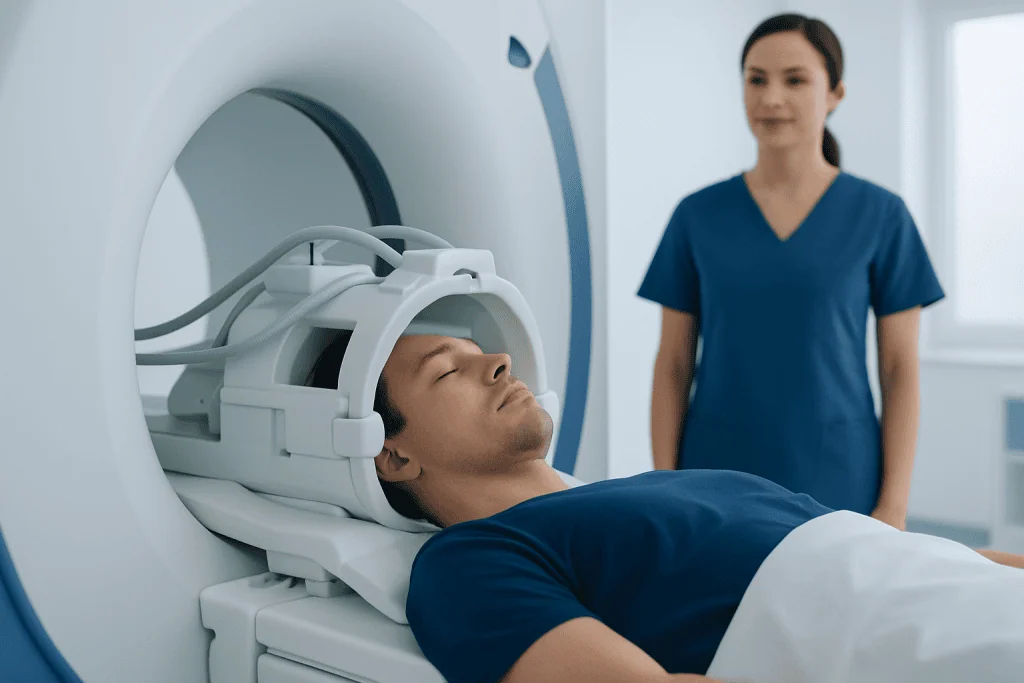
In some cases, memory decline is related to neurological disease. Dementia is a general term for a decline in memory and thinking that interferes with daily functioning. Doctors may investigate causes such as dementia, stroke-related changes, Parkinson’s disease, or other brain disorders. If a structural cause is suspected, clinicians may recommend an MRI scan to look more closely at the brain.
Because causes vary widely, self-diagnosis can be misleading. A person who feels worried about worsening memory should discuss symptoms with a qualified doctor, especially if family members have noticed changes too.
How doctors evaluate memory concerns
An evaluation usually starts with a detailed history. The doctor may ask when the memory changes began, whether they appeared suddenly or gradually, how they affect daily activities, and whether mood, sleep, medications, alcohol use, or medical conditions might be involved. Input from a family member or close friend can be helpful because they may notice changes the person does not recognize.
The physical and neurological examination looks for clues such as movement changes, balance problems, language difficulties, vision changes, or signs of another illness. Short cognitive tests may assess attention, recall, orientation, language, planning, and problem-solving. These tests do not always provide a diagnosis by themselves, but they help guide the next steps.
Depending on the situation, doctors may order blood tests to check for vitamin deficiencies, thyroid problems, infection, or metabolic causes. Brain imaging such as brain MRI or a CT scan may be used if symptoms are new, progressive, or associated with other neurological signs. Some patients may benefit from specialist assessment in neurology or formal neuropsychological testing to better understand memory and cognitive strengths and weaknesses.
Treatment and support for memory changes
Treatment depends on the cause. If memory problems are linked to medication side effects, sleep apnea, depression, anxiety, vitamin deficiency, thyroid disease, or another medical issue, addressing that problem may improve symptoms. This is one reason a careful diagnosis is important: some causes are treatable or reversible.
When memory decline is part of a long-term neurological condition, treatment focuses on maintaining function, safety, and quality of life. This may include medications when appropriate, cognitive rehabilitation strategies, environmental changes at home, support for caregivers, and treatment of related symptoms such as sleep disturbance or mood changes. For some people, speech and occupational therapy can also help with communication and daily routines.
Practical strategies can make day-to-day life easier. Examples include using calendars, pill organizers, reminder apps, written lists, designated places for keys and glasses, and keeping routines as consistent as possible. Gentle reassurance and clear communication are often more helpful than repeated correction when a person is struggling to remember.
Near the end of the care pathway, some families look for coordinated support from specialists. Acibadem International’s multidisciplinary specialists in JCI-accredited hospitals evaluate and treat memory-related conditions for international patients when neurological assessment or imaging is needed.
Supporting healthy memories through daily habits
There is no guaranteed way to prevent every memory problem, but healthy habits can support brain function across the lifespan. Regular physical activity improves blood flow and supports overall cardiovascular health, which is closely linked to brain health. A balanced eating pattern, adequate hydration, and management of blood pressure, cholesterol, and diabetes are also important.
Sleep is one of the strongest everyday supports for memory. Adults who consistently sleep too little may have more trouble learning and recalling information. Stress reduction can also help, since chronic stress may interfere with concentration and memory formation. Mindfulness, regular routines, and realistic scheduling may reduce mental overload.
Social engagement and mental stimulation matter as well. Reading, learning new skills, conversation, hobbies, music, and problem-solving activities can help keep the brain active. Hearing and vision should not be overlooked either, because untreated hearing or sight problems can make memory seem worse by reducing the quality of information reaching the brain.
- Stay physically active most days of the week
- Protect sleep with consistent routines
- Review medications with a doctor or pharmacist
- Limit alcohol and avoid recreational drugs
- Treat depression, anxiety, and hearing loss
- Use reminders and organization tools when needed
When to seek medical care
A doctor should be consulted if memory changes are persistent, worsening, or affecting work, school, finances, medication use, driving, or independent living. It is also wise to seek advice if loved ones have noticed repeated questions, confusion, poor judgment, personality change, or difficulty with familiar tasks.
Urgent medical care is needed for sudden confusion, abrupt memory loss, trouble speaking, weakness, severe headache, fainting, seizure, or symptoms after a head injury. These can signal a serious neurological or medical emergency. A rapid change in awareness or behavior, especially in an older adult, may reflect delirium and should not be dismissed as normal aging.
Early evaluation can bring reassurance when symptoms are mild and can also identify treatable causes before they become more disruptive. For many people, the first step is simply to write down what has been happening, note when it occurs, and bring a list of medications and concerns to a medical appointment.
Frequently asked questions
Are memories always accurate?
No. Memories are reconstructed by the brain rather than played back like a recording. Details can fade, shift, or be influenced by later experiences, emotions, and repeated retelling.
Is occasional forgetfulness normal?
Yes, occasional forgetfulness is common and often linked to stress, poor sleep, distraction, or normal aging. It becomes more concerning when it is frequent, progressive, or starts to interfere with daily life.
Can stress and anxiety affect memories?
Yes. Stress and anxiety can reduce attention and make it harder to encode new information, which may feel like poor memory. When the brain is overloaded, recall often becomes less reliable.
What is the difference between memory loss and dementia?
Memory loss is a symptom, while dementia is a broader syndrome involving decline in memory and other thinking abilities that affects daily functioning. Not every person with memory complaints has dementia, and many causes of forgetfulness are treatable.
Can sleep improve memory?
Yes. Sleep helps the brain consolidate new information and organize learned material. Poor or disrupted sleep can make concentration and recall noticeably worse.
Should a younger adult worry about memory problems?
Memory symptoms in younger adults are often related to stress, mood, sleep problems, substance use, or medical issues rather than dementia. Still, persistent or worsening symptoms deserve medical review, especially if they interfere with work, study, or safety.
This article is for general information only and is not a substitute for professional medical advice. Please consult a qualified doctor about your individual situation.
Explore treatments in Turkey — costs, top hospitals & a free quote
JCI-accredited · board-certified surgeons · reply within 24h
Add us as a Preferred Source to see more of our trusted health content across Google Search, AI Overviews and Discover.

More from the Health Library

Sculptra: What Patients Need to Know

Bradycardia: A Complete Medical Overview

Pueraria Mirifica: An Evidence-Based Guide for Patients

Couch Stretch: What Patients Need to Know

Pigeon Toed: A Complete Medical Overview