Ménière-Like Symptoms Without Hearing Loss: Could It Be Vestibular Migraine?

Vestibular migraine can cause vertigo, imbalance, nausea, and sensitivity to motion even when hearing is normal. It may resemble Ménière’s disease, but the absence of progressive hearing loss can be an important clue.
Key Takeaways
- Vestibular migraine can cause vertigo, imbalance, nausea, and sensitivity to motion even when hearing is normal.
- It may resemble Ménière’s disease, but the absence of progressive hearing loss can be an important clue.
- Diagnosis is based on symptom history, migraine features, and exclusion of other inner-ear or neurological causes.
- Treatment often includes trigger management, lifestyle changes, and medications to prevent or reduce attacks.
- Medical review is important if dizziness is severe, new, worsening, or accompanied by neurological symptoms.
Vestibular migraine is a common cause of recurrent vertigo, dizziness, and motion sensitivity, sometimes resembling Ménière’s disease but without clear hearing loss. Recognizing the pattern can help guide evaluation and treatment, especially when ear symptoms occur alongside migraine features.
Overview
Vestibular migraine is a neurological condition in which migraine affects the balance system. It can cause episodes of vertigo, dizziness, unsteadiness, motion sensitivity, nausea, and visual discomfort. Some people have a typical headache with these attacks, while others mainly notice balance-related symptoms.
Because vestibular migraine can include ear pressure, ringing, or a sense of fullness, it may feel similar to Ménière’s disease. However, one important clue is that many people with vestibular migraine do not develop the fluctuating or progressive hearing loss that is more typical of Ménière’s disease. The overlap can make diagnosis challenging, especially early on.
Symptoms may last from minutes to hours, and in some cases for longer. Attacks can occur occasionally or become frequent enough to affect work, travel, driving, sleep, and daily life. Between attacks, some people feel completely normal, while others continue to have mild motion sensitivity or imbalance.
Symptoms
The hallmark symptom of vestibular migraine is recurrent vertigo or dizziness. Vertigo is a false sense of spinning or movement, while dizziness may feel like rocking, floating, lightheadedness, or disorientation. Attacks may happen spontaneously or be triggered by head movement, visual motion, busy environments, or travel.
Other common symptoms include nausea, vomiting, imbalance, difficulty focusing visually, and sensitivity to light, sound, or smell. Some people notice neck discomfort, fatigue, mental fog, or pressure in the head. A migraine headache may occur before, during, after, or separate from the dizzy episodes.
Ear-related symptoms can also happen. These may include ringing in the ear, aural fullness, or a blocked-ear sensation. Unlike classic Ménière’s disease, hearing may remain normal on testing, or hearing changes may be mild and not follow the typical pattern of repeated inner-ear attacks.
- Vertigo lasting minutes to hours
- Motion sensitivity, especially in cars or visually busy places
- Nausea and balance problems
- Light and sound sensitivity
- Headache or migraine history
- Ear fullness or tinnitus without clear hearing loss
Causes and Risk Factors

The exact cause of vestibular migraine is not fully understood, but it is thought to involve abnormal processing in the brain networks that control pain, balance, sensory input, and visual information. These changes can temporarily affect how the brain interprets motion and position, leading to dizziness or vertigo during migraine activity.
A personal or family history of migraine increases the likelihood of vestibular migraine. It can affect adults and children, and it is often more common in people who already have migraine headaches, motion sickness, or sensitivity to sensory stimulation. Hormonal changes, stress, poor sleep, and skipped meals may make attacks more likely.
Common triggers vary from person to person. They may include dehydration, excess caffeine, alcohol, bright or flickering lights, strong odors, weather changes, menstruation, and certain foods. Keeping a symptom diary may help identify patterns. Still, not every episode has a clear trigger, and symptoms can overlap with other causes of vertigo.
How It Differs From Ménière’s Disease
Vestibular migraine and Ménière’s disease can both cause episodic vertigo, nausea, ear fullness, and tinnitus. This overlap is why some people with vestibular migraine initially worry about an inner-ear disorder. A careful history and hearing evaluation are often needed to tell them apart.
In Ménière’s disease, repeated attacks are more often associated with fluctuating hearing loss, typically affecting low frequencies early on, and hearing may worsen over time. In vestibular migraine, hearing is often normal or only mildly affected, and migraine features such as light sensitivity, visual triggers, headache, or a strong migraine history may be more prominent.
That said, the distinction is not always straightforward. Some patients may have mixed features, and other conditions can mimic both disorders. A neuro-otology or neurology assessment helps determine whether the symptoms fit vestibular migraine, an inner-ear condition, or another balance disorder.
Diagnosis
There is no single laboratory test that confirms vestibular migraine. Diagnosis is usually based on clinical criteria, the pattern of episodes, a history of migraine, and the exclusion of other causes. A doctor will ask about the timing of attacks, the sensation of dizziness, headache history, hearing symptoms, visual sensitivity, and possible triggers.
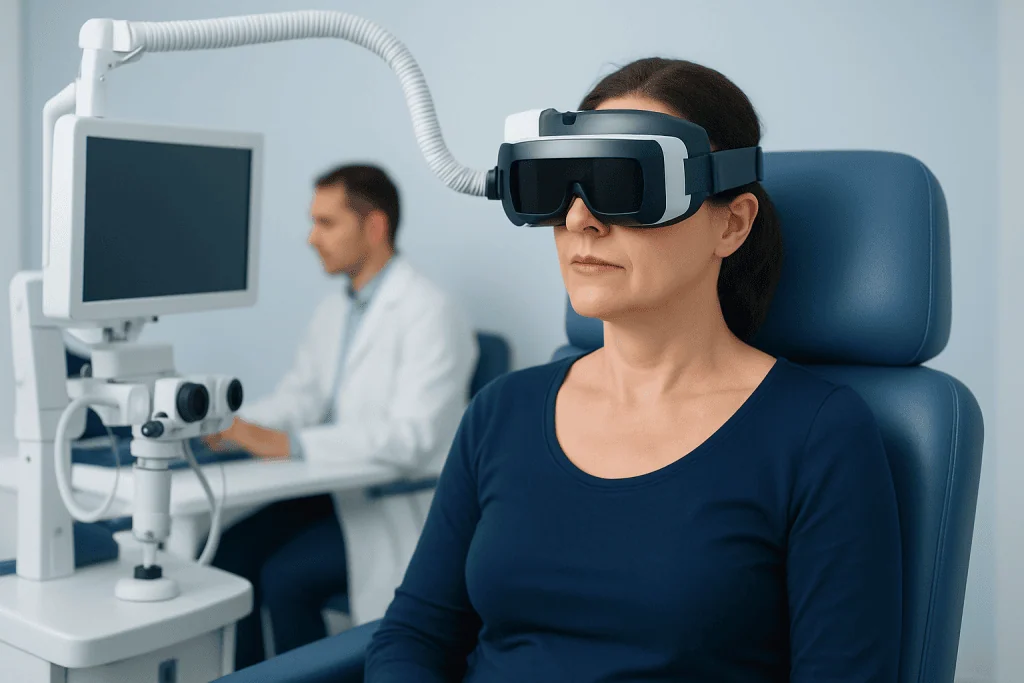
The evaluation often includes a physical and neurological examination and a hearing test. Depending on the symptoms, additional balance testing or imaging may be recommended to rule out inner-ear, vascular, or neurological problems. If hearing loss is present or develops over time, the diagnostic picture may change and other conditions may need closer consideration.
Doctors may also look for associated migraine features such as throbbing headache, one-sided pain, light sensitivity, sound sensitivity, aura, or a history of motion sickness. In some cases, patients benefit from coordinated review by specialists in balance disorders, migraine, and ear disease. If needed, assessments such as brain MRI or hearing tests and audiology evaluation may help clarify the cause.
Treatment Options
Treatment aims to reduce the frequency and severity of attacks and improve daily function. The best plan depends on symptom pattern, trigger profile, medical history, and how much the condition affects quality of life. Many people improve with a combination of lifestyle measures and medication rather than a single treatment alone.
Lifestyle strategies are often the starting point. These may include regular sleep, consistent meals, good hydration, stress management, limiting personal triggers, and avoiding sudden overuse of caffeine or alcohol. A symptom diary can help connect attacks with sleep disruption, hormonal changes, visual overload, or specific foods.
Doctors may also prescribe medications to treat acute migraine symptoms or reduce attack frequency. Preventive treatment may be considered when symptoms are frequent, disabling, or prolonged. In people with persistent imbalance or motion sensitivity between attacks, vestibular rehabilitation may be recommended to improve balance confidence and reduce dizziness-related disability.
When symptoms are complex or the diagnosis is uncertain, specialist care can be helpful. Acibadem International’s multidisciplinary specialists in neuro-otology, neurology, and ENT, working in JCI-accredited hospitals, evaluate and treat vestibular migraine and other balance disorders for international patients.
Prevention and Self-Care
Self-care plays an important role in long-term control. Regular habits can reduce the brain’s sensitivity to migraine triggers. It is often helpful to keep wake and sleep times steady, eat at consistent intervals, stay hydrated, and take breaks from screens or visually overwhelming environments.
Many people benefit from tracking symptoms, headache features, menstrual cycles, food intake, travel, and stress levels. This record can make patterns easier to see and give the doctor useful information. Trigger avoidance should be practical rather than restrictive, since overly strict diets or routines may increase stress and become difficult to maintain.
During an attack, resting in a quiet, dim environment may help. Sudden head movements, driving, climbing, and operating machinery should be avoided until symptoms settle. Gentle return to routine is usually best once the episode improves, but persistent dizziness should be discussed with a clinician.
When to See a Doctor
Anyone with repeated vertigo, unexplained dizziness, ear pressure, or migraine-related balance symptoms should seek medical advice, especially if attacks are affecting daily life. Review is particularly important when hearing changes are present, because this may point toward an inner-ear disorder or another condition that needs targeted evaluation.
Urgent assessment is needed if dizziness is sudden and severe or happens with weakness, numbness, facial drooping, trouble speaking, fainting, chest pain, double vision, or a new severe headache. These symptoms are not typical of uncomplicated vestibular migraine and may signal a more serious problem.
Medical attention is also advisable if symptoms are becoming more frequent, lasting longer, or not responding to initial treatment. Early diagnosis can reduce uncertainty, help prevent unnecessary worry, and support a treatment plan tailored to the individual’s symptoms and risk factors.
Frequently asked questions
Can vestibular migraine happen without a headache?
Yes. Some people have vertigo, dizziness, or motion sensitivity with little or no head pain. A past history of migraine or associated features such as light sensitivity can still support the diagnosis.
Is hearing loss required for Ménière-like symptoms?
No. Ear fullness, ringing, and vertigo can occur without hearing loss in several conditions, including vestibular migraine. That is why hearing tests are often part of the evaluation when symptoms overlap with Ménière’s disease.
How long do vestibular migraine attacks last?
They can last from a few minutes to many hours, and sometimes longer. Some people also feel mildly off-balance or motion-sensitive between attacks.
What triggers vestibular migraine?
Common triggers include poor sleep, stress, dehydration, skipped meals, hormonal changes, bright lights, visual overload, alcohol, caffeine changes, and certain foods. Triggers are individual, so a diary can help identify personal patterns.
How is vestibular migraine diagnosed?
Diagnosis is based on symptom history, migraine features, examination, and ruling out other causes of dizziness. Doctors may use hearing tests, balance assessment, or imaging when needed.
Can vestibular migraine be treated?
Yes. Many people improve with a combination of lifestyle measures, trigger management, and medication when appropriate. Treatment is individualized based on how often attacks occur and how much they affect daily life.
References
- Bárány Society
- American Academy of Neurology
- National Institute on Deafness and Other Communication Disorders
- American Migraine Foundation
- National Institute of Neurological Disorders and Stroke
This article is for general information only and is not a substitute for professional medical advice. Please consult a qualified doctor about your individual situation.
Migraine in Turkey — costs, top hospitals & a free quote
JCI-accredited · board-certified surgeons · reply within 24h
Add us as a Preferred Source to see more of our trusted health content across Google Search, AI Overviews and Discover.