Meningitis Injection Reaction: How It Works, Results and What to Expect

Most meningitis vaccine reactions are mild and settle within 1–3 days. Soreness in the upper arm is common and can occur with either meningococcal or meningitis B vaccines.
Key Takeaways
- Most meningitis vaccine reactions are mild and settle within 1–3 days.
- Soreness in the upper arm is common and can occur with either meningococcal or meningitis B vaccines.
- Severe allergic reactions are rare, but breathing difficulty, facial swelling or widespread hives require emergency care.
- Vaccines do not remain in the body long-term; they train the immune system to recognize specific bacteria.
- A clinician can advise on the appropriate meningitis vaccine schedule based on age, health conditions, travel and risk factors.
A meningitis injection reaction is most often a short-lived immune response, such as pain, redness or swelling at the injection site, tiredness, headache, muscle aches or a mild fever. These effects generally improve within a few days and are different from meningitis itself or a severe vaccine allergy.
Meningitis Injection Reaction: The Short Answer
A meningitis injection reaction usually means temporary side effects after a vaccine that protects against certain bacteria that can cause meningitis. The most common effects are tenderness, redness or swelling in the arm, along with tiredness, headache, muscle aches, nausea or a low-grade fever. Most people feel better within one to three days.
Several vaccines may be described as “meningitis shots.” Meningococcal conjugate vaccines (MenACWY) protect against four meningococcal groups, while meningococcal B vaccines (MenB) protect against group B. Depending on a person’s age, country, medical history and exposure risk, other immunizations may also help prevent bacterial meningitis caused by organisms such as pneumococcus or Haemophilus influenzae type b.
These reactions are expected signs that the immune system is responding. They do not mean that the person has developed meningitis, and the vaccines cannot cause meningococcal meningitis. However, symptoms that are severe, worsening or suggest an allergic reaction should be assessed promptly.
How the Meningitis Vaccine Works
Meningococcal vaccines expose the immune system to harmless components that resemble parts of meningococcal bacteria. This allows the body to build immune memory and antibodies without causing the invasive disease the vaccine is designed to prevent. If exposure occurs later, the immune system can respond more quickly.
MenACWY vaccines protect against meningococcal groups A, C, W and Y. MenB vaccines are made differently and target group B, so protection from one type does not automatically mean protection from the other. A doctor or vaccination provider can explain which vaccine, if any, is recommended for the individual.
The injection is usually given into the muscle of the upper arm. Immune signaling at the injection site and throughout the body can cause short-term inflammation, which explains why arm pain, fatigue or mild fever may occur. These effects are generally a normal part of the body’s response rather than a harmful infection.
Who May Need a Meningitis Vaccine?

Vaccination recommendations vary between countries and change over time, so local public-health guidance is important. Meningococcal vaccines are commonly offered during adolescence in many vaccination schedules. They may also be recommended for younger children, university students living in shared accommodation, military recruits, laboratory workers and travelers to regions with a higher risk of meningococcal disease.
Some people have increased medical risk and may need particular vaccine types or booster doses. This can include people with an absent or poorly functioning spleen, certain complement immune system conditions, HIV infection, or those using complement-inhibiting medicines. People who have previously had a severe allergic reaction to a dose of a particular meningococcal vaccine or one of its ingredients should discuss alternatives with an allergy or immunization specialist.
Before vaccination, the provider reviews current illness, previous vaccine reactions, allergies, medicines and relevant health conditions. A minor cold without fever does not always prevent vaccination, but moderate or severe acute illness may be a reason to delay it until recovery. For individualized prevention advice, a clinician may also discuss related infectious-disease concerns, including meningitis.
What Happens During the Injection Appointment?
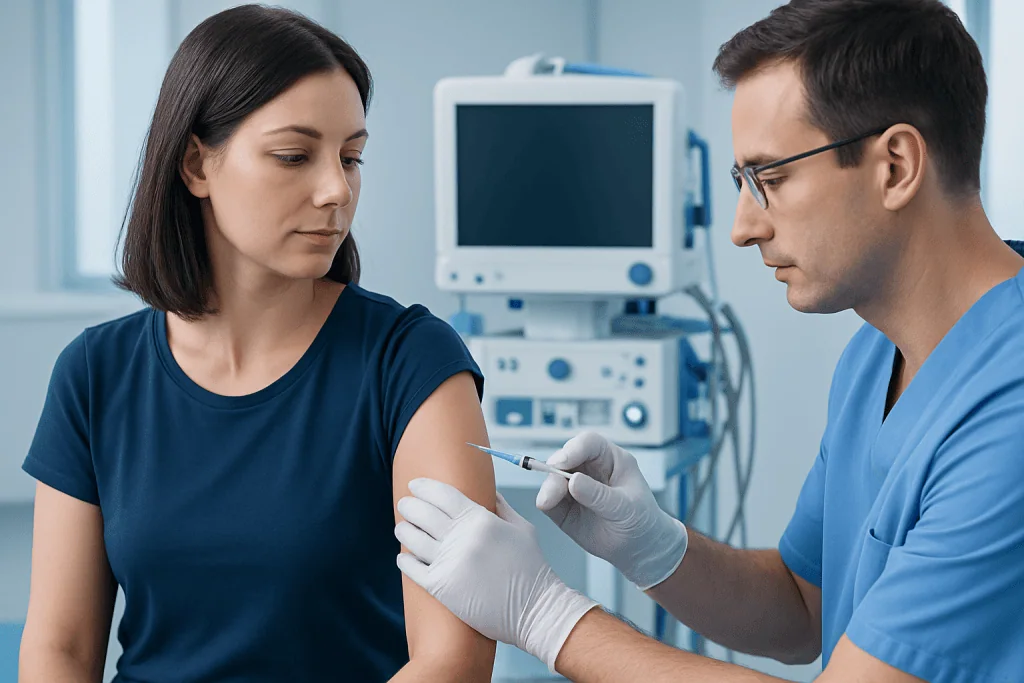
At the appointment, the healthcare professional confirms the person’s identity, vaccine eligibility and consent. They explain the expected benefits and common side effects, then administer the vaccine as a quick injection, usually into the deltoid muscle in the upper arm. The injection itself lasts only seconds.
Afterward, the person is usually asked to remain at the clinic for a short observation period. This is a routine safety measure because fainting can occur after any injection, particularly in adolescents and young adults, and immediate allergic reactions are most likely to occur soon after vaccination.
People are generally able to return to school, work and normal daily activities the same day. Keeping the arm gently moving may help with stiffness. If vaccine planning is part of a broader travel, school or medical-risk assessment, a qualified clinician can help coordinate the recommended schedule.
How Long Will I Feel Bad After a Meningitis Shot?
Most people who have a meningitis injection reaction feel unwell for a short time only. Arm soreness often begins on the day of vaccination and improves over one to three days. Tiredness, headache, muscle aches, nausea or mild fever usually follow a similar pattern, although some people may feel tired for a little longer.
MenB vaccines can produce more noticeable short-term general symptoms in some people, including fever, headache or muscle pain. The intensity varies from person to person and does not reliably show how well the vaccine is working. Children may be irritable, sleepy or eat less for a day or two after vaccination.
Rest, fluids and comfortable clothing can help. A cool, clean compress may ease local soreness. A pharmacist or clinician can advise whether an age-appropriate pain or fever medicine is suitable, especially for children, pregnant people or those taking regular medications. Persistent symptoms, a high fever, or symptoms that worsen rather than improve should be discussed with a healthcare professional.
How Long Does a Meningitis Shot Stay in Your System?
The vaccine ingredients do not stay in the body permanently. After the injection, the immune system processes the vaccine components and develops an immune response. What remains is immune memory, including antibodies and specialized cells that may help the body respond to future exposure to the bacteria.
Protection does not begin instantly. The immune response develops over days to weeks, and some meningococcal vaccines require more than one dose for the recommended level of protection. The duration of protection can vary by vaccine type, age and individual risk, which is why booster doses may be advised for some people.
Vaccination is an important preventive measure, but it does not protect against every cause of meningitis or every meningococcal strain. New symptoms compatible with meningitis should always be evaluated urgently, regardless of vaccination history.
What Does an Allergic Reaction to a Meningitis Shot Look Like?
A mild local reaction is common and usually limited to pain, warmth, redness, itching or swelling around the injection site. These symptoms are not usually a sign of a dangerous allergy. They typically stay localized and begin improving within a few days.
A severe allergic reaction, also called anaphylaxis, is rare but needs emergency treatment. Warning signs may include trouble breathing, wheezing, throat tightness, swelling of the lips, tongue, face or throat, widespread raised itchy hives, severe dizziness, fainting, confusion, or repeated vomiting soon after vaccination.
Anyone with these symptoms should seek emergency medical care immediately. A person who had a suspected allergic reaction after a previous vaccine should tell their doctor before receiving additional doses. Assessment may clarify whether the event was an allergy, fainting, anxiety-related symptoms or another reaction, and whether future vaccination can be given safely.
Does Meningitis Shot Hurt More Than Flu Shot?
There is no single answer because pain perception differs between individuals and can vary with the vaccine formulation, injection technique, muscle tension and previous experiences. Many people describe meningitis and influenza vaccines as causing a similar brief pinch during injection followed by arm soreness.
Some people find a meningitis vaccine leaves their arm more tender or causes more fatigue than a flu shot, while others notice little difference. MenB vaccination can be associated with more short-lived whole-body symptoms in some recipients. These reactions usually resolve without complications.
Relaxing the arm during the injection, sitting down if fainting is a concern, and moving the arm gently afterward may reduce discomfort. The vaccination provider can also discuss which arm may be most practical, particularly for people with work, sport or mobility needs.
Benefits, Risks and When to Seek Medical Care
The key benefit of meningococcal vaccination is reducing the risk of invasive meningococcal disease caused by the vaccine-targeted groups. This illness can progress quickly and may lead to serious complications, so prevention is valuable for people in recommended age groups or higher-risk settings. Vaccines have limits, however, and do not replace timely medical assessment for concerning symptoms.
Common risks are temporary injection-site discomfort and short-term flu-like symptoms. Serious reactions are uncommon. Seek urgent medical attention for signs of anaphylaxis, or for symptoms that could suggest meningitis, such as sudden fever with a severe headache, stiff neck, confusion, marked drowsiness, sensitivity to light, seizures, a rapidly spreading rash, or a person who is becoming seriously unwell.
For non-emergency concerns, contact a doctor if side effects are severe, last longer than expected, or cause uncertainty about future doses. Acibadem International’s multidisciplinary specialists and JCI-accredited hospitals can assess infectious disease concerns and support international patients who need individualized vaccination or medical advice.
Frequently asked questions
Is it normal to have a fever after a meningitis shot?
A mild fever can occur after a meningitis vaccine and is usually short-lived. It reflects immune activation and often improves with rest and fluids. A high, persistent or worsening fever should be discussed with a healthcare professional.
Can a meningitis vaccine cause meningitis?
No. Meningococcal vaccines do not contain live meningococcal bacteria capable of causing meningitis. They use components that help the immune system learn to recognize selected bacterial groups.
How long does arm pain last after a meningitis vaccine?
Arm pain usually improves within one to three days. Mild redness, warmth or swelling can occur at the injection site during this time. Contact a clinician if pain or swelling becomes severe, spreads significantly or does not begin to improve.
Can I exercise after a meningitis shot?
Most people can exercise after vaccination if they feel well. Gentle movement may help arm stiffness, but strenuous activity can be postponed if fatigue, fever or muscle aches are present. Listening to the body and staying hydrated is sensible.
Should I get another meningitis vaccine if I felt unwell after the first one?
Mild side effects such as soreness, fatigue or a low fever do not usually prevent future doses. A clinician can review the reaction and explain whether the next scheduled dose or booster is appropriate. A previous severe allergic reaction requires medical assessment before another dose.
When should I worry about symptoms after a meningitis injection?
Emergency care is needed for breathing difficulty, swelling of the face or throat, widespread hives, severe dizziness or collapse. Medical advice is also appropriate if fever or other symptoms are severe, worsening, unusually prolonged or raise concern for meningitis itself.
References
- World Health Organization
- Centers for Disease Control and Prevention
- European Centre for Disease Prevention and Control
- Immunize.org
- National Health Service
This article is for general information only and is not a substitute for professional medical advice. Please consult a qualified doctor about your individual situation.
Meningitis in Turkey — costs, top hospitals & a free quote
JCI-accredited · board-certified surgeons · reply within 24h
Add us as a Preferred Source to see more of our trusted health content across Google Search, AI Overviews and Discover.