Menopause Symptoms vs Thyroid Problems: How Doctors Tell the Difference

Menopause and thyroid conditions can overlap, so one should not be assumed without evaluation. Changes in menstrual periods and hot flashes often point toward perimenopause or menopause.
Key Takeaways
- Menopause and thyroid conditions can overlap, so one should not be assumed without evaluation.
- Changes in menstrual periods and hot flashes often point toward perimenopause or menopause.
- A thyroid exam and blood tests such as TSH and free T4 help identify thyroid disease.
- Both conditions are treatable, and the right diagnosis can improve quality of life.
- New, severe, or rapidly changing symptoms should be discussed with a doctor.
Menopause and thyroid disorders can cause many of the same symptoms, including fatigue, mood changes, sleep problems, and changes in weight. Doctors usually tell the difference by looking at the whole picture: age and menstrual history, symptom pattern, physical examination, and thyroid and hormone blood tests when needed.
Overview: Why Menopause and Thyroid Problems Are Often Confused
The comparison of menopause symptoms vs thyroid problems is common because both can affect energy, mood, sleep, body temperature, and weight. Many women notice symptoms gradually and may not be sure whether hormonal changes around midlife are responsible, or whether the thyroid gland is involved. This uncertainty is understandable, especially during perimenopause, when hormone levels can fluctuate and symptoms may come and go.
Menopause is a normal life stage that happens when the ovaries stop releasing eggs and menstrual periods have ended for 12 consecutive months. The transition leading up to menopause is called perimenopause, and it can last several years. During this time, levels of estrogen and progesterone can vary, often causing irregular periods, hot flashes, sleep disturbance, and changes in mood.
The thyroid is a small gland in the neck that helps regulate metabolism, temperature, heart rate, and energy use. When it is underactive, this is called hypothyroidism; when it is overactive, it is called hyperthyroidism. Either problem can create symptoms that overlap with menopause, which is why doctors avoid making assumptions based on age alone.
In practice, doctors tell the difference by combining a careful history, physical examination, and laboratory tests. They look for patterns that fit menopause, patterns that fit thyroid disease, and signs that both may be present at the same time.
Symptoms That Can Overlap
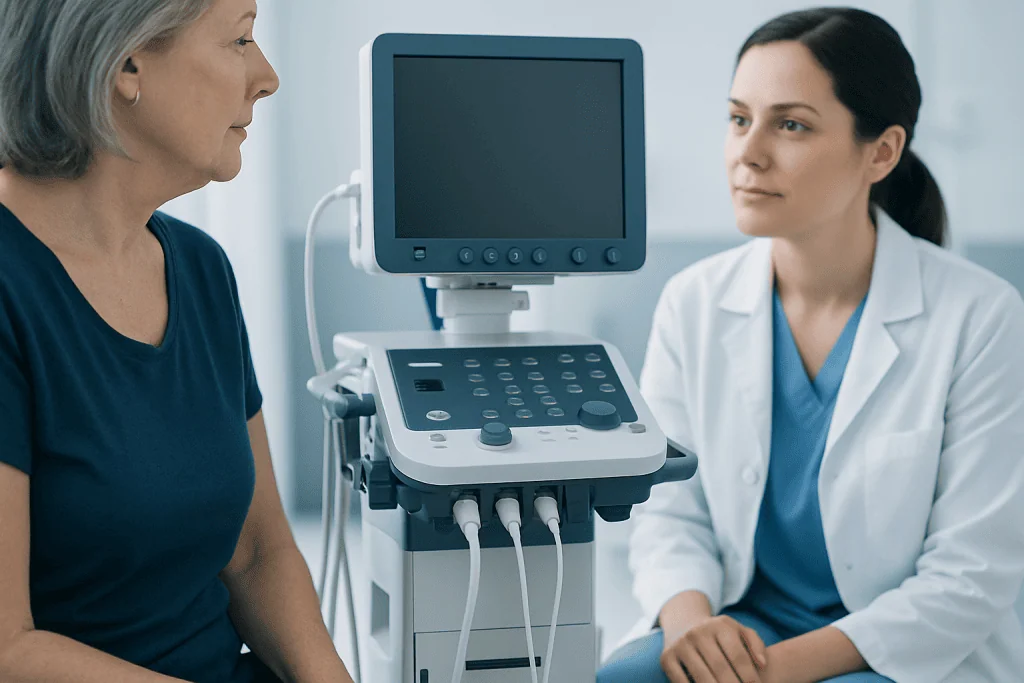
Several symptoms can appear in both menopause and thyroid disease. These include tiredness, difficulty sleeping, mood changes, trouble concentrating, dry skin, changes in libido, and weight changes. Because these symptoms are nonspecific, they do not reliably point to one diagnosis by themselves.
For example, a woman in her 40s or 50s who feels exhausted, irritable, and mentally foggy may think menopause is the cause. However, an underactive thyroid can also slow mental processing and contribute to fatigue and low mood. On the other hand, an overactive thyroid can cause anxiety, restlessness, sweating, and sleep disruption, which may be mistaken for hot flashes or stress.
Weight changes can also be confusing. Hypothyroidism may be associated with modest weight gain and fluid retention, while hyperthyroidism can lead to unintentional weight loss despite a normal or increased appetite. Menopause itself can be linked to changes in body composition and where fat is stored, even without major changes on the scale.
Because symptoms overlap so much, doctors usually ask not only what symptoms are present, but also when they started, how they have changed over time, and whether they happen in episodes or are constant throughout the day.
Clues That Suggest Menopause More Than a Thyroid Disorder

Menopause and perimenopause often have a distinct pattern. One of the strongest clues is a change in menstrual periods. Periods may become shorter or longer, lighter or heavier, or more or less frequent before they stop completely. When symptoms happen alongside clear menstrual irregularity, doctors are more likely to consider perimenopause as an important part of the explanation.
Hot flashes and night sweats are also classic menopause symptoms. These often feel like sudden waves of heat in the face, neck, or chest, sometimes followed by sweating, flushing, or chills. They may interrupt sleep and can occur at predictable times or without warning. Although hyperthyroidism can also cause heat intolerance and sweating, true hot flashes with a menopausal pattern are more suggestive of changing ovarian hormones.
Vaginal dryness, discomfort during sex, and urinary changes such as urgency can also point more strongly toward menopause. These symptoms relate to lower estrogen levels and are not typical of thyroid disease alone. Mood changes around perimenopause may also cluster with sleep disturbance, hot flashes, and period changes.
Still, menopause does not exclude thyroid disease. A woman may be in perimenopause and also have thyroid disease, so persistent or unusual symptoms still deserve a proper medical assessment.
Clues That Suggest a Thyroid Problem
Doctors look for symptoms that fit the thyroid more specifically. Hypothyroidism often causes fatigue, feeling cold, constipation, dry skin, hair thinning, slowed heart rate, puffy skin, hoarseness, and low mood. Some people also notice heavier menstrual bleeding, muscle aches, or a general sense of slowing down. These features may push the evaluation toward an underactive thyroid.
Hyperthyroidism tends to produce a different pattern. Common features include feeling unusually warm, sweating more than usual, palpitations, tremor, anxiety, irritability, unintentional weight loss, and frequent bowel movements. Some people also have trouble sleeping and feel physically restless. If these symptoms are prominent, doctors may suspect an overactive thyroid rather than menopause alone.
The physical exam can provide more clues. A doctor may feel for an enlarged thyroid gland, also called a goiter, or look for tenderness, asymmetry, or nodules in the neck. They may check the pulse, blood pressure, reflexes, skin texture, and signs such as hand tremor or swelling around the eyes. These findings can be useful when symptoms are unclear.
If a thyroid enlargement or nodule is found, the doctor may recommend further evaluation such as thyroid ultrasound to assess the gland’s structure. In selected cases, referral to specialists in endocrinology care can help clarify whether symptoms are hormonal, thyroid-related, or both.
How Doctors Make the Diagnosis
The diagnostic process usually begins with a detailed conversation. Doctors ask about age, menstrual history, pregnancy history, family history of thyroid or autoimmune disease, medications, stress, sleep habits, and how symptoms affect daily life. They may also ask about smoking, recent illness, and whether symptoms began suddenly or gradually.
Blood testing is often central when thyroid disease is suspected. The most common initial test is thyroid-stimulating hormone, or TSH. Depending on the result, doctors may also measure free T4 and sometimes free T3. If autoimmune thyroid disease is a concern, thyroid antibody tests may be added. These tests can usually distinguish between hypothyroidism, hyperthyroidism, and normal thyroid function.
Hormone testing for menopause is more selective. In many women over age 45 with typical symptoms and menstrual changes, menopause or perimenopause can often be recognized clinically without extensive hormone testing. Follicle-stimulating hormone, or FSH, may sometimes be checked, but it can fluctuate during perimenopause and is not always necessary. The diagnosis is often based more on symptom pattern and menstrual history than on a single blood result.
When the picture is complex, doctors may also look for other causes of similar symptoms, such as anemia, sleep disorders, depression, medication side effects, or blood sugar problems. If thyroid abnormalities are confirmed, additional testing may be considered, and some patients may benefit from a broader medical check-up to assess overall health and related risk factors.
Treatment Options After the Cause Is Identified
Treatment depends on the diagnosis. If symptoms are mainly due to menopause, options may include lifestyle measures, nonhormonal symptom relief, and in appropriate cases menopausal hormone therapy. Decisions are individualized based on age, symptom severity, medical history, and personal preferences. Not everyone needs medication, but many people benefit from a tailored plan.
If thyroid disease is the cause, treatment focuses on restoring healthy thyroid function. Hypothyroidism is typically treated with thyroid hormone replacement, while hyperthyroidism may be managed with medications, radioactive iodine in selected cases, or surgery in certain situations. The right choice depends on the specific thyroid disorder, the severity of symptoms, and the person’s overall health.
Follow-up matters in both situations. Menopausal symptoms can change over time, and thyroid levels may need repeat testing to make sure treatment is effective. People should not start, stop, or change thyroid medication on their own, because both undertreatment and overtreatment can cause symptoms and affect heart and bone health.
For patients who need specialist assessment, multidisciplinary teams can help coordinate care. Near the end of the care pathway, some international patients choose centers such as Acibadem International, where multidisciplinary specialists in JCI-accredited hospitals diagnose and treat hormonal and thyroid conditions with individualized plans.
Self-Care, Monitoring, and Prevention
Although menopause cannot be prevented, healthy habits can reduce the burden of symptoms and support overall hormonal health. Regular physical activity, a balanced eating pattern, stress management, and consistent sleep habits may improve energy, mood, and sleep quality. Limiting excess caffeine, alcohol, and smoking may also help some people with hot flashes and nighttime waking.
For thyroid health, there is no guaranteed way to prevent all thyroid disorders, especially autoimmune conditions. Still, routine medical care can help identify problems early. People with a family history of thyroid disease, other autoimmune conditions, or previous thyroid treatment may need closer monitoring if symptoms develop.
Keeping a symptom diary can be very helpful. Recording period changes, hot flashes, sleep quality, palpitations, weight trends, bowel habits, and medication use gives doctors a clearer picture. This is especially useful when symptoms are intermittent or when more than one condition may be contributing.
People should also be cautious about supplements marketed for thyroid support or menopause balance. Some products may contain hormone-like substances or interfere with prescribed medicines. It is safer to discuss supplements with a qualified doctor or pharmacist before using them.
When to See a Doctor
A medical appointment is a good idea when symptoms are persistent, bothersome, or affecting daily life. This includes ongoing fatigue, unexplained weight change, palpitations, new anxiety, feeling unusually cold or hot, constipation, tremor, or major sleep disturbance. Evaluation is also important if periods become very heavy, very frequent, or stop earlier than expected.
More urgent medical attention may be needed for chest pain, fainting, severe shortness of breath, a very rapid or irregular heartbeat, significant neck swelling, or sudden confusion. These symptoms are not typical of uncomplicated menopause and should not be ignored. Although they may have many causes, prompt assessment is important.
Women who have been treated for thyroid disease in the past should seek review if old symptoms return or new ones appear. Likewise, someone who assumes symptoms are just menopause should speak with a doctor if the pattern changes or if symptoms seem more severe than expected.
When diagnosis is uncertain, a structured evaluation helps avoid delays and unnecessary worry. In some cases, clinicians may also investigate related conditions such as Hashimoto’s thyroiditis or other endocrine issues if symptoms, examination findings, or test results suggest them.
Frequently asked questions
Can menopause and thyroid problems happen at the same time?
Yes. A woman can be in perimenopause or menopause and also have a thyroid disorder. That is why doctors do not rely on age alone and often use blood tests when symptoms are unclear.
Are hot flashes a sign of thyroid disease?
True hot flashes are more commonly linked to menopause, especially when they come with night sweats and changing periods. However, hyperthyroidism can cause heat intolerance and sweating, which can feel similar. A doctor can help sort out the pattern.
What thyroid tests are usually done?
The most common first test is TSH. If needed, doctors may also order free T4, sometimes free T3, and thyroid antibody tests. These help show whether the thyroid is underactive, overactive, or functioning normally.
Do all women need hormone tests to confirm menopause?
No. In many women over 45 with typical symptoms and menstrual changes, doctors can often identify perimenopause or menopause based on history alone. Hormone tests may be used in selected cases, but they are not always necessary.
Can thyroid treatment improve symptoms that seemed like menopause?
Yes, if the symptoms are caused by thyroid dysfunction. Correct treatment for hypothyroidism or hyperthyroidism can improve energy, mood, temperature sensitivity, sleep, and weight-related concerns. Follow-up is important to make sure thyroid levels return to a healthy range.
When should someone seek medical advice instead of waiting it out?
Medical advice is important when symptoms are persistent, worsening, or interfering with everyday life. It is especially important for unexplained weight loss, palpitations, heavy bleeding, significant neck swelling, or severe fatigue. Prompt evaluation helps identify the cause and guide the right treatment.
References
- National Institute on Aging
- Office on Women's Health
- American Thyroid Association
- National Institute of Diabetes and Digestive and Kidney Diseases
- North American Menopause Society
This article is for general information only and is not a substitute for professional medical advice. Please consult a qualified doctor about your individual situation.
Explore treatments in Turkey — costs, top hospitals & a free quote
JCI-accredited · board-certified surgeons · reply within 24h
Add us as a Preferred Source to see more of our trusted health content across Google Search, AI Overviews and Discover.
Check your numbers in seconds
BMI, calories, due date, blood pressure and 30+ more clinical calculators — free, instant, doctor-reviewed ranges.