Menstrual Pimples: What Is Normal, What Is Not, and When to Seek Care
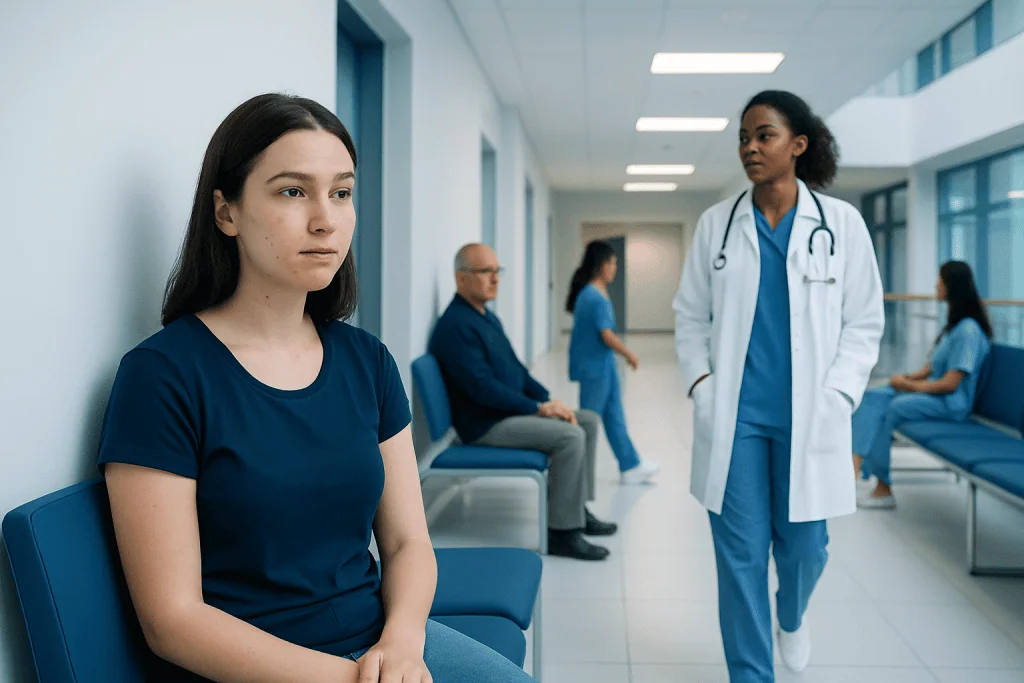
Menstrual pimples commonly develop on the chin, jawline, lower cheeks, neck, chest, or back in the week before a period. Hormonal shifts can increase skin oil, blocked pores, and inflammation, but acne is not caused by poor hygiene.
Key Takeaways
- Menstrual pimples commonly develop on the chin, jawline, lower cheeks, neck, chest, or back in the week before a period.
- Hormonal shifts can increase skin oil, blocked pores, and inflammation, but acne is not caused by poor hygiene.
- Gentle cleansing and non-comedogenic skin products can support acne control; squeezing spots can worsen inflammation and scarring.
- Effective medical treatments are available when over-the-counter care is not enough, including topical, oral, and hormone-focused options.
- New severe acne with irregular periods, unwanted facial hair, scalp hair thinning, or weight changes may need hormonal evaluation.
- Prompt medical advice is important for deep painful lumps, scarring, signs of infection, or acne affecting wellbeing.
Menstrual pimples are common acne breakouts that often appear in the days before or during a period because changing hormone levels increase oil production and inflammation in the skin. Mild, predictable breakouts are usually manageable with consistent skin care, while painful, scarring, sudden, or persistent acne should be assessed by a qualified clinician.
Overview: what menstrual pimples are and what is normal
Menstrual pimples, sometimes called period acne or premenstrual acne, are breakouts that occur in a repeating pattern around the menstrual cycle. They often begin several days before bleeding starts and may improve after the period begins. A few small spots that come and go in this pattern are very common and are usually not a sign that anything is seriously wrong.
These breakouts can include whiteheads, blackheads, red bumps, pustules, or deeper tender lumps. They often affect the lower face, especially the chin and jawline, although acne can also develop on the neck, chest, shoulders, and back. The location alone cannot diagnose hormonal acne, but a predictable monthly timing can be a useful clue.
It is helpful to think of menstrual pimples as one part of acne rather than as a separate skin disease. Acne develops when hair follicles become blocked with oil and dead skin cells, then become inflamed. Hormones can make this process more likely at particular points in the cycle.
Why breakouts happen around a period
Hormone levels naturally change throughout the menstrual cycle. In the days before a period, the balance between estrogen, progesterone, and androgens changes. Androgens are hormones present in all sexes that can stimulate the sebaceous glands in the skin to produce more sebum, or oil. More oil can contribute to clogged pores and acne inflammation.
Hormones are not the only factor. Acne also involves skin-cell turnover, the growth of acne-associated bacteria within blocked follicles, and the immune system’s inflammatory response. Stress, poor sleep, some cosmetics or hair products, friction from masks or helmets, and certain medicines may make existing acne more noticeable.
Menstrual pimples are not caused by being unclean, and aggressive scrubbing does not prevent them. In fact, harsh soaps, exfoliating brushes, and frequent washing can irritate the skin barrier, increase dryness, and make acne treatments harder to tolerate.
Some people notice that particular foods seem to worsen their acne, but triggers vary and diet is rarely the only explanation. Rather than following restrictive diets, it is generally more useful to observe individual patterns and discuss persistent concerns with a doctor or registered dietitian.
How to recognize a cycle-related pattern
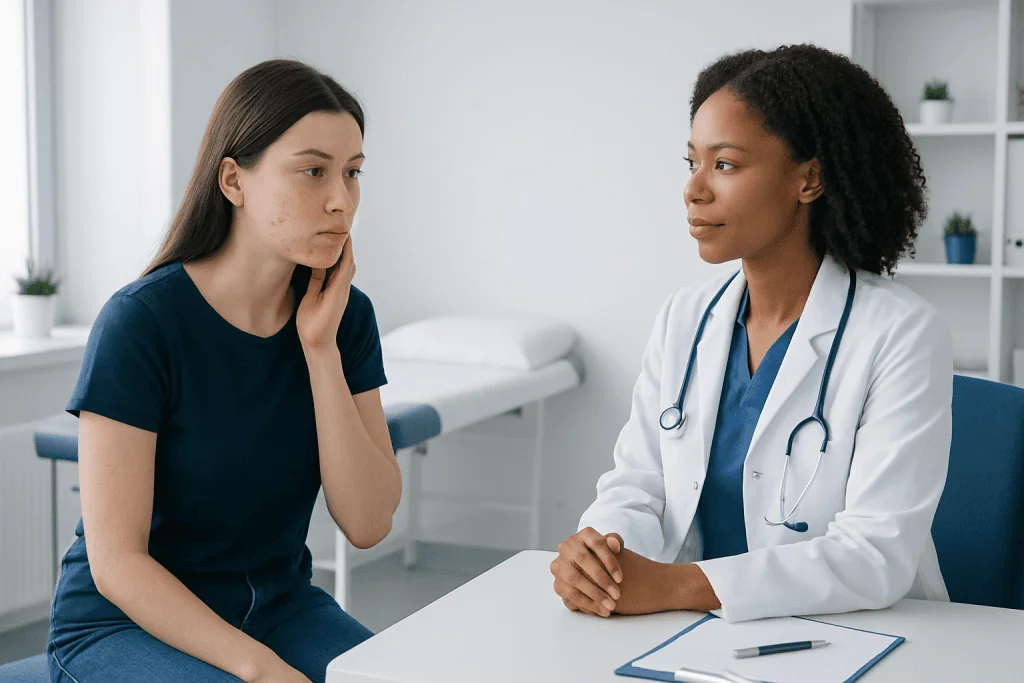
Keeping a simple skin-and-cycle record for two or three months can help show whether pimples are linked to menstruation. A person may note the first day of each period, when new spots appear, where they develop, their severity, and any products, medicines, stressors, or lifestyle changes that coincide with flares.
A typical cycle-related flare may appear shortly before menstruation, affect similar areas each month, and settle at least partly afterward. However, acne can occur at any age and at any time in the cycle. Persistent acne that does not clearly follow a monthly rhythm can still benefit from the same careful assessment and treatment.
Not every bump near the mouth or jaw is acne. Folliculitis, contact dermatitis, rosacea, perioral dermatitis, and ingrown hairs can look similar but may require different care. A clinician can examine the skin and clarify the diagnosis when the appearance is uncertain or treatments are not helping.
Photos taken in consistent lighting can be useful during a medical appointment, particularly if the skin is clearer on the day of the visit. They can help document the pattern, severity, and response to treatment over time.
Practical skin care for menstrual pimples
A simple, consistent routine is often the best starting point. The face can be washed gently twice daily and after heavy sweating using a mild cleanser and lukewarm water. A lightweight, fragrance-free moisturizer labeled non-comedogenic can reduce dryness and help the skin tolerate acne treatments.
Over-the-counter acne ingredients may help mild menstrual pimples. Options include benzoyl peroxide, salicylic acid, adapalene, and azelaic acid. They work in different ways, and not everyone needs more than one product. Starting one active product at a time, using it as directed, and increasing slowly if tolerated can reduce irritation.
Retinoid products, including adapalene, may be especially useful for clogged pores and prevention of new breakouts, but they can cause dryness at first. People who are pregnant, trying to become pregnant, or breastfeeding should ask a clinician before using acne treatments, particularly retinoids and prescription medicines. Sun protection is also important because some acne products can increase sun sensitivity.
It is best to avoid picking, squeezing, or popping pimples. This can push inflammation deeper into the skin and raise the risk of dark marks, infection, and scarring. Choosing non-comedogenic makeup and sunscreen, removing makeup before bed, and keeping hair oils away from the face may also help.
- Use clean hands when applying skin-care products.
- Change pillowcases regularly and clean items that touch the face, such as phone screens and makeup brushes.
- Do not use topical steroid creams on facial pimples unless specifically prescribed.
- Give a new routine time: improvement often takes several weeks of regular use.
Medical treatment options and hormonal assessment
If menstrual pimples are moderate, painful, widespread, or not improving with consistent self-care, a dermatologist, family doctor, or gynecologist can help. Treatment is chosen according to the type and severity of acne, the risk of scarring, medical history, pregnancy plans, and personal preferences.
Prescription topical treatments may include retinoids, azelaic acid, benzoyl peroxide combinations, or topical antibiotics used alongside benzoyl peroxide to reduce antibiotic resistance. For more extensive inflammatory acne, a clinician may consider a time-limited course of oral antibiotics. Severe or scar-forming acne may require specialist treatment with other medicines and close monitoring.
For some adults with clear cycle-related flares, hormone-focused treatment can be appropriate. Depending on the individual, this may include certain combined hormonal contraceptives or anti-androgen medicines. These options are not suitable for everyone, so clinicians review medical conditions, blood-clot risk factors, other medicines, and reproductive plans before recommending them.
A doctor may ask about menstrual regularity, unwanted facial or body hair, hair thinning on the scalp, weight changes, and fertility concerns. When acne occurs with these symptoms, evaluation for conditions involving higher androgen activity, including polycystic ovary syndrome, may be appropriate. Testing is individualized; hormone blood tests are not necessary for every person with acne.
When to seek medical care
Medical care is appropriate when menstrual pimples are painful, deep, leave scars or persistent dark marks, cover large areas, or continue despite a well-used over-the-counter routine. Acne can also have a meaningful effect on confidence, social activities, work, or mood; this alone is a valid reason to ask for support.
A timely appointment is especially important if acne begins suddenly or becomes rapidly severe, or if it occurs with irregular or absent periods, new excess facial hair, scalp hair loss, voice changes, or other signs of hormonal change. These symptoms do not always indicate a serious condition, but they deserve proper evaluation.
Urgent assessment is needed for rapidly spreading redness, marked swelling, fever, severe pain, or a skin infection. People should also seek medical advice before starting acne medicines during pregnancy, while trying to conceive, or while breastfeeding, because treatment choices may need to change.
Acibadem International’s multidisciplinary specialists and JCI-accredited hospitals diagnose and treat acne and related hormonal concerns for international patients. A clinician can develop a plan that addresses both the skin symptoms and any potential underlying contributors.
Prevention, expectations, and emotional wellbeing
Menstrual pimples cannot always be fully prevented because menstrual hormone changes are normal. Still, a steady routine throughout the month is usually more effective than treating spots only after they appear. A clinician may recommend adjusting a proven topical treatment before the expected flare, rather than stopping and starting products frequently.
Healthy habits such as regular sleep, stress-management practices, balanced meals, and avoiding smoking support general skin and hormonal health. These measures do not replace acne treatment, and no single lifestyle change is guaranteed to clear breakouts. It is reasonable to focus on sustainable habits rather than blaming oneself for a flare.
Acne is visible and can feel distressing, even when it is medically mild. Support from a healthcare professional can be helpful if skin concerns are affecting self-esteem or emotional wellbeing. Effective treatment often requires patience, as acne medications commonly need six to twelve weeks before their full benefit is clear.
Follow-up is important if a treatment causes significant irritation, does not improve acne after an appropriate trial, or if scarring develops. With individualized care, most people can reduce the frequency and severity of menstrual breakouts and protect their skin over time.
Frequently asked questions
Are menstrual pimples normal?
Yes. Mild acne that predictably appears before or during a period is common and is usually related to normal hormonal shifts that affect skin oil production. It is worth discussing with a clinician if it is painful, severe, scarring, or distressing.
Why do menstrual pimples often appear on the chin and jawline?
The lower face is a common location for adult acne and cycle-related flares. Hormonal sensitivity, oil production, and local skin factors may contribute, although a jawline breakout alone does not confirm a hormonal cause.
How long do menstrual pimples last?
Individual pimples may last days to a few weeks, depending on their type and depth. A monthly flare may improve after menstruation begins, but new lesions can continue to form without consistent acne treatment.
Can birth control help menstrual pimples?
Certain combined hormonal contraceptives can improve acne for some people by changing hormonal signals that affect the oil glands. They are not suitable for everyone, so a clinician should review health history, risks, and contraception needs before prescribing one.
Should menstrual pimples be squeezed?
No. Squeezing can increase inflammation, spread bacteria, and raise the risk of scars or dark marks. A gentle acne treatment or a clinician-guided approach is safer for persistent or deep spots.
Do menstrual pimples mean someone has polycystic ovary syndrome?
No. Many people have period-related acne without polycystic ovary syndrome. Evaluation may be useful when acne occurs together with irregular periods, excess facial or body hair, scalp hair thinning, or other signs of increased androgen activity.
References
- American Academy of Dermatology Association
- American College of Obstetricians and Gynecologists
- National Institute of Arthritis and Musculoskeletal and Skin Diseases
- Mayo Clinic
- NHS
This article is for general information only and is not a substitute for professional medical advice. Please consult a qualified doctor about your individual situation.
Explore treatments in Turkey — costs, top hospitals & a free quote
JCI-accredited · board-certified surgeons · reply within 24h
Add us as a Preferred Source to see more of our trusted health content across Google Search, AI Overviews and Discover.

More from the Health Library



Related Specialists

Dr. Mine İnan
Gynecology & Obstetrics
Prof. Dr. Nuran Beşe
Radiation Oncology
Prof. Dr. İbrahim Bildirici
Gynecology & Obstetrics
Assoc. Prof. Dr. Ahmet Yeşilyurt
Medical Genetics