Mental Health Disorders: Causes, Risk Factors, and How They Are Diagnosed

Mental health disorders can affect mood, thoughts, behavior, sleep, energy, and relationships. There is no single cause; genetics, life experiences, stress, brain chemistry, and physical health can all play a role.
Key Takeaways
- Mental health disorders can affect mood, thoughts, behavior, sleep, energy, and relationships.
- There is no single cause; genetics, life experiences, stress, brain chemistry, and physical health can all play a role.
- Diagnosis is based on a detailed clinical assessment, symptom history, and sometimes medical tests to rule out other causes.
- Early support can improve quality of life and may include therapy, medication, lifestyle changes, or a combination of approaches.
- Persistent distress, major changes in functioning, or any thoughts of self-harm should prompt urgent professional help.
Mental health disorders are common medical conditions that can affect emotions, thinking, behavior, and daily functioning. Understanding their causes, risk factors, symptoms, and diagnosis can help people seek timely and appropriate support.
Overview of Mental Health Disorders
Mental health disorders are conditions that affect how a person feels, thinks, behaves, and relates to others. They are medical conditions, not personal weaknesses, and they can range from mild to severe. Many people experience mental health challenges at some point in life, and with proper evaluation and support, many improve significantly.
The term mental health disorders includes several groups of conditions. These may include anxiety disorders, depressive disorders, bipolar disorder, trauma-related disorders, obsessive-compulsive disorder, eating disorders, personality disorders, and psychotic disorders. Each condition has its own pattern of symptoms, but many share features such as emotional distress, difficulty coping, and changes in daily functioning.
Mental health exists on a spectrum, and symptoms may develop gradually or appear more suddenly. Some people notice changes after stressful life events, while others develop symptoms without a clear trigger. Symptoms can affect work, school, family life, sleep, physical health, and overall well-being.
Common Symptoms and Warning Signs
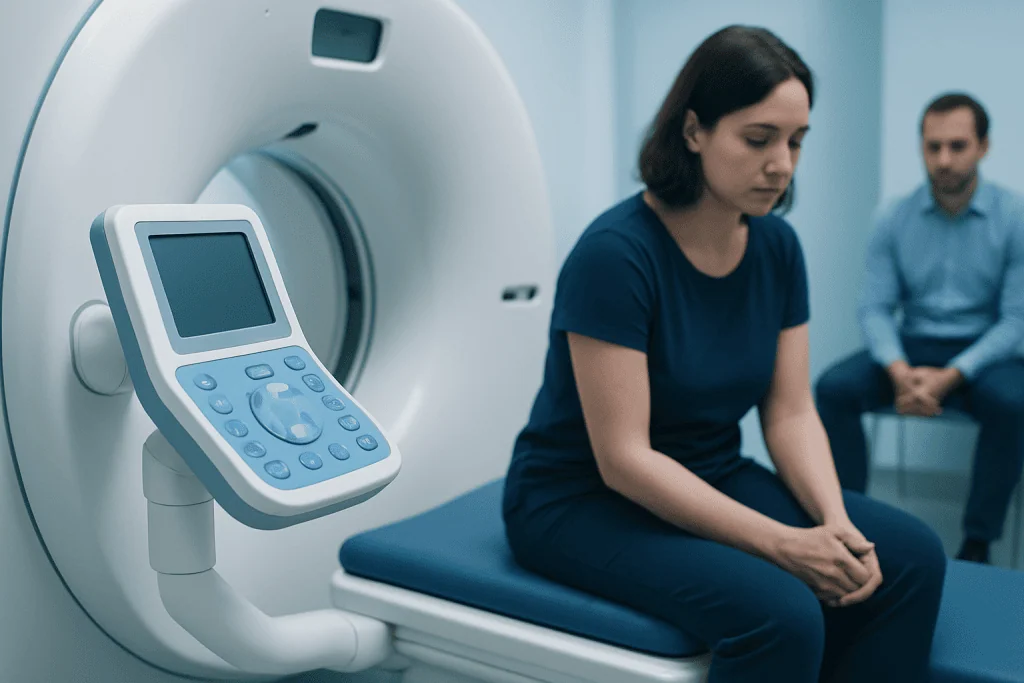
The symptoms of mental health disorders vary by condition, age, and individual circumstances. Common signs include persistent sadness, excessive worry, irritability, fear, mood swings, low motivation, loss of interest in usual activities, and difficulty concentrating. Some people experience changes in appetite, sleep, energy, or memory.
Behavioral signs can include social withdrawal, reduced performance at work or school, difficulty managing daily responsibilities, or increased use of alcohol or substances. In some disorders, a person may have repetitive thoughts or behaviors, panic attacks, unusual beliefs, or changes in perception. Children and teenagers may show symptoms differently, such as irritability, school refusal, behavioral changes, or regression.
It is important to consider how long symptoms last and how much they interfere with everyday life. Temporary emotional reactions to stress are common, but symptoms that persist, intensify, or affect safety and functioning may suggest a mental health disorder.
- Feeling sad, empty, anxious, or overwhelmed most days
- Sleeping too little or too much
- Changes in appetite or weight
- Trouble concentrating or making decisions
- Loss of interest in social activities or hobbies
- Extreme mood changes or panic symptoms
- Thoughts of self-harm, hopelessness, or feeling unable to cope
Causes and Risk Factors

Mental health disorders usually develop through a combination of factors rather than one single cause. Genetics can influence risk, and some conditions tend to run in families. Brain chemistry, hormone changes, personality traits, and the way the brain processes stress may also contribute.
Life experiences play a major role. Trauma, neglect, abuse, grief, relationship difficulties, social isolation, financial stress, and major life changes can all affect mental well-being. Long-term stress may increase vulnerability, especially in people who already have a biological predisposition.
Physical health and lifestyle can also influence mental health. Chronic pain, neurological conditions, thyroid disease, sleep disorders, substance use, and some medications can cause or worsen psychiatric symptoms. Mental and physical health are closely connected, which is why a broad medical view is often needed during assessment.
Risk factors do not mean that someone will definitely develop a disorder. They simply increase the likelihood. Likewise, a person can develop a mental health disorder even without obvious risk factors.
How Mental Health Disorders Are Diagnosed
Diagnosis begins with a careful clinical assessment by a qualified healthcare professional, such as a psychiatrist, psychologist, or physician with mental health training. The clinician asks about current symptoms, when they started, how severe they are, and how they affect daily life. Personal history, family history, medication use, substance use, sleep, and recent stressors are also important.
There is no single blood test or scan that can diagnose most mental health disorders. Instead, diagnosis is based on recognized clinical criteria, symptom patterns, duration, and the exclusion of other possible explanations. Screening questionnaires may be used to support the evaluation, but they do not replace a professional assessment.
Doctors may also recommend medical tests to rule out physical causes of symptoms. For example, fatigue, low mood, anxiety, confusion, or changes in behavior may sometimes be related to thyroid problems, vitamin deficiencies, infections, neurological disorders, or medication effects. When appropriate, a person may also be evaluated for related conditions such as depression or anxiety.
A diagnosis can take time, especially when symptoms overlap or change over time. Follow-up visits help clinicians understand patterns more clearly and adjust the care plan if needed. The goal of diagnosis is not to label a person, but to guide effective, individualized treatment and support.
Treatment Options and Ongoing Care
Treatment depends on the specific disorder, symptom severity, age, medical history, and the person’s preferences. Many mental health disorders respond well to psychotherapy, medication, lifestyle support, or a combination of these. Treatment plans are individualized and may change over time as symptoms improve or new needs arise.
Psychotherapy helps people understand thoughts, emotions, and behaviors and develop healthier coping strategies. Different approaches may be used depending on the condition, including supportive therapy, cognitive behavioral techniques, trauma-focused therapy, family therapy, or group support. Medication may be considered when symptoms are moderate to severe, persistent, or significantly affect functioning.
In some cases, care also involves treatment of coexisting medical or neurological conditions, sleep support, substance use counseling, or nutritional guidance. Comprehensive assessment may include psychiatric evaluation and care and, when needed, neurology assessment to explore overlapping symptoms. Some patients may also benefit from structured psychological support and therapy.
Recovery does not always mean symptoms disappear immediately. For many people, improvement happens step by step. Regular follow-up, good communication with clinicians, and realistic goals can help create a stable path forward.
Prevention and Self-care Strategies
Not all mental health disorders can be prevented, but healthy habits and early support can reduce risk and help manage symptoms. Regular sleep, balanced nutrition, physical activity, social connection, and stress management all support mental well-being. Limiting alcohol and avoiding non-medical drug use can also protect mental health.
Self-care is most effective when it is practical and consistent. This may include keeping a daily routine, taking breaks, setting realistic expectations, and using relaxation techniques such as breathing exercises, mindfulness, or journaling. Staying connected to trusted family members, friends, or support groups can reduce isolation.
It is also helpful to recognize early warning signs. A person who notices changes in mood, sleep, concentration, or motivation can benefit from addressing concerns early rather than waiting for symptoms to worsen. For children and adolescents, family support, school communication, and timely professional advice are especially important.
Self-care is valuable, but it does not replace professional treatment for a diagnosed mental health disorder. If symptoms are persistent, distressing, or disruptive, medical advice is the safest next step.
When to See a Doctor
A doctor should be consulted if emotional or behavioral symptoms last for weeks, keep returning, or begin affecting work, school, sleep, relationships, or daily responsibilities. It is also important to seek care if symptoms feel out of proportion to a situation or if coping becomes increasingly difficult.
Urgent help is needed if a person talks about self-harm, expresses hopelessness, behaves in a way that suggests danger, becomes severely confused, or loses touch with reality. Family members should take these warning signs seriously and seek immediate professional or emergency support. Acting early can improve safety and reduce complications.
Some people hesitate to ask for help because of stigma or uncertainty about what they are feeling. In reality, early assessment is a positive and practical step. Mental health concerns are medical concerns, and compassionate care can make a meaningful difference.
For people seeking international care, Acibadem International’s multidisciplinary specialists in JCI-accredited hospitals diagnose and treat mental health conditions with individualized evaluation and follow-up.
Frequently asked questions
What are mental health disorders?
Mental health disorders are medical conditions that affect mood, thinking, behavior, or emotional regulation. They can influence daily life, relationships, work, and physical well-being, but many can be managed effectively with proper care.
What causes mental health disorders?
There is usually no single cause. Mental health disorders can result from a combination of genetic factors, brain chemistry, stress, trauma, physical illness, life events, and environmental influences.
How are mental health disorders diagnosed?
Diagnosis is made through a detailed clinical assessment that reviews symptoms, personal history, family history, and daily functioning. Doctors may also use questionnaires and medical tests to rule out physical causes of similar symptoms.
Can mental health disorders be treated?
Yes, many mental health disorders can be treated and managed. Treatment may include psychotherapy, medication, lifestyle changes, family support, and regular follow-up depending on the condition and the person's needs.
When should someone seek help for mental health symptoms?
A person should seek help if symptoms persist, worsen, or interfere with everyday life, sleep, work, school, or relationships. Immediate help is needed if there are thoughts of self-harm, severe confusion, or a loss of contact with reality.
Are mental health disorders a sign of personal weakness?
No, they are not a sign of weakness or lack of character. Mental health disorders are real health conditions influenced by biological, psychological, and social factors, and seeking help is a responsible step.
References
- World Health Organization
- National Institute of Mental Health
- American Psychiatric Association
- Centers for Disease Control and Prevention
- National Health Service
This article is for general information only and is not a substitute for professional medical advice. Please consult a qualified doctor about your individual situation.
Explore treatments in Turkey — costs, top hospitals & a free quote
JCI-accredited · board-certified surgeons · reply within 24h
Add us as a Preferred Source to see more of our trusted health content across Google Search, AI Overviews and Discover.