Mental Health Exercises: Techniques to Reduce Stress

Mental health exercises can help lower stress and improve emotional regulation. Breathing, mindfulness, grounding, movement, and journaling are common and effective tools.
Key Takeaways
- Mental health exercises can help lower stress and improve emotional regulation.
- Breathing, mindfulness, grounding, movement, and journaling are common and effective tools.
- Small, regular practice is usually more helpful than occasional long sessions.
- These exercises support well-being but do not replace professional care when symptoms are severe or persistent.
- A doctor or mental health professional can help if stress begins to affect sleep, work, relationships, or physical health.
Mental health exercises are practical techniques that can help reduce stress, calm the mind, and support emotional balance. Simple habits such as breathing exercises, mindfulness, movement, and journaling may improve day-to-day coping and overall well-being.
Overview
Mental health exercises are simple, structured activities that support emotional well-being and help the body and mind respond more calmly to stress. They are often used to improve relaxation, concentration, self-awareness, and resilience. Many of these techniques can be practiced at home, at work, or during daily routines without special equipment.
Stress is a normal part of life, but when it becomes frequent or overwhelming, it can affect sleep, mood, energy, digestion, and relationships. Mental health exercises do not remove every source of stress, but they can make stress feel more manageable. Over time, regular practice may help a person recover more quickly after difficult moments.
These techniques are useful for many people, including those with busy schedules, caregivers, students, and anyone feeling mentally overloaded. They can also complement professional care for people living with anxiety, low mood, or burnout. In some cases, stress may be linked to broader concerns such as anxiety disorders, and a fuller assessment may be helpful.
How Stress Affects the Mind and Body
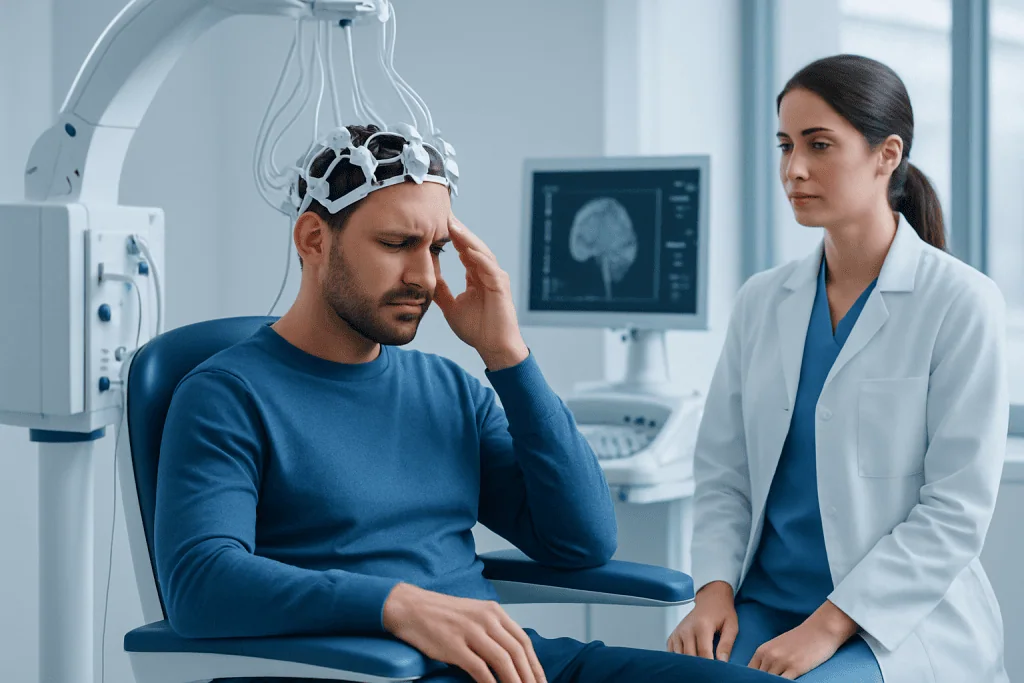
Stress activates the body’s alert system. In the short term, this response can be helpful, making a person more focused or ready to react. However, when stress continues for long periods, it may contribute to muscle tension, headaches, poor sleep, irritability, forgetfulness, and difficulty concentrating.
Long-lasting stress can also affect physical health. Some people notice changes in appetite, stomach discomfort, a racing heart, fatigue, or feeling tense most of the time. Others may feel emotionally drained, overwhelmed, or less interested in activities they usually enjoy.
Mental health exercises aim to interrupt this cycle. Some techniques calm the nervous system directly, such as slow breathing or muscle relaxation. Others improve awareness and coping, such as mindfulness or journaling. Together, these tools can support healthier responses to everyday pressure.
Common Mental Health Exercises for Stress Reduction

There is no single best exercise for everyone. The most helpful approach is usually the one that feels practical, safe, and easy to repeat. Many people benefit from trying a few methods and choosing the ones that fit their daily life.
Helpful mental health exercises may include:
- Deep breathing: Slow, steady breathing can help lower physical tension and promote calm.
- Mindfulness: Paying attention to the present moment without judgment may reduce racing thoughts.
- Grounding techniques: Noticing sights, sounds, or physical sensations can bring attention away from worry.
- Progressive muscle relaxation: Tensing and then releasing muscle groups may ease body tension.
- Journaling: Writing down thoughts and feelings can improve clarity and emotional processing.
- Gentle movement: Walking, stretching, or yoga may reduce stress and improve mood.
- Self-compassion exercises: Replacing harsh self-talk with kinder language can support resilience.
For some people, stress is closely connected with changes in mood, motivation, or energy. If this becomes persistent, professional evaluation for concerns such as depression may be appropriate. Mental health exercises can still be useful, but they are often most effective as part of a broader care plan.
Breathing, Mindfulness, and Grounding Techniques
Breathing exercises are among the simplest ways to calm the stress response. A person may sit comfortably, relax the shoulders, and breathe in slowly through the nose, then breathe out gently for a little longer than the inhale. Repeating this for a few minutes may reduce the feeling of being overwhelmed and help the body settle.
Mindfulness involves bringing attention to the present moment, such as the breath, sounds in the room, or the sensation of the feet on the floor. The goal is not to stop thoughts completely, but to notice them without becoming pulled into them. This can be especially useful when stress leads to constant mental replay or worry about the future.
Grounding techniques are practical when stress feels intense or scattered. One common method is to name five things that can be seen, four that can be felt, three that can be heard, two that can be smelled, and one that can be tasted. This shifts focus back to the immediate environment and can reduce feelings of panic or mental overload.
These methods are often easy to learn but may become more effective with repetition. Some people prefer guided support through psychotherapy, where a mental health professional can teach coping strategies, identify triggers, and help create a routine that matches individual needs.
Movement, Relaxation, and Expressive Exercises
The mind and body are closely connected, so physical activity can be a valuable stress-reduction tool. Gentle movement such as walking, stretching, tai chi, or yoga may help release tension and improve mood. A person does not need intense exercise to benefit; even short periods of regular movement can support mental well-being.
Progressive muscle relaxation is another useful exercise. It involves tightening one muscle group at a time for a few seconds and then slowly releasing it. This can help a person notice where stress is being held in the body, such as the jaw, shoulders, hands, or stomach.
Expressive exercises can also help. Journaling, drawing, listening to calming music, or writing down worries before bedtime may reduce mental clutter. Gratitude journaling, in particular, can gently shift attention toward supportive or meaningful parts of the day without ignoring real challenges.
For people with ongoing stress-related emotional symptoms, professional support may involve structured therapies and, in some cases, psychiatric care. These approaches can be tailored to the person’s symptoms, medical history, and daily functioning.
How to Build a Daily Stress-Relief Routine
Mental health exercises tend to work best when practiced regularly rather than only during a crisis. A short daily routine can be more sustainable than a long, complicated plan. For example, a person might start the morning with two minutes of deep breathing, take a brief walk during the day, and spend a few minutes journaling in the evening.
Consistency is often more important than intensity. Choosing one or two exercises and repeating them at the same time each day can make the habit easier to maintain. Setting reminders, pairing the exercise with an existing routine, or using a quiet space may also help.
It is useful to notice which techniques feel calming and which do not. Some people prefer movement, while others feel better with stillness, guided meditation, or writing. Mental health exercises should feel supportive, not like another pressure or performance task.
If concentration is difficult or stress is interfering with daily life, assessment and support through psychological counseling may help a person understand patterns, learn coping tools, and build realistic routines for recovery and long-term resilience.
When to Seek Professional Help
Self-care strategies are valuable, but they are not always enough on their own. A person should consider speaking with a doctor or mental health professional if stress is persistent, getting worse, or affecting sleep, appetite, work, school, relationships, or physical health. Professional support can help identify whether stress is part of a temporary life challenge or linked to a mental health condition.
Immediate medical attention is important if stress is accompanied by thoughts of self-harm, hopelessness, severe panic, chest pain, fainting, or inability to carry out basic daily tasks. These symptoms should not be ignored. Timely care can make treatment more effective and provide safety and support.
A clinician may recommend lifestyle changes, structured therapy, medication in some cases, or further assessment depending on the situation. Because stress can overlap with anxiety, depression, trauma, sleep problems, or medical conditions, personalized evaluation is often helpful.
For international patients needing assessment or treatment, Acibadem International’s multidisciplinary specialists and JCI-accredited hospitals provide care for mental health concerns in a coordinated setting.
Frequently asked questions
What are mental health exercises?
Mental health exercises are practical activities that support emotional well-being and help reduce stress. They may include breathing exercises, mindfulness, grounding, relaxation, journaling, and gentle movement.
Can mental health exercises really reduce stress?
Yes, many people find that these techniques help calm the body, improve focus, and reduce feelings of overwhelm. They often work best when practiced regularly and combined with healthy sleep, movement, and social support.
How often should someone practice stress-reduction techniques?
Short daily practice is usually more helpful than occasional long sessions. Even a few minutes once or twice a day may be beneficial if the routine is consistent and realistic.
Which mental health exercise is best for beginners?
Simple slow breathing is often a good starting point because it is easy to learn and can be used almost anywhere. Gentle grounding exercises and brief mindfulness practice are also beginner-friendly.
Are mental health exercises a replacement for therapy or medication?
No, they are supportive tools rather than a complete replacement for professional treatment. If symptoms are severe, long-lasting, or interfere with daily life, a qualified doctor or mental health professional should be consulted.
When should stress be evaluated by a doctor?
A person should seek medical advice if stress is ongoing, worsening, or causing sleep problems, panic, low mood, physical symptoms, or difficulty functioning. Urgent help is needed if there are thoughts of self-harm or an inability to stay safe.
References
- World Health Organization
- National Institute of Mental Health
- American Psychiatric Association
- Centers for Disease Control and Prevention
- National Health Service
This article is for general information only and is not a substitute for professional medical advice. Please consult a qualified doctor about your individual situation.
Explore treatments in Turkey — costs, top hospitals & a free quote
JCI-accredited · board-certified surgeons · reply within 24h
Add us as a Preferred Source to see more of our trusted health content across Google Search, AI Overviews and Discover.