Mental Health Treatment Options: Therapy, Medication, Lifestyle Changes, and When Each Helps

Mental health treatment is not one-size-fits-all; the best plan depends on symptoms, diagnosis, safety, and personal preferences. Psychotherapy can help people understand thoughts, emotions, and behaviors while building practical coping skills.
Key Takeaways
- Mental health treatment is not one-size-fits-all; the best plan depends on symptoms, diagnosis, safety, and personal preferences.
- Psychotherapy can help people understand thoughts, emotions, and behaviors while building practical coping skills.
- Medication may be recommended when symptoms are moderate to severe, long-lasting, or significantly affect sleep, work, relationships, or safety.
- Lifestyle measures such as regular sleep, movement, stress management, and social support can strengthen recovery but may not replace medical care when symptoms are significant.
- A doctor or mental health professional should assess urgent symptoms such as suicidal thoughts, self-harm risk, severe agitation, or loss of touch with reality.
Mental health treatment often works best when it is tailored to the person, their symptoms, and how those symptoms affect daily life. Common options include psychotherapy, medication, lifestyle changes, and combined care, with each approach helping in different situations.
Overview of mental health treatment options
Mental health treatment options are the different ways healthcare professionals help people manage conditions that affect mood, thinking, behavior, and emotional well-being. These options may include psychotherapy, medication, lifestyle changes, social support, and in some cases more structured or intensive care. The right approach depends on the person’s symptoms, medical history, diagnosis, stressors, goals, and how much daily functioning is affected.
Some people benefit from one treatment alone, while others do best with a combination. For example, mild symptoms related to stress may improve with therapy, sleep support, and healthier routines. More persistent or severe symptoms, such as major depression, panic attacks, bipolar disorder, or psychosis, may need medication alongside therapy and close follow-up.
It is also important to remember that mental health symptoms are real health concerns, not a sign of weakness. Early support can reduce distress, improve quality of life, and help prevent symptoms from becoming more disruptive. A treatment plan can be adjusted over time as symptoms improve or new needs arise.
When treatment may be needed
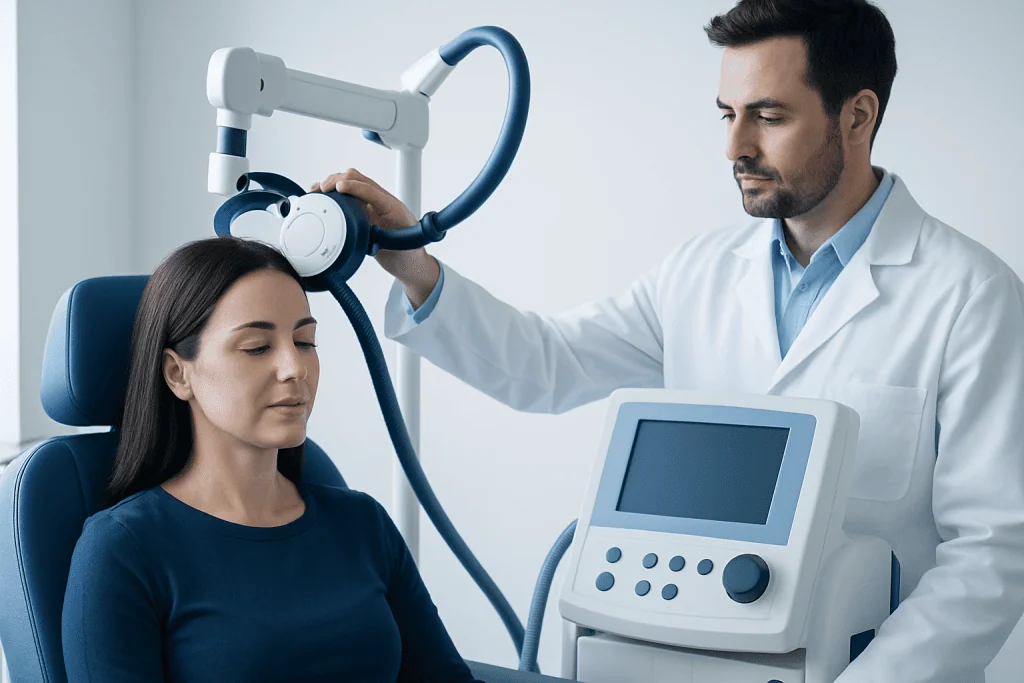
Many people have occasional sadness, stress, worry, or difficulty sleeping, especially during life changes. Treatment may be helpful when these feelings last longer than expected, return often, or begin to interfere with work, school, relationships, physical health, or daily responsibilities. In general, the more persistent, intense, or disabling the symptoms are, the more important a professional assessment becomes.
Common signs that a person may benefit from mental health care include ongoing low mood, loss of interest, frequent anxiety, panic attacks, irritability, severe stress, changes in appetite, poor concentration, disrupted sleep, social withdrawal, or trouble coping with normal demands. Mental health support may also be appropriate after trauma, grief, chronic illness, or major life events.
Urgent assessment is especially important if there are thoughts of self-harm or suicide, extreme hopelessness, confusion, hallucinations, delusions, dramatic mood swings, inability to care for basic needs, or substance use that is worsening mental health symptoms. In these situations, immediate help from emergency services or a qualified mental health professional is important.
Psychotherapy: how talking treatments help

Psychotherapy, often called talk therapy, is one of the main mental health treatment options. It involves structured conversations with a trained professional such as a psychologist, psychiatrist, counselor, or psychotherapist. Therapy can help people identify patterns in thoughts, emotions, and behavior, understand the effects of past and present stressors, and learn healthier ways to respond.
Different types of therapy are used for different needs. Cognitive behavioral therapy helps people notice unhelpful thinking patterns and replace them with more balanced responses. Interpersonal therapy focuses on relationships and communication. Other approaches may address trauma, family dynamics, emotional regulation, or problem-solving. Therapy can be one-to-one, with a couple or family, or in a group setting.
Psychotherapy may be especially helpful for mild to moderate anxiety or depression, stress-related difficulties, grief, adjustment problems, trauma-related symptoms, and relationship concerns. It can also support people living with longer-term conditions by improving coping skills, treatment adherence, and self-awareness. Progress may be gradual, and it often depends on regular attendance, trust, and active participation between sessions.
Therapy does not always mean talking only about the past. Many forms are practical and goal-oriented, with exercises that support daily life. These may include relaxation techniques, journaling, communication practice, behavioral strategies, or plans for handling triggers and warning signs.
Medication: when it may help and what to expect
Medication can be an important part of treatment when symptoms are moderate to severe, last for a long time, recur frequently, or greatly affect functioning and safety. Doctors may prescribe medicines to help with depression, anxiety disorders, obsessive-compulsive disorder, bipolar disorder, attention-related symptoms, psychosis, or severe sleep disturbance related to a mental health condition. Medication is usually selected after reviewing symptoms, medical history, current medicines, and possible side effects.
Psychiatric medication does not change a person’s character or solve life problems on its own. Instead, it may reduce the intensity of symptoms so the person can sleep better, think more clearly, function more consistently, and engage more effectively in therapy and daily routines. Some medicines start helping within days for certain symptoms, while others may take several weeks to show full benefit.
Like all medical treatments, psychiatric medicines can have side effects, and different people respond differently. This is why follow-up is important. A doctor may adjust the dose, switch to another medicine, or recommend combined treatment if the first plan is not effective enough or causes troublesome side effects. Patients should not stop prescription medication suddenly without medical advice, as this can lead to withdrawal symptoms or symptom return.
Medication is often most helpful when it is part of a broader care plan. For example, someone with persistent depression may do better with medication plus therapy than with either one alone. Regular review helps ensure that treatment remains appropriate as symptoms change over time.
Lifestyle changes and self-care in mental health
Lifestyle changes are not a replacement for professional care in every case, but they are a valuable part of many treatment plans. Daily habits affect sleep, stress hormones, energy, concentration, and mood. Improving routines can support recovery, strengthen resilience, and help reduce the chance of relapse.
Helpful self-care measures often include maintaining a regular sleep schedule, eating balanced meals, staying physically active, limiting alcohol and recreational drugs, reducing excess caffeine when it worsens anxiety or sleep, and making time for rest and meaningful social contact. Relaxation practices such as breathing exercises, mindfulness, prayer, stretching, or time in nature may also help some people feel calmer and more grounded.
It is important to set realistic expectations. Lifestyle changes can make a noticeable difference for mild symptoms and can enhance formal treatment, but they may not be enough on their own for severe depression, disabling anxiety, bipolar disorder, psychosis, eating disorders, or active self-harm risk. In these situations, self-care should support, not replace, medical and psychological treatment.
- Prioritize consistent sleep and waking times.
- Include regular movement that feels safe and manageable.
- Stay connected with trusted family members or friends.
- Notice patterns between stress, symptoms, and daily habits.
- Seek professional help if symptoms persist or worsen despite self-care.
Combined care and more intensive treatment options
For many people, the most effective approach is combined care. This often means psychotherapy together with medication, plus lifestyle support and regular follow-up. Combined treatment may be particularly helpful when symptoms are longstanding, when there is only partial improvement with one approach, or when a condition significantly affects work, study, relationships, or physical health.
Some people may need more intensive support than standard outpatient visits. Depending on symptoms and safety needs, care might include day programs, crisis services, inpatient care, substance use treatment, or coordinated support from several professionals. A team may include a psychiatrist, psychologist, primary care doctor, nurse, social worker, occupational therapist, or family therapist.
Treatment plans are also shaped by the specific diagnosis. A person with depression may need a different plan from someone with bipolar disorder, panic disorder, trauma-related symptoms, or schizophrenia. When needed, doctors may recommend assessments for related concerns such as sleep disorders, thyroid disease, chronic pain, neurological conditions, or substance use, because these can affect mental health symptoms and treatment response.
Near the end of the care pathway, some patients may also benefit from specialist services for conditions such as depression or anxiety disorders when symptoms are more complex or persistent. Acibadem International’s multidisciplinary specialists in JCI-accredited hospitals also diagnose and treat mental health conditions for international patients when expert evaluation and coordinated care are needed.
How doctors choose the right treatment
Choosing among mental health treatment options starts with a careful assessment. A clinician will usually ask about symptoms, how long they have been present, whether they come and go, what triggers or relieves them, and how they affect sleep, concentration, work, school, and relationships. They may also ask about past treatment, trauma history, physical health, medication use, alcohol or drug use, and family history of mental health conditions.
Diagnosis matters because treatment that helps one condition may be less suitable for another. For example, panic attacks, depression, grief, and bipolar disorder can all affect mood and functioning, but they are managed differently. Doctors also consider urgency: active suicidal thoughts, psychosis, or severe inability to function may require immediate or intensive intervention rather than routine follow-up.
Patient preferences are important as well. Some people are open to medication, while others prefer to begin with therapy if symptoms are mild and it is safe to do so. Others may value a combined approach from the start. A good plan should be collaborative, realistic, and reviewed over time rather than fixed permanently.
When to see a doctor or mental health professional
A doctor or mental health professional should be consulted when emotional or behavioral symptoms last more than a few weeks, return frequently, or interfere with daily life. This includes symptoms that affect work, school performance, relationships, sleep, appetite, concentration, or the ability to enjoy normal activities. Early care can make treatment simpler and recovery smoother.
Prompt evaluation is also important if symptoms follow childbirth, trauma, bereavement, a major illness, or a sudden change in functioning. Children, adolescents, and older adults may show mental health symptoms differently, so changes in behavior, withdrawal, decline in self-care, or confusion should not be ignored.
Emergency help is needed if there are suicidal thoughts, self-harm behavior, threats of harm to others, hallucinations, severe confusion, inability to stay safe, or suspected overdose or intoxication. In these situations, the person should seek immediate emergency care rather than waiting for a routine appointment.
Frequently asked questions
What are the main mental health treatment options?
The main mental health treatment options are psychotherapy, medication, lifestyle changes, and supportive or combined care. The best choice depends on the person’s symptoms, diagnosis, level of distress, and how much daily life is affected.
Is therapy enough without medication?
For some people, yes. Therapy alone may be effective for mild to moderate symptoms, stress-related problems, grief, or certain anxiety and mood concerns. If symptoms are severe, long-lasting, or affecting safety and functioning, medication or more intensive care may also be needed.
When is medication usually recommended for mental health?
Medication is often considered when symptoms are moderate to severe, persist despite therapy or self-care, or seriously affect sleep, work, relationships, or safety. It may also be important for conditions such as bipolar disorder, psychosis, severe depression, or disabling anxiety.
Can lifestyle changes really improve mental health?
Healthy routines can make a meaningful difference. Good sleep, regular movement, balanced nutrition, stress management, and social support may improve mood, energy, and resilience. However, they may not be enough on their own for more serious mental health conditions.
How long does mental health treatment take to work?
The timeline varies by person and treatment type. Some people notice early benefit from therapy skills or better routines within weeks, while certain medications may take several weeks to reach full effect. Treatment is usually reviewed and adjusted based on progress and side effects.
How does a doctor decide which treatment is best?
A doctor considers symptoms, diagnosis, duration, severity, medical history, substance use, safety concerns, and patient preferences. The goal is to create a treatment plan that is both effective and practical, with regular follow-up to make changes if needed.
References
- World Health Organization
- National Institute of Mental Health
- American Psychiatric Association
- National Health Service
- Centers for Disease Control and Prevention
This article is for general information only and is not a substitute for professional medical advice. Please consult a qualified doctor about your individual situation.
Explore treatments in Turkey — costs, top hospitals & a free quote
JCI-accredited · board-certified surgeons · reply within 24h
Add us as a Preferred Source to see more of our trusted health content across Google Search, AI Overviews and Discover.