

Mesothelioma Radiation: How It Works, Results and What to Expect
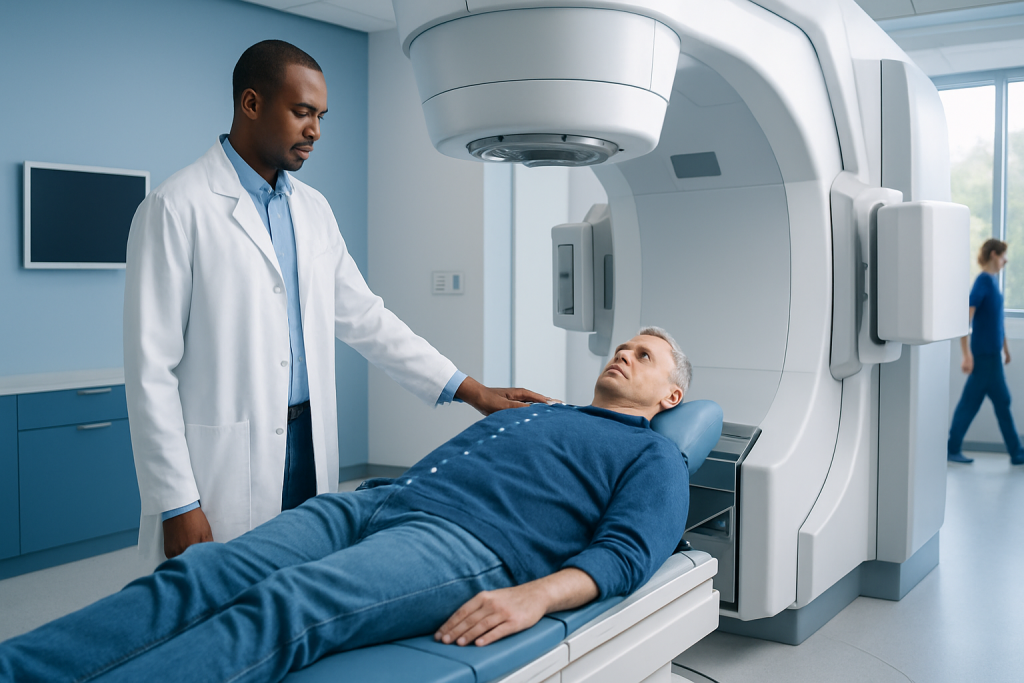
Mesothelioma radiation is individualized according to tumor location, disease stage, symptoms, and overall health. External-beam radiation therapy is the most commonly used approach for mesothelioma.
Key Takeaways
- Mesothelioma radiation is individualized according to tumor location, disease stage, symptoms, and overall health.
- External-beam radiation therapy is the most commonly used approach for mesothelioma.
- Radiation may help reduce local recurrence after surgery or provide symptom relief when cure is not possible.
- Treatment is painless during each session, but fatigue and skin changes can develop gradually.
- Expected benefit and risks should be reviewed by a multidisciplinary cancer team because the lungs, heart, and esophagus may be close to the treatment area.
Mesothelioma radiation is a carefully planned treatment that directs high-energy radiation at cancer tissue while protecting nearby organs as much as possible. It may be used after surgery, with other treatments, or to relieve symptoms such as pain, pressure, or breathing difficulty.
Overview: How mesothelioma radiation works
Mesothelioma radiation uses high-energy beams, most often X-rays, to damage the DNA of cancer cells so they cannot continue dividing. Healthy cells in the treatment field can also be affected, but they usually repair damage more effectively than cancer cells. Radiation oncologists use detailed imaging and computerized planning to shape and direct the beams as precisely as possible.
For pleural mesothelioma, which affects the lining around the lungs, radiation can be challenging because tumors may lie close to healthy lung tissue, the heart, esophagus, spinal cord, and liver. It is therefore usually part of a personalized treatment plan rather than a stand-alone approach. The goals may include treating remaining microscopic cancer after surgery, controlling a localized area of disease, or easing symptoms caused by tumor growth.
Mesothelioma is an uncommon cancer, and care is ideally coordinated by clinicians experienced in thoracic cancers. For background on the disease, patients may find mesothelioma information helpful when discussing options with their care team.
What type of radiation therapy is used to treat mesothelioma?
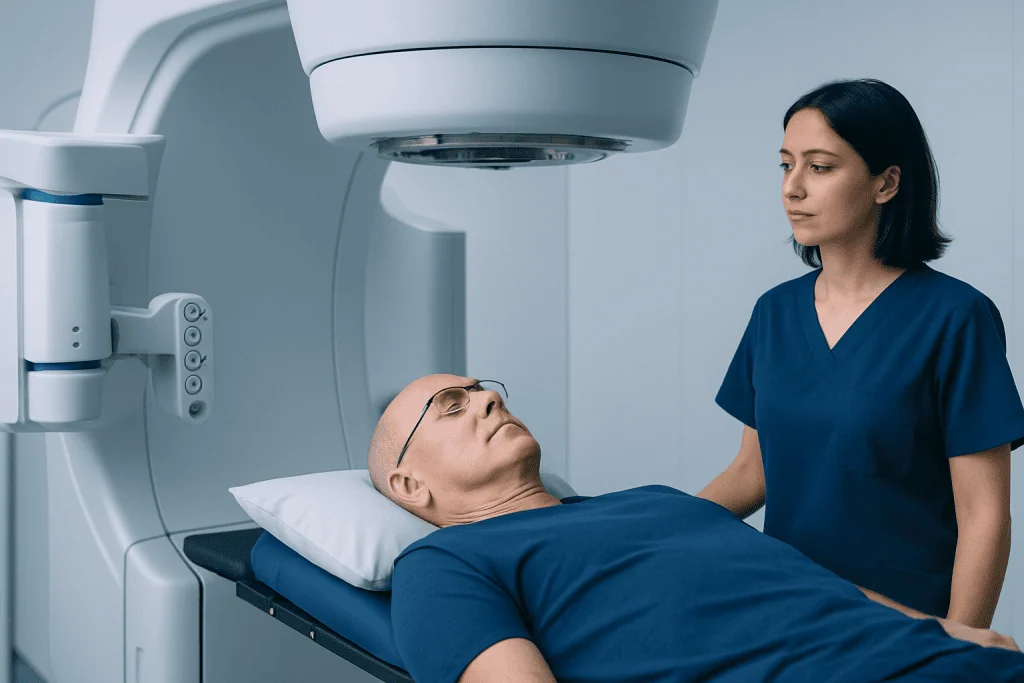
External-beam radiation therapy is the main type of radiation used for mesothelioma. A treatment machine outside the body delivers radiation from several angles while the patient lies still on a treatment table. Modern techniques such as three-dimensional conformal radiation therapy, intensity-modulated radiation therapy (IMRT), and image-guided radiation therapy can help match the radiation dose to the target more closely.
IMRT may be considered when a complex target needs treatment near sensitive organs. Image guidance, often using scans taken during treatment visits, helps confirm positioning and account for normal day-to-day changes in the body. Some specialist centers may also consider proton therapy in selected circumstances, although its suitability and availability vary.
Internal radiation, also called brachytherapy, is not a routine treatment for pleural mesothelioma. The choice of technique depends on whether the aim is postoperative treatment, local tumor control, or symptom palliation, as well as the amount of functioning lung remaining and prior therapies.
Who may be a candidate for radiation therapy?

Candidacy for mesothelioma radiation depends on the type and extent of mesothelioma, where disease is located, prior treatment, lung and heart function, symptoms, and personal treatment goals. Patients with potentially operable pleural mesothelioma may receive radiation after surgery in selected treatment plans. Others may be offered a shorter, symptom-focused course to reduce pain, pressure, bleeding, or obstruction caused by a tumor.
Radiation is not appropriate for every person with mesothelioma. For example, extensive disease affecting large areas of both lungs or patients with limited ability to tolerate radiation to the chest may face higher risks. The care team considers whether the expected benefit outweighs the possibility of side effects, particularly inflammation or injury to healthy lung tissue.
Decisions are commonly made in a multidisciplinary meeting that includes a medical oncologist, radiation oncologist, thoracic surgeon, radiologist, pathologist, pulmonologist, and supportive-care professionals. Systemic treatments such as chemotherapy or immunotherapy may also be important parts of care, depending on the situation.
What happens during the mesothelioma radiation procedure?
Before treatment begins, the patient attends a planning appointment called simulation. A CT scan is taken in the treatment position, often with supports or a custom device to help maintain the same position at every visit. The team may use small skin marks or other alignment methods, and breathing motion may be assessed because chest tumors move as a person breathes.
After simulation, the radiation oncologist and medical physics team create a plan that identifies the target and sets limits for nearby healthy organs. This planning process can take several days or longer. The team reviews the plan carefully before treatment starts.
At each session, radiation therapists help position the patient and use imaging to confirm alignment. The machine may rotate around the treatment table, but it does not touch the patient and treatment itself is painless. A full visit may take longer because of setup and imaging, while the radiation delivery usually takes only minutes. Courses range from a few sessions for symptom relief to several weeks for more intensive treatment.
Patients considering treatment can discuss radiotherapy planning, supportive care, and follow-up arrangements with their oncology team.
Benefits, risks and recovery timeline
The possible benefits of mesothelioma radiation depend on its purpose. After surgery, it may help address cancer cells that could remain in the treated area. When used for symptom control, it may reduce pain or pressure related to tumor involvement, although relief may take days to weeks and varies between individuals. Radiation does not treat cancer cells outside the radiation field, so it may be combined with other therapies when appropriate.
Common short-term effects after chest radiation include tiredness, mild skin redness or sensitivity in the treatment area, and temporary irritation of the throat or esophagus that can make swallowing uncomfortable. Cough or shortness of breath can occur, but these symptoms should always be reported because they can have several causes in people with mesothelioma.
Less common but important risks include inflammation of the lung, known as radiation pneumonitis, which can occur weeks to months after treatment. Longer-term effects may include lung scarring, persistent swallowing problems, or effects on nearby structures. The likelihood depends on the dose, technique, treated area, previous surgery or treatments, and underlying health.
Recovery is gradual rather than immediate. Many people continue usual light activities during treatment, with rest periods as needed. Fatigue may build over the course of therapy and can last for several weeks afterward. Follow-up appointments and imaging help the team assess response, manage side effects, and plan further care.
How will I feel after 5 days of radiotherapy?
After five days of radiotherapy, many people feel little change or notice mild fatigue. Side effects often develop gradually because healthy tissues need time to respond to radiation. Some patients may have mild skin warmth or redness in the treated area, a dry cough, or throat discomfort if the esophagus is near the treatment field.
How a person feels depends on the treatment area, daily dose, overall course length, other medications or therapies, nutrition, sleep, and the effects of mesothelioma itself. The radiation team should be told about any new or worsening symptoms, including fever, chest pain, increasing breathlessness, difficulty swallowing, dehydration, or a cough that is worsening.
Practical measures can include resting when needed, drinking fluids unless a clinician has advised otherwise, choosing soft foods if swallowing is sore, and using only skin products recommended by the radiation team. Avoiding smoking is especially important because it can worsen lung irritation and reduce overall health.
What is the survival rate for mesothelioma patients? What is life expectancy after radiation therapy?
There is no single survival rate or life-expectancy figure that can accurately predict what will happen for an individual with mesothelioma. Outcomes differ substantially according to whether the disease is pleural or peritoneal, the cell type seen under the microscope, stage, overall fitness, response to treatment, and access to appropriate multidisciplinary care. Published survival statistics describe groups of patients treated in earlier time periods and cannot determine an individual prognosis.
Radiation therapy alone does not define life expectancy. It is often used as one part of a wider plan, and its effect depends on why it is being given. For some people it supports local control after surgery; for others it is used primarily to reduce symptoms and preserve comfort and function. The treating oncologist is best placed to explain what radiation may realistically contribute in an individual situation.
Patients may find it helpful to ask their team about the goal of treatment, what signs will be used to judge benefit, expected side effects, and other treatment or supportive-care options. Palliative care can be introduced alongside active cancer treatment at any stage to help manage symptoms, emotional concerns, and practical needs.
When to seek medical care
A person receiving mesothelioma radiation should contact their oncology team promptly if they develop increasing shortness of breath, chest pain, a new fever, coughing up blood, severe weakness, inability to drink enough fluids, or painful swallowing that limits eating. These symptoms are not always caused by radiation, but timely assessment is important because infection, fluid around the lung, blood clots, tumor-related problems, or treatment effects may need care.
Emergency medical care is needed for severe trouble breathing, sudden chest pain, fainting, confusion, blue or gray lips, or significant bleeding. Patients should follow the urgent-contact instructions provided by their cancer center, including out-of-hours guidance.
Acibadem International’s multidisciplinary specialists and JCI-accredited hospitals diagnose and treat mesothelioma for international patients. A radiation oncologist can help patients understand whether radiation is appropriate and how it may fit with surgery, systemic treatment, symptom management, and follow-up care.
Frequently asked questions
Is mesothelioma radiation painful?
Radiation delivery itself is painless. The patient does not feel the beams as they are delivered, although lying in the treatment position can be uncomfortable for some people. Side effects such as tiredness, skin irritation, or swallowing discomfort may develop later and can usually be managed with support from the treatment team.
Can radiation therapy cure mesothelioma?
Radiation therapy is usually one component of mesothelioma treatment rather than a cure by itself. In selected cases, it may be used after surgery as part of an intensive plan aimed at local disease control. In other situations, its main role is to relieve symptoms or slow growth in a specific area.
How long does radiation therapy for mesothelioma take?
The length of treatment varies according to the goal and the technique used. Symptom-focused treatment may be given over a small number of visits, while postoperative or more complex treatment may require daily weekday sessions over several weeks. The radiation oncology team explains the expected schedule before treatment begins.
When do radiation side effects start?
Some people notice effects within the first week, but many side effects build gradually during treatment or shortly afterward. Tiredness and skin reactions commonly become more noticeable after repeated sessions. Certain lung-related effects can appear weeks or months later, so follow-up remains important.
Can I work or exercise during mesothelioma radiation?
Many patients can continue some usual activities, but energy levels may change over the treatment course. Gentle movement may be beneficial when approved by the care team, while strenuous activity may need adjustment if breathing symptoms or fatigue increase. Patients should discuss work, travel, and exercise plans with their clinicians.
What should I avoid during chest radiation therapy?
Patients should avoid smoking and should not apply creams, perfumes, adhesive products, or heat packs to the treatment area unless the radiation team approves them. It is also important not to miss appointments without discussing it with the team. Any supplements or new medicines should be reviewed because they may affect treatment or side-effect management.
References
- National Cancer Institute
- American Cancer Society
- National Comprehensive Cancer Network
- American Society for Radiation Oncology
- European Society for Medical Oncology
This article is for general information only and is not a substitute for professional medical advice. Please consult a qualified doctor about your individual situation.
Oncology care in Turkey — second opinion and treatment plan
JCI-accredited · board-certified surgeons · reply within 24h
Add us as a Preferred Source to see more of our trusted health content across Google Search, AI Overviews and Discover.

More from the Health Library
Related Specialists

Assoc. Prof. Dr. Semiha Urvay
Medical Oncology
Dr. Bilgiye Ergin
Gynecology & Obstetrics
Assoc. Prof. Dr. Mustafa Seçkin
Neurology
Dr. Nuri Soysal
Aesthetic Plastic & Reconstructive Surgery