Metallic Taste in Mouth Pregnancy: What Is Normal, What Is Not, and When to Seek Care

A metallic or bitter taste is a common pregnancy symptom, often beginning in early pregnancy. Hormonal changes can alter taste and smell perception, a phenomenon called dysgeusia.
Key Takeaways
- A metallic or bitter taste is a common pregnancy symptom, often beginning in early pregnancy.
- Hormonal changes can alter taste and smell perception, a phenomenon called dysgeusia.
- The symptom is usually temporary and often improves later in pregnancy or after birth.
- Good hydration, gentle oral hygiene, and small frequent meals may reduce the unpleasant taste.
- Medical advice is important if the taste change is severe, persistent, or occurs with concerning symptoms such as vomiting, mouth pain, or neurological changes.
A metallic taste in the mouth during pregnancy is common and is usually linked to normal hormonal changes, particularly in the first trimester. Simple measures such as hydration, regular oral care, and choosing foods that taste appealing can help, while persistent symptoms or symptoms alongside illness should be discussed with a maternity care professional.
Overview: Is a Metallic Taste Normal in Pregnancy?
A metallic taste in mouth pregnancy is usually a normal, temporary symptom. Many pregnant people describe it as tasting like coins, iron, bitterness, or an unfamiliar chemical flavor. It is most often related to the body’s hormonal changes and can occur even when there is no problem with the teeth, mouth, or pregnancy.
This taste change is medically known as dysgeusia, meaning an altered sense of taste. It commonly appears in the first trimester, sometimes alongside nausea, food aversions, or a heightened sense of smell. Although it can be frustrating, it does not usually harm the pregnant person or the developing baby.
Symptoms vary widely. For some people, the metallic flavor comes and goes; for others, it is most noticeable after waking, after eating certain foods, or when taking prenatal vitamins. In many cases it becomes less noticeable as pregnancy progresses, though timing differs from person to person.
Why Pregnancy Can Change the Sense of Taste
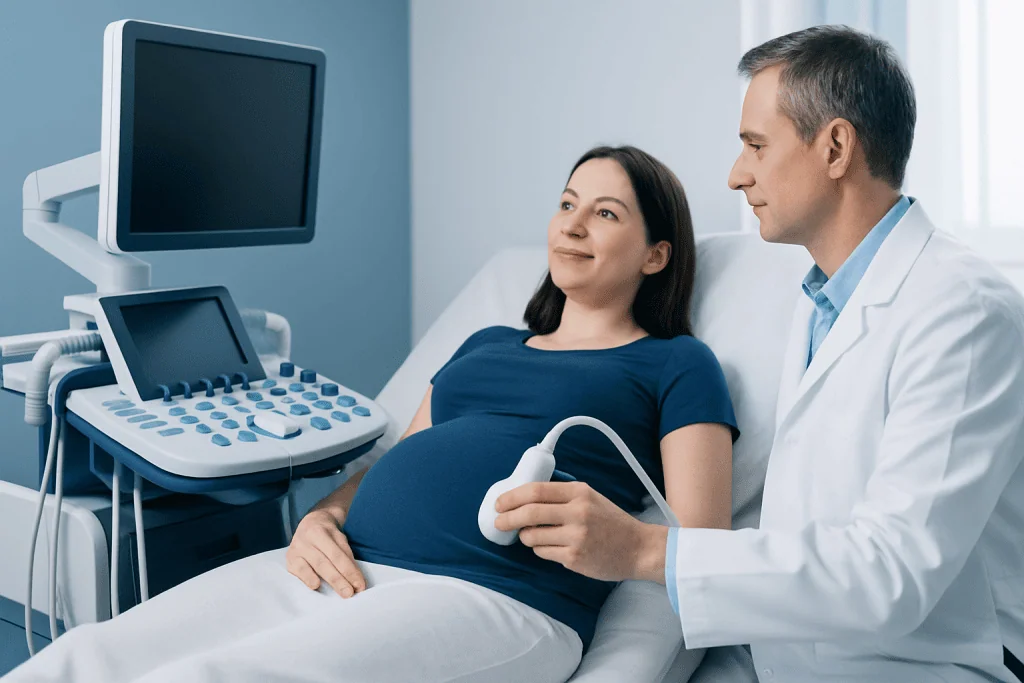
Pregnancy changes the way the brain and sensory system process taste and smell. Rising levels of hormones, including estrogen and progesterone, are thought to influence taste receptors and saliva. A more sensitive sense of smell may also make flavors seem stronger or less pleasant, contributing to the impression of a metallic or bitter taste.
Nausea and reflux can add to the problem. Stomach acid that reaches the throat or mouth may leave a sour, bitter, or metallic aftertaste. Dry mouth, which may occur with dehydration, vomiting, mouth breathing, or some medicines, can also change how food and drinks taste.
Not every taste change is caused only by hormones. Pregnancy can make existing dental or gum concerns more noticeable, and iron-containing prenatal supplements may leave a metallic taste in some people. A clinician can help assess whether a supplement, oral health issue, reflux, or another factor is contributing.
What It May Feel Like and When It Often Starts

A metallic taste can be present without eating or drinking, or it may appear after meals. Some people notice that plain water, coffee, meat, or foods with strong odors taste especially unpleasant. Others find that foods they previously enjoyed suddenly taste different, less flavorful, or overly salty or bitter.
The symptom may begin very early in pregnancy and is frequently reported during the first trimester. It may occur with other early changes, including tiredness, breast tenderness, nausea, increased saliva, or sensitivity to smells. However, a metallic taste alone cannot confirm pregnancy; a missed period should be checked with an appropriate pregnancy test and medical guidance.
A changed taste sensation does not reliably indicate the baby’s sex, nutritional needs, or pregnancy outcome. It is best understood as one of several possible sensory changes during pregnancy, rather than as a sign that something specific is happening with the baby.
Other Possible Causes to Consider
Although hormone-related dysgeusia is common, other causes are possible. Gingivitis, gum bleeding, tooth decay, oral infections, and poor-fitting dental restorations can affect taste. Pregnancy can increase gum sensitivity and bleeding, so routine dental care and gentle daily oral hygiene remain important.
Acid reflux, sinus congestion, allergies, colds, and some infections can also change taste and smell. In addition, certain medications and supplements may cause a metallic taste. Iron, calcium, and some multivitamin preparations are common examples, but pregnant people should not stop prescribed medicines or prenatal vitamins without first speaking to their obstetric clinician.
Less commonly, altered taste may be associated with nutritional deficiencies, diabetes, liver or kidney conditions, or neurological illness. These causes are not assumed simply because a metallic taste is present. They are considered when symptoms are prolonged, unusual, severe, or accompanied by other changes that need assessment.
Practical Ways to Manage a Metallic Taste
There is no single remedy that works for everyone, but small adjustments often make the symptom more manageable. Drinking water regularly can help reduce dry mouth and rinse away lingering flavors. Some people prefer chilled water, ice chips, or water flavored with a slice of lemon, lime, cucumber, or mint, provided these choices do not worsen nausea or reflux.
Eating small, regular meals may reduce nausea and prevent an empty stomach from intensifying an unpleasant taste. Cold foods may be easier to tolerate because they usually have less aroma than hot foods. Fresh fruit, crunchy vegetables, plain crackers, yogurt, or foods with mild flavors can be useful options depending on individual tolerance and dietary needs.
Consistent oral care is also helpful. Brushing gently with fluoride toothpaste twice daily, cleaning between the teeth, and rinsing the mouth after meals may improve freshness. A mild salt-water rinse can be soothing for some people; it should be spit out rather than swallowed. Sugar-free gum or sugar-free lozenges may stimulate saliva, but should be avoided if they trigger nausea, jaw discomfort, or heartburn.
If a prenatal vitamin seems to trigger the taste, a clinician or pharmacist may suggest taking it with food, at a different time of day, or considering another suitable formulation. It is important not to replace or discontinue prenatal supplements independently, because folic acid and other nutrients can be important during pregnancy.
When to Seek Medical Care
A metallic taste alone is rarely urgent. It is appropriate to mention it at a routine prenatal appointment, especially if it is affecting appetite, fluid intake, dental comfort, or day-to-day wellbeing. A doctor, midwife, dentist, or pharmacist can review symptoms, oral health, medicines, and supplements and recommend safe next steps.
Medical advice should be sought sooner if the altered taste is persistent and worsening, begins suddenly later in pregnancy without an obvious explanation, or is accompanied by severe nausea or vomiting, inability to keep fluids down, signs of dehydration, fever, mouth sores, significant gum swelling, tooth pain, or trouble swallowing. Prompt assessment is also important for new severe headache, weakness, confusion, facial drooping, vision changes, or loss of smell after a possible infection.
Anyone with ongoing reflux symptoms, repeated vomiting, or reduced food intake should contact their maternity care team. Early support can help protect hydration, nutrition, and comfort. For international patients, Acibadem International’s multidisciplinary specialists and JCI-accredited hospitals can assess pregnancy-related symptoms and coordinate appropriate care.
Supporting Oral and Pregnancy Health
Regular prenatal visits are the best setting to discuss symptoms, including taste changes that may otherwise seem minor. Keeping a simple note of when the metallic taste occurs, what makes it better or worse, and whether it is linked to vitamins or meals can make the discussion more useful.
Pregnancy is also a good time to maintain preventive dental care. Inform the dentist about the pregnancy and any medicines being taken. Dental professionals can advise on brushing technique, gum bleeding, nausea-related enamel protection, and the timing of any needed treatment.
A balanced eating pattern remains the goal, but perfection is not necessary when nausea or altered taste makes food difficult. Choosing tolerated foods, eating what is manageable in smaller amounts, and asking the maternity team for help if intake becomes limited are practical and safe approaches. In most cases, the metallic taste fades without specific treatment.
Frequently asked questions
How long does a metallic taste last during pregnancy?
It often starts in the first trimester and may improve during the second trimester as hormone levels and nausea patterns change. For some people it lasts longer or comes and goes throughout pregnancy. It typically resolves after delivery, but persistent symptoms should be discussed with a healthcare professional.
Can a metallic taste be an early sign of pregnancy?
It can occur early in pregnancy because hormones may affect taste and smell. However, it is not a reliable sign on its own, as reflux, medications, dental conditions, and infections can also alter taste. A pregnancy test and clinical advice are the appropriate ways to confirm pregnancy.
Does a metallic taste mean I have low iron in pregnancy?
Not necessarily. Iron supplements can sometimes cause a metallic taste, but the symptom alone does not diagnose iron deficiency. Blood tests and a clinician’s assessment are needed to check iron levels and determine whether treatment is necessary.
Should prenatal vitamins be stopped if they cause a metallic taste?
No. Prenatal vitamins should not be stopped without advice from the clinician managing the pregnancy. Taking them with food, changing the time they are taken, or using a different appropriate formulation may help, but any change should be discussed with a doctor, midwife, or pharmacist.
What can I eat to reduce a metallic taste in pregnancy?
Cold or mildly flavored foods may be easier to tolerate, such as yogurt, fruit, vegetables, toast, or plain crackers. Some people find that citrus flavors or sugar-free gum help, while others prefer to avoid acidic foods because of reflux. The best choice is one that supports hydration and nutrition without worsening nausea.
When is a metallic taste in pregnancy a concern?
It should be assessed if it is severe, persistent, or affecting the ability to eat or drink. Contact a healthcare professional promptly if it occurs with severe vomiting, dehydration, fever, significant dental pain, mouth swelling, swallowing problems, or new neurological symptoms such as weakness, confusion, or vision changes.
References
- American College of Obstetricians and Gynecologists
- National Health Service
- American Dental Association
- National Institute of Diabetes and Digestive and Kidney Diseases
- Mayo Clinic
This article is for general information only and is not a substitute for professional medical advice. Please consult a qualified doctor about your individual situation.
Explore treatments in Turkey — costs, top hospitals & a free quote
JCI-accredited · board-certified surgeons · reply within 24h
Add us as a Preferred Source to see more of our trusted health content across Google Search, AI Overviews and Discover.

More from the Health Library



Related Specialists

Dr. Zeynel Sütoluk
Emergency Service
Dt. Anıl Yavuzyılmaz
Oral & Dental Health
Dt. Hakan Karagözoğlu
Oral Dental & Maxillofacial Surgery
Prof. Dr. Ülkü Tuncer
Otorhinolaryngology