Microcurrent Facial: What Patients Need to Know
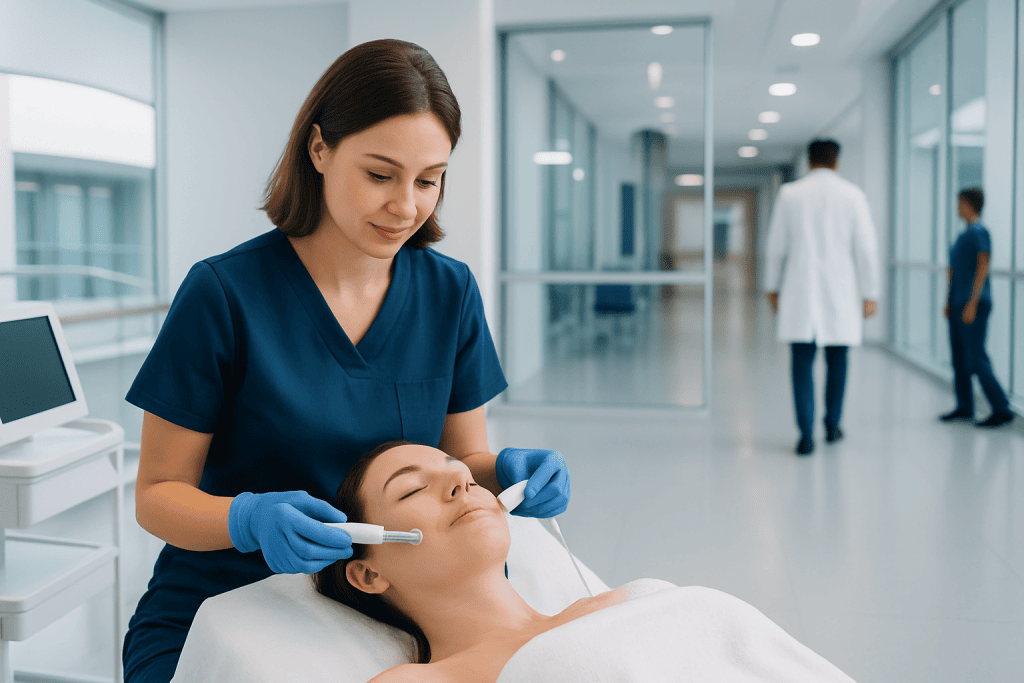
A microcurrent facial uses low-level electrical currents to stimulate facial tissues. Most people seek it for temporary lifting, toning, and a refreshed appearance.
Key Takeaways
- A microcurrent facial uses low-level electrical currents to stimulate facial tissues.
- Most people seek it for temporary lifting, toning, and a refreshed appearance.
- Results are usually subtle and often require repeated sessions to maintain.
- People with certain implanted medical devices or specific health conditions may need to avoid it.
- A qualified clinician can help decide whether it is appropriate and safe.
A microcurrent facial is a noninvasive cosmetic treatment that uses very low electrical currents on the face to create a temporary toned, lifted appearance. It is generally considered low risk when performed appropriately, but results are modest, not permanent, and it is not suitable for everyone.
Overview: What a Microcurrent Facial Is
A microcurrent facial is a noninvasive aesthetic treatment that delivers very low-level electrical currents to the skin and underlying facial muscles. Patients usually choose it to improve the appearance of facial tone, mild puffiness, and overall skin freshness without surgery or injections. The treatment is often described as a gentle procedure, and many people return to normal activities immediately afterward.
Unlike procedures that remove skin layers or add volume, a microcurrent facial is designed to stimulate tissue temporarily rather than reshape the face. This makes it different from options such as Botox treatment or dermal fillers, which work through different mechanisms and have different goals. A microcurrent facial is best understood as a supportive cosmetic treatment rather than a replacement for more definitive medical or surgical interventions.
Results vary from person to person. Some patients notice a short-term lifted or more defined appearance after a session, while others see more subtle changes over a series of treatments. Expectations matter: the effect is typically modest, and maintenance sessions are commonly needed to sustain any visible benefit.
How It Works and What to Expect During Treatment
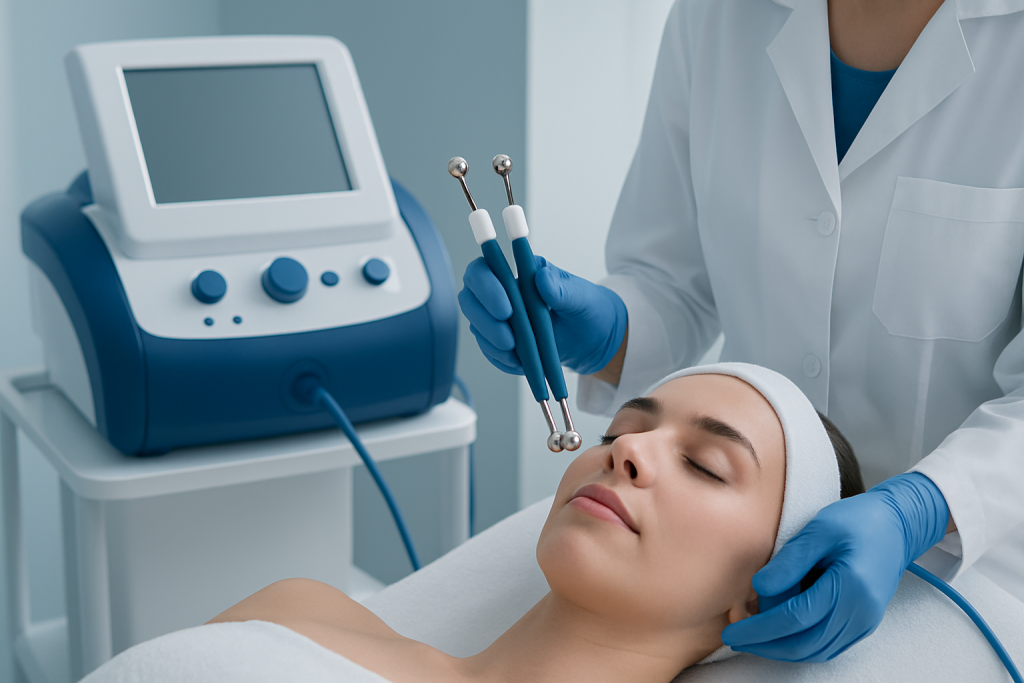
Microcurrent devices deliver tiny electrical impulses through handheld probes or gloves placed on the skin. These currents are intended to stimulate facial muscles and may also affect circulation and the movement of fluid in superficial tissues. During the session, a conductive gel is usually applied so the device can glide smoothly and deliver current evenly.
A treatment session commonly focuses on areas such as the forehead, cheeks, jawline, and around the eyes. Patients may feel a mild tingling sensation, a metallic taste, or very small muscle twitches, although some feel very little at all. The procedure is usually well tolerated when settings are appropriate and the skin is properly prepared.
After treatment, the skin may look slightly flushed for a short time, but there is usually little to no downtime. Because the treatment is nonablative, it does not create the same recovery period associated with more intensive resurfacing procedures such as laser skin resurfacing. Providers may recommend a course of repeated sessions over several weeks, followed by maintenance visits if the patient wants ongoing effects.
Potential Benefits and Realistic Results

The main appeal of a microcurrent facial is that it may create a temporary improvement in facial contour, tone, and brightness without needles or surgery. Some patients report that their face looks more rested, with subtle lifting around the cheeks, brows, or jawline. It may also be used as part of a broader skincare plan for people who want a conservative, low-downtime option.
However, a balanced view is important. Evidence for long-term structural change is limited, and the treatment should not be presented as a way to reverse significant skin laxity or aging. It may be more helpful for mild cosmetic concerns than for pronounced sagging, deep wrinkles, or medical skin conditions.
Patients are often happiest when they view the treatment as one part of a plan that also includes sun protection, skincare, and healthy lifestyle habits. If the main concern is persistent skin disease rather than cosmetic appearance, evaluation for conditions such as acne or other dermatologic issues may be more appropriate before considering aesthetic treatments.
- Possible short-term benefits include a more toned appearance
- Results are usually subtle rather than dramatic
- Effects often fade without repeat sessions
- Best candidates generally have mild cosmetic concerns and realistic expectations
Who May Be a Good Candidate and Who Should Avoid It
A microcurrent facial may suit adults who want a gentle, noninvasive cosmetic treatment and understand that results are usually temporary. It can be considered by people who prefer to avoid downtime or who are not ready for more invasive procedures. A professional assessment can help identify whether the concern is mainly cosmetic or whether a skin or medical condition should be addressed first.
Not everyone is an ideal candidate. People with implanted electrical devices, such as pacemakers, are commonly advised to avoid microcurrent treatments unless a qualified physician specifically confirms safety. Caution may also be needed for people with seizure disorders, certain heart rhythm conditions, active skin infections, open wounds, or severe inflammatory skin disease in the treatment area.
Pregnancy-related guidance varies by device and provider policy, so patients should discuss this in advance. Anyone with a history of facial surgery, injectable treatments, nerve disorders, or a known skin condition such as eczema should tell the treating clinician before the session. This helps reduce the chance of irritation, discomfort, or a disappointing result.
Risks, Side Effects, and Safety Considerations
A microcurrent facial is generally considered low risk when performed correctly, but it is not completely risk-free. Mild redness, temporary tingling, skin sensitivity, or brief muscle twitching can occur. Some people develop irritation from the conductive gel or from treatment over already sensitive skin.
Improper use of a device, treatment over unsuitable areas, or use on a person with a contraindication may increase the chance of adverse effects. For example, treatment over broken skin or active infection may worsen irritation. If facial pain, persistent redness, burns, new weakness, or concerning symptoms develop after a session, medical evaluation is appropriate.
Safety depends not only on the device but also on correct patient selection and technique. The treatment should not be viewed as a casual beauty step for everyone. A trained professional should ask about medical history, implanted devices, medications, skin conditions, and recent procedures before beginning treatment.
How It Compares With Other Cosmetic Options
Patients often compare a microcurrent facial with other noninvasive or minimally invasive options. Compared with chemical peels, lasers, fillers, or injectable wrinkle treatments, microcurrent is usually gentler and involves less recovery time. The trade-off is that its effects are typically more subtle and shorter lasting.
It may be useful for someone seeking a refreshed look before an event or as a maintenance treatment within a broader skin routine. But if the main concern is pigment change, scarring, deeper wrinkles, or significant laxity, other approaches may be more suitable. In those cases, a dermatologist or plastic surgeon can explain the likely benefits and limitations of different treatments.
When facial aging changes are more advanced, some patients explore procedures that target skin quality or tissue support more directly. A specialist may discuss whether alternatives such as facelift surgery or device-based skin treatments are more appropriate, depending on the person’s goals, anatomy, and medical history.
Self-Care Before and After a Session
Good preparation can help make treatment safer and more comfortable. Patients should arrive with clean skin unless told otherwise and inform the provider about recent procedures, retinoid use, active rashes, or a history of reactions to skincare products. Removing jewelry and discussing any implants or medical devices is also important.
After treatment, gentle skincare is usually recommended. The face should be protected from unnecessary irritation, especially if the skin feels temporarily sensitive. A simple moisturizer and regular sunscreen are often reasonable choices, while harsh exfoliants or strong active products may be best avoided for a short period if the provider advises it.
Longer-term results depend more on consistent skin health habits than on any single session. Helpful measures include:
- Daily broad-spectrum sun protection
- Regular moisturizing suited to the skin type
- Avoiding smoking
- Managing stress and sleep as part of general wellness
- Seeking medical advice for persistent rashes, acne, or unexplained skin changes
When to Seek Medical Care
Medical care should be sought if a person develops unexpected symptoms during or after a microcurrent facial. This includes persistent pain, swelling, blistering, severe redness, signs of infection, new numbness, or facial weakness. These problems are not typical and deserve prompt professional assessment.
It is also wise to consult a doctor before treatment if there is a pacemaker or other implanted electrical device, a seizure disorder, significant heart disease, active skin disease, or recent facial surgery. A clinician can clarify whether the procedure is safe, unnecessary, or likely to be less effective because of an underlying condition.
For patients who want expert evaluation of skin concerns or cosmetic options, multidisciplinary specialists can help identify the safest path forward. Acibadem International’s JCI-accredited hospitals care for international patients and offer assessment by dermatology, plastic surgery, and related teams when a personalized plan is needed.
Frequently asked questions
Does a microcurrent facial really work?
A microcurrent facial may create a temporary improvement in facial tone and a more refreshed appearance for some people. Results are usually subtle and tend to be best for mild cosmetic concerns rather than major lifting or wrinkle reduction.
How long do microcurrent facial results last?
The visible effect often lasts for a limited time and varies from person to person. Many patients need repeated sessions and maintenance treatments if they want ongoing results.
Is a microcurrent facial safe for everyone?
No. People with certain implanted electrical devices, some neurologic or heart conditions, active skin problems, or recent facial procedures may need to avoid it. A proper medical and skin history helps determine whether it is appropriate.
Does a microcurrent facial hurt?
Most people find the treatment comfortable or only mildly noticeable. Some feel tingling, a metallic taste, or slight muscle twitching during the session, but significant pain is not expected.
Can a microcurrent facial replace Botox or fillers?
Usually not. A microcurrent facial works differently and generally produces more modest, temporary cosmetic effects. Botox and fillers address different concerns and may be more effective for dynamic wrinkles or volume loss.
Can people with sensitive skin have a microcurrent facial?
Sometimes, but caution is needed. Sensitive skin can react to the conductive gel or the treatment itself, so a professional assessment is important, especially if there is eczema, rosacea, or active irritation.
This article is for general information only and is not a substitute for professional medical advice. Please consult a qualified doctor about your individual situation.
Explore treatments in Turkey — costs, top hospitals & a free quote
JCI-accredited · board-certified surgeons · reply within 24h
Add us as a Preferred Source to see more of our trusted health content across Google Search, AI Overviews and Discover.

More from the Health Library

Non Latex Condoms: A Complete Medical Overview

Nurotion: An Evidence-Based Guide for Patients

Remission: A Complete Medical Overview

Flower Passion Tea: What Patients Need to Know

Fat Embolism: An Evidence-Based Guide for Patients