

Microscopic Colitis: Symptoms, Causes, and Treatment Options
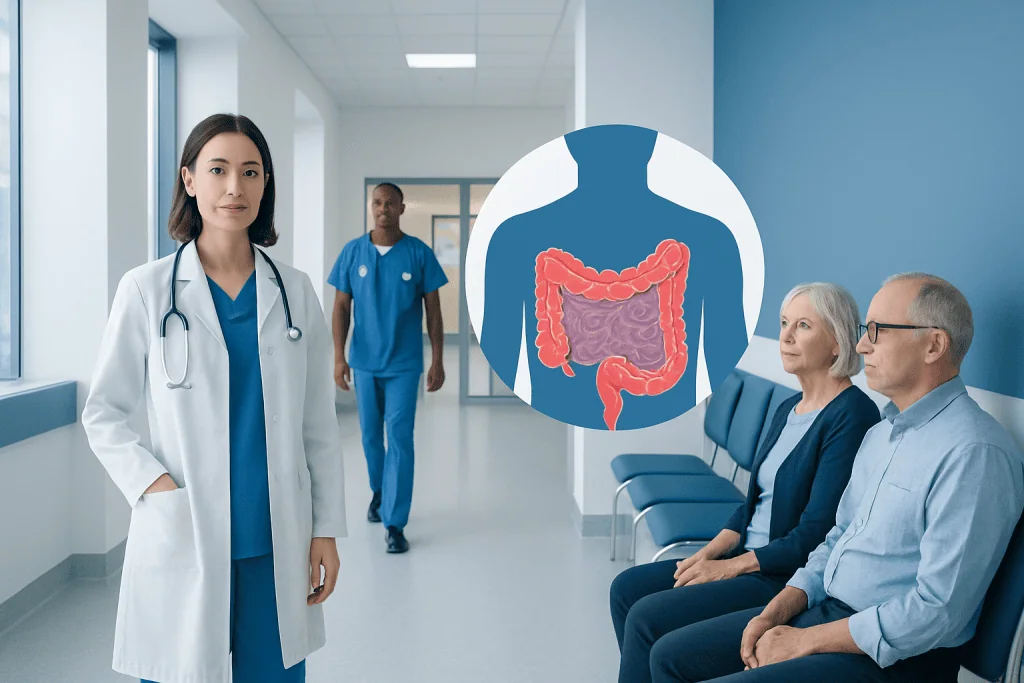
Microscopic colitis usually causes chronic, non-bloody watery diarrhea. The condition includes two main types: collagenous colitis and lymphocytic colitis.
Key Takeaways
- Microscopic colitis usually causes chronic, non-bloody watery diarrhea.
- The condition includes two main types: collagenous colitis and lymphocytic colitis.
- Diagnosis typically requires colonoscopy with biopsies, even when the bowel lining looks normal.
- Treatment may include medication changes, anti-diarrheal therapy, and anti-inflammatory medicines.
- Many people improve with the right treatment and long-term symptom management.
Microscopic colitis is an inflammatory condition of the large intestine that most often causes ongoing watery diarrhea, urgency, and abdominal discomfort. It is called “microscopic” because the colon may look normal during colonoscopy, while inflammation is seen only in tissue samples examined under a microscope.
Overview: what microscopic colitis is
Microscopic colitis is a condition in which the lining of the colon becomes inflamed, leading most commonly to chronic watery diarrhea. The term refers to the fact that the inflammation often cannot be seen during a routine colonoscopy with the naked eye. Instead, the diagnosis is made when small tissue samples from the colon are examined under a microscope.
There are two main forms of microscopic colitis: collagenous colitis and lymphocytic colitis. In collagenous colitis, a thicker-than-normal layer of collagen develops beneath the lining of the colon. In lymphocytic colitis, there is an increased number of certain white blood cells called lymphocytes in the colon lining. Both forms can cause similar symptoms and are often managed in similar ways.
Microscopic colitis is different from conditions such as ulcerative colitis and Crohn’s disease, which are forms of inflammatory bowel disease that usually produce visible changes in the digestive tract. It can also differ from irritable bowel syndrome, although the symptoms sometimes overlap. Because of this, persistent diarrhea should not be assumed to be from stress, diet, or a functional bowel problem without proper assessment.
Symptoms and how the condition may feel day to day
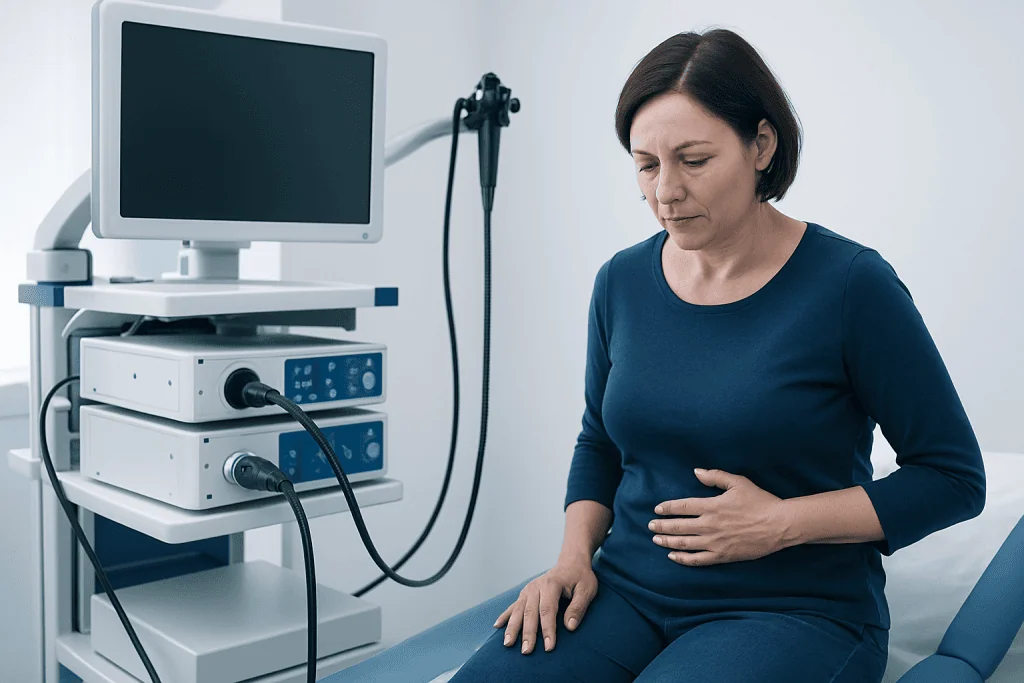
The most common symptom of microscopic colitis is ongoing or recurrent watery diarrhea that is usually not bloody. Some people have several bowel movements a day, while others notice symptoms mainly in flares. The diarrhea may come on suddenly and can interfere with work, travel, sleep, and social activities.
Other symptoms may include abdominal cramping, bloating, urgency to have a bowel movement, and accidental leakage of stool in some cases. Nausea, tiredness, and mild weight loss can also occur, especially if diarrhea is frequent. Dehydration may develop if fluid losses are not replaced.
Symptoms can vary in intensity over time. Some people experience periods of improvement followed by relapse, while others have more persistent symptoms. Because these symptoms can also occur with ulcerative colitis or infections, a medical evaluation is important when diarrhea is ongoing.
- Chronic or intermittent watery diarrhea
- Urgency and increased bowel frequency
- Abdominal pain or cramping
- Bloating or discomfort after meals
- Fatigue, dehydration, or unintended weight loss
Causes, triggers, and risk factors
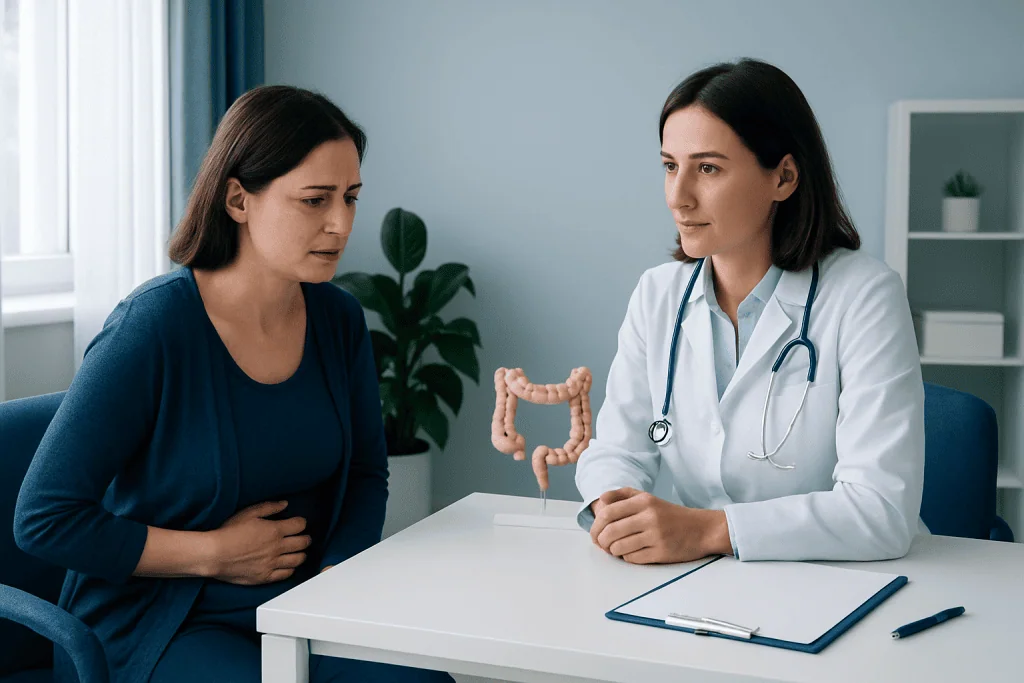
The exact cause of microscopic colitis is not fully understood. Experts believe it may result from a combination of immune system activity, genetic susceptibility, changes in the gut barrier, and environmental triggers. In some people, symptoms appear after a gastrointestinal infection or begin during periods when certain medications are being used.
Several medicines have been associated with microscopic colitis in some patients. These may include nonsteroidal anti-inflammatory drugs, some acid-reducing medicines, selective serotonin reuptake inhibitors, and certain other commonly used drugs. This does not mean these medicines always cause the condition, but a doctor may review the medication list carefully when symptoms begin.
Microscopic colitis is more often diagnosed in middle-aged and older adults and appears more frequently in women, especially with collagenous colitis. Smoking has been linked to a higher risk, and some people have related autoimmune conditions such as thyroid disease, celiac disease, rheumatoid arthritis, or type 1 diabetes. Identifying possible triggers can be a useful part of treatment planning, even when no single cause is found.
How microscopic colitis is diagnosed
Diagnosis begins with a careful review of symptoms, medical history, and medicines. A doctor will usually ask how long diarrhea has been present, whether it wakes the person at night, and whether there is blood in the stool, fever, or weight loss. Blood tests and stool tests may be used to check for dehydration, infection, inflammation, celiac disease, or other causes of chronic diarrhea.
The most important test for confirming microscopic colitis is colonoscopy with biopsies. During this procedure, small tissue samples are taken from different parts of the colon, even if the bowel lining appears normal. A pathologist then looks for the microscopic changes that define collagenous colitis or lymphocytic colitis. This step is essential because the diagnosis cannot reliably be made by symptoms alone.
In some situations, the evaluation may also look for other digestive conditions that can cause similar symptoms, such as bile acid diarrhea, lactose intolerance, celiac disease, or inflammatory bowel disease. Diagnostic testing may involve colonoscopy and, when appropriate, further assessment through gastroenterology evaluation. A clear diagnosis helps guide treatment and avoids unnecessary therapies.
Treatment options and long-term management
Treatment for microscopic colitis aims to reduce diarrhea, improve comfort, and prevent recurrence where possible. The first step is often to review medicines that may be contributing to symptoms and to stop or switch them if a doctor advises it is safe. If smoking is present, stopping can also support symptom control and overall digestive health.
For mild cases, anti-diarrheal medicines may be used to reduce stool frequency. When symptoms are more troublesome or persistent, doctors commonly use anti-inflammatory treatment directed at the bowel, particularly budesonide. This medicine often helps control symptoms and may be used for induction of remission and, in some cases, maintenance under medical supervision. Other treatment options may be considered if symptoms do not improve, depending on the person’s overall health and response.
Because diarrhea can lead to dehydration and reduced quality of life, supportive care is also important. This may include fluid replacement, correction of electrolyte imbalance, and nutritional guidance if food triggers are suspected. People with complicated or persistent symptoms may benefit from specialized digestive care for inflammatory bowel conditions, even though microscopic colitis is distinct from classic inflammatory bowel disease.
Diet, prevention, and self-care
There is no single diet proven to prevent microscopic colitis in everyone, but practical changes can help reduce symptom burden. During active diarrhea, some people find it useful to avoid foods or drinks that worsen bowel activity, such as caffeine, alcohol, high-fat meals, very spicy foods, or products containing artificial sweeteners. A doctor or dietitian can help determine whether lactose, gluten, or other triggers should be assessed rather than removed unnecessarily.
Good hydration is especially important. Frequent watery stools can lead to fluid loss, dizziness, and fatigue, so replacing water and electrolytes may help recovery. Smaller, simpler meals may be easier to tolerate during flares, while gradual return to a balanced diet can follow as symptoms improve.
Prevention also includes managing general risk factors where possible. Not smoking, taking medicines only as prescribed, and discussing ongoing diarrhea early with a clinician may reduce delays in diagnosis. Self-care is supportive, but it should not replace medical evaluation if symptoms persist, because chronic diarrhea has many possible causes.
When to seek medical care
Medical care should be sought when diarrhea lasts more than a few days and keeps returning, especially if it affects hydration, sleep, or daily life. A professional assessment is also important when symptoms begin after starting a new medication or when there is a personal history of autoimmune disease. Chronic diarrhea should not be self-diagnosed without proper testing.
Urgent medical attention is needed if there are signs of dehydration such as faintness, very little urine, or confusion, or if diarrhea is accompanied by fever, blood in the stool, severe abdominal pain, or marked weight loss. These features may point to another condition that needs prompt treatment. Although microscopic colitis is often manageable, it is important to rule out infection, inflammatory bowel disease, and other digestive disorders.
For people needing specialist assessment, Acibadem International’s multidisciplinary specialists and JCI-accredited hospitals diagnose and treat digestive conditions for international patients. Evaluation may include advanced endoscopy, pathology review, and individualized follow-up plans.
Frequently asked questions
Is microscopic colitis a form of inflammatory bowel disease?
Microscopic colitis is an inflammatory condition of the colon, but it is usually discussed separately from classic inflammatory bowel diseases like Crohn’s disease and ulcerative colitis. Its inflammation is seen on biopsy rather than as obvious ulcers or visible damage during colonoscopy.
Can microscopic colitis go away on its own?
Some people have mild symptoms that improve for a time, and others may experience periods of remission. However, persistent or recurrent diarrhea should still be assessed by a doctor because treatment can improve quality of life and help prevent dehydration.
What is the difference between collagenous colitis and lymphocytic colitis?
Both are types of microscopic colitis and often cause similar symptoms, especially watery diarrhea. The difference is how the tissue looks under the microscope: collagenous colitis shows a thickened collagen band, while lymphocytic colitis shows increased lymphocytes in the colon lining.
Does microscopic colitis increase colon cancer risk?
Microscopic colitis is not generally known to carry the same colon cancer concerns associated with some other long-term inflammatory bowel conditions. Still, each person’s screening needs depend on age, family history, and other risk factors, so colon cancer screening should follow a doctor’s advice.
What foods should be avoided with microscopic colitis?
There is no universal food list that applies to everyone. During flares, some people benefit from limiting caffeine, alcohol, fatty foods, spicy meals, or other personal triggers, but dietary changes are best guided by symptoms and medical advice rather than strict self-restriction.
How is microscopic colitis treated?
Treatment often starts with reviewing possible trigger medications and managing diarrhea and hydration. If symptoms continue, doctors may use bowel-directed anti-inflammatory treatment, commonly budesonide, and tailor longer-term care based on symptom recurrence and overall health.
References
- National Institute of Diabetes and Digestive and Kidney Diseases
- American College of Gastroenterology
- Mayo Clinic
- Crohn's & Colitis Foundation
- National Health Service
This article is for general information only and is not a substitute for professional medical advice. Please consult a qualified doctor about your individual situation.
Persistent digestive symptoms? Get evaluated in Turkey
JCI-accredited · board-certified surgeons · reply within 24h
Add us as a Preferred Source to see more of our trusted health content across Google Search, AI Overviews and Discover.

More from the Health Library


Related Specialists

Prof. Dr. İftahar Köksal
Infectious Diseases & Clinical Microbiology
Dr. Nuri Soysal
Aesthetic Plastic & Reconstructive Surgery
Dt. Ayşegül Coşkun
Oral & Dental Health
Prof. Dr. Burak Çıtamak
Urology