Microscopic Inflammation Colon — Explained by Medical Evidence, Not Myths
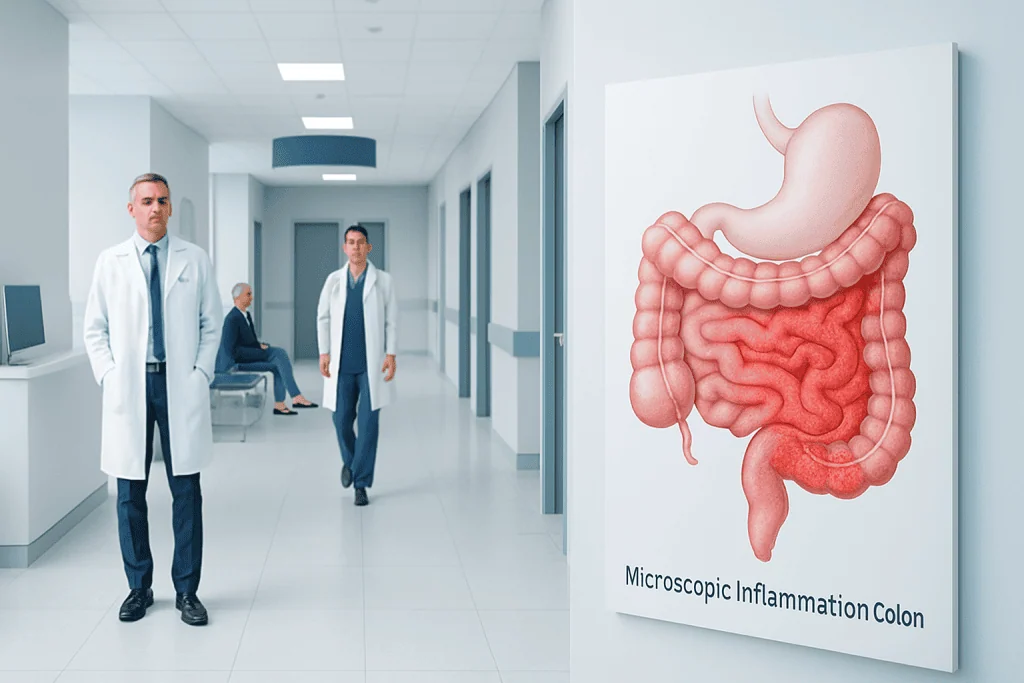
Microscopic inflammation colon most often means microscopic colitis, including collagenous colitis and lymphocytic colitis. The main symptom is chronic, non-bloody watery diarrhea, sometimes with urgency or nighttime bowel movements.
Key Takeaways
- Microscopic inflammation colon most often means microscopic colitis, including collagenous colitis and lymphocytic colitis.
- The main symptom is chronic, non-bloody watery diarrhea, sometimes with urgency or nighttime bowel movements.
- Diagnosis usually requires biopsies taken during colonoscopy, because the colon may appear normal to the eye.
- Treatment may include avoiding trigger medicines, improving hydration, diet adjustments, and anti-inflammatory medication prescribed by a doctor.
- Medical review is important if diarrhea lasts more than a few weeks, causes dehydration, or is associated with weight loss or blood in the stool.
Microscopic inflammation colon usually refers to microscopic colitis, a condition in which the colon looks normal during colonoscopy but shows inflammation under a microscope. It commonly causes ongoing watery diarrhea and can often be managed with the right diagnosis, medication review, and individualized treatment.
What Microscopic Inflammation Colon Means
Microscopic inflammation colon is not a formal diagnosis by itself. In most medical discussions, it refers to microscopic colitis, a type of inflammation in the large intestine that can only be confirmed when tiny tissue samples are examined under a microscope. This is why a person may have troubling bowel symptoms even when imaging tests or the visible surface of the colon appear normal.
Microscopic colitis is different from conditions that cause obvious ulcers or bleeding in the colon. The inflammation is subtle but still significant enough to disrupt water absorption and bowel function, leading mainly to persistent watery diarrhea. The two main subtypes are collagenous colitis and lymphocytic colitis, which are distinguished by their microscopic features rather than by major differences in symptoms.
Because the name sounds technical, many people worry that “microscopic” means the problem is minor or imaginary. It does not. The term simply describes how the inflammation is detected. With proper evaluation, many people find that symptoms can be controlled and quality of life can improve.
Symptoms and How It May Feel Day to Day
The most common symptom of microscopic inflammation colon is chronic watery diarrhea. Stools are usually loose rather than bloody, and diarrhea may come and go or persist for weeks to months. Some people have only a few episodes a day, while others experience frequent urgent bowel movements that interfere with work, travel, and sleep.
Other symptoms may include abdominal cramping, bloating, mild nausea, fatigue, and a sudden need to use the bathroom. Some people notice accidents or near-accidents because urgency can be strong. Nighttime diarrhea can also occur, which may help distinguish it from bowel changes related only to stress or diet.
Weight loss may happen if diarrhea is prolonged or appetite is reduced, but not everyone loses weight. Blood in the stool is not typical for microscopic colitis, so when bleeding is present, doctors usually consider other explanations as well. Symptoms can overlap with irritable bowel syndrome or other digestive disorders, which is one reason a careful diagnosis matters.
- Watery, non-bloody diarrhea
- Urgency and frequent bowel movements
- Abdominal discomfort or cramping
- Bloating or gas
- Fatigue related to ongoing fluid loss
- Occasional unintentional weight loss
Causes, Triggers, and Risk Factors
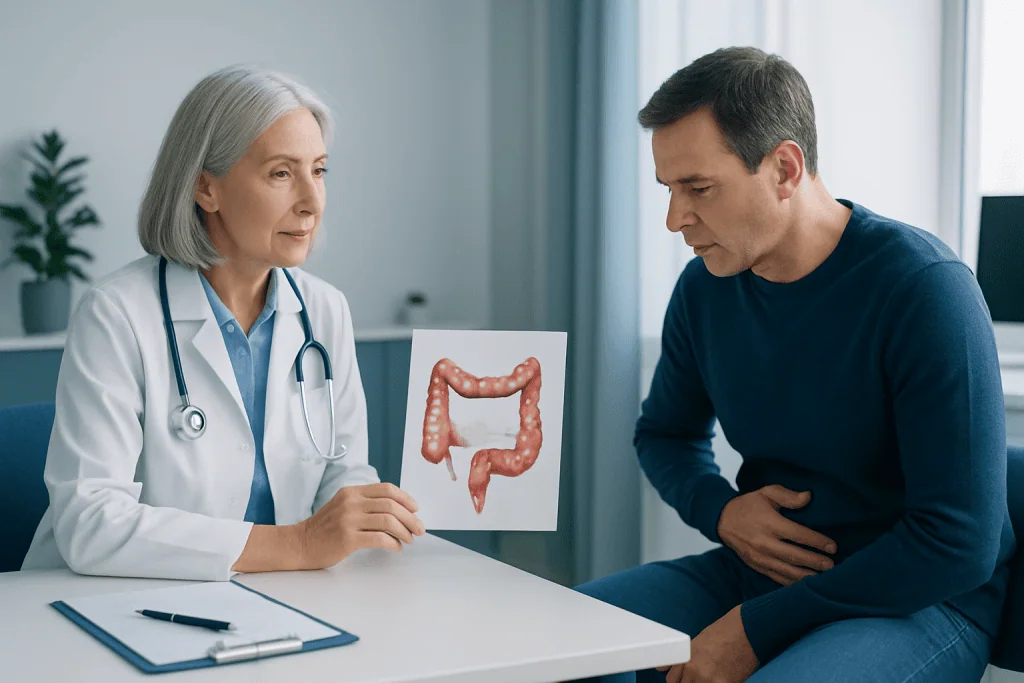
The exact cause of microscopic inflammation colon is not fully understood. Current evidence suggests it may result from a combination of immune system activity, genetic susceptibility, changes in the gut environment, and reactions to certain medications. It is not considered a contagious illness, and it does not develop because of poor hygiene.
Several medicines have been linked with microscopic colitis in some people, although a medication is not always the cause. These can include some nonsteroidal anti-inflammatory drugs, proton pump inhibitors, selective serotonin reuptake inhibitors, and certain other commonly used medications. A doctor may review current prescriptions, over-the-counter products, and supplements to look for possible contributors. It is important not to stop prescribed medicines without medical advice.
Smoking has also been associated with a higher risk, especially in some age groups. Microscopic colitis is more often diagnosed in middle-aged and older adults and is somewhat more common in women, particularly for collagenous colitis. It may also occur alongside autoimmune conditions such as celiac disease, thyroid disorders, or inflammatory conditions elsewhere in the body.
Although the condition involves colon inflammation, it is different from classic inflammatory bowel diseases such as ulcerative colitis and Crohn’s disease. Those disorders usually have different patterns of inflammation and may produce visible changes during endoscopy. Microscopic colitis requires a different diagnostic and treatment approach.
How Doctors Diagnose It
Diagnosis starts with a detailed history. A clinician will usually ask when diarrhea began, how often it happens, whether it wakes the person at night, what medicines are being used, and whether there is weight loss, fever, travel exposure, or signs of dehydration. Because many causes of diarrhea overlap, the early evaluation often aims to rule out infection, medication side effects, celiac disease, bile acid problems, and other inflammatory bowel conditions.
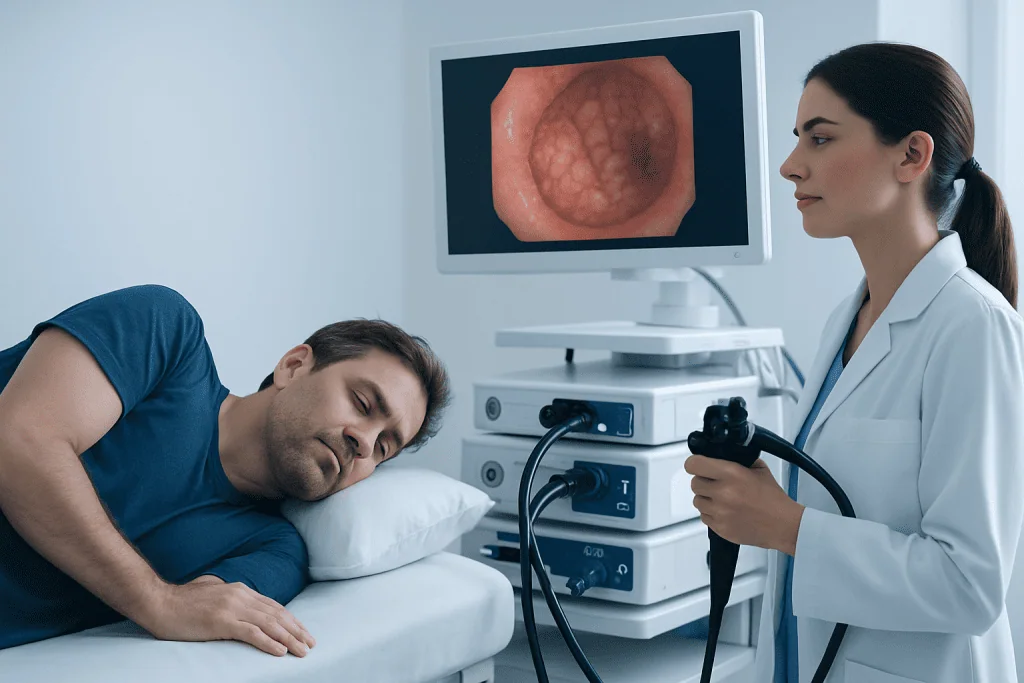
Stool tests and blood tests may be ordered first. These can help identify infection, inflammation, anemia, thyroid issues, or electrolyte problems. However, normal blood or stool results do not rule out microscopic colitis. The key test is usually a colonoscopy with biopsies taken from different parts of the colon, even if the lining looks normal during the procedure.
Under the microscope, pathologists look for characteristic patterns. In collagenous colitis, there is a thickened collagen band beneath the surface lining. In lymphocytic colitis, there is an increased number of lymphocytes, a type of immune cell. This step is essential because the diagnosis cannot be confirmed by symptoms alone.
Sometimes clinicians also consider related digestive disorders if symptoms are broader or mixed. Depending on the clinical picture, a gastroenterologist may investigate other explanations such as malabsorption, celiac disease, or functional bowel disorders. The goal is not simply to label the condition, but to identify the most treatable cause of symptoms.
Treatment Options and What Usually Helps
Treatment for microscopic inflammation colon depends on symptom severity, possible triggers, and the person’s overall health. In milder cases, symptoms may improve after avoiding offending medications, stopping smoking, staying well hydrated, and making temporary dietary adjustments. For some people, reducing caffeine, alcohol, very fatty foods, or artificial sweeteners can lessen diarrhea, although no single diet works for everyone.
When symptoms persist, doctors may recommend medication. Common approaches include anti-diarrheal therapy for symptom control and, when appropriate, anti-inflammatory treatment directed at the colon. Budesonide is one of the best-established medical therapies for microscopic colitis, but the decision to use it and how long to use it should be individualized by a physician. Other options may be considered if symptoms recur or if budesonide is not suitable.
If there is concern about other digestive conditions or persistent symptoms, treatment may be coordinated through a specialist service in gastroenterology. A medication review is especially important because improvement sometimes begins when a trigger drug is changed under medical supervision. In rare or difficult cases, additional therapies may be discussed by a gastroenterologist.
The reassuring point is that many patients respond well once the diagnosis is made. Treatment is often aimed at controlling symptoms, preventing dehydration, and helping the bowel return to more normal function. Follow-up helps adjust the plan if symptoms come back.
Self-care, Diet, and Prevention of Flares
There is no guaranteed way to prevent microscopic inflammation colon, but several practical steps may reduce symptoms or lower the chance of flares. Hydration is especially important during active diarrhea. Water, oral rehydration solutions, and balanced fluid intake can help replace losses, while very sugary drinks may worsen symptoms in some people.
Diet changes are usually supportive rather than curative. Keeping a symptom diary can help identify foods that seem to trigger urgency or loose stools. Some people benefit from a short-term reduction in lactose, greasy meals, or high-caffeine beverages, especially when symptoms are active. A doctor or dietitian can help ensure that restrictions do not become unnecessarily limiting.
Smoking cessation may be helpful for overall bowel and general health. It is also wise to review all nonprescription products, including pain relievers and acid-reducing medicines, with a clinician. Changes to medication should always be made with professional guidance. People with prolonged diarrhea may also need monitoring for dehydration, low potassium, or nutritional effects if symptoms are frequent.
When symptoms are difficult to control, broader digestive support may be needed, sometimes including input from check-up and screening services or specialist follow-up. Near the end of the care pathway, some international patients choose centers such as Acibadem International, where multidisciplinary specialists in JCI-accredited hospitals evaluate and treat digestive conditions with individualized plans.
When to Seek Medical Care
A short episode of diarrhea may pass on its own, but microscopic inflammation colon should be considered when watery diarrhea lasts for more than a few weeks or keeps returning. Medical assessment is especially important if symptoms are disrupting sleep, causing dehydration, or interfering with normal daily activities.
Someone should seek prompt medical care if diarrhea is accompanied by faintness, severe weakness, inability to keep fluids in, weight loss, fever, blood in the stool, or significant abdominal pain. These signs do not necessarily mean a serious disease is present, but they deserve timely evaluation to rule out infection, inflammatory bowel disease, or other bowel conditions.
Older adults, people with chronic illnesses, and those taking multiple medications should be particularly careful because dehydration and electrolyte imbalance can develop more easily. A qualified doctor can help determine whether testing, colonoscopy, medication changes, or specialist referral is needed.
Frequently asked questions
Is microscopic inflammation colon the same as microscopic colitis?
Usually, yes. The phrase microscopic inflammation colon commonly refers to microscopic colitis, which includes collagenous colitis and lymphocytic colitis. A doctor confirms it by examining colon biopsy samples under a microscope.
Can a colonoscopy look normal if this condition is present?
Yes. In microscopic colitis, the colon often looks normal during colonoscopy. That is why biopsies are important, even when the lining does not show obvious inflammation to the eye.
Does microscopic inflammation colon cause bleeding?
Bleeding is not a typical symptom of microscopic colitis. Most people have non-bloody watery diarrhea. If blood appears in the stool, a doctor may look for other causes in addition to or instead of microscopic colitis.
Can medications trigger microscopic colitis?
Some medications are associated with microscopic colitis in certain patients. These may include some pain relievers, acid-suppressing medicines, and antidepressants. A clinician can review medicines safely and decide whether any changes are appropriate.
Is microscopic inflammation colon a form of cancer?
No. Microscopic colitis is an inflammatory condition, not a cancer. It can still cause bothersome symptoms, but it is managed differently from colon cancer and requires proper medical evaluation for diagnosis.
Will diet alone cure microscopic inflammation colon?
Diet can help reduce symptoms for some people, but it does not replace medical diagnosis or treatment. Many patients improve with a combination of hydration, avoiding triggers, medication review, and doctor-guided therapy.
When should someone see a doctor for ongoing diarrhea?
A doctor should be consulted when diarrhea lasts more than a few weeks, keeps coming back, or causes urgency, sleep disruption, weakness, or weight loss. Prompt care is also important if there is dehydration, fever, blood in the stool, or significant abdominal pain.
This article is for general information only and is not a substitute for professional medical advice. Please consult a qualified doctor about your individual situation.
Persistent digestive symptoms? Get evaluated in Turkey
JCI-accredited · board-certified surgeons · reply within 24h
Add us as a Preferred Source to see more of our trusted health content across Google Search, AI Overviews and Discover.

More from the Health Library

Tea Tree Oil: An Evidence-Based Guide for Patients
Osteocytes — Explained by Medical Evidence, Not Myths

Bow Tie Pasta — Explained by Medical Evidence, Not Myths

Chills — Explained by Medical Evidence, Not Myths

Soapy Aftertaste in Mouth: A Complete Medical Overview