Microvascular Ischemic Disease: Early Signs, Risk Factors, and How It Is Treated

Microvascular ischemic disease affects the brain’s small blood vessels and is often seen on MRI. Many people have no early symptoms, but balance, memory, mood, or walking changes can occur over time.
Key Takeaways
- Microvascular ischemic disease affects the brain’s small blood vessels and is often seen on MRI.
- Many people have no early symptoms, but balance, memory, mood, or walking changes can occur over time.
- High blood pressure, diabetes, smoking, high cholesterol, and aging are major risk factors.
- Treatment focuses on controlling vascular risk factors and preventing stroke rather than reversing existing changes.
- New or sudden neurological symptoms need prompt medical evaluation.
Microvascular ischemic disease is a common condition in which the brain’s small blood vessels become damaged over time, often due to aging and vascular risk factors such as high blood pressure and diabetes. It may cause no symptoms at first, but early recognition and treatment of underlying risks can help protect brain function and lower the chance of stroke and cognitive decline.
Overview
Microvascular ischemic disease is a condition that affects the small blood vessels deep within the brain. These tiny vessels help supply oxygen and nutrients to white matter and other brain structures. Over time, they can become narrowed, stiffened, or damaged, reducing healthy blood flow and leading to small areas of tissue injury.
The condition is also called cerebral small vessel disease or chronic microvascular ischemic change. It is commonly seen on brain MRI, especially in older adults. In many cases, it is found incidentally when imaging is done for headaches, dizziness, or another unrelated reason.
Although the term can sound worrying, the meaning depends on how extensive the changes are and whether symptoms are present. Mild changes may not cause noticeable problems. More advanced disease can affect thinking, walking, mood, and stroke risk, which is why follow-up with a doctor is important.
Microvascular ischemic disease is different from a large stroke caused by blockage of a major artery. Instead, it reflects long-term wear and tear in the smallest vessels. It may overlap with other brain circulation problems, including stroke, but it is usually managed by reducing the risks that continue to damage blood vessels.
Early Signs and Symptoms
One of the most important points about microvascular ischemic disease is that it often causes no obvious symptoms in its early stages. Many people learn about it only after an MRI report mentions white matter changes or chronic ischemic changes. In these situations, the next step is usually to understand the cause and assess overall vascular health.
When symptoms do occur, they tend to develop gradually rather than suddenly. Some people notice mild memory lapses, slower thinking, trouble concentrating, or reduced mental processing speed. Others may feel less steady on their feet, have subtle walking changes, or find that multitasking becomes harder than before.
Mood and bladder symptoms can also appear in some patients, particularly when disease becomes more widespread. These may include apathy, depression, urgency, or a need to urinate more frequently. Because these symptoms can have many causes, they should not automatically be blamed on microvascular disease without proper assessment.
- Early signs may include slowed thinking or attention problems
- Gait imbalance or a cautious, slower walk can develop
- Symptoms usually progress gradually, not all at once
- Sudden weakness, facial droop, speech trouble, or vision loss suggest an emergency rather than routine chronic small vessel disease
Causes and Risk Factors

Microvascular ischemic disease usually develops from long-term injury to the walls of small blood vessels. The most common contributors are high blood pressure and diabetes, both of which can damage delicate vessel linings over years. High cholesterol, smoking, obesity, and lack of physical activity also increase the burden on the vascular system.
Aging is one of the strongest associations. As people grow older, blood vessels naturally become less flexible, and the cumulative effects of inflammation, blood pressure changes, and metabolic stress become more visible on imaging. That is why mild white matter changes are more common in later life, though not all changes are clinically significant.
Other factors may raise risk as well, including sleep apnea, chronic kidney disease, and a history of stroke or heart disease. In some cases, genetics may influence how vulnerable a person’s small vessels are. Doctors often look at the whole vascular picture rather than one isolated cause.
Because risk factors overlap with many cardiovascular and neurological conditions, evaluation may also involve screening for related issues such as carotid artery disease when clinically appropriate. Identifying and treating the conditions that strain blood vessels is the foundation of care.
How It Is Diagnosed
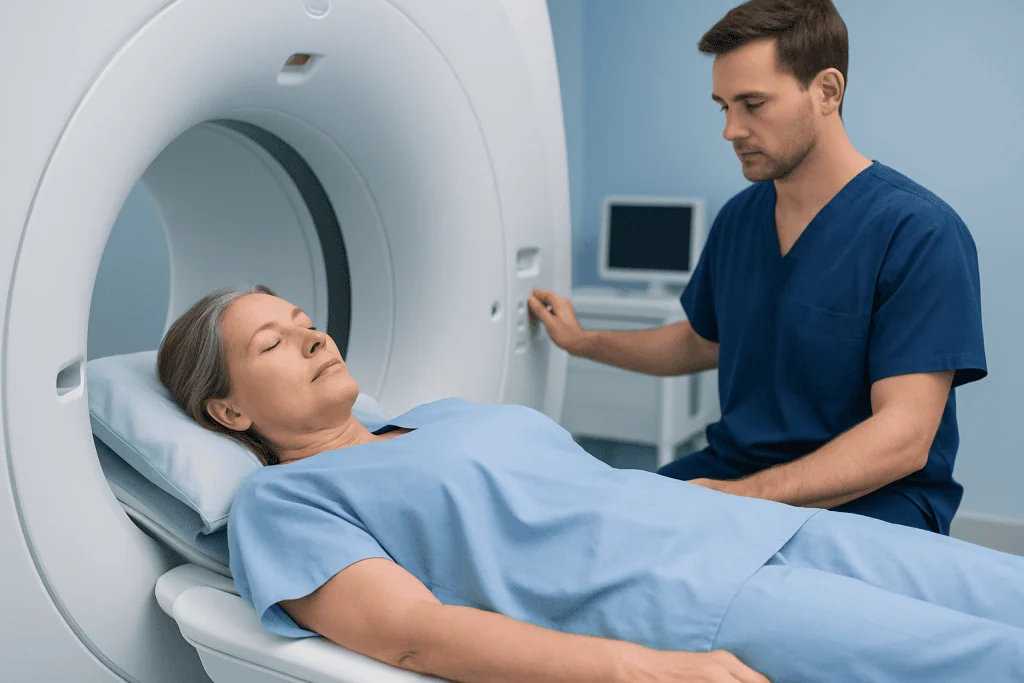
Microvascular ischemic disease is most often identified on brain MRI. Radiology reports may describe white matter hyperintensities, chronic microvascular ischemic changes, or small vessel ischemic disease. These findings reflect changes in brain tissue that are commonly linked to reduced small-vessel blood flow over time.
Imaging alone does not tell the whole story. Doctors also consider age, symptoms, medical history, neurological examination, and vascular risk factors. The amount and location of MRI changes help guide interpretation, but treatment decisions are usually based on the person’s overall health profile rather than the scan result alone.
Additional tests may be recommended to look for contributing conditions. These can include blood pressure evaluation, blood sugar testing, cholesterol testing, heart rhythm assessment, and sometimes vascular imaging. If there are concerns about recent stroke, doctors may use MRI scanning as part of a broader neurological workup.
In some patients, specialists may need to distinguish microvascular ischemic disease from other causes of white matter abnormalities, such as migraine-related changes, inflammatory disorders, demyelinating disease, or prior brain injury. Careful interpretation helps avoid overdiagnosis and supports a more individualized treatment plan.
Treatment Options and Long-Term Management
There is no single procedure that reverses chronic microvascular ischemic disease once it has developed. Treatment focuses on slowing progression, reducing stroke risk, and protecting cognitive and physical function. This usually means controlling blood pressure, blood sugar, and cholesterol, stopping smoking, maintaining a healthy weight, and staying physically active.
Medications may be used when needed to manage the underlying risk factors. Depending on the person’s medical history, a doctor may prescribe antihypertensive medicines, cholesterol-lowering therapy, diabetes treatment, or antiplatelet therapy. These decisions should be individualized, since not everyone with MRI changes needs the same medicines.
If symptoms such as balance problems, gait difficulty, or weakness are affecting daily life, rehabilitation can help. Structured physical therapy and rehabilitation may improve mobility, strength, confidence, and fall prevention. Cognitive support, sleep treatment, and management of depression or anxiety can also be important parts of care.
When there is concern that a person has had a transient ischemic attack or stroke in addition to chronic vessel changes, urgent stroke-focused evaluation is needed. Some patients may benefit from specialist assessment in stroke rehabilitation after an acute event. In complex cases, multidisciplinary teams such as those at Acibadem International’s JCI-accredited hospitals can help coordinate diagnosis and treatment for international patients.
Prevention and Self-Care
Preventing or slowing microvascular ischemic disease centers on lifelong vascular health. The most effective steps are often the same ones used to protect the heart and major arteries: keeping blood pressure in a healthy range, managing diabetes well, lowering LDL cholesterol when indicated, and avoiding tobacco. These measures can reduce further injury to the brain’s small vessels.
Regular movement is especially helpful. Aerobic activity, strength training, and balance exercises support circulation, mobility, and overall brain health. A doctor can advise what type of exercise is appropriate, especially for older adults or anyone who has dizziness, falls, or existing neurological symptoms.
Everyday habits also matter. A balanced eating pattern, enough sleep, limited alcohol, stress management, and keeping follow-up appointments all support risk reduction. For people with sleep apnea, treatment can be important because repeated drops in oxygen and poor sleep quality may worsen vascular strain.
- Monitor and treat high blood pressure consistently
- Control diabetes and cholesterol with medical guidance
- Stop smoking and avoid secondhand smoke
- Stay active and work on balance if walking feels less steady
- Discuss any memory, mood, or bladder changes with a doctor
When to Seek Medical Care
Medical review is advisable if an MRI report mentions microvascular ischemic disease, especially for someone with high blood pressure, diabetes, smoking history, or prior cardiovascular disease. A doctor can explain whether the changes are mild or more extensive and decide whether further testing or treatment is needed.
Prompt but non-emergency assessment is also reasonable for gradual changes in memory, concentration, walking, balance, or mood. These symptoms can have many causes, and early evaluation may help identify treatable factors before daily function is more affected.
Emergency care is needed for sudden neurological symptoms. These include weakness or numbness on one side, facial droop, trouble speaking, severe sudden confusion, sudden vision loss, or a new severe balance problem. Such symptoms may indicate a stroke or transient ischemic attack and should not be assumed to be routine chronic small vessel disease.
People with repeated falls, worsening mobility, or a sudden change after a previously stable period should also contact a healthcare professional. Early attention can improve safety, support rehabilitation, and reduce the chance of missed stroke-related symptoms.
Frequently asked questions
Is microvascular ischemic disease the same as a stroke?
No. Microvascular ischemic disease usually describes chronic damage to the brain’s small blood vessels over time, often seen on MRI. A stroke is typically a sudden event caused by interrupted blood flow or bleeding in the brain, though small vessel disease can increase stroke risk.
Can microvascular ischemic disease be reversed?
Existing chronic changes are often not fully reversible. However, treatment can help slow progression and reduce complications by controlling blood pressure, diabetes, cholesterol, and other risk factors. Many people do well with consistent long-term management.
What are the earliest symptoms of microvascular ischemic disease?
There may be no symptoms at all in the early stages. When symptoms appear, they are often subtle, such as slower thinking, mild memory issues, balance changes, or a cautious gait. These symptoms are not specific, so medical assessment is important.
How serious is microvascular ischemic disease?
Severity varies widely. Mild MRI changes can be common with aging and may never lead to major disability, while more extensive disease can affect walking, thinking, and stroke risk. The overall outlook depends on symptoms, scan findings, and how well vascular risk factors are treated.
What causes microvascular ischemic disease in younger adults?
In younger adults, doctors often look closely for underlying risk factors such as poorly controlled high blood pressure, diabetes, smoking, obesity, autoimmune conditions, migraine, or less common vascular disorders. Imaging findings may also need careful interpretation because not all white matter changes are due to small vessel disease.
Does everyone with MRI white matter changes have dementia?
No. White matter changes do not automatically mean dementia. Some people have mild changes with little or no effect on day-to-day function, while others may develop cognitive symptoms over time depending on the extent of disease and other health factors.
References
- National Institute of Neurological Disorders and Stroke
- American Heart Association
- National Institute on Aging
- Centers for Disease Control and Prevention
- World Health Organization
This article is for general information only and is not a substitute for professional medical advice. Please consult a qualified doctor about your individual situation.
Explore treatments in Turkey — costs, top hospitals & a free quote
JCI-accredited · board-certified surgeons · reply within 24h
Add us as a Preferred Source to see more of our trusted health content across Google Search, AI Overviews and Discover.
Check your numbers in seconds
BMI, calories, due date, blood pressure and 30+ more clinical calculators — free, instant, doctor-reviewed ranges.