Migraine Medication Explained: OTC Pain Relievers, Prescription Options, and Safe Use

Migraine medicines are usually divided into acute treatments that stop attacks and preventive treatments that reduce frequency. OTC pain relievers may help mild to moderate migraine, but overuse can lead to medication-overuse headache.
Key Takeaways
- Migraine medicines are usually divided into acute treatments that stop attacks and preventive treatments that reduce frequency.
- OTC pain relievers may help mild to moderate migraine, but overuse can lead to medication-overuse headache.
- Prescription options include triptans, newer migraine-specific medicines, anti-nausea drugs, and preventive therapies.
- The right medicine depends on symptoms, attack frequency, age, pregnancy status, and other medical conditions.
- A headache diary can help a doctor choose treatment and identify triggers or patterns.
- People should seek medical care urgently for sudden severe headache or new neurological symptoms.
Migraine medication can help stop an attack, ease symptoms, or reduce how often migraines happen. The best choice depends on how severe the attacks are, how often they occur, other health conditions, and how safely the medicine can be used over time.
Overview of migraine medication
Migraine is more than a routine headache. It is a neurological condition that can cause throbbing head pain, nausea, vomiting, sensitivity to light or sound, and, in some people, visual or sensory warning symptoms called aura. Because migraine affects people in different ways, treatment is not one-size-fits-all.
Migraine medication generally falls into two groups. Acute, or rescue, medicines are taken during a migraine attack to reduce pain and other symptoms. Preventive medicines are taken regularly to lower how often attacks happen, how long they last, or how intense they become. Some people need only occasional acute treatment, while others benefit from a prevention plan.
The safest and most effective choice depends on several factors, including how often migraine occurs, how quickly the pain builds, whether nausea is present, and whether there are other health conditions such as heart disease, stomach ulcers, high blood pressure, liver disease, or pregnancy. A clinician may also consider whether the person has migraine with aura or another headache pattern that needs closer evaluation.
OTC pain relievers for migraine
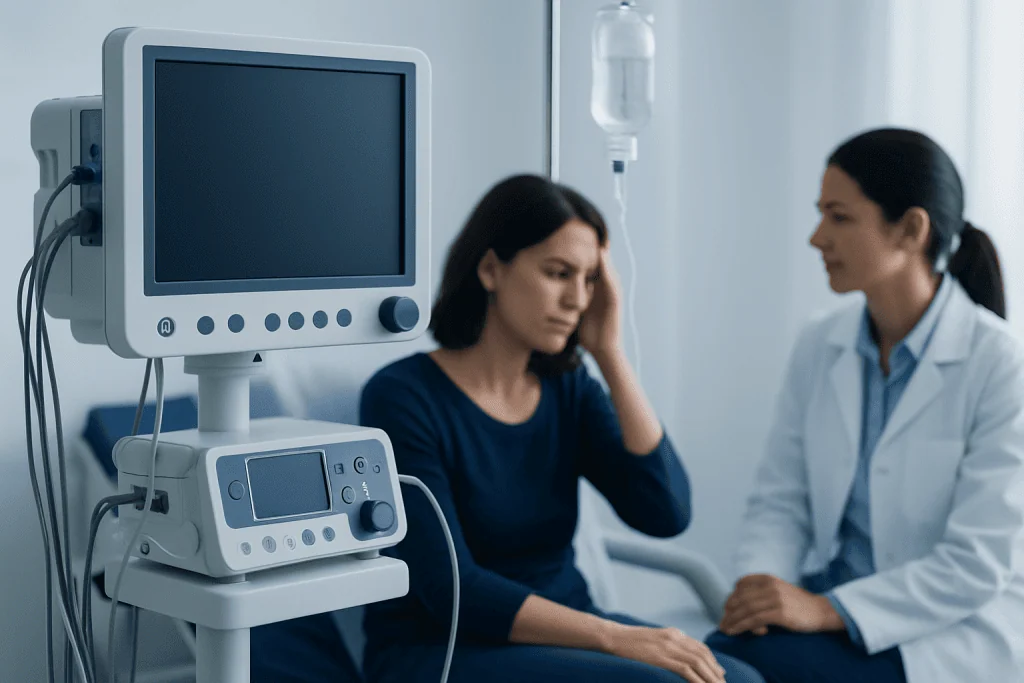
Over-the-counter, or OTC, pain relievers can help some people with mild to moderate migraine, especially when taken early in the attack. Common options include acetaminophen and nonsteroidal anti-inflammatory drugs, often called NSAIDs, such as ibuprofen, naproxen, or aspirin. Some combination products also include caffeine, which may improve relief for certain people.
These medicines can be useful, but they are not ideal for everyone. NSAIDs may irritate the stomach, raise bleeding risk, affect kidney function, or be unsuitable for some people with heart disease. Acetaminophen may be a better choice for some, but too much can harm the liver. Combination products that contain caffeine can help some attacks but may worsen jitters, sleep problems, or rebound headache in others.
Using OTC medicines too often can cause medication-overuse headache, sometimes called rebound headache. This can happen when acute headache medicine is used frequently over time, leading to a cycle in which headaches become more common and harder to treat. For that reason, repeated reliance on OTC treatment should prompt a discussion with a doctor rather than simply increasing the dose or taking it more often.
A person who is using OTC pain relievers regularly, has headaches on many days each month, or finds that these medicines no longer work well may need a different strategy. In many cases, a clinician will review the diagnosis, look for migraine triggers, and consider prescription acute therapy or a preventive treatment plan.
Prescription options for acute migraine attacks

When OTC treatment is not enough, prescription migraine medicine may be recommended. One long-established group is triptans, which are migraine-specific medicines that help stop an attack by acting on serotonin pathways involved in migraine. They can be effective for moderate to severe migraine and are available in different forms, including tablets, nasal sprays, and injections, which may be helpful if nausea or vomiting makes swallowing difficult.
Not everyone can use triptans safely. Because they affect blood vessels, they may not be suitable for people with certain heart or blood vessel conditions, a history of stroke, or uncontrolled high blood pressure. For these reasons, a doctor will review medical history carefully before prescribing them.
Newer migraine-specific acute medicines are also available for some patients. These include CGRP receptor blockers and ditans, which may be options when triptans do not work well or are not appropriate. Anti-nausea medicines may also be added to control vomiting or improve comfort during an attack. In some cases, specialists may discuss advanced migraine treatment approaches as part of a broader care plan.
The goal of acute treatment is not only pain relief but also restoration of function. The most effective plan often includes taking the right medicine as early as possible, resting in a dark and quiet room, staying hydrated when tolerated, and avoiding repeated doses beyond the instructions given by a healthcare professional.
Preventive migraine medicines
Preventive treatment may be considered when migraine attacks are frequent, prolonged, disabling, or difficult to control with rescue medicines alone. The purpose is to reduce how often migraines happen and lessen their impact on work, school, sleep, and daily life. Prevention is also important when overuse of acute medicine is becoming a concern.
Several types of medicines may be used for prevention. Depending on the individual situation, doctors may prescribe certain blood pressure medicines, anti-seizure medicines, antidepressants, CGRP-targeting therapies, or botulinum toxin injections for selected cases of chronic migraine. The best option depends on migraine pattern, other medical conditions, age, and possible side effects.
Preventive medicine usually takes time to show benefit. Rather than stopping attacks immediately, it often works gradually over weeks to months. Many people do best when preventive treatment is combined with healthy lifestyle measures such as regular sleep, hydration, balanced meals, stress management, and trigger awareness.
A headache specialist may be helpful if migraine is frequent, complex, or resistant to standard treatment. In selected situations, a neurologist may also assess whether other disorders need attention, especially if the headache pattern changes or if symptoms overlap with other headache conditions.
How doctors choose the right migraine medicine
Choosing migraine medication starts with confirming the diagnosis. A doctor will ask how the headaches feel, how long they last, whether nausea or aura occurs, what triggers may be involved, and how much the attacks disrupt daily life. A diary that tracks symptoms, timing, medicines used, menstrual cycles, sleep, and food triggers can provide valuable clues.
The treatment plan is individualized. For example, someone with occasional attacks and no major nausea may do well with OTC treatment taken early. A person with severe attacks, vomiting, or poor response to OTC medicines may need prescription acute therapy. Someone with frequent headaches may benefit from prevention instead of simply adding more rescue doses.
Doctors also consider safety in special situations. Pregnancy, breastfeeding, older age, liver or kidney disease, peptic ulcer disease, cardiovascular disease, and interactions with other medicines all matter. For some patients, additional evaluation may be needed to rule out other causes of headache before starting or changing treatment.
Imaging tests are not needed for every person with migraine, but they may be recommended if there are warning signs such as a sudden thunderclap headache, new neurological deficits, headache after head injury, or a major change in pattern. If symptoms suggest another condition, a clinician may guide further workup or refer for specialist care.
Safe use, side effects, and medication-overuse headache
Using migraine medicine safely is just as important as choosing the right one. Patients should follow the instructions on the package or prescription label, avoid taking more than advised, and tell their doctor about all medicines and supplements they use. This helps reduce the risk of side effects, interactions, and accidental overuse.
Possible side effects vary by medicine. OTC pain relievers may upset the stomach or affect the liver, kidneys, or bleeding risk. Triptans may cause tingling, flushing, chest tightness, or fatigue in some people, though many tolerate them well. Preventive medicines can have their own side effects, which should be discussed before treatment begins.
Medication-overuse headache is a common reason headaches become more frequent. It can happen when acute medicines are used too often over time, including some OTC products, triptans, or combination pain relievers. People may notice that headaches start appearing more days of the month or that medicines provide shorter relief than before.
If overuse is suspected, the answer is not simply to keep escalating treatment. A clinician can help create a safer plan that may include limiting rescue use, transitioning to preventive therapy, and managing the withdrawal period if needed. Near the end of a care pathway, some patients may choose assessment at centers such as Acibadem International, where multidisciplinary specialists in JCI-accredited hospitals diagnose and treat migraine for international patients.
Self-care and prevention strategies
Medicine works best when paired with practical self-care. Many people with migraine benefit from regular routines: consistent sleep and wake times, staying hydrated, eating meals on time, limiting alcohol if it triggers attacks, and reducing excess caffeine. Sudden changes in routine can be a trigger for some individuals.
Stress management can also make a difference. Gentle exercise, relaxation techniques, breathing exercises, mindfulness, and taking breaks from screens may help reduce the burden of migraine over time. For some people, hormonal changes, certain foods, strong smells, bright light, or skipped meals are important triggers worth tracking.
A headache diary is one of the most useful tools for self-management. It can include when the headache started, suspected triggers, severity, associated symptoms, which medicines were used, and whether they helped. This information often helps doctors fine-tune treatment more effectively than memory alone.
Supportive care during an attack may include resting in a quiet dark room, using a cool compress, sipping fluids if tolerated, and taking prescribed medicine early. If migraine is linked to neck tension or other overlapping pain issues, a clinician may also suggest therapies that complement medication, such as structured rehabilitation or lifestyle counseling.
When to see a doctor
A person should see a doctor if headaches are becoming more frequent, if OTC medicines are needed often, if migraine symptoms are interfering with work or family life, or if current treatment is no longer working. Medical review is also important before starting new migraine medicine in pregnancy, breastfeeding, or in the presence of major health conditions.
Urgent medical attention is needed for warning signs such as a sudden severe headache that peaks within moments, a new headache with weakness, confusion, fainting, seizure, fever, stiff neck, loss of vision, or trouble speaking, or headache after a head injury. New headaches in older adults or in people with cancer or weakened immune systems also deserve prompt evaluation.
People with migraine sometimes need specialist input if diagnosis is uncertain or treatment is difficult. A neurologist or headache specialist may help when attacks are frequent, unusual, or associated with complex symptoms such as prolonged aura. If needed, broader care options can include neurology consultation and individualized treatment planning.
Early care can prevent a cycle of escalating pain, overuse of medicine, and missed daily activities. A well-matched treatment plan can often improve control, reduce disruption, and help patients feel more confident managing migraine safely.
Frequently asked questions
What is the difference between acute and preventive migraine medication?
Acute migraine medicines are taken during an attack to reduce pain and associated symptoms such as nausea or light sensitivity. Preventive medicines are taken regularly to reduce how often migraines happen and how severe they are over time.
Can OTC pain relievers treat migraine?
They can help some people with mild to moderate migraine, especially if taken early in the attack. However, they may not be enough for severe migraine and can cause problems if used too often.
What are triptans, and are they safe for everyone?
Triptans are prescription medicines designed specifically to stop migraine attacks. They are effective for many people, but they are not suitable for everyone, especially some people with heart or blood vessel disease, stroke history, or uncontrolled high blood pressure.
What is medication-overuse headache?
Medication-overuse headache happens when acute headache medicines are used too frequently over time. Instead of improving headaches, this pattern can make them happen more often and become harder to control.
When should someone consider preventive migraine medicine?
Preventive treatment may be considered when migraines are frequent, disabling, long-lasting, or difficult to manage with rescue medicines alone. A doctor can help decide whether the pattern of attacks makes prevention a good option.
Should imaging be done for every migraine?
No. Many people with a typical migraine history do not need brain imaging. Tests are usually reserved for situations with warning signs, an unusual pattern, or symptoms that suggest another cause of headache.
References
- World Health Organization
- National Institute of Neurological Disorders and Stroke
- American Headache Society
- National Institute for Health and Care Excellence
- International Headache Society
This article is for general information only and is not a substitute for professional medical advice. Please consult a qualified doctor about your individual situation.
Migraine in Turkey — costs, top hospitals & a free quote
JCI-accredited · board-certified surgeons · reply within 24h
Add us as a Preferred Source to see more of our trusted health content across Google Search, AI Overviews and Discover.
Check your numbers in seconds
BMI, calories, due date, blood pressure and 30+ more clinical calculators — free, instant, doctor-reviewed ranges.