Migraine Medication: What It Treats, How It Works, and What to Watch For

Migraine medication is usually divided into acute treatment and preventive treatment. Different medicines work through different pathways, so one option may suit one person better than another.
Key Takeaways
- Migraine medication is usually divided into acute treatment and preventive treatment.
- Different medicines work through different pathways, so one option may suit one person better than another.
- Common side effects, drug interactions, pregnancy considerations, and cardiovascular risks all matter when choosing treatment.
- Frequent use of some pain-relief medicines can lead to medication-overuse headache.
- New or changing headache patterns should be assessed by a qualified clinician.
Migraine medication includes medicines that stop or reduce a migraine attack and medicines that help prevent future attacks. The safest and most effective option depends on the person’s migraine pattern, other health conditions, and the medicine’s common side effects, interactions, and precautions.
Overview: what migraine medication treats
Migraine medication is used either to treat a migraine attack when it starts or to help prevent attacks from happening as often. Acute medicines aim to reduce head pain and related symptoms such as nausea, vomiting, light sensitivity, and sound sensitivity. Preventive medicines are considered when migraines are frequent, disabling, prolonged, or difficult to control with acute treatment alone.
Migraine is not simply a severe headache. It is a neurological condition that can affect daily function, sleep, concentration, and quality of life. Because migraine symptoms and triggers vary from person to person, treatment plans are often individualized. A clinician will usually consider how often attacks happen, how quickly they build, whether aura occurs, what other medical conditions are present, and which medicines have already been tried.
Some people with migraine may also need evaluation for related or overlapping headache disorders. In some situations, a doctor may assess for migraine itself or other causes of recurrent head pain before recommending a long-term medication strategy.
Types of migraine medication and how they work
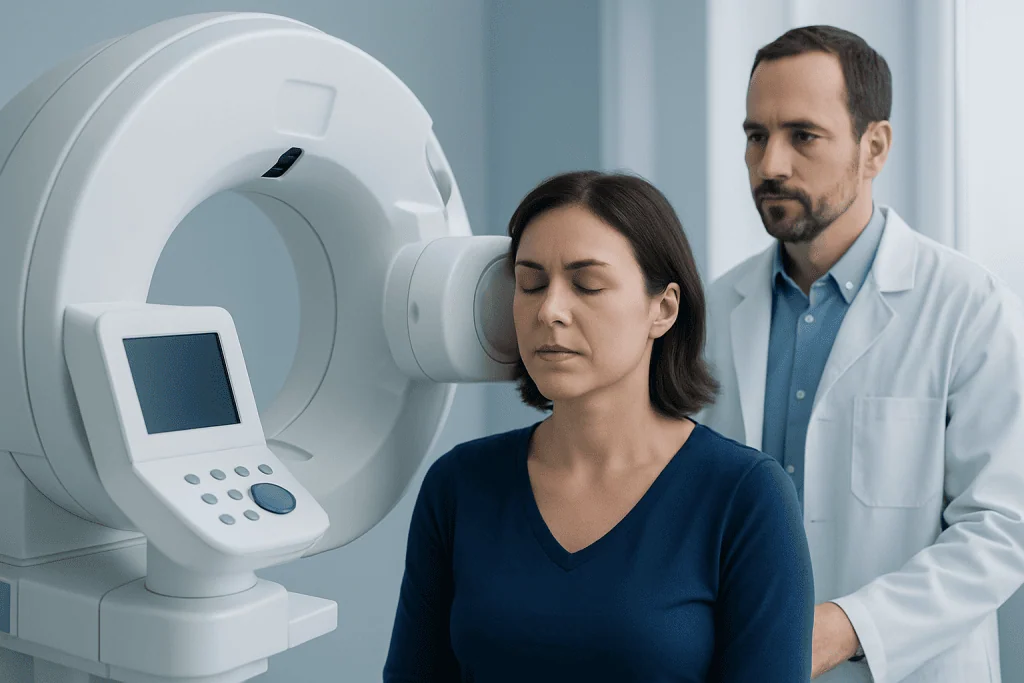
Acute migraine medicines are taken during an attack. These include common pain relievers, nonsteroidal anti-inflammatory drugs, triptans, and newer migraine-specific options such as gepants or ditans in selected patients. In broad terms, some reduce inflammation and pain signaling, while others act more specifically on pathways involved in migraine. The goal is to shorten the attack, restore function, and reduce associated symptoms.
Preventive migraine medicines are taken regularly rather than only during attacks. Depending on the individual case, these may include certain blood pressure medicines, antiseizure medicines, antidepressants, calcitonin gene-related peptide (CGRP)-targeted medicines, or botulinum toxin for chronic migraine in appropriate patients. Preventive treatment aims to reduce how often migraines occur, how severe they are, and how much they interfere with work, school, sleep, and family life.
Some treatments are offered when medicines are not enough, not tolerated, or not suitable because of other health issues. In selected cases, clinicians may discuss options such as migraine treatment pathways that combine medication review, trigger management, and specialist care. A person with very frequent symptoms may also be evaluated for chronic migraine rather than occasional attacks.
Common side effects, interactions, and precautions

Each migraine medication has its own safety profile, so label-level guidance matters. Common side effects vary by drug class and may include nausea, sleepiness, dizziness, fatigue, flushing, stomach upset, or a feeling of tightness or pressure. Some medicines can affect alertness, which is important for driving or operating machinery. Others can irritate the stomach or increase bleeding risk, especially when combined with certain other medicines.
Drug interactions are also important. Some migraine medicines should not be used with certain antidepressants, other serotonin-acting medicines, strong enzyme inhibitors, anticoagulants, or other drugs that affect the heart or blood vessels. People should tell their doctor about all prescription drugs, over-the-counter medicines, supplements, and herbal products they take. This helps reduce the risk of side effects and unsafe combinations.
Contraindications and special precautions depend on the medicine. Some options are not suitable for people with certain cardiovascular conditions, uncontrolled high blood pressure, stroke history, severe liver disease, severe kidney disease, or specific types of migraine. Pregnancy, breastfeeding, and plans for pregnancy should always be discussed before starting or continuing migraine medication. The official product label and a clinician’s advice should guide these decisions.
- Ask whether the medicine is for acute use or prevention.
- Ask about common side effects and when to stop the medicine.
- Review possible interactions with regular medicines and supplements.
- Tell the clinician about heart disease, stroke, pregnancy, or liver and kidney problems.
Choosing the right medication
The best migraine medication is not the same for everyone. A doctor will usually match treatment to the migraine pattern and the person’s general health. For example, someone with occasional attacks may only need acute treatment, while someone with frequent or disabling migraines may benefit from preventive therapy. Nausea, vomiting, aura, sleep disturbance, and how quickly pain escalates can all influence the choice.
Other medical conditions often shape the decision. A person with asthma, stomach ulcers, high blood pressure, depression, seizure disorders, kidney disease, or cardiovascular disease may need a different option than someone without these concerns. Tolerability also matters. If a medicine works but causes troublesome side effects, a clinician may suggest another class rather than simply continuing with poor quality of life.
Headache specialists sometimes use a stepwise approach, starting with the likely diagnosis and reviewing how often medicines are needed. If headaches are unusually frequent or difficult to classify, a patient may benefit from neurology evaluation. Keeping a headache diary can also help identify response patterns, side effects, and possible triggers that influence treatment success.
What to watch for during treatment
One of the most important issues in migraine care is medication-overuse headache. This can happen when certain acute pain-relief medicines are used too often, causing headaches to become more frequent or harder to treat. It does not mean the person has done anything wrong; rather, it is a recognized complication that should be discussed early. A clinician can help decide whether the current pattern of use is still appropriate.
It is also helpful to watch for changes in migraine pattern. If attacks become more severe, occur more often, start waking a person from sleep, or stop responding to previously effective treatment, a medical review is sensible. People should also note whether they develop new neurological symptoms, worsening nausea and vomiting, or significant side effects such as chest discomfort, marked sedation, allergic reactions, or signs of gastrointestinal bleeding.
For some patients, migraine care involves more than tablets or capsules. If symptoms remain disabling despite standard therapy, specialists may consider advanced treatment options or procedures. In selected settings, this may include pain management support as part of a broader plan focused on symptom control and daily function.
Self-care and prevention alongside medication
Medication works best when combined with practical migraine self-care. Regular sleep, hydration, meals, and stress management can support better control. For some people, alcohol, missed meals, poor sleep, bright light, hormonal changes, or prolonged screen exposure may contribute to attacks. Identifying personal triggers can help reduce the need for medicine, although not every migraine has an obvious trigger.
It is usually helpful to avoid making frequent changes to treatment without medical guidance. Taking more medicine than advised on the label or by a clinician may increase side effects and make headache patterns harder to understand. Dosage questions should be directed to a qualified healthcare professional, especially for children, older adults, and people with liver, kidney, or heart conditions.
Preventive care may also include reviewing lifestyle, sleep quality, caffeine use, and coexisting conditions such as anxiety, depression, or neck pain. In some cases, improving these factors can reduce attack frequency and improve response to medication. Good migraine care often works best as a long-term plan rather than a single prescription.
When to seek medical care
Medical care is important if a person has frequent migraines, significant disability, troublesome medication side effects, or uncertainty about which medicine is safe for them. A doctor should also review headaches that are getting worse, changing in pattern, or requiring acute medicine more and more often. This is especially important when there are other health conditions such as pregnancy, cardiovascular disease, liver disease, or kidney disease.
Urgent assessment is needed for sudden severe headache, new weakness or numbness, confusion, fainting, seizure, fever with neck stiffness, headache after head injury, or a new headache in someone with cancer or a weakened immune system. These symptoms are not typical of routine migraine and may need prompt evaluation to rule out other causes.
For international patients who need specialist assessment, Acibadem International’s multidisciplinary teams in JCI-accredited hospitals diagnose and treat migraine and related neurological conditions. A structured review can help clarify the diagnosis, assess medicine safety, and decide whether acute treatment, prevention, or specialist follow-up is most appropriate.
Frequently asked questions
What is the difference between acute and preventive migraine medication?
Acute migraine medication is taken when an attack begins, with the aim of reducing pain and other symptoms during that episode. Preventive migraine medication is taken regularly to lower how often migraines happen and how severe they become over time.
Can over-the-counter pain relievers treat migraine?
Some people do get relief from over-the-counter pain relievers, especially for milder attacks. However, these medicines are not right for everyone, and frequent use can contribute to medication-overuse headache or cause stomach and bleeding problems in some patients.
Are triptans safe for everyone with migraine?
No. Triptans may not be suitable for people with certain cardiovascular conditions, uncontrolled high blood pressure, or a history of stroke, depending on the product label and individual medical history. A clinician should review whether they are an appropriate option.
Do migraine medicines have interactions with antidepressants or other drugs?
Some migraine medicines can interact with antidepressants, blood thinners, heart medicines, and other drugs that affect serotonin or liver metabolism. This does not mean they can never be used together, but it does mean a doctor or pharmacist should review the full medication list carefully.
Should migraine medication be used during pregnancy?
Pregnancy and breastfeeding require special caution because some migraine medicines are not recommended or may be contraindicated. Anyone who is pregnant, planning pregnancy, or breastfeeding should discuss treatment choices with a qualified clinician before taking migraine medicine.
When should someone consider preventive migraine medication?
Preventive treatment may be considered when migraines are frequent, prolonged, disabling, or not well controlled with acute medicines alone. A doctor will also consider side effects, other medical conditions, and whether the current pattern of medicine use could be causing medication-overuse headache.
This article is for general information only and is not a substitute for professional medical advice. Please consult a qualified doctor about your individual situation.
Migraine in Turkey — costs, top hospitals & a free quote
JCI-accredited · board-certified surgeons · reply within 24h
Add us as a Preferred Source to see more of our trusted health content across Google Search, AI Overviews and Discover.
Check your numbers in seconds
BMI, calories, due date, blood pressure and 30+ more clinical calculators — free, instant, doctor-reviewed ranges.

More from the Health Library

Leqvio Side Effects: A Doctor-Reviewed Guide to Uses and Safety

Medroxyprogesterone 10 MG Tablet: A Doctor-Reviewed Guide to Uses and Safety

Zofran Side Effects: A Doctor-Reviewed Guide to Uses and Safety

Antibiotics: Uses, Dosage, and Side Effects — A Clinical Overview

Glipizide Side Effects: A Doctor-Reviewed Guide to Uses and Safety