Migraine Relief: What Works, What Does Not, and Safety Notes

Early treatment often improves migraine relief and may shorten the attack. Evidence-backed options include doctor-guided medicines, trigger management, sleep regularity, and practical self-care during an attack.
Key Takeaways
- Early treatment often improves migraine relief and may shorten the attack.
- Evidence-backed options include doctor-guided medicines, trigger management, sleep regularity, and practical self-care during an attack.
- Not every headache is a migraine, and not every migraine needs the same treatment.
- Some supplements and home remedies may help some people, but evidence varies and safety still matters.
- Red-flag symptoms such as sudden severe headache, weakness, confusion, or fever need urgent medical assessment.
Migraine relief is most effective when treatment starts early and matches the person’s symptoms, triggers, and overall health. Evidence-backed options include rest in a dark quiet room, hydration when needed, appropriate medicines, and prevention strategies, while many popular remedies have mixed or limited evidence.
Migraine relief: what tends to help most
Migraine relief usually works best when a person treats the attack early, reduces sensory triggers, and uses options that are supported by clinical evidence. For many people, the most reliable combination is resting in a dark quiet space, drinking fluids if they are dehydrated, using a cold pack, and taking suitable medicine as advised by a doctor or pharmacist. If attacks are frequent, prevention can be just as important as relief during the attack itself.
Migraine is more than a “bad headache.” It is a neurological condition that can cause throbbing or pulsating head pain, nausea, sensitivity to light or sound, and sometimes visual or sensory symptoms called aura. Because symptoms vary from person to person, migraine relief is not one-size-fits-all. What helps one person may not help another, and some popular remedies have little evidence behind them.
A practical way to think about migraine relief is to separate options into three groups: evidence-backed treatments, options that may help some people but need more evidence, and approaches that are not recommended because they are ineffective or may be unsafe. A clinician can help confirm whether symptoms fit migraine or another headache disorder and guide the safest next step.
What migraine can feel like
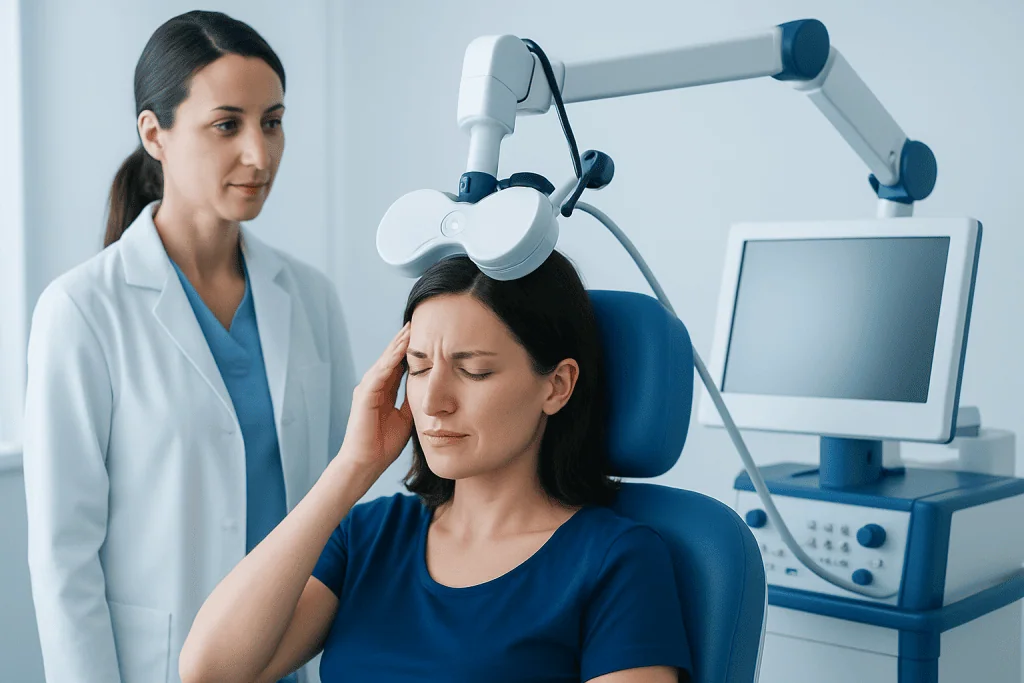
Migraine symptoms often include moderate to severe head pain, commonly on one side but sometimes on both sides. The pain may be throbbing and can worsen with routine activity such as walking or climbing stairs. Many people also have nausea, vomiting, or sensitivity to light, sound, or smells.
Some people have warning symptoms before the headache starts. These may include seeing flashing lights or zigzag lines, numbness or tingling, trouble speaking, tiredness, mood changes, food cravings, neck stiffness, or yawning. Not everyone has aura, and aura does not happen with every attack.
Symptoms can happen in phases. A person may feel subtle changes before the headache, then experience the main attack, followed by a “migraine hangover” with fatigue, mental fog, or sensitivity. Recognizing these patterns can improve migraine relief because treatment is often more effective when used early.
- Head pain that is throbbing, pulsating, or pressure-like
- Nausea or vomiting
- Sensitivity to light, sound, or smell
- Visual changes or aura in some people
- Fatigue, difficulty concentrating, or dizziness
Evidence-backed migraine relief options

During an attack, simple supportive steps can make a meaningful difference. Resting in a dark, quiet room reduces sensory stimulation. A cool or cold compress on the forehead or neck may help some people feel better. If a person has not been drinking enough or has been vomiting, gentle rehydration can also help. These measures are low risk and often useful alongside medical treatment.
Over-the-counter pain relievers can help some people, especially when taken early in the attack and used exactly as directed. However, they are not suitable for everyone, especially those with certain stomach, kidney, bleeding, heart, or liver conditions. Overuse can also make headaches more frequent over time. For moderate to severe migraine or attacks that do not respond well, doctors may prescribe migraine-specific medicines or anti-nausea treatment. Some people with frequent or disabling attacks may benefit from preventive treatment, including oral medicines, injectable therapies, or other specialist options such as neurology care and structured headache management.
Behavioral and lifestyle strategies are also evidence-based parts of migraine relief. Regular sleep, consistent meals, hydration, stress management, and exercise can reduce attack frequency for many people. Keeping a headache diary may help identify patterns such as missed meals, poor sleep, menstrual changes, alcohol, or bright light. If headaches are persistent or complex, evaluation in a specialist setting such as headache treatment may be useful to tailor both acute and preventive care.
Options that may help some people, but evidence is mixed
Some non-drug approaches are commonly used for migraine relief, but the strength of evidence varies. Relaxation training, mindfulness, biofeedback, and cognitive behavioral strategies may help reduce stress-related triggers and support long-term control. They are not instant cures, but they can be useful as part of a broader care plan.
Caffeine is more complicated than many people expect. In some people, a small amount of caffeine early in an attack may help pain medicines work better or provide mild relief. In others, caffeine can trigger headaches, worsen anxiety, disturb sleep, or contribute to withdrawal headaches if used regularly. Because of this, caffeine is best used cautiously and not as a daily main strategy for migraine relief.
Supplements such as magnesium, riboflavin, or coenzyme Q10 are sometimes discussed for prevention rather than immediate relief. Some people may benefit, but these products are not right for everyone and can interact with medical conditions or medicines. Herbal remedies, especially feverfew or butterbur, should be approached carefully because quality and safety vary, and some preparations may be harmful. A doctor should review any supplement before regular use.
What usually does not work well or may be unsafe
Many home remedies are shared online, but popularity does not mean proven benefit. Strong smells, essential oils, or untested devices may help a few people feel more comfortable, but they can also worsen nausea or sensory sensitivity. Claims of instant cures should be viewed cautiously, especially if they rely on anecdote rather than good-quality clinical evidence.
Using pain relievers too often is a common problem. Frequent use of over-the-counter or prescription pain medicines can lead to medication-overuse headache, in which headaches become more frequent and harder to control. A person who needs acute treatment regularly should speak with a doctor about prevention rather than simply increasing short-term medicine use.
Alcohol as a “remedy,” smoking, skipping meals, and pushing through severe symptoms generally do not support migraine relief. Dehydration, sleep disruption, and excess screen exposure during an attack may also make symptoms worse. If the diagnosis is uncertain, treating every severe headache as “just migraine” can be risky because other conditions can mimic migraine and need different care, including problems assessed with brain and nerve check-up.
How doctors diagnose migraine and choose treatment
Migraine is diagnosed mainly from the person’s history and symptom pattern. A doctor will ask about the timing of attacks, the type of pain, associated symptoms, triggers, family history, current medicines, and how headaches affect daily life. A neurological examination helps look for signs that point toward migraine or suggest another cause.
Tests are not always necessary for a typical migraine pattern, but they may be recommended when symptoms are new, unusual, progressive, or accompanied by red flags. Depending on the situation, a doctor may order blood tests or imaging to rule out other conditions. This is one reason self-diagnosis can be unreliable when headache patterns change.
Treatment is then tailored to the individual. Doctors consider how often migraines happen, how severe they are, whether nausea or aura is present, what has already been tried, and whether there are other conditions such as pregnancy, heart disease, high blood pressure, anxiety, or sleep disorders. The goal is not only pain relief, but also restoring function safely and reducing future attacks.
Prevention and self-care between attacks
For many people, the best migraine relief plan includes prevention between attacks. A regular routine often matters more than any single “trick.” Going to sleep and waking up at consistent times, eating meals on schedule, drinking enough fluids, and staying physically active can reduce vulnerability to attacks.
Stress is a common factor, but it is rarely the only one. Helpful self-care may include relaxation exercises, regular movement, limiting excess alcohol, and reducing screen glare or bright-light exposure if these are triggers. A headache diary can help connect symptoms with patterns such as hormonal changes, travel, weather shifts, certain foods, or missed sleep.
If migraines are frequent, severe, or disruptive, prevention may involve prescription treatment rather than lifestyle steps alone. This can include medicines taken daily or at intervals, and in selected cases other targeted options discussed by a specialist. Near the end of the care pathway, some international patients choose assessment at centers such as Acibadem International, where multidisciplinary specialists in JCI-accredited hospitals evaluate and treat headache disorders.
When to seek medical care
Urgent medical care is needed for red-flag symptoms. These include a sudden “worst headache of life,” headache with weakness, facial droop, confusion, fainting, seizure, trouble speaking, new vision loss, fever, stiff neck, head injury, or a new severe headache during pregnancy or after childbirth. A headache that starts abruptly during exertion, or a new headache in a person with cancer or a weakened immune system, also needs prompt assessment.
Medical review is also important if headaches are becoming more frequent, changing in pattern, lasting unusually long, or no longer responding to usual care. A person should also seek advice if they need pain medicine often, are missing work or school, or have significant nausea, vomiting, dizziness, or disability during attacks.
Routine care can still be valuable even when there is no emergency. A doctor can confirm the diagnosis, rule out other causes, discuss treatment choices, and help build a safer long-term plan. That may include preventive medicine, review of triggers, and support for related concerns such as sleep problems or hormone-related patterns.
Frequently asked questions
What is the fastest way to get migraine relief?
The fastest migraine relief often comes from treating the attack early. Resting in a dark quiet room, limiting activity, using a cold pack, and taking appropriate medicine as directed may help. The best option depends on the person’s symptoms, other health conditions, and how severe the migraine is.
Do home remedies work for migraine relief?
Some home measures can help, especially rest, reduced light and noise, hydration when needed, and a cool compress. However, many popular remedies have limited evidence or work inconsistently. Home care is best seen as supportive, not a replacement for proper diagnosis and treatment when migraines are frequent or severe.
Can caffeine help a migraine?
Caffeine may help some people if used early and in small amounts, and it is included in some headache medicines. But it can also trigger headaches, worsen sleep, or contribute to withdrawal headaches if used often. Because responses differ, it should be used carefully rather than relied on daily.
When should someone worry that a migraine is something more serious?
A sudden severe headache, new neurological symptoms, fever, stiff neck, fainting, seizure, head injury, or a major change in headache pattern should be assessed urgently. These features can point to conditions other than migraine. When in doubt, prompt medical evaluation is the safest choice.
Why do some people get frequent migraines?
Frequent migraines can be related to genetics, hormones, stress, poor sleep, dehydration, skipped meals, medication overuse, or other medical factors. Often there is more than one trigger. A doctor can help identify patterns and decide whether preventive treatment is needed.
Are supplements safe for migraine relief?
Not always. Some supplements used for migraine prevention may help certain people, but evidence and product quality vary, and interactions are possible. It is safest to discuss supplements with a doctor, especially during pregnancy or when taking other medicines.
References
- American Headache Society
- National Institute of Neurological Disorders and Stroke
- Mayo Clinic
- National Institute for Health and Care Excellence
- World Health Organization
This article is for general information only and is not a substitute for professional medical advice. Please consult a qualified doctor about your individual situation.
Migraine in Turkey — costs, top hospitals & a free quote
JCI-accredited · board-certified surgeons · reply within 24h
Add us as a Preferred Source to see more of our trusted health content across Google Search, AI Overviews and Discover.